


Are you tired of the same old dinner battles with your picky eater? Do you wish your child would be more adventurous with their food choices? You're not alone! Many parents struggle with getting their kids to try new foods.
Clinical studies show that nearly 50% of parents consider their young children picky eaters, making structured, low-pressure feeding strategies vital for preventing long-term nutritional gaps. But don’t fear, because we've got you covered with "The Picky Eater's Playbook: Strategies to Get Kids to Try New Foods". With simple tricks and techniques, you can transform mealtime from a battlefield into a fun and exciting adventure for your little one.
A picky eater is someone, typically a child but not exclusively, who has strong preferences or aversions towards certain foods.
Fussy eaters may refuse to try new foods, have a limited range of foods they are willing to eat, or exhibit strong reactions, such as gagging or tantrums when presented with unfamiliar or disliked foods.
Picky eating behaviour can vary in severity and can be influenced by factors such as taste preferences, sensory sensitivities, texture aversions, and past experiences with food.
From packing healthy school lunches to whipping up nutritious recipes that appeal to even the pickiest eaters, there are plenty of ways to encourage your kids to try new foods.
The first step in getting kids to try new foods is to create a positive food environment. This means setting a good example for your child by eating various foods yourself and showing enthusiasm for trying new things.
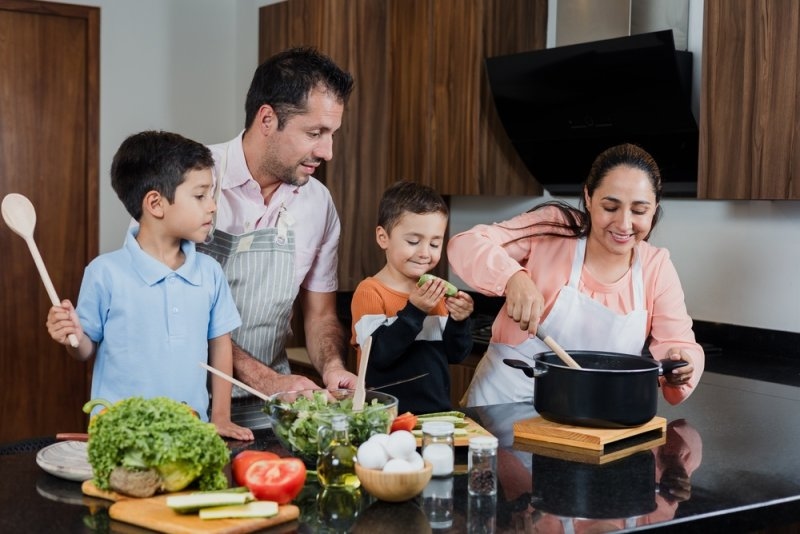
One of the biggest mistakes parents make when trying to get their kids to try new foods is overwhelming them with too many new things. Instead, introduce new foods gradually, one at a time.
Kids are visual creatures, so the presentation can play a significant role in getting them to try new foods.
Another effective strategy is incorporating new foods into familiar dishes.
This sneaky approach can help your child expand their palate without realising it.
Mealtime shouldn't just be about eating; it should also be about connecting as a family.
Sometimes, a little motivation can go a long way in getting kids to try new foods.
By offering incentives, you can make trying new foods a more positive and rewarding experience for your child.
Kids are always watching and learning from their parents, so it's essential to lead by example when trying new foods.
Lastly, don't be discouraged if your child doesn't immediately eat new foods.
If you've tried everything and your child still refuses to try new foods, don't be afraid to seek professional help.
With the proper professional guidance, you can help your child develop a healthier relationship with food and expand their palate over time.
Try This: Delicious Fiber-Rich Recipes Your Kids Will Definitely Love
Getting kids to try new foods doesn't have to be a battle. With the right strategies and techniques, you can turn mealtime into a fun and exciting adventure for your little one.
From creating a positive food environment to incorporating new foods into familiar dishes, there are plenty of ways to encourage your child to be more adventurous with their food choices. Remember to be patient and persistent, and don't be afraid to seek professional help.
With some creativity and determination, you can help your picky eater become more adventurous and open-minded in no time!
Food chaining is a gradual feeding strategy that connects a child's accepted favourite foods to new, target foods by making subtle, incremental changes in texture, shape, or flavour.
Children with sensory sensitivities may experience certain food textures, temperatures, or smells as overwhelming or physically painful, causing strong avoidance behaviours that require specialised support.
Typical picky eating involves temporary food preferences and phase-based rejections, whereas paediatric feeding disorder involves severe food restriction, impaired weight gain, or functional impairment requiring multidisciplinary therapy.
Giving kids autonomy to choose recipes or select produce at the grocery store builds personal investment and reduces the power struggles often associated with trying new foods.
Using dessert as a bribe reinforces the idea that healthy foods are an unpleasant chore, which unintentionally increases a child's desire for sweet treats while diminishing their appreciation for nutritious meals.
This content was created by AI