What Is Constipation in Children? Signs, Causes, and Relief
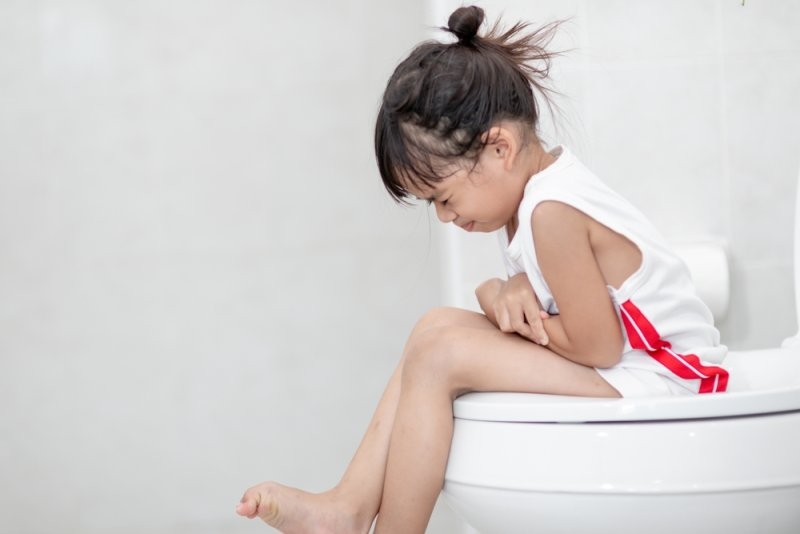
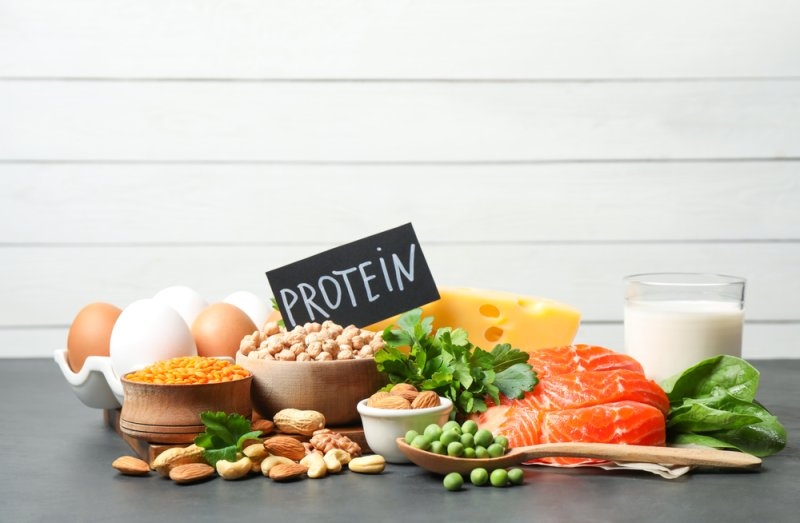
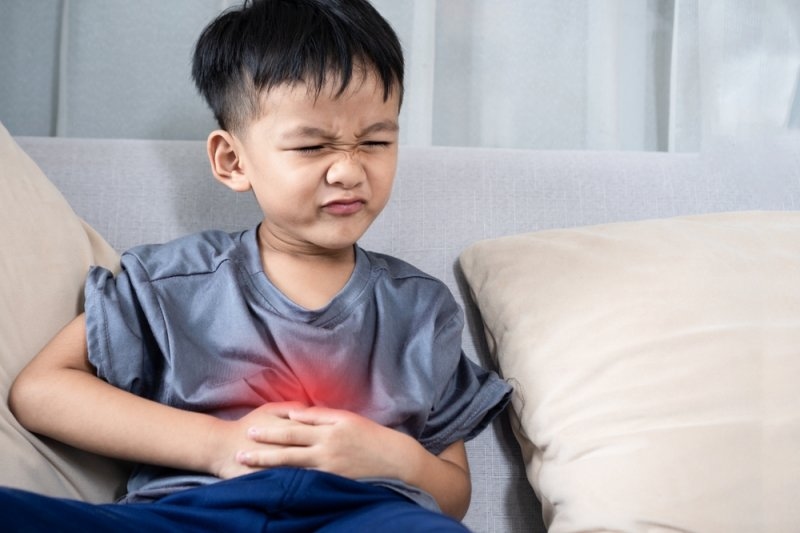
Key TakeawaysConstipation in children is really common, and most cases clear up with small changes to food, drinks, and routines.Watch for hard poop, fewer than three bowel movements a week, tummy aches, and streaks or leaks in underwear.Holding it in is a top trigger. Low fiber, too little water, and big life changes also play a part.Fiber, water, movement, and relaxed toilet time after meals help stop it from coming back.Call the doctor if it lasts over two weeks or comes with fever, blood in stool, or weight loss.Skip laxatives and supplements unless your pediatrician says yes.Let's be honest, nobody wants to talk about poop. But it tells you a lot about how your kid is really doing. Constipation in children is one of the most common tummy troubles out there, and it can turn a cheerful child into a cranky, anxious one within days.The good news? Most cases clear up fast once you find the trigger. Below you'll find symptoms, causes, home fixes, prevention habits, and the warning signs that mean you should call the doctor.What Is Constipation in Children?Constipation in children means poop moves too slowly through the gut. The longer it sits, the harder and drier it gets, and then it hurts to push out. Childhood constipation often looks like infrequent bowel movements in kids or a child who cries every time they sit on the toilet. Don't panic. Most cases are temporary, and a few small changes at home usually get things moving again.Toddlers and new schoolkids get it a lot. Big changes, like potty training or a first week at school, love to throw bathroom habits off.How Does Childhood Constipation Differ From Normal Bowel Habits?Is your child's pattern normal, or is something off? Kids vary a lot, so it helps to see the differences side by side. The table below shows what pediatricians look at first. Think of it as a rough guide, not a diagnosis, and check with your doctor if anything worries you.FeatureTypical Bowel HabitsChildhood ConstipationFrequencyMost days, or at least three times a weekFewer than three times each weekStool textureSoft, formed, and easy to passHard, dry, and difficult to passComfortNo pain or fear at the toiletPain, straining, or stool holdingUnderwearStays clean between toilet visitsMay show liquid or pasty stool leaksWhat Are the Constipation Symptoms in Children?Constipation symptoms in children can be sneaky. Plenty of parents miss them until the discomfort is hard to ignore. Catching the clues early matters, because a small problem can turn into a painful habit pretty quickly. Some signs are obvious, others less so. Here's what to look for.1. Signs of Constipation in Kids You Can Spot at HomeLook at the poop first. Signs of constipation in kids often include small, dry pellets or big, hard chunks that look painful to pass. Some children leak liquid or pasty stool into their underwear, which surprises parents because it looks like diarrhea. It actually means stool is backed up in the rectum, and the soft stuff is sneaking around it. Also watch the body language. Crossed legs, clenched buttocks, twisting, or funny faces often mean your child is trying hard to hold it in.2. Hard Stool in Children and Painful Toilet VisitsHard stool in children hurts. Kids figure that out fast, and then they start dreading the toilet. That dread leads to holding it in, and the longer stool stays put, the more water the body pulls out of it. So the next poop is even harder. It's a nasty loop. You might also spot tiny streaks of blood on the surface of the stool, usually because the skin around the anus got a small tear.3. Infrequent Bowel Movements in KidsInfrequent bowel movements in kids usually mean fewer than three trips to the toilet in one week. But don't get hung up on the calendar. Normal looks different for every child, so pay more attention to how the stool feels and whether your child is comfortable. A kid who poops every other day, with soft stool and no fuss, is probably doing just fine.Are Stomach Pain and Constipation in Kids Connected?Yes, quite often. Stomach pain and constipation in kids tend to show up together, because backed-up stool stretches the bowel and sets off cramps. The pain usually comes and goes, and it often eases once your child finally goes. Still, constant severe pain, a swollen belly, or vomiting is not something to wait out. Call the doctor.What Are the Main Causes of Constipation in Children?Causes of constipation in children run from everyday habits to rare medical conditions, but habits win by a mile. Find the trigger, and you've done half the work, since the fix usually targets whatever started the problem. So what tends to go wrong? Here are the usual suspects, especially in the toddler and early school years.1. What Causes Constipation in Kids Most Often?Holding it in. That's the big one. Kids ignore the urge because they're busy playing or because the public toilet at the park seems scary. A painful poop or a stressful round of potty training can turn that choice into an automatic habit that's tough to break. Scolding, bribes, and daily standoffs at the bathroom door usually make it worse. Calm, low-pressure practice works far better.2. Diet and Fluid Habits Behind Childhood ConstipationNot enough fiber and not enough water are classic reasons for hard stool. Lots of cheese and milk can add to the problem too. Babies often get constipated when they move from an all-liquid diet to their first solid foods, which catches new parents off guard. A cow's milk allergy can also lead to constipation, so tell your doctor how much dairy your child eats.3. Routine Changes, Medicines, and Family HistoryTravel, hot weather, stress, and starting school can all throw off a healthy child's bowel rhythm. Some medicines, including certain antidepressants, slow digestion down, so go over any current prescriptions with your child's doctor. And yes, constipation runs in families. Rarely, it points to an underlying digestive, metabolic, or structural problem, which is one more reason to see a doctor when it keeps coming back.How Does Childhood Constipation Become Chronic Constipation in Children?It becomes chronic when hard, painful poops keep coming back, and holding it in turns into a stubborn cycle. Chronic constipation in children can lead to small tears near the anus, rectal prolapse, or leaking stool known as encopresis. None of that is meant to scare you. The point is that early care breaks the cycle, and kids who feel supported usually get their comfortable toilet habits back much faster.How Can You Relieve Constipation in Kids at Home?Constipation in kids often improves with gentle home care, as long as you keep bathroom time pressure-free. Start with food, fluids, and movement. Then build a calm routine your child can follow without feeling afraid. One thing to skip for now: laxatives, stool softeners, and supplements. Check with your pediatrician first, because dosing depends on age and weight.1. Add Fiber-Rich Foods to Every MealFiber makes stool soft and bulky, so it slides through much more easily. Mayo Clinic suggests about 14 grams of fiber per 1,000 calories, which works out to roughly 20 grams a day for younger kids. Go slowly, though. Add a little more each day to avoid gas and bloating, and pair it with extra water.Must Read: What are the Top 10 Healthy Breakfasts for Kids in 2026?2. Encourage Water and Active PlayWater is usually the best drink, so keep a bottle handy during school, playtime, and hot afternoons. Movement helps too, because active bodies have more active bowels. Running, cycling, and jumping rope all count. Turn it into a backyard game and your kids will barely notice they're helping their own tummies.Top Pick: What are the Best Outdoor Activities for Kids to Build Strength? 3. Build a Calm Toilet Routine After MealsSet aside a few relaxed minutes after meals, since eating naturally triggers the urge to poop. A small footstool helps a lot, because it lifts your child's knees above the hips and makes pushing easier. Praise the effort with a sticker or an extra story. And never punish accidents. Shame just makes kids hold it in even harder.What Does Constipation Prevention for Children Look Like Daily?Constipation prevention for children comes down to small habits repeated every day. No dramatic fixes, no strict diets. Stick with the three habits below as a family, and don't panic when a week goes sideways. Over time, they protect against repeat episodes once your child has recovered from a rough patch.1. Offer Fiber and Water Every DayPrevention starts on the plate. Serve fruits, vegetables, beans, and whole grains nearly every day, and keep a water bottle within easy reach at home and at school. It sounds almost too simple, but these two habits keep stool soft, bulky, and easy to pass for most healthy kids.2. Keep a Regular Toilet and Play SchedulePlan relaxed toilet time after breakfast and dinner, when the bowel is naturally waking up. Add plenty of active play each day too. A steady schedule teaches the body when to expect a bowel movement, which cuts down on sudden urgency and the stress that comes with it.3. Remind Your Child to Answer Nature's CallBusy little players forget to go. Or they ignore the signal on purpose because the game is too good. Either way, stool dries out while they wait, and the next visit gets harder and more painful. A friendly nudge before recess, a car ride, or a long outing can prevent plenty of tummy trouble.When Should You See a Doctor for Constipation in Children?Constipation in children usually isn't serious. Still, a few warning signs deserve prompt attention from a pediatrician. Book a visit if it lasts longer than two weeks or if it comes with any of these symptoms:FeverRefusing to eatBlood in the stoolSwollen bellyWeight lossPain during bowel movementsRectal prolapsePlease don't wait for severe pain, vomiting, or a child who suddenly seems unusually tired and unwell.ConclusionConstipation in children can feel scary, but most cases respond well to fiber, fluids, movement, and patient toilet routines. Keep an eye on the warning signs and stay supportive. If symptoms last or get worse, bring in your pediatrician. Small daily wins add up, and comfortable bathroom habits will feel normal again before you know it. For more practical family health ideas, visit KidsActivityPage.com.Frequently Asked QuestionsCan constipation in children go away on its own?Mild cases often improve within a few days once you add fiber, water, and regular toilet time. If it's stubborn or painful, ask a pediatrician, because untreated holding can turn into a longer cycle.Are laxatives safe for children with constipation?Some laxatives are safe when a doctor approves the type, dose, and duration for your child's age. Please don't start them on your own, because the wrong product can sometimes cause cramps, diarrhea, or dehydration.Does milk cause constipation in kids?Too much cow's milk or cheese can harden stool in some children, and milk allergies can contribute. Talk with your doctor before cutting dairy, because kids still need calcium, vitamin D, and protein for growth.Can stress cause childhood constipation?Yes, stress from school changes, travel, or family upheaval can disrupt bowel habits and encourage stool holding. Offer calm reassurance, keep routines predictable, and give your child plenty of unhurried time on the toilet.Is it normal for a child to skip a day of pooping?Yes, healthy kids can skip a day, as long as stool stays soft and passes without pain. Worry only when stools turn hard, bowel movements drop below three weekly, or belly pain keeps appearing.