Healthy Activities


What are the Best Outdoor Activities for Kids to Build Strength?

Outdoor fun for children provides more than just an outlet for excess energy. Kids can build strength, coordination, social skills, and confidence through these various games. With today's digital generation consuming more than seven hours of screen time a day, according to the American Academy of Child & Adolescent Psychiatry, it's crucial to encourage them to play outside.If you're a parent who constantly hears "I'm bored," you're certainly not alone. It's true that many cherished childhood memories stem from being outdoors. From running in a park to playing on nature trails to creating simple yard games, being outside is a simple way to stay fit and entertained.The CDC agrees, suggesting that children should be physically active for at least 60 minutes each day to reach their milestones. This article takes a look at some of the top outdoor play for kids, explains the benefits of the outdoors in terms of child development, and lists several ways you can help your child build strong muscles and improve coordination.The Importance of Outdoor Play on Child DevelopmentPrior to listing ways children can build strength outdoors, here's why their time outside is crucial. Through outdoor play benefits for child development, children who are physically active develop the following:Good balance and coordinationStronger muscles and bonesGood cardiovascular healthEnhanced problem-solvingA healthier moodSocial interaction skillsBeing outside also encourages kids to be creative. While the indoor setting requires following directions, the outdoors inspires independent exploration and game development. Here are the best outdoor activities for children:1. Obstacle Courses Obstacle courses are the best physical outdoor games for kids of all ages. The courses are easy outdoor activities for kids that use obstacles such as pool noodles, cones, playground equipment, or chairs. Kids will: Jump over objectsCrawl under obstaclesBalance on linesRun between markers These obstacle courses enhance the following:CoordinationAgilityBalanceThe core musclesMany kids perceive obstacle courses as an exciting game rather than exercise. 2. Nature Scavenger Hunts Combining exploration with motion, nature scavenger hunts also serve as nature-based activities to keep kids active. Kids are given a list of items that must be collected, such as:A pineconeA smooth rockA yellow flowerA bird's feather A nature scavenger hunt will: Encourage them to use their minds and engage in physical activityStrengthen observation skillsImprove focus and coordination 3. Biking Still one of the most effective forms of exercise in building muscle strength, biking allows kids to engage several muscle groups at once, building endurance. Riding a bicycle can improve the following:Leg strengthCardiovascular healthBalance and coordination In addition, biking can build children's confidence. 4. Jump Rope Challenges This cost-effective activity strengthens muscles and can be enjoyed either alone or with friends. Children can challenge themselves by counting their jumps. Jump rope works on the child's CoordinationLower body strengthBalance and timing Even 10 minutes of jump rope will give you a good workout. 5. Nature Trail Walks Walking on uneven terrain can turn an ordinary walk into a challenging outdoor play session for kids. Nature trails will:Promote stronger legs and enduranceImprove coordination and balanceStrengthen the child's observation skills Nature trails can also reduce stress and increase mindfulness. 6. Tag Games Popular for their simplicity, there are many tag variations. Some of the more well-known include freeze tag, shadow tag, tunnel tag, and team tag. Tag will improve the child's:Agility and reaction skillsCardiovascular strengthSpeed They can also help with the child's social skills and team interaction. 7. Ball Toss and Catch Playing with a ball will enhance a child's hand-eye coordination. Using any type of ball, soft or hard, the child will develop:Motor skillsCoordination and focusUpper body strength Kids may need to start by simply tossing and catching at close range, then graduate to longer distances as their skill improves. 8. Playground Climbing With the variety of equipment readily available at a playground, climbing exercises enhance kids' physical abilities. Monkey bars, climbing walls, and ropes will strengthen and build:Core stabilityGrip strengthBody awareness Studies have shown that kids who are allowed to climb will build physical and cognitive strength. 9. Relay Races An excellent group outdoor activity, relay races will build coordination and cardio strength while encouraging teamwork. Kids can:Sprint, skip, hop, or power-walk to a designated pointCarry an object to the next teammateTake turns in a sequence Relay races also: Promote teamwork and healthy competitionKeep children active and engaged, as every race can be modified. 10. Backyard Gardening Although often considered a relaxation activity, digging, lifting, and squatting involved in gardening build muscle strength. Children often also love watching plants grow and mature over time. Benefits of gardening include:Building strength and a connection with natureIncreasing a child's patience and responsibility Backyard gardening is an accessible and fun outdoor activity for many kids. Tips for Encouraging More Outdoor Play Not all children want to play outside, so you may have to be more hands-on. Here are some ways to make it work:Be sure outdoor activities are funWhen children are having a good time, they will be more inclined to want to be outside. Play with them! When a child has you for a playmate, outdoor time will instantly be more enjoyable.Limit screen time Technology time should have set limits to give children more opportunities to be active outdoors.Vary the types of activityConstantly switching things up will allow for a well-rounded amount of physical exercise.ConclusionThe most important thing to remember is that the benefits of the outdoors for kids are about so much more than keeping them entertained. Building strength and coordination along with a healthy set of lifelong habits, the best outdoor play for children enhances cognitive and physical development.   From obstacle courses to backyard gardening to biking and tag games, the activities listed above help kids get and stay fit. For further family activities, kids' games, and educational fun, check out KidsActivityPage.com.FAQHow Much Outdoor Time do Kids Need on Average Per Day?Generally speaking, medical professionals suggest that kids should engage in 60 minutes of daily exercise, but individual needs vary. However, outdoor activity may help meet the 60-minute mark while enhancing social development, cognitive abilities, and mental wellness. Just ten to twenty minutes of outdoor activity may even prove very beneficial.Are Outdoor Activities Beneficial for Children With an Inability to Pay Attention?Absolutely! The outdoors offers many natural and varied stimuli for kids, such as sights, sounds, and physical movements. Many kids find the outdoors and simple activities like obstacle courses, scavenger hunts, and relay races exciting and interesting, thereby keeping them engaged longer.How Can Parents Convince Their Kids to Play Outdoors if Their Kids Prefer Indoor Activities?Begin by introducing activities that align with your child's interests. If they enjoy art, you could give them natural art supplies and teach them how to create art from things they find outside, such as the above-mentioned scavenger hunt or building fairy houses. Family time outdoors, along with gradual exploration, can easily get your child more engaged in being outside.

What are the Best Gymnastics Games for Kids That Promote Growth?

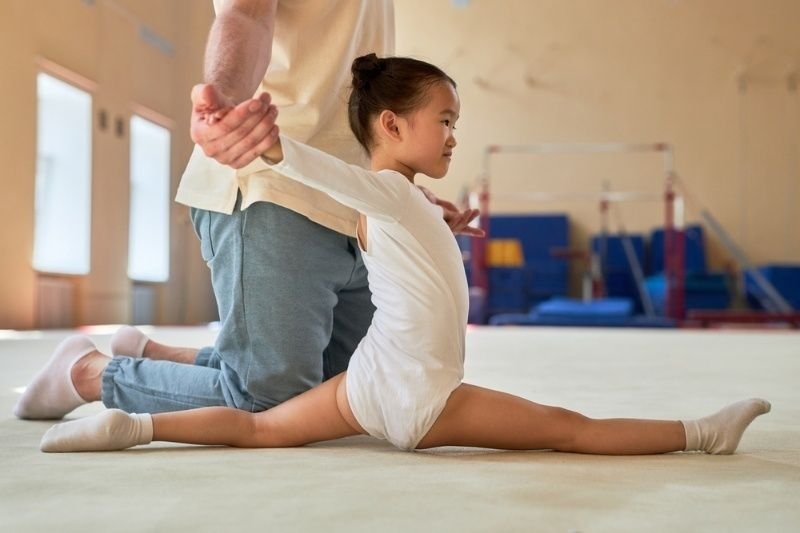
Staying physically active is a more crucial issue for children than ever before. According to the WHO, children aged between five and seventeen years must participate in a minimum of sixty minutes of moderate-intensity physical activity each day. There are many benefits of gymnastics for kids, from better growth to identity development. However, making exercise enjoyable and exciting for children can sometimes be difficult. This is where games like gymnastics for kids come in handy. These gymnastics activities help to enhance children's flexibility, balance, strength, coordination, and confidence in a fun way. They are very beneficial in schools, PE classes, birthday parties, and as home-based indoor activity sessions. The good thing about the following gymnastics activities is that they don't require much equipment and can be adapted for various ages.Here is a selection of exciting gymnastics games for kids that promote movement, teamwork, and imagination. Beneath each activity, you can also find the required equipment, how to play, and helpful hints.1. Obstacle Course ChallengeObstacle courses are among the most favorite preschool activities that incorporate movement, coordination, and balance in a playful way.EquipmentConesGym matsHula hoopsBalance beam or tape linesSmall tunnels or cushionsInstructionsDesign stations where children jump through hoops, crawl under tunnels, balance on tape lines, and roll over mats. Time them or let them complete the course at their own pace.HintsUse lower obstacles for younger children and those made of soft material. Regularly vary the route to keep children entertained.2. Animal Walk Relay RaceStrengthening muscles and improving coordination are among the major benefits of this game. It is time-consuming and rewarding at the same time. EquipmentOpen play spaceCones (to mark start and finish lines)InstructionsDesignate different movements to represent various animals: a bear crawl, crab walk, bunny hop, or frog jump. The children have to race to a certain point from another using the given movements.HintsEnsure children are rewarded more for their efforts and fun than their speed if you have young kids participating in the game.3. Balance Beam Freeze GameThis balance activity requires children to develop coordination and concentration skills. EquipmentLow balance beam or tape lines on the floorMusic playerInstructionsChildren walk on the beam while music plays. When music is switched off, they must freeze without losing their balance.HintsFor very young children, use the balance tape on the floor instead of the beam, and slightly widen it if necessary. Have kids try different beam poses to boost their confidence.4. Gymnastics Simon SaysThis game can help you introduce the fundamentals of gymnastics skills and activities for kids in a less intimidating setting.EquipmentOpen space on the floorInstructionsTell your children phrases like the following:"Simon says do a forward roll.""Simon says touch your toes.""Simon says balance on one foot."Children should only move if the phrase begins with "Simon says.HintsTry mixing a few easier gymnastics activities with harder ones for kids. You can include a few stretches to help children warm up.5. Parachute Popcorn GameThis is an excellent activity to practice group coordination and team building.EquipmentLarge parachuteSmall foam ballsInstructionsChildren must work together, holding the edges of the parachute with the balls in the center, and shake it until the balls bounce away without falling off.HintsThis game is also great for younger children, as the foam balls are very light and harmless.6. Cartwheel Station PracticeIf your child enjoys learning new gymnastics moves, cartwheel stations can help them practice this and other elementary gymnastics activities.EquipmentGym matsTape markers to denote hand placementInstructionsMark the ideal positions for the child's hands and feet using tape and help them learn how to do a cartwheel. Make sure you supervise them and encourage slow and controlled movements.HintsCorrect their posture first, then work on speed and flow. Kids who struggle can practice leaning on a wall when attempting a cartwheel.7. Balloon Keep-up ChallengeThis is an easy way to enhance coordination and control movements.EquipmentBalloonsInstructionsChildren should keep the balloon in the air without it touching the floor, using just a specific body part or the whole body.HintsIf your child is very young, you can start them off with a slightly larger, softer balloon so it bounces more slowly and is easier to control.8. Forward Roll RaceForward rolls are among the first basic movements that children learn in gymnastics.EquipmentSoft gymnastics matsInstructionsChildren should begin the forward roll at one end of the mat and finish at the other, competing alone or in teams.HintsAlways supervise young children when they attempt a forward roll and ensure that the mats are thick enough to protect the child's neck and head.Why are Gymnastics Games for Kids Important?Gymnastics games contribute to both children's physical and mental well-being. As confirmed by the WHO and multiple studies, children who exercise frequently also develop greater coordination, more refined social skills, and better concentration in school.Through gymnastics activities, children are able to:Gain confidenceEnhance balance and flexibilityDevelop teamwork skillsReduce screen timeImprove muscle strength and postureHowever, the most critical element is that these activities will ensure children find working out and exercise fun.How can Parents and Teachers Maintain Safety During Gymnastics Games for Kids?Child safety is a priority when involving children in any physical activities. Experts suggest:Using padded surfaces whenever possibleSupervising the kids during rolls and jumpsAge-appropriateness of activitiesEnsuring adequate water breaksHaving kids rest when necessaryChildren must wear comfortable, non-restrictive clothes so that they have freedom of movement.ConclusionGymnastics games for kids are undoubtedly a fantastic combination of exercise, coordination, and imaginative play. From balance and obstacle course challenges to the parachute popcorn game and forward rolls, these games can guarantee your child's daily dose of physical activity while also developing several of their physical and social skills.What parents and teachers should keep in mind is that you don't need to go over-the-top when teaching a young child any form of gymnastics. Some simple preschool gymnastics games will do wonders for your child's coordination, confidence, balance, and teamwork skills, making exercise a pleasant and enjoyable activity for them.The more you try to encourage these kinds of games, the more you make it possible for children to find joy in exercising. If you use simple gymnastics activities for kids and a little bit of supervision, along with adequate care, your children will love doing this together with you every single day.Frequently Asked QuestionsWhat is the Appropriate Age for Children to Start Gymnastics Activities?Simple gymnastics activities for young children are usually suitable from the ages of two to three, as long as supervision is provided. Preschool gymnastics activities predominantly involve balance, coordination, and movements, but not difficult techniques. Children's gymnastics classes often start at age five or six, depending on their development and interest in the activities.Can You Practice Gymnastics Games Inside the House?Yes, many gymnastics games for kids can be perfect to play at home. All you really need is some padding and maybe balloons. You can use tape lines, mats, or floor-mounted tape to ensure safety when children practice gymnastics moves and develop their coordination, balance, and reflexes. Indoor play sessions are especially appropriate on days with bad weather or during PE class.How Often Should Children Engage in Gymnastics Activities?Children need to be active regularly. Just two or three days of twenty- to thirty-minute gymnastics exercises per week will significantly improve their balance, coordination, and muscle power. The important thing in gymnastics activities for kids is always to have fun and move, not to push too hard, particularly for very young children.

Best DIY Games for Kids Using Stuff You Already Own

It is a rainy Saturday afternoon, the kids are crawling up the walls, and you have heard "I am bored" three times already. Sound familiar? Here is the thing: you do not need to order anything online or make a store run. The best DIY games for kids are already sitting in your home, hiding inside your laundry basket, sock drawer, and recycling bin. DIY kids' games and activities make keeping children moving easy, affordable, and something the whole family actually enjoys. According to the CDC, children aged 6 to 17 need at least 60 minutes of physical activity every day. This guide gives you everything you need to make that happen, starting right now.Why DIY Play is Better Than You ThinkThe benefits children pick up from DIY play go well beyond burning off energy.Thinking and memory: Games like 20 Questions and Memory Tray train kids to observe, recall details, and think through problems step by step.Physical development: Movement-based games build coordination, balance, and motor skills in ways that feel nothing like exercise to a child.Social skills: Classic group games quietly teach kids things no classroom can replicate. Waiting your turn, shaking hands after a loss, and cheering for a friend rather than yourself are habits children carry well into adulthood.Language growth: Every time a child describes a clue, names what they found, or adds a sentence to a group story, their vocabulary grows a little. It happens so naturally that kids never realize they are learning.A bonus worth mentioning: Setting up the game together, rolling socks into balls or taping tubes to a wall, is itself a creative, confidence-building activity before the playing even begins.Zero-Prep Classics: Start Playing Right NowThese indoor game ideas need nothing except some open floor space and a good attitude.Simon Says works for ages 4 and up. One person gives commands starting with "Simon says..." Anyone who follows a command given without those words is out. Few games sharpen listening skills this fast.Freeze Dance is a mood-lifter every time. Put on music, let everyone go wild, then cut it off without warning. Whoever moves after the music stops is out. Any living room works fine.The Floor Is Lava is self-explanatory. Toss a few couch cushions around as stepping stones and dare the kids to cross the room without touching the ground. Setup takes under a minute.Shadow Tag is a fresh take on regular tag. You step on someone's shadow instead of touching them. That means no rough contact, no scraped knees, and a lot of laughing.Storytelling Round Robin is the calmest pick on this list. One person opens with a sentence, and everyone else adds one sentence at a time. Car rides, waiting rooms, backyards-it works anywhere.Also Explore: Sharpening Challenges for Kids: Engaging Brain TeasersDIY Games for Kids Using Household Items A small amount of setup stretches playtime considerably. These indoor DIY games for kids call for things you almost certainly already have at home.Indoor Bowling: Stand empty water bottles in a triangle at the end of a hallway and roll a tennis ball at them. Keep score and let older kids do the addition themselves.Laundry Basket Sock Toss: Ball up a few pairs of clean socks and set a laundry basket a good distance away. Kids toss the socks in and keep score. It's safe and quiet, and the socks land exactly where they should.Balloon Keep-Up: Blow up a single balloon and lay down one rule: it cannot touch the floor. That is it. Young kids love it; it burns real energy, and nothing else is needed.DIY Outdoor Tic-Tac-Toe: Spread a plastic tablecloth on the grass, run duct tape across it to form a grid, and use two colors of paper plates as playing pieces. It stores flat and holds up all summer.Pom-Pom Drop (great for toddlers): Tape a chain of paper towel tubes to a wall and drop colorful craft pom-poms in at the top. Watching them travel down teaches young children about cause and effect in a hands-on way.Matching Games to Your Child's AgePicking the right game for your child's age makes a noticeable difference in how long it holds their attention.Ages 2 to 4: Sensory Bin Treasure Hunt, Bubble Blowing Chase, and Color Sorting Race all hit the mark. Stick with activities built around touch, movement, and repetition.Ages 4 to 6: Red Light Green Light, a shape hunt around the house, and DIY matching cards on index cards work well. Clear, simple rules and small wins build real confidence at this stage.Ages 6 to 10: A Color Scavenger Hunt, Charades with written prompt cards, and a DIY Indoor Scavenger Hunt with paper clues all work well here.Ages 10 and up: A rock-paper-scissors tournament bracket and a backyard obstacle course built from whatever is outside keep this group genuinely hooked.Mixed ages: Hot Potato and Duck Duck Goose both scale well. Drop the elimination rules for younger children while older ones compete normally, and everyone stays in the same game.5 Tips to Get More From Every GameHand over some control. Kids who help shape the rules of a game stick with it longer and bring more of their own creativity to it.Rotate who leads. Whether it is Simon, the Traffic Light caller, or the storytelling opener, every child deserves a turn up front. This matters especially for quieter kids.Keep a simple games kit ready. A small box holding pre-rolled socks, one balloon, and a pack of index cards means you are ready in seconds when boredom hits.Connect one game to the next. A color scavenger hunt feeds right into indoor bowling if you use the collected items as pins. Chaining activities together keeps the energy going longer.Stop before the fun runs out. Wrapping up while excitement is still high leaves kids asking to play again, rather than dragging through the last few rounds.More to Discover: Separation Anxiety in Children: Causes and SolutionsConclusionThe best toy in your home is not sitting in a box or plugged into a wall. It is a little imagination, a few ordinary objects, and someone willing to play. DIY games for kids do not need a budget, a plan, or a trip anywhere. They just need you to say yes. Choose one game from each section and give it a try this week. These indoor game ideas and DIY kids' games and activities are proof that a genuinely great afternoon costs nothing at all. You might be surprised how much fun hides in a laundry basket.Frequently Asked QuestionsWhat age are DIY kids' games and activities best suited for? DIY kids' games and activities suit children from age 2 right through the tween years. Match the game to your child's development stage. Toddlers thrive with sensory and movement activities, while older children enjoy games that involve strategy and friendly competition.Can indoor DIY games for kids count as physical activity? Absolutely. A living room dance-off, a sock toss challenge, or a balloon keep-up session gets little bodies moving more than most parents expect. When going outside is not an option, these games genuinely fill that gap without any equipment needed.How do I keep indoor game ideas feeling fresh over time? Swap out one rule or one object each time you play. Use a stuffed animal instead of a ball for hot potato, or try a different lane shape for indoor bowling. Small changes to familiar indoor game ideas make them feel brand new without any extra preparation.

Educational Activities for Kids That Are Fun and Engaging

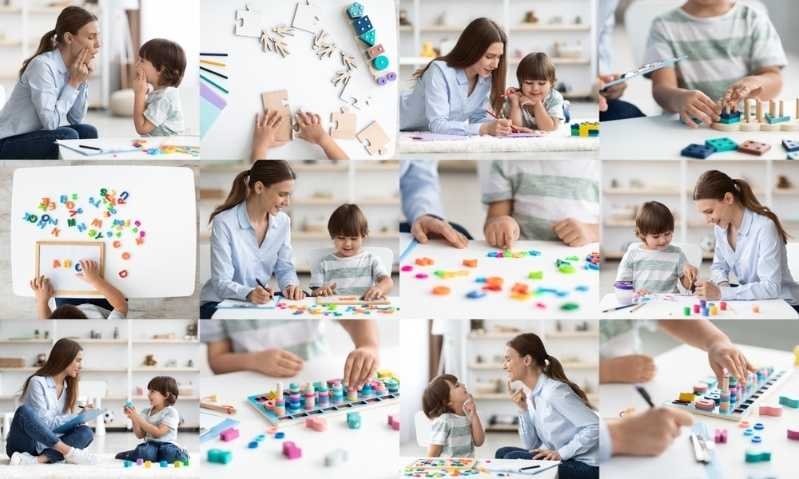
The way kids learn has changed a lot. In 2026, school time and playtime are not as separate as they used to be. This mix has led to a way of helping kids grow. Parents and teachers now know that to teach things, they should make it fun. When kids are having fun, their brains are better at remembering stuff and thinking critically. Kids learn better when they enjoy themselves. This is why fun and learning are now combined, and over time, fun, creative, and educational activities for kids have culminated in fruitful brain development and overall growth.In this article, we will discuss how to make learning an adventure. We will explore various educational activities for kids, highlight effective learning games, dive into creative learning strategies, and share study activities that offer true educational fun.What are Educational Activities for Kids?Educational activities for kids are fun learning experiences that help them gain skills. These activities can be full. Just somewhat organized. They teach kids things like reading, counting, and science. Kids do these activities at this age, often involving moving around and using technology at the same time. The main aim is to help kids learn by doing things themselves, not by memorizing facts. Kids learn by trying things, touching, and experimenting with educational activities. These activities help kids learn literacy, numeracy, and scientific inquiry.What is the Importance of Educational Fun in Kids' Development?Prioritizing educational fun is really important because it helps kids like learning from the start. When kids think that studying is boring, they might have a hard time learning for a long time. When we let kids learn through play, they become curious and learn to deal with tough situations. It shows them that problems are like puzzles they can solve, which is a great way to think. This way of thinking is important for kids to do well in the world today. Education is fun when kids get to play and learn at the same time, and education is what helps them learn and grow. Change and adapt to the new style and trend of future kids' learning, and let your kids grow to be bright kids. How Can Learning Games for Kids Improve Cognitive Skills?Learning games for kids are really helpful for parents. These games make it easy for kids to understand things that are hard to see.Math Bingo When using numbers, you use simple addition or subtraction problems. The kid has to solve the problem before they can mark their card.Scavenger Hunt Phonics You ask your kid to find things around the house that start with a sound. This helps them connect the sound to the letter.Coding Board Games In the future, kids will need to understand logic and how to apply it. There are board games that teach kids about "if" commands for moving a character, helping them learn about computer science without even using a computer.What are the Best Creative Learning Strategies?Creative learning helps kids show what they know through art, storytelling, and building. It uses senses, so information is processed in different brain areas.The "DIY Science Lab"Transform your kitchen into a laboratory. You can do experiments there. For example, you can make a baking-soda volcano. Grow salt crystals. These experiments teach you about chemistry and the scientific method. When the volcano erupts, it's a lot of fun. This makes learning about chemical reactions really memorable.Storytelling with Loose PartsGive your child things like stones, buttons, or blocks, which are called "parts," and ask them to make a scene from a book they are reading. This helps your child understand what they are reading. It helps them tell stories. When they make the scene, they have to explain what is happening and why the characters are doing what they are doing, which is really good for them.Suggest Effective Study Activities That Don't Feel Like WorkHomework can be really tough. If you make it into fun study activities, it can be something your child looks forward to every day.The "Teacher" Roleplay It is a great idea to keep kids engaged. Ask your child to teach you what they learned today. When your child explains something to you, they will really understand it themselves.Gamified Flashcards Use apps or cards to make a game out of it. See how many your child can answer correctly in sixty seconds. It is like a fun competition.Nature Journaling It is another idea, especially for biology or geography. Go outside with your child. Have them draw a picture of a leaf or keep a weather log for a week. This way, study activities are connected to the world, and that is really cool.How Does Play Impact Long-Term Kids' Development?Everything is connected to play, from learning to control emotions to mastering movements. When kids do activities, they get to practice working together, waiting for their turn, and figuring things out. In 2026, we think soft skills, such as communicating with others and adapting to situations, will be really important. These skills are best learned through playing games with others and doing projects, not just playing alone on a screen.Learn More: Unlocking the Benefits of Music Education for ChildrenConclusionRaising a kid who loves to learn is really about giving them things to do that make them happy. If you use games that teach kids things and let them be creative, every day is like a school day. It does not feel like school. If you want to find activities for your kids for school or help them grow, just remember that making learning fun is what works best. When kids play, they learn things. When they learn things by playing, they remember them forever. Learning is fun for kids when they get to do things they like, so kids who learn by playing are more likely to keep learning throughout their lives.FAQsHow Much "Educational" Screen Time is Okay for Kids?In 2026, experts suggest that teachers and parents focus on quality rather than quantity. Good interactive apps that help kids solve problems are better than watching videos. You should aim for a mix of learning and playtime. For every hour of learning, kids should have two hours of physical play.Can These Activities Be Done With Multiple Age Groups at Once?Yes! Activities, like building a cardboard fort or simply going on a nature walk, can be adjusted for ages and bring freshness and postivity among kids. A little kid can just name colors and shapes, while an older kid can figure out how big the fort is or what kind of tree they are looking at.What if My Child isn't Interested in a Specific Educational Activity?Don't push it. The goal is to go with what your child's interested in. If they like dinosaurs, you can use them to teach things like counting teeth for math. You can teach geography by showing them where dinosaurs lived. When they are excited about a topic, learning just happens naturally. They will learn math and geography easily if they love dinosaurs.

Top Self-Care Ideas For Kids To Build Healthy Habits

Children grow up in a world that's always busy with school, activities, and things that stimulate them. Kids need to learn and play. They also need time to slow down and take care of their feelings and bodies. When we teach children to take care of themselves when they're young, they become more confident and better at understanding their emotions, and they can handle tough situations. Introducing self-care ideas for kids can really help kids manage their lives and feelings. Self-care is not about sitting back and relaxing. It is also about learning to know what you are feeling, making habits, and finding a balance between being active and resting.When kids do self-care activities for kids every day, they start to understand that taking care of their feelings and bodies is important. These small things can help them make habits that are good for their mind and feelings. After a while, taking care of themselves becomes something that kids just do naturally; it does not feel like something they have to do. Parents and the people who take care of kids have a job in helping them make these good habits. When adults encourage kids to do things and be positive, they can help kids have good emotional health.What Are Self-Care Activities for Kids?Before we start talking about routines, let us talk about what self-care for kids means. Self-care for kids is about doing things that help kids relax, feel happy, and recharge. Self-care for kids can be really fun and creative. Kids like to draw, read books, or play outside because these things help kids express what they are feeling and get rid of stress. Other things that are good for self-care are habits, like going to bed on time, brushing their teeth, and talking about how they feel.Self-care: Developing self-care habits when kids are young helps them learn how to deal with stress in a good way. Kids learn to say "I need some time to myself" or "I am feeling really overwhelmed" without getting very upset. This way, kids can take care of their self-care. Be happy.Self-care helps kids recognize when they need rest, comfort, or quiet time. Emotional awareness is also important. When kids learn to notice their feelings and express them in a way, they build stronger emotional intelligence. This helps them make friends and do well in school. Handle everyday situations with more confidence.The important thing is that self-care should feel natural and supportive. It should help kids listen to their needs and choose activities that make them feel calm and happy. Self-care activities should make kids feel good and help them take care of themselves.Suggest Some Self-Care Ideas for KidsParents are always on the lookout for self-care ideas for kids that fit into daily routines. Self-care is not about spending lots of money or making plans. Simple things kids do every day can help them relax, feel more confident, and understand their feelings better. Kids benefit from things that let them be creative and move around. Think quietly. These experiences help them take a break from schedules and connect with their thoughts and feelings. These activities may seem simple, but practicing them regularly helps children build strong self-care habits that support emotional well-being and balance. Here are some simple self-care activities for kids that can help with daily routines:Self-Care Activities For Kids:Drawing or coloring: Helps children express emotions creativelyReading a favorite book: Encourages relaxation and imaginationSpending time outdoors: Supports physical activity and mental calmListening to music: Helps children relax and regulate emotionsTalking about feelings: Builds emotional awareness and confidenceWhy Does Self-Care Child Development Matters?Parents often look for self-care ideas for kids that they can easily add to their daily routines. The good thing is that self-care does not have to cost a lot of money or be complicated. Just doing things every day can help kids feel better, be more confident, and understand their feelings.Kids like doing things that let them be creative, move around, and think quietly. These things help them take a break from their lives and think about how they are feeling. Self-Care is very important for kids because it teaches them how to deal with their emotions. When kids learn to slow down and think about how they're feeling, they get better at taking care of themselves and growing as people.Kids who take care of themselves are usually better at dealing with situations and changes. For example, a kid who likes to draw or read after school might feel calmer and more focused when they start their homework or spend time with their family. Self-care is really good for kids because it helps them be more independent. When kids can pick what they want to do to relax, they learn how to take care of themselves.Self-care is also good because it helps kids feel more confident. When kids are talking about their feelings or picking things that help them relax, they start to know that their feelings matter. This helps them deal with their emotions and feel good about themselves. Kids who practice self-care get into habits that help them feel balanced and have good relationships with other people. Self-care helps kids in ways like feeling good about themselves and having good relationships with others, and it is all because of self-care.You May Like: How to Stimulate Your Child's MindHow Can Parents Encourage Self-Care Habits?Helping children develop strong self-care habits can allow the growth of small changes in daily routines. Parents and caregivers can create supportive environments where kids feel safe. Expressing their feelings and practicing calming activities.Create a Daily RoutineChildren feel more secure when they follow consistent routines. Activities like bedtime reading, quiet playtime, or relaxing after school help kids recognize when it is time to slow down and recharge.Encourage Emotional ExpressionTalking about feelings is an important part of self-care. When parents encourage children to share their thoughts and emotions, kids learn that expressing themselves is both safe and healthy.Allow Time for Play and RelaxationBusy schedules sometimes leave little space for rest. Allowing children to enjoy creative play, art activities, or outdoor time allows them to relax and refresh their minds.Support IndependenceAs children grow, they can begin choosing their own self-care activities. Giving them the freedom to decide how they relax helps build confidence and encourages responsibility for their well-being.ConclusionTeaching kids about self-care ideas is really good for them. It helps kids understand how they feel and makes them feel more confident. Doing things like playing with art, reading books, and talking about feelings is very helpful. When kids do these things, they learn what they need to be happy and healthy. If parents teach kids about self-care when they are young, kids will be able to take care of themselves when they're older. This helps kids grow up to be healthy and happy. Teaching self-care ideas for kids is very important for their awareness, confidence, and balance.FAQsAt What Age Should Children Start Learning Self-Care Habits?Children can begin learning simple self-care habits at an early age through routines like brushing teeth, playing quietly, and talking about feelings.How Does Self-Care Child Development Support Mental Health?Self-care helps children understand their emotions, manage stress, and develop confidence in handling everyday challenges.Can Self-Care Activities Improve Children's Behavior?Yes, regular self-care activities help children feel calmer and more balanced, which can improve focus, emotional control, and overall behavior.

Fun Indoor Tag Game Variations For Kids In Any Space

 Some days, kids have energy like a tiny tornado. Outside is raining. Or too hot. Or it is bedtime-adjacent and everyone's a little feral. That is when tag becomes the lifesaver game, because it is fast, flexible, and weirdly effective at burning energy without needing any fancy stuff.The trick is making tag work indoors without turning the living room into a wrestling ring. With the right setup and a few smart tweaks, tag becomes a safe, giggly, repeatable game that kids actually love. And adults can survive it. Win-win.This guide walks through fun tag variations, how to set them up, and what to do when the space is tiny. Like, "two steps and you hit a wall" tiny.Indoor Tag Game: Setup That Keeps It SafeBefore anyone starts sprinting, set the room up like a smart person.Here is a quick safety checklist:Clear the floor: toys, cords, small furniture, slippery rugsCreate boundaries: tape lines, couch edges, or "no-go" zonesPick a speed rule: "fast walk only" or "no running in corners"Choose safe tagging: light touch on shoulder or upper armAdd a stop signal: a clap, whistle, or the word "Freeze"One more thing. If kids are competitive, remind them that tag is not a chase scene from an action movie. It is more like a comedy. A silly one.Why Tag Works So Well IndoorsTag is simple. Everybody knows the idea. One person chases, other people run, someone gets tagged, roles switch. Done.Indoors, the magic is that tag can be adapted to fit:Different ages (toddlers to preteens)Different group sizes (2 kids or 20 students)Different spaces (hallways, basements, classrooms, small apartments)Different energy levels (full sprint or quiet sneaky tag)It also teaches a bunch of useful skills without anyone noticing: spatial awareness, listening, self-control, quick decision-making. And teamwork, if a variation includes "saving" or "freeing" players.Now let's get to the fun part. The variations.Classic Variations That Always WorkThese are the "start here" games. Easy rules, fast learning curve.Freeze Tag IndoorsOne tagger. If someone gets tagged, they freeze like a statue. To get unfrozen, another player has to tap their hand or shoulder.Make it harder by adding:A three-second "rescue count"A limit on rescues per personA "frozen zone" where statues must standThis version is great for groups because it keeps everyone involved. Also, the statues are hilarious.Shadow TagInstead of tagging someone's body, the tagger has to step on their shadow. Indoors, this works best with bright lights, a lamp, or a sunny window.It is calmer than regular tag, but still exciting. Kids start zig-zagging like little strategists.Color TagPick 3 to 6 colors that exist in the room: blue pillow, brown table, white wall, green chair. When the tagger calls "Green," everyone must touch something green before the tagger can tag them.This works especially well in classrooms and playrooms. It adds thinking. Also, it slows kids down in a good way.Fun Tag Variations Kids Beg To ReplayThese get a little more creative. Still easy, just more "wow" factor.Animal TagBefore the round starts, each player chooses an animal movement:Frog hopsCrab walkBear crawlPenguin waddleEveryone must move like their animal. The tagger too.Yes, it gets chaotic. But it is the fun kind of chaos. Also, it burns energy fast.Turtle TagEveryone moves in slow motion. The tagger is also slow. If someone breaks slow motion, they become the tagger. Kids hate losing, so they suddenly become masters of control.This is a perfect "indoor tag" option when the space is tight and adults are nervous.Secret Superpower TagEach player secretly picks a "power" that can be used once per round, like:5-second shield (cannot be tagged)One-time teleport (move to a safe zone)Freeze the tagger for 3 secondsKids love this because it feels like a game inside the game. And it adds surprise.Indoor Tag Game Rules That Keep Things FairNow the practical stuff, because tag can go off the rails if the rules are fuzzy.A simple rule set that works in most homes and classrooms:Tagger cannot tag the same person twice in a rowNo tagging on stairs or near sharp furnitureHands-only tag, gentle touchIf someone falls, everyone freezes until they are okay"Safe zone" can only be used for 5 secondsThese Indoor tag game rules help kids play longer without arguments. Because nothing ruins tag faster than, "You pushed me," followed by dramatic crying.Don't Miss Out: Life Skills Activities for Kids, A Simple Parent GuideIndoor Tag Game Ideas For Different SpacesNot every home has a big open room. Some people have a hallway and a prayer. That still works.Hallway TagPlayers can only move forward and backward. No passing. If the tagger blocks the hall, players have to retreat to a "base" at either end.This is more strategic and less wild sprinting. Great for narrow spaces.Corner Base TagPick two corners as bases. Players can rest in a base for 5 seconds, then must leave. The tagger cannot enter the base, but can guard the exit.It becomes a mini game of timing and bravery.Furniture Maze TagUse cushions, chairs, or tape lines to create a simple "maze" path. Players can only move along the path. If they step outside, they are automatically tagged.This is controlled movement, which adults love. Kids love it too because it feels like an obstacle course.Small Space Tag Games That Still Feel BigSmall spaces need rules that reduce speed and increase creativity. Here are the best ones.Sock TagEveryone wears a sock tucked into the waistband like a tail. Instead of tagging with hands, the tagger must grab the sock tail.This slows things down naturally. It is also ridiculously funny.Light Tap TagNo chasing across the room. The tagger can only take three steps before stopping. They must tag someone who comes near them. Kids learn to bait the tagger and dodge at the last second.It becomes more like a puzzle than a sprint race.Statue Swap TagWhen tagged, a player becomes a statue. The only way to rejoin is if another player swaps places with them by touching them and freezing in their spot for three seconds.This version is sneaky, cooperative, and perfect for tight areas. These Small Space Tag Games work because they create excitement without needing big movement.Easy Add-Ons That Make Tag Even BetterWant to level it up without buying anything? Try these.Add music: when music stops, everyone freezesAdd a timer: 2-minute rounds keep it freshAdd missions: touch three pillows before you can be taggedAdd "bases" that move: the base is wherever the tagger points nextAdd teams: two taggers vs everyone elseOne little trick: kids stay more engaged when rounds are short. It feels like they always get another chance.How To Handle Mixed Ages Without DramaIf a toddler and a ten-year-old are playing together, it can get unfair fast.Here are balancing ideas:Older kids must move in slow motionYounger kids get a "shield" every 30 secondsTaggers rotate every minuteUse role tag, where the older kid is the "helper" who frees statuesAlso, if someone is always the tagger, change the rule. Nobody wants that job forever. Even if they pretend they do.Read More: 5 Learning Toys That Teach Kids About Healthy FoodsConclusion: Common Problems And Quick FixesTag indoors is fun until it is not. These fixes help.Too loud? Switch to turtle tag or shadow tag.Too rough? Require "two-finger gentle tag."Too many arguments? Use a timer and rotate roles on schedule.Too fast for the room? Limit steps or require walking only.Someone keeps hiding? Make a rule: no staying still longer than five seconds.It does not need to be perfect. Just playable.FAQs1. How Many Kids Do You Need For An Indoor Tag Game?Two is enough. With three or more, it gets more exciting because players can help, distract, or rescue each other.2. What Are The Best Indoor Tag Game Ideas For A Classroom?Freeze tag, color tag, and turtle tag work well because they keep movement controlled and rules easy to follow for larger groups.3. How Do You Keep Indoor Tag Safe In A Small Living Room?Clear the floor, set boundaries, require gentle hands-only tagging, and choose slow-motion or limited-step versions to reduce collisions.

7 Best Healthy Indoor for Activities That Kids Actually Love

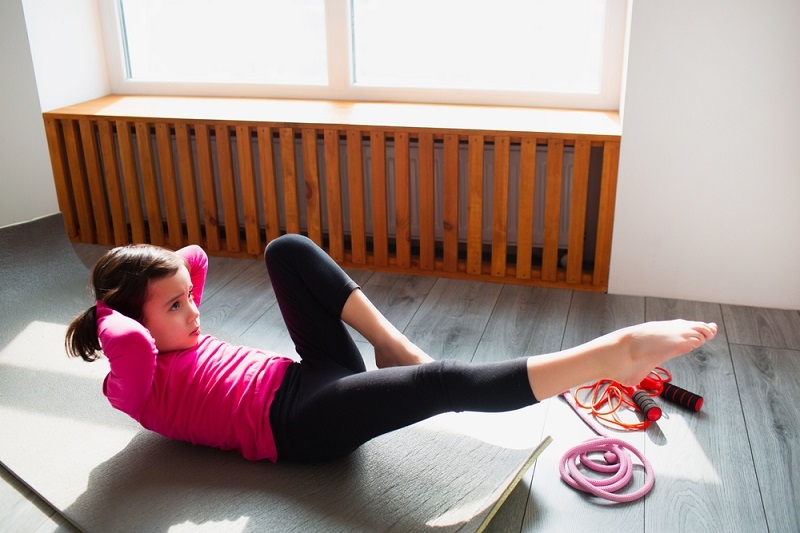
 Indoor healthy activities for kids are very important because they help children to stay physically active and healthy inside the home. You will notice that these activities help children to do regular movement and build steady energy even without stepping out of the home.In this blog, you will learn the importance of indoor activities and how to choose the right activities for kids. It will also explain their benefits and list things that parents must know about daily indoor movement.Must Read: Life Skills Activities for Kids, A Simple Parent GuideUnderstanding the Importance of Indoor Healthy Activities for KidsIndoor healthy activities for kids play a key role in daily physical movement. When children stay indoors for long hours, their bodies still need regular motion. Without movement, energy builds up and focus drops. Indoor routines help manage this in a simple and safe way.Movement inside the home supports muscle use, balance, and posture. It also helps children understand how their body moves in space. Over time, this improves control and coordination without stress or pressure.Indoor activity also supports mental balance. Children who move regularly tend to feel calmer. They are better able to sit, listen, and sleep well at night. These changes may feel small at first, but they matter over time.Another important part is routine. When indoor movement happens daily, children stop seeing it as a task. It becomes part of normal life. This makes healthy habits easier to maintain without forcing or reminders.How to Find the Right Indoor Exercise for Children: Step-by-StepChoosing the right routine is about understanding the child and the home environment. These steps help parents plan simple and effective indoor movement sessions.1. Observe Daily Energy LevelsChildren show different energy patterns each day. Some move more in the morning. Others feel active later. Watching these patterns helps parents plan indoor exercise for children at the right time, which improves participation.2. Match Activities With SpaceNot every home has open space. Activities should fit the available area. Smaller rooms need slower movements. This keeps children safe and comfortable during activity time.3. Keep Instructions ShortChildren understand best when instructions are clear and brief. One action at a time works well. Simple directions help children focus and complete movements correctly.4. Balance Movement and RestLong sessions can feel tiring. Short activity periods with breaks work better. This keeps children active without losing interest or feeling overwhelmed.5. Stay Flexible Each DayYou will notice that children feel tired or distracted on some days. On those days, lighter routines work better. Adjusting activities helps maintain consistency without pressure.5 Fun Indoor Games for KidsIndoor games help children move while staying engaged. These games are easy to follow and work well inside the home.1. Simon SaysSimon Says helps children listen carefully while moving. They follow actions only when the instruction is correct. This supports attention and controlled movement.2. Freeze DanceFreeze Dance allows children to move freely until the music stops. Freezing in place builds balance and control. The game keeps energy levels steady.3. Indoor TagIndoor Tag uses clear movement limits. Children move carefully and avoid rough play. This supports quick movement while keeping safety in mind.4. Jump-in-Place ChallengesJumping in one spot supports leg strength and body balance. Counting jumps keeps children involved. This works well in a limited space.5. Animal WalksAnimal walks ask children to move like animals. Crawling or hopping helps coordination. The movements stay simple and controlled.These fun indoor games for kids help children stay active without turning activity into a chore.Benefits of No-Equipment Kids ActivitiesSimple routines without tools allow movement to happen easily. These benefits explain why such activities work well indoors.1. Quick and Easy StartNo-equipment kids' activities need no preparation. Children can begin right away. This supports routine flow and reduces delays.2. Better Movement AwarenessChildren focus on their bodies instead of objects. This improves balance and posture. It also helps them move with more control.3. Lower Safety RisksWithout equipment, fewer accidents happen. Children move freely without worrying about objects around them.4. Builds IndependenceChildren can repeat activities alone. This builds confidence and encourages self-directed movement.5. Supports Daily HabitsSimple routines are easier to repeat. No-equipment kids' activities fit easily into daily schedules and support long-term consistency.Top Pick: Top Backyard Games for Kids: Fun Outdoor Play Ideas 20255 Top Active Play Ideas Indoors That Parents Must ConsiderActive play helps children stay engaged while moving. These ideas work well inside the home.1. Simple Movement CircuitsShort movement paths help children follow steps. Circuits support focus and steady movement without confusion.2. Balance PracticeStanding on one foot or slow walking improves stability. Balance work supports body control and calm movement.3. Stretching SessionsStretching helps flexibility and relaxation. Guided stretches keep children active while slowing the pace.4. Rhythm-Based MovementClapping and stepping support coordination. Rhythm activities help children stay focused and follow patterns.5. Guided Action PlayParents describe actions for children to perform. This keeps movement structured while supporting active play ideas indoors.Things You Should Consider for Your Child's Physical Play at HomePlanning indoor movement needs attention to safety and comfort. These points help parents create supportive routines.1. Safe and Clear FloorsFloors should not be slippery. Removing obstacles helps children move freely and safely.2. Comfortable ClothingClothes should allow easy movement. Comfortable clothing supports better participation during activity time.3. Clear Play BoundariesDefined spaces help children understand limits. This keeps activities organized and safe.4. Consistent TimingRegular timing helps children expect activity time. Physical play at home works best with a daily routine.5. Encourage Without PressurePositive words build confidence. Encouragement helps children enjoy physical play at home without stress.ConclusionIndoor healthy activities for kids support movement, focus, and balance at home. Simple routines make daily activities easy to follow. With steady planning, indoor movement becomes a natural part of everyday life.Frequently Asked QuestionsWhy are indoor healthy activities for kids important?They support daily movement and help manage energy levels indoors.How does indoor exercise for children help focus?Regular movement helps children stay calm and attentive.Are fun indoor games for kids safe indoors?Yes, it is safe for children because the boundaries and rules are clear to them.

Life Skills Activities for Kids, A Simple Parent Guide

 Kids understand more when they try things themselves. They learn faster when they touch, sort, fix, move, repeat and ask questions. This is why life skills matter at an early age. These skills shape the way they handle daily tasks, friendships, school work and simple decisions. You help them grow when you introduce life skills activities for kids in a natural way.Many parents ask what are life skills. The answer is simple. Life skills are basic abilities that help kids deal with everyday situations. These include communication, problem solving, self care, time sense, safety awareness and emotional awareness. Kids use these skills for the rest of their lives. They also gain confidence when they practice them through direct experience.Below is a practical guide that explains life skills activities for kids and how to use them at home. Each idea is simple, realistic and easy to add to daily routines. No extra setup or fancy tools.Life Skills Activities for Kids That Work at HomeThis section covers life skills activities for kids using the primary keyword. These activities are simple and fit into your regular day. They help kids learn without pressure. You do not need long lessons. You only need small tasks that repeat often.Life skills activities for kids work best when you stay patient and let them try. Kids notice progress over time. They start taking ownership of small tasks. Daily routines get smoother. Their confidence grows.Here are some practical ideas you can use at home.Simple Food PrepFood prep teaches kids how to follow steps, stay organized and stay alert. You can start with light tasks. Washing fruits. Stirring a bowl. Spreading sauce. Filling water bottles. Kids feel involved because the result is visible. These moments strengthen basic life skills for kids.This activity also shows them how to handle food safely. They learn timing, patience and basic kitchen rules. These are strong life skills activities that stay useful for years.Sorting Toys and ClothesSorting teaches structure and attention. Ask your child to group toys by function or size. Ask them to place clothes into simple piles. These skills for life activities build clear thinking. Kids understand order when they handle things themselves.Organizing items is a form of problem solving. Children figure out where things go. They make fast decisions. This is an easy way to build strong life skills.Dressing and Self-CareKids become more confident when they handle their own grooming. Picking clothes. Folding basic items. Brushing hair. Wiping their face. These actions teach responsibility.Life skills for kids start with small routines. Morning and evening habits set a strong base. These tasks build independence. You also save time because children learn to handle things without constant reminders.Money Basics for Young KidsMoney lessons do not need real money. Start with pretend notes. Allow small counting tasks. Let them pick one snack with a budget. These actions show value and decision-making. They understand that choices matter.Money-based life skills activities help kids plan better. They learn simple math without pressure. It also teaches patience because they wait before spending.Cleaning Up After ActivitiesCleaning is a core part of life skills activities. Kids learn ownership when they clean their space. Ask them to put markers away after drawing. Let them return blocks to their shelf. The task is simple, but the habit stays strong.These skills for life activities also reduce clutter. Kids feel more settled in a tidy space. Their focus improves.Basic Household TasksKids learn through actions. Watering plants. Feeding pets. Folding napkins. Wiping a small table. These simple tasks help them understand responsibility. They feel included in family routines.Life skills for kids become stronger when they repeat tasks daily. You do not need perfect results. You only need consistent participation.Communication PracticeCommunication is one of the strongest life skills. Try picture cards or question games. Ask your child to explain a scene or tell what happened at school. These small conversations build clarity.Communication based life skills activities for kids help them express feelings better. They understand tone. They learn how to listen.Time Sense and Simple RoutinesTime skills grow slowly. You can use picture routines for younger kids. For older kids, use a simple clock or a mobile timer. Keep the routine clear. Morning tasks. Study time. Bedtime tasks.These life skills activities help kids stay organized. They know what comes next. It reduces stress for both of you.Outdoor ActivitiesOutdoor play helps with balance, strength and quick decision making. Create small tasks. Hop sequences. Ball passing. Short races. These tasks sharpen focus.Outdoor life skills activities for kids teach teamwork. Kids learn patience. They learn how to try again after small setbacks.Problem-Solving TasksProblem solving is a core part of life skills. Ask your child to figure out how to fit toys into a box. Let them guess the right container for food. Ask them what they need to pack for a simple outing. These tasks strengthen planning.Skills for life activities like these help kids think clearly. They learn to test ideas. They learn from mistakes.Also check: Top Choices of Food For Brain Development Of 6 Month BabyWhat Are Skill-Based Life ActivitiesParents often ask what skill-based life activities are. These are tasks that help kids learn by doing. You do not explain everything. You let them try and observe. They learn cause and effect. They understand routines.Skill based learning uses direct experience. Kids pick up life skills faster when they handle real tasks. These tasks prepare them for school and social settings. Skill based life activities are more effective than long explanations because children learn through action.What Are Life Skills and Why Kids Need Them EarlyMany parents still ask what are life skills in simple language. Life skills are abilities that help kids deal with daily situations. These include communication, decision making, emotional awareness, hygiene, time sense and safety awareness. Kids use these skills for the rest of their lives.Life skills for kids also support academic learning. Kids who manage tasks well stay calmer. They handle school routines with more ease. They follow instructions better because they already practice similar actions at home.How Parents Can Encourage Life Skills at HomeLife skills grow when parents stay consistent. You do not need strict rules. You only need small daily tasks. Let kids try first. Support them only when needed. Give praise for effort. Keep routines simple.Here are some ways to support skill based learning.Let them make choices.Let them repeat tasks daily.Let them handle small mistakes.Keep instructions short.Avoid taking over the task unless it becomes unsafe.Life skills activities for kids stay strong when kids feel trusted. They learn faster when the environment supports independence.Don't Miss: Etiquette Essentials: Nurturing Manners from Childhood LevelFinal ThoughtsLife skills shape how kids handle the world. Simple tasks make a strong impact. You guide them, but they learn through action. When life skills activities become part of daily life, kids grow confident. They learn structure, communication and emotional balance. They become more prepared for school and future responsibilities.

Stay in the Loop