Raising Kids


Sibling Rivalry: Understanding and Managing Fights in Kids

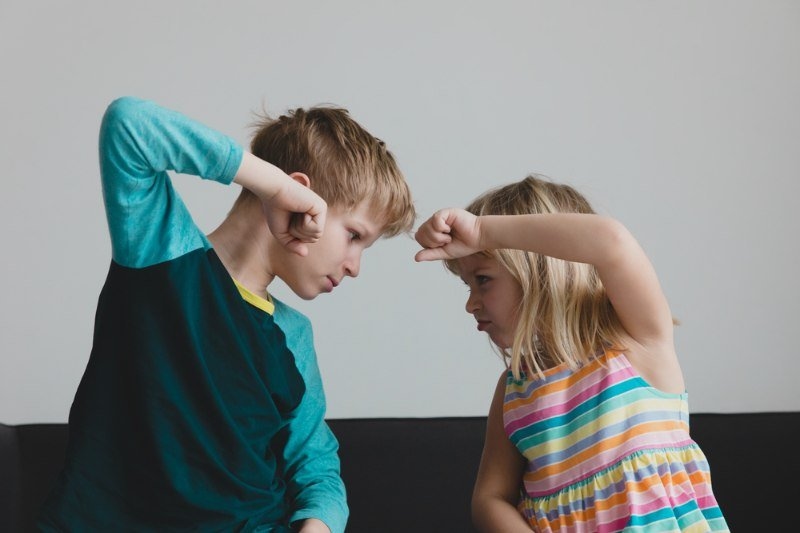
Key TakeawaysIt is perfectly normal for siblings to have their struggles, and these often begin in utero.Most day-to-day sibling conflict is due to jealousy, boredom, and competing for attention.Do not be the referee for all the conflicts-back off and let the children learn to resolve them.It's not lectures that help sibling rivalry; it's the little things, such as spending time with one sibling.Professional help matters only when fighting turns dangerous, constant, or genuinely hurtful.If you've ever separated two screaming kids over a plastic dinosaur, you already know what sibling rivalry feels like. It's loud, it's draining, and it makes you wonder if you're somehow getting parenting wrong. You're not. This is one of the most ordinary struggles families deal with, and once you understand what's actually driving it, the fighting starts to feel a lot less overwhelming.What is Sibling Rivalry?Sibling rivalry is the jealousy, competition, and everyday friction that pops up between brothers and sisters. Oddly enough, it can start before the younger sibling is even born, once an older child senses that attention is about to shift. From there, it tends to stick around in different forms as kids grow, from toy disputes at three to arguments over the TV remote at thirteen.Why it Starts so Early?Even a baby who can barely sit up changes the whole rhythm of a household. Older kids feel that shift immediately, long before they have words for it. That quiet sense of "things are different now" is often where sibling rivalry actually begins, not the first fight itself.Why do Siblings Fight?Ask any parent, and they'll tell you the reasons seem to change daily-a toy, a seat, a look across the dinner table. Underneath it all, jealousy, boredom, and a nagging sense of unfairness usually drive the fighting. Once you spot the real trigger, it's much easier to respond calmly instead of just breaking things up on autopilot.1. Changing Developmental NeedsA toddler will defend a toy like it's the last one on earth, simply because sharing hasn't clicked yet. A little later, kids get obsessed with fairness, and "that's not fair" becomes a daily phrase. Teenagers, meanwhile, just want some space, so being asked to watch a sibling can feel like an imposition.2. Individual TemperamentsPut a chilled-out kid next to an intense one, and sparks are almost guaranteed. Neither personality is the problem-it's the mismatch. This kind of clash doesn't mean something's wrong with your family; it just means two very different people are sharing one house.3. Parents as Role ModelsKids notice more than we'd like to admit, especially how we handle our own disagreements. Stay calm during conflict, and they'll copy that. Slam a door or raise your voice too often, though, and don't be surprised when that shows up in their own fights.How to Handle Sibling Rivalry?There's no single right answer for how to handle sibling rivalry, but there is a decent rule of thumb: intervene less than you think you need to. Jumping in every time actually slows down the skills kids need to sort things out themselves. The real goal isn't silence-it's raising kids who can eventually negotiate a fair outcome on their own.SituationSuggested ApproachVerbal arguing, no dangerLet them work it out themselvesName-calling or unkind languageCoach better words, don't fully step inPhysical safety at riskSeparate them right awayRepeated fights over one itemSet up a shared schedule or rotationOngoing tension between two kidsHold a short family meeting to resetDon't Rush to Assign BlameIt's tempting to play detective and figure out who "started it," but honestly, it rarely helps. Most fights involve two willing participants, whatever the story sounds like afterward. You'll get further by nudging both kids toward a fix instead of hunting for a guilty party.How to Stop Siblings Fighting?Everyone wants the one trick for how to stop siblings fighting, but truthfully, it's less about tricks and more about repetition. Small habits practiced for weeks beat any dramatic one-off conversation. Here's what actually tends to move the needle in real households, not just in theory.Set ground rules together. Let the kids help decide what's off-limits-no hitting, no name-calling, no slamming doors mid-argument.Give one-on-one time often. Even fifteen quiet minutes with each child can quietly dissolve a lot of jealousy-fueled conflict.Skip the comparisons. "Why can't you be more like your sister?" feels harmless in the moment but breeds resentment fast.Protect some separate space. Kids fight less when they have at least a few things-toys, time, corners of the house - that stay just theirs.Do something fun together. A shared laugh over a game or a movie builds goodwill that carries into the next disagreement.If you're working on calmer responses in general, it's worth pairing these habits with the approach in this guide on disciplining kids without yelling-the two go hand in hand.Sibling Conflict vs. Everyday DisagreementNot every squabble deserves the label "sibling conflict" in the worrying sense. Kids negotiate, push back, and bicker as a totally normal part of sharing a house and, often, a bedroom. What actually matters is how intense it gets, how often it happens, and whether the relationship still feels warm outside of the arguments.1. Signs it's Still HealthyIf two kids are back to playing together twenty minutes after a blowup, that's a good sign, not a red flag. Quick recovery, the occasional team-up, and real moments of affection all point to a relationship that's fundamentally fine, even with plenty of noise along the way.2. Signs it Needs AttentionCruelty that doesn't let up, physical aggression, or one child constantly steamrolling the other-that's a different story. When sibling conflict starts chipping away at confidence, sleep, or how a kid does at school, it's time to pay closer attention.Helping kids see setbacks as things they can work through, rather than personal failures, makes a real difference here too. That mindset shift is explored well in this piece on building a growth mindset in kids, and it quietly lowers the defensiveness that fuels a lot of fights.When Should Parents Get Professional Help?Most sibling rivalry sorts itself out with time, patience, and a bit of routine. That said, it's worth reaching out for professional support if fighting becomes genuinely unsafe, chips away at a child's self-worth, or throws the whole household off balance. A pediatrician or family therapist can offer real guidance when things feel bigger than the usual bickering.As far as I'm concerned, sibling rivalry is nothing that a parent should feel bad about; it's just part of being a parent to more than one child. Some consistency, a bit of patience, and extra one-on-one time make a lot of difference. What kids need most through all of it is to feel equally seen, loved, and safe at home.FAQsIs sibling rivalry normal in every family?Yes, it's there in many homes that have more than one child. It is a normal part of growing up to be jealous of and a little competitive about a baby sibling, a change of school, or a sudden increase in independence.At what age is sibling rivalry the worst?It is highest in toddlerhood and school-age years when fairness is a life-or-death proposition. It looks different for teens, and can be expressed in isolation or as resentment about household duties instead of noisy arguments.Is it always the parent's responsibility to intervene in siblings' conflicts?Not really. You don't want to intervene every time because you don't want kids to learn to figure things out for themselves. Only intervene when there is actual physical danger; coach quietly otherwise.Does sibling rivalry have an impact on a child's self-esteem?It can, particularly if one child is blamed more often or is compared negatively to another sibling. Providing individual time and no comparisons make a huge difference in preserving any sense of self in children.What is the effect of birth order on sibling rivalry?Somewhat: The oldest children might feel out of place by a new arrival; younger children might feel overshadowed. However, birth order is rarely as significant as temperament and parent reactions to conflict. 

Parents' Guide to Teaching Emotional Regulation in Children

Key TakeawaysEmotional regulation for kids isn't something they're born with-it's learned through practice.Naming a feeling out loud usually calms a child faster than distracting them from it.Emotional regulation in preschoolers looks messy and inconsistent, and that's actually normal.Small, playful emotional regulation activities for kids stick better than formal lessons ever do.Your own reactions as a parent teach more than any of these tips combined.Every parent knows the moment. A snack gets denied, a toy breaks, or a sibling touches something they shouldn't-and suddenly you're in the middle of full-blown chaos. Emotional regulation for kids is the skill that helps them get through those moments without falling apart every single time. It won't happen overnight, but there's a lot you can do to speed things along. Here's what that actually looks like in real life.What is Emotional Regulation for Kids?At its core, emotional regulation for kids just means noticing a feeling and finding a way to handle it without throwing a shoe across the room. It's not about being calm all the time-no kid manages that. It's more about giving them the tools to ride out the wave instead of drowning in it, and that takes time to build.Why Does Emotional Regulation Matter So Much?Kids who never quite learn this tend to struggle more-whether that's melting down at school, clashing with friends, or having a harder time at home. On the flip side, kids with stronger regulation skills usually handle transitions better and butt heads with parents less often. If you're also dealing with things like defiance or tantrums on a regular basis, our roundup of everyday parenting and behavior topics digs into that a bit more.How to Teach Emotional Regulation Step by Step?Figuring out how to teach emotional regulation doesn't require a curriculum or a special program. It's really about small habits repeated over and over until they stick-none of this happens in one conversation, so don't expect it to.Name the Feeling FirstBefore you try to fix anything, just say what you're seeing. Something like "You look really frustrated right now" gives your kid words for a feeling that probably feels huge and confusing to them-and eventually, they'll start naming it themselves.Model Calm Reactions YourselfThis one's uncomfortable to admit, but kids copy us way more than they listen to us. If you lose it every time you're stressed, don't be surprised when they do too. Try narrating your own calm-down moments out loud-even something as simple as "I'm going to take a breath first."Practice Calming Tools Before a MeltdownDon't wait until your kid is mid-tantrum to introduce a breathing trick. Practice it on a boring Tuesday afternoon when nobody's upset. That way, when things do get heated, the tool already feels familiar-not like one more thing being thrown at them.Also Read: Family Traditions That Build Stronger Parent-Child BondsEmotional Regulation Strategies for Kids That Actually WorkDifferent kids respond to different things, so it helps to have a few emotional regulation strategies for kids on hand-not just one go-to move.StrategyBest ForHow It HelpsFeelings check-in chartAges 3 to 7Gives kids visual words for emotionsDeep breathing routineAll agesSlows down the body's stress responseQuiet corner with comfort itemsToddlers and preschoolersA safe spot to reset without pressureProblem-solving talkSchool-age kidsBuilds calmer thinking after the storm passesYou don't need to use all of these. Picking two that fit your kid and sticking with them usually beats switching strategies every week.What Does Emotional Regulation in Preschoolers Look Like?Let's be honest-emotional regulation in preschoolers is a work in progress most days. A four-year-old might still fall apart over the wrong-colored cup, even after weeks of practice. Their brains just aren't fully wired for self-control yet-that's biology, not a parenting failure. Short, simple phrases work far better here than any kind of lengthy explanation, especially mid-meltdown.Fun Emotional Regulation Activities for Kids to Try at HomeKids learn through play way more than they learn through being told something. These emotional regulation activities for kids sneak the lesson in without it feeling like one.Feelings charades, where they act out an emotion, and everyone guessesA glitter calm-down jar to shake and watch while breathing slowsTalking through how a character in their favorite book might be feelingSlow breathing paired with a stuffed animal rising and falling on their bellyDrawing a feeling instead of trying to explain it out loudIf your kid enjoys games that make them think and pause before reacting, that spills over into regulation too-our list of fun decision-making games for kids pairs nicely with this list.When Should Parents Seek Extra Support?Most meltdowns are just part of growing up, annoying as they are. But if the outbursts are constant, intense, or making everyday life genuinely hard, it's worth bringing up with your pediatrician. Resources like the Child Mind Institute also offer solid, research-backed guidance if you want to dig deeper.Frequently Asked QuestionsAt what age should emotional regulation skills start developing?Basic self-soothing starts around age two, but real regulation takes shape between three and seven. It keeps developing gradually through childhood-and steady, patient support from caregivers makes the biggest difference over time.How long does it take to see progress in a child's regulation skills?It really depends on the kid-some parents notice small changes within weeks of consistent practice. Full mastery, though, takes years, since these skills keep developing well into the teenage years and beyond.Can emotional regulation strategies for kids work for children with ADHD?Yes, though they usually need more repetition and visual cues to click. Breaking things into smaller steps and pairing them with predictable routines tends to work better for kids who struggle with attention.Is it normal for regulation skills to regress during stressful periods?Completely normal-illness, big changes, or family stress can send kids right back to old coping habits for a while. Staying patient and getting back to routine usually helps them find their footing again.Should schools be involved in teaching emotional regulation for kids?A lot of schools already weave social-emotional learning into the day, which reinforces what's happening at home. Keeping communication open between parents and teachers just makes the whole approach more consistent for the kid.

Helicopter Parenting Explained: Signs, Effects, and Fixes

 Key TakeawaysHelicopter parenting basically means hovering over your child's daily life and micromanaging most of it.It usually comes from a good place: love, worry, or maybe even pressure to look like you've got it all together.Think rewriting homework, picking every extracurricular, or texting your teen nonstop to check in.Over time, kids can end up with low self-esteem, shaky coping skills, and more anxiety than they should have.Little things help, like letting your kid mess up sometimes and actually listening when they're upset.The sooner you notice the pattern in yourself, the easier it is to start doing things a bit differently.Helicopter Parenting Signs, Examples, and Effects Every Parent Should KnowMost parents just want their kids to be okay. Safe, happy, doing well at school, not getting hurt. That instinct is a good one, but sometimes it goes a step too far and turns into what people call helicopter parenting, where hovering quietly takes the place of trust.Here's a closer look at what this parenting style actually looks like, how it shows up at different ages, and what it can mean for a child down the road. We'll also cover a few practical ways to ease off without feeling like you're giving up on your kid.What Is Helicopter Parenting?At its core, helicopter parenting is when a parent hovers over nearly every part of their child's life. It's more than keeping an eye on things. It's stepping in, again and again, in places a child could probably handle on their own.Parents who fall into this pattern usually worry a lot. About their kid being left out. About a bad grade. About a fall on the playground. That worry, understandable as it is, can push them to jump in before their child even has a chance to try.The name fits pretty well if you think about it. Like an actual helicopter, these parents circle close overhead, ready to swoop down at the first sign of trouble.Almost none of this comes from a bad place. Most parents genuinely just want to protect their kids from the same struggles they went through. But too much of it can quietly get in the way of a child figuring things out for themselves.Kids who grow up this way sometimes start expecting someone else to fix every problem. That habit can follow them well past childhood, making everyday independence feel unfamiliar later on.Helicopter Parenting Examples by AgeWhat helicopter parenting looks like really depends on how old the child is. Once you know the patterns, it's a lot easier to spot in your own home, even in small everyday moments.Young ChildrenFor toddlers and preschoolers, this often shows up as choosing exactly which toys they play with or hovering during cleanup instead of letting them muddle through it themselves.It seems harmless, but even small kids benefit from a little struggle. Letting a toddler wrestle with a puzzle piece or clean up a spill teaches patience in a way that stepping in never will.Middle SchoolersOnce kids hit middle school, this pattern tends to shift toward homework and projects. Some parents end up rewriting assignments, emailing teachers constantly, or basically taking over group work entirely.Others jump into every little social hiccup too, smoothing over disagreements with classmates before the kid even gets a chance to work it out on their own.Teens and Young AdultsWith teenagers, helicopter parenting often looks like text after text throughout the school day, or a location app checked way more than it needs to be. Some parents even take the lead on college applications or job searches, treating them like a joint project rather than the teen's own.This kind of hovering doesn't always stop at eighteen either. It's sometimes called lawnmower parenting when it stretches into early adulthood, clearing every obstacle before a young adult even sees it coming.Age GroupCommon BehaviorYoung childrenDirecting playtime and cleanupMiddle schoolersManaging school projects and gradesTeens and young adultsFrequent check-ins and decision-makingWhat Causes Helicopter Parenting?There's rarely just one reason a parent ends up hovering. Love and fear are usually mixed together somewhere at the root of it.Some parents bring their own anxiety into the mix, always bracing for the worst possible outcome. Others grew up with parents who weren't very present and end up overcorrecting, wanting to give their own kids more than they got.Comparing yourself to other parents doesn't help either. Feeling judged, even quietly, by other families can push someone to be far more controlling than they'd ever planned on being.And sometimes, if we're being honest, it's tangled up with image. A child's report card or trophy shelf can start to feel like a reflection on the parent, which adds a whole extra layer of pressure to control how things turn out.Must Try: Child Development Stages From Toddler To ChildhoodHelicopter Parenting Effects on ChildrenThe effects of helicopter parenting don't usually show up right away. They tend to surface later, often once a child hits a real challenge outside the house. A lot of mental health professionals point out that this style tends to backfire in the long run.Kids who've been closely managed for years often struggle to trust their own judgment. Instead of learning from the small stuff- a missed shot, a low quiz score- they can end up afraid of messing up at all.A few effects that tend to come up again and again include the following.Difficulty making decisions without checking with someone else firstLower self-esteem, especially after a setback or perceived failureWeak coping skills when dealing with conflict or disappointmentA sense of self that's tied too closely to achievementHigher rates of anxiety and low mood during the teen yearsTrouble figuring out their own interests, separate from what parents wantA harder time speaking up for themselves in social situationsNone of this means a parent has done everything wrong. It just shows why balance matters, especially as kids get older and start needing more room to stand on their own.How to Stop Helicopter ParentingEasing off doesn't happen overnight, and honestly, it isn't supposed to. Small, steady changes usually work better than trying to flip a switch, and they tend to stick.Take care of yourself first: A calmer parent tends to find it easier to loosen the grip a little.Let your kid fail once in a while: A missed deadline or a lost game teaches more than a last-minute rescue ever could.Ask people close to you for honest input: Friends or teachers often notice things you can't see from the inside.Say sorry when you overstep: Most kids are pretty forgiving once they hear you actually meant well.Talk with them, and really listen: Just hearing your kid out, without jumping to fix things, builds a lot of trust.Hand over age-appropriate responsibility: Chores and small decisions give kids a safe way to practice being independent.None of this needs to happen all at once. Even one small shift can start to make a real difference.Wrapping UpMost of the time, helicopter parenting comes from a genuinely good place. Parents love their kids and worry about their future, and that worry can turn into hovering without anyone really meaning for it to.Just noticing the pattern early makes a big difference. It lets you keep supporting your child without doing every single thing for them.Honestly, a bit more trust and patience does more for a kid's confidence than constant supervision ever will. Stepping back doesn't mean stepping away. It just means giving your kid the room they need to figure themselves out.Also Read: How Can You Build a Growth Mindset for Kids in 2026?FAQsWhat are some common helicopter parenting examples?Rewriting a kid's homework for them, calling a teenager several times a day, or handling their whole college application process are pretty typical. Basically, the parent ends up making decisions the child should be making themselves.What are the long-term effects of helicopter parenting?Kids might grow up with lower self-esteem and sort of weaker coping abilities, plus a lot more anxiety overall. Some of them also find it hard to choose things by themselves, and they link their self-worth way too closely to what they managed to achieve, and it sticks.Can helicopter parenting actually harm a child's mental health?Yeah, it can. Studies have connected too much parental control with higher anxiety and stress in kids. It also tends to chip away at emotional resilience, so setbacks later in life hit a lot harder than they need to.How can parents actually stop helicopter parenting habits?A good place to start is managing your own stress and letting your kid fail once in a while without swooping in. Talking openly and actually validating how they feel goes a long way toward rebuilding trust over time.

Family Traditions That Build Stronger Parent-Child Bonds

 Every family has that one thing. Maybe it's pancakes on Saturday morning, a bedtime story that never changes even though your kid could probably recite it word for word, or a silly handshake at the front door before school. These little repeated moments are family traditions, and they matter more than most parents realize. They're not just nice memories in the making. They teach kids, in a quiet and steady way, that home is a safe place to come back to, no matter what kind of day they've had.This article looks at why family traditions matter, what a genuinely healthy parent-child relationship looks like on an ordinary day, and a few simple family bonding activities you can try starting tonight, not someday, tonight.Key TakeawaysFamily traditions give kids a sense of safety and belonging that's hard to build any other way.Small, repeated rituals tend to work better than big, rare events.A healthy parent-child relationship shows up in ordinary daily moments, not just special occasions.Simple traditions for kids, like mealtime chats or weekend routines, build trust over time.Kids stick with traditions longer when they get a say in choosing them.Why Do Family Traditions Matter?Kids like knowing what's coming next. The same Friday movie night or birthday breakfast tells them what to expect. That predictability lowers anxiety, even if they can't put it into words. The message underneath it all: you're part of this family, and that doesn't change.Traditions build identityThey give a family something that belongs only to them.Having an "our thing" makes kids feel part of something bigger than themselves.Ask adults about their fondest childhood memories, and it's rarely the big yearly vacation.It's usually something small and repeated, something that felt ordinary at the time.That's why an old song or a familiar smell can suddenly bring back memories from decades ago.The brain holds onto these warm, repeated moments longer than almost anything else.Keep it simpleYou don't need anything fancy.The fancier it gets, the more likely it falls apart within a month.A weekly game night, a road trip playlist, a way you celebrate good grades. If it's yours and it repeats, it counts.Must Try: Child Development Stages From Toddler To ChildhooWhat Are the Signs of a Healthy Parent-Child Relationship?Traditions work best when there's already some trust underneath them. So what does that trust actually look like on a regular Tuesday, not a holiday, just a normal Tuesday after school? Here are some real signs of a healthy parent-child relationship:Your child feels okay telling you when something went wrong, not just when things are going well.Rules exist, stay consistent, and are enforced calmly rather than out of frustration or exhaustion.Hugs, praise, and "I love you" happen often, not just on special occasions or after good grades.After an argument, you actually talk it through instead of letting it sit unresolved for days.You ask about their day and genuinely listen, instead of just nodding while thinking about dinner.You have a few shared rituals that both of you quietly look forward to, even if neither of you says so out loud.If discipline in your house has started to feel like a daily battle of wills, it might be worth stepping back and rethinking your approach. Calmer, more consistent strategies tend to build far more trust over time than yelling ever does, even when they take longer to show results.Simple Family Bonding Activities to Try This WeekYou don't need a free weekend or a big budget for any of this. Small, regular family bonding activities usually beat the occasional big outing, mostly because they happen often enough to actually become part of your family's routine instead of a once-a-year event everyone half remembers.ActivityTime NeededWhy It WorksFamily dinner, phones away20-30 min/dayBuilds daily connection and real conversationWeekend pancake breakfast30 min/weekA cozy, predictable ritual kids look forward to"Best part, worst part" bedtime chat5-10 min/dayOpens the door to honest conversationGame or movie night1 hour/weekFun time with no screens pulling attention awayMonthly outdoor outingHalf a day/monthCreates shared memories and teamworkPick just one of these to start, not all five at once. Once it feels normal, add another. The point isn't to fill up the calendar with obligations, it's to give your kid a few things they can genuinely count on, week after week.How to Build Traditions for Kids That Actually LastNot every tradition survives past the first try, and honestly, that's fine. Some things just don't stick, and forcing them rarely helps. A few things tend to make the difference between a tradition that lasts years and one that quietly disappears after a month.Keep it simple. Traditions that need a lot of planning are usually the first ones to get dropped when life gets busy.Let your kids help pick. A tradition they helped create means more to them than one you handed down without asking.Tie it to something already routine, like Sunday mornings, so it's easier to remember and doesn't feel like extra work.Let it change as your kids grow. The shape can shift without losing the meaning behind it.Protect the time. Treat it the way you'd treat any appointment you don't want to skip, because to your kid, it probably matters just as much.Good traditions for kids don't need to revolve around holidays at all. Everyday rituals, a made-up handshake, a weekly walk with no real destination, a notebook you pass back and forth with silly notes inside, often end up being the memories kids hold onto the longest, long after the bigger, more expensive moments have faded.Mistakes Parents Often Make With Family TraditionsTurning it into a performance instead of letting it stay relaxed and a little messy.Skipping it too often, which quietly undoes the sense of safety it was supposed to build in the first place.Never ask the kids what they'd actually enjoy, and assume you already know.Overcomplicating something that was supposed to be simple and easy to repeat.Final ThoughtsFamily traditions were never really about perfectly staged moments or Pinterest-worthy setups. They're about showing up, over and over, in small ordinary ways that tell your kid something simple: you matter, and this house is safe. Whether that's a Saturday breakfast, a five-minute chat before lights out, or a silly handshake nobody outside your family would understand, the traditions you build now are probably the ones your child will hand down to their own kids one day, long after they've forgotten most of the toys and screens from this same year.Also Read: How Can You Build a Growth Mindset for Kids in 2026FAQs1. What are some simple family traditions to begin with?Maybe try weekly game nights, a Sunday breakfast, a bedtime story routine, a birthday ritual, or even a phrase you always say before school, all of it kinda counts as meaningful family traditions. And honestly, none of them need a lot of planning; you can keep it pretty light and normal.2. How do family traditions really boost the parent-child bond?They create predictable, positive time with you again and again, so over time, kids start feeling safer and more connected. This builds trust and a strong sense of belonging, which one-off, huge gestures usually cannot match.3. Is there a right age to start family traditions?Not exactly. Even babies can benefit from consistent routines, like a bedtime ritual, and traditions can naturally bend and change shape as your child grows. So it's more about rhythm than age.4. What if my kid gets bored with a tradition?That's completely normal and not a failure on your part. Let it evolve, or simply ask them what they'd like to change instead. A little flexibility keeps it feeling real rather than forced.5. Can family traditions actually help with behavior problems?Often, yes. Predictable routines and steady connections tend to lower anxiety-driven behavior, which in turn makes calm, consistent discipline work noticeably better overall.

How Can You Build a Growth Mindset for Kids in 2026?

 Quick TakeawayA growth mindset for kids is based on the idea that the capacity to learn is not a fixed trait but can be developed over time through effort and hard work. When a parent, teacher, or mentor praises a child for the effort and determination they demonstrate in learning, rather than focusing on innate ability, they help instill this mindset.When parents and teachers praise effort rather than innate talent, kids learn to value progress over simply being "good." Getting started early makes it easier for them to keep learning and solving problems as they grow.Teaching kids a growth mindset is honestly one of the most valuable gifts parents and teachers can give. Every child hits obstacles, whether it's learning to read, figuring out math, or picking up a new sport. The real key to success isn't natural smarts; it's keeping at it, even when things get tough.Dr. Carol Dweck, who's spent years researching growth mindset, says kids who believe they can improve through effort are more likely to dive into challenges, learn from mistakes, and do better over time. They don't see failure as the end. Instead, it's part of the process.The good news? A growth mindset for Kids isn't something you either have or don't have from birth. It's built over time, through everyday moments, honest talks, and steady encouragement. In this article, you'll learn what a growth mindset really means, why it matters, how to guide kids toward it, and small activities that make learning feel fun while building true confidence.Did You Know?Dr. Carol Dweck's research shows kids become much more resilient and willing to tackle tough stuff when you praise the way they try, not just how smart they are.What is a Growth Mindset for Kids?A growth mindset for kids is the belief that you can become more intelligent, powerful, or competent at anything with practice, by making mistakes, and learning from them. Children with a growth mindset are not born experts in everything; rather, they see struggles as opportunities to become great.Kids stuck in a fixed mindset, on the other hand, think they're either naturally good or bad at something. If they believe mistakes mean they "just can't," they stop trying new things. Helping a child move from "I can't do this" to "I can't do this yet" is a huge step, and it's where everything starts to shift.Growth Mindset vs. Fixed MindsetEach type has distinct features and patterns. Here is a clear difference between the two:Growth MindsetFixed MindsetBelieves in improving through effortThinks ability is set in stoneLearns from mistakesAvoids mistakesWelcomes challengesShies away from challengesKeeps going, even when things are toughGives up quicklyLooks for feedbackFears criticismFocuses on progressCares only about resultsTeaching kids the difference helps them see it's about effort, not perfection.Why is a Growth Mindset for Kids Important?A growth mindset for kids goes way beyond grades. It shapes how kids handle life, every single day.Builds ConfidenceWhen kids realize they're getting better because they practice, their confidence grows. They start focusing on their own improvement rather than comparing themselves to others. Takes risks, not because they know they'll succeed, but because they have faith that they'll learn.Fosters Problem-solving Those kids who feel that they can always learn to get better keep working on answers when the task at hand gets frustrating, and they're able to avoid the default of giving up because they don't feel as if they are able to change their performance. They're not afraid to experiment.Develops Emotional ResilienceFailure hurts. There's no way around that. But a growth mindset teaches them that setbacks don't last forever. They find ways to bounce back and pick up valuable coping skills that stick with them as they get older.Creates Lifelong LearnersKids who like to learn keep exploring, far beyond the classroom. They're curious, adaptable, and eager to take on the next challenge.Must Try: Origami Craft to Boost Kids' Brain Power & Mental HealthHow to Teach Growth Mindset to Kids?You don't need fancy lessons or special skills. Small, regular actions make a real difference.Praise Effort, Not Just TalentSwap out "You're so smart" for "I love how hard you worked." That little switch tells kids progress comes from trying, not just from being "naturally good."Make Mistakes NormalMessing up is part of the journey. Share stories where you struggled, and explain what you learned. When kids see adults owning their mistakes, they're less afraid to take chances.Encourage Positive Self-TalkNegative thoughts creep in fast. Teach kids to swap "I can't do this" for "I can't do this yet." Just adding "yet" can make a world of difference.Celebrate Small StepsDon't always wait for the big finish. Point out the small victories along the way. Seeing growth motivates kids and reminds them that their efforts add up to big change.Be the ModelKids learn through their eyes.If you keep trying, stay curious, and learn from your own mistakes, they'll pick up those habits too.Best Growth Mindset Activities for KidsHere is a list of Hands-on activities that let growth mindset activities for kids practice these ideas in a fun way.Activity: What Kids GetYet Jar: Patience and perseveranceGrowth Mindset Journal: Reflection and self-awarenessMistake of the Week: Learning from failureGoal Ladder: Breaking big goals into stepsChallenge of the Day: Confidence and resilienceCreate a "Yet" JarWhenever you hear "I can't do it," ask your child to tack on "yet." Write these "yet" moments on scraps of colorful paper and keep them in a jar. Check back in a few weeks to see how far they've come.Growth Mindset JournalEach evening, try these three questions:What challenged me today?What did I learn?What will I do differently tomorrow? Helps the child identify how she is developing rather than focusing only on correct or incorrect answersMistake of the WeekSet aside a day for everyone to share one mistake and one lesson from it. This makes failure less scary and turns your home or classroom into a safe spot for learning.Common Mistakes Parents Should AvoidEven when we mean well, a few patterns get in the way:Comparing your child with other kids.Praising intelligence instead of effort.Rushing in to fix everything for them.Stop expecting perfection. Don't zero in on mistakes; help kids find the lesson in them.Focus on curiosity, grit, and steady progress. That's how you build real confidence.Try This: Learning How Imaginative Play Shapes a Child's GrowthConclusionBuilding a growth mindset doesn't mean protecting kids from failure. It's about teaching them that failure is just part of the process, a chance to learn and try again. When kids see that hard work pays off, they get bolder and more open to new things.You've read what a growth mindset is, why it matters, how to teach growth mindset to kids, and which activities make it stick. Every little thing you say or praise really shapes how a child thinks about themselves.Every chat, every moment? It's an opportunity to help kids grow tougher and bounce back stronger.Every challenge is a fresh chance to grow. If you want more creative ideas, printables, and resources that make learning fun, check out KidsActivityPage.com.FAQsCan a Growth Mindset Help Children With Anxiety?A growth mindset isn't a replacement for real mental health care, but it does help kids handle stress better. When they start viewing setbacks as chances to learn-not proof they've failed-they feel less pressure. The more you approach it that way, the more confident and resilient you will become.At What Age Should You Start Teaching Growth Mindset?You can start these ideas as early as preschool. Simple phrases like "Let's keep practicing" or "You're figuring this out" work right from the beginning. The older kids get, the more these lessons matter-helping them bounce back, stay confident, and face learning with a positive attitude.Can Growth Mindset Activities Be Used At Home And School?Absolutely. These activities work best when all the adults in a child's life are on board. Parents, teachers, and caregivers can support one another, sending the same message: effort and perseverance matter most. When kids hear that everywhere, it sticks-and sets them up for success in school and life.

Separation Anxiety in Toddlers: What Parents Can Do to Help?

 Walking away from a screaming kid at daycare guts you. They grab your leg, totally panic, and instantly make you feel like garbage for leaving. Drop that guilt today. Kids freak out because they don't understand time yet, not because you're failing. Beating separation anxiety in toddlers just takes hard boundaries and a bulletproof drop-off routine. It is essential to fix this issue.Top Pick: How to Discipline a Child Effectively Without Yelling or Punishing?What is Separation Anxiety in Toddlers?Kids aren't throwing a fit just to manipulate you. Around their first birthday, their brains figure out that things still exist even when they can't see them. The problem is they have zero concept of time. When you walk out the front door, they don't know if you're coming back in ten minutes or ten years. That unknown factor sends their nervous system into an instant tailspin.Understanding the Causes of Anxiety in Young ChildrenIf you want to stop the crying, you have to understand what is actually causing the panic in the first place.1. Biological shift of object permanenceAround their first birthday, a kid's brain clicks. They figure out that things still exist even when they cannot see them. But because they have absolutely no concept of time, five minutes feels exactly the same as five days. When you leave, they genuinely think you might be gone forever.2. Massive routine disruptionsKids thrive on rigid predictability. If you suddenly move to a new house, bring home a new sibling, or switch their daily childcare provider, their entire world feels incredibly unstable. They react to this chaos by clinging tightly to the only thing that actually feels safe: you.3. Feeding off parental stressYour kid is watching you like a hawk. If you look nervous, guilty, or hesitant right before you drop them off, they immediately pick up on that nervous energy. If you act like leaving them is a dangerous, sad event, they are going to treat it exactly the same way.How Parents Can Help a Child with Separation Anxiety?Parents can do the following things to help a child with separation anxiety:1. Audrey Penn "Kissing Hand" MethodInstead of just walking out the door, give them a physical reminder of your connection. Read the famous children's book "The Kissing Hand" together and kiss the center of their palm right before you leave. Tell them that whenever they feel scared, they can press their hand to their cheek to feel your love.2. Quick Exit StrategyLingering at the front door completely ruins the drop-off. The longer you stay and negotiate, the more panic you build. Pediatric experts push the strict and quick goodbye rule. You give one firm hug, say a clear goodbye, and walk out the door.3. Practicing Gradual Exposure RunsYou cannot expect a kid to handle a full daycare shift if they have never spent ten minutes away from you. Practice short, calculated separations early on. Leave them with a trusted relative while you run a quick twenty-minute errand. Build their tolerance slowly.Toddler Clingy Behavior: Things that Must be DoneYou need to do the following things as a parent to manage the toddler clingy behavior:1. Stop Punishing the ClinginessWhen a child grabs your leg and refuses to let go while you are cooking dinner, it is incredibly frustrating. But yelling at them or peeling them off aggressively only spikes their anxiety. They are clinging because they feel insecure.2. Assign Real ResponsibilitiesKids cling when they feel completely out of control. To break this habit, you have to give them a job. If they will not leave your side while you fold laundry, hand them the socks and tell them to match them. If you are leaving the house, make it their official job to push the door shut behind you. It shifts their brain from panic mode into task mode immediately.3. Implement Consistent Micro-MomentsA clingy toddler is usually starving for your undivided attention. You do not need to spend three hours playing blocks to fix this. Implement fifteen minutes of completely uninterrupted, phone-free connection time every single day. Let them lead the play. Filling up their attention tank proactively drastically reduces the random and desperate clinging behaviors.What are the Long-Term Impacts of Child Attachment Issues?The long-term impacts of child attachment issues are explained below:1. Severe social isolation and fear of peersIf an older child absolutely refuses to go to birthday parties, will not speak to other kids, or cannot participate in basic classroom activities without you holding their hand, their anxiety has shifted from a normal phase into a major developmental roadblock.2. Physical sickness tied directly to stressLong-term anxiety does not just stay in their head. Kids dealing with severe attachment problems will start throwing up, complaining of intense stomach aches, or faking illnesses every single morning just to avoid going to school and being separated from you.3. Absolute need for professional interventionWhen a child is actively missing out on life because they are terrified to leave your side, you need to step up and bring in a pediatric therapist. Ignoring it will not magically fix it. Professionals use targeted play therapy and proven cognitive-behavioral tools to help kids manage their fear and regain their independence.ConclusionGetting your kid to stop crying when you walk away is not going to happen overnight. It takes time and a lot of daily repetition. You have to stop feeling guilty for leaving them and start building a predictable, rock-solid routine. Remember that dealing with separation anxiety in toddlers is just a developmental phase and depends highly on how parents handle it.Frequently Asked Questions1. Are there specific medical conditions that mimic the symptoms of severe separation distress?Sometimes, underlying sensory processing disorders or undiagnosed hearing and vision impairments cause a young child to panic in unfamiliar environments. If a child cannot properly process loud noises across a busy room, they will naturally panic and refuse to separate from the adult they trust.2. Is it common for separation issues to suddenly reappear after a child has outgrown them?Yes. Toddlers backslide all the time. When a family moves to a new house, brings home a newborn, or deals with a severe illness, the child's predictable world completely shatters. They react to this sudden chaos by reverting straight back to old, clingy habits. But the second the child figures out the new setup is actually safe and reliable, that sudden panic drops off entirely.3. Does a child's daily diet and sleep schedule impact their ability to handle time apart from parents?Absolutely. When a young child is physically exhausted or experiencing a crash from high-sugar foods, their baseline ability to regulate intense emotions plummets. Scheduling necessary separations, like dropping them off with a new babysitter after a balanced meal, can reduce the chances of an uncontrollable meltdown.

Child Development Stages From Toddler To Childhood

 Children do not grow in a perfectly neat line. One week a toddler may say only a few words, then suddenly repeat everything said in the kitchen. A preschooler may seem brave at the park, then cry because a sock feels "wrong." Growth is like that. Fast in one area, slow in another, full of tiny surprises.That is why understanding child development stages helps parents stay calmer. It gives them a loose map, not a strict race. A child's development includes movement, speech, thinking, play, behavior, and emotions. The CDC explains that milestones are skills most children can do by a certain age, including how they play, learn, speak, act, and move. These stages are useful because they help parents notice progress and ask better questions. They should not become a reason to panic every time a child does something a month later than a cousin or neighbor.Child Development Stages: Toddlerhood From 1 To 2 YearsThe toddler stage is busy, loud, wobbly, funny, and sometimes exhausting. A child is learning independence before they have enough words to explain what they want. That is why this age can bring both sweet moments and floor-level meltdowns in the cereal aisle.During this period, many children start walking more confidently, pointing, using simple words, copying adults, and showing more curiosity. They may bring toys to show a parent, follow very simple directions, or start pretending in small ways.These early childhood development milestones are not only about walking and talking. A toddler is also learning that people respond to them. They test limits, seek comfort, copy facial expressions, and slowly build trust in routines.Ages 2 To 3: Big Feelings And Bigger OpinionsBetween 2 and 3, children often become more expressive. They may use short phrases, name familiar objects, run, climb, kick a ball, and want to do things without help. This is also when "mine" becomes a very serious word.The CDC notes that developmental milestones include how children play, learn, speak, act, and move, and its updated milestone checklists are meant to help families track development and act early if there is a concern. This age is important for social-emotional development toddlers because children begin learning how to handle frustration, separation, sharing, and simple choices. They may play near other children more than with them. That is normal. Full cooperation takes time.What Parents May SeeAt this age, a child may:Use two-word phrasesFollow simple instructionsBegin pretend playRun or climb more steadilyShow strong likes and dislikesGet upset when routines changeWant help and independence at the same timeThat last one can be confusing, but it is very toddler.Ages 3 To 4: Imagination Starts Running The HouseAt 3 and 4, children often become more talkative and imaginative. A cardboard box may become a boat. A blanket may become a cave. A spoon may become a microphone. Parents may hear long stories that begin nowhere and somehow include a dragon, school, and a missing cracker.This is a big period for cognitive development in children. They start asking more "why" questions, sorting objects, remembering simple routines, and solving small problems. They may understand taking turns better, though not perfectly.The American Academy of Pediatrics notes that early childhood is a period of rapid brain and body development, and early experiences help shape how children grow, learn, build relationships, and prepare for school. Ages 4 To 5: More Control, More ConfidenceBy 4 or 5, many children can speak in longer sentences, tell simple stories, play more cooperatively, dress with less help, hop, climb, draw simple shapes, and understand basic rules. They may still get upset over small things, but they usually recover a little faster than they did as toddlers.This stage often makes parents notice child growth milestones by age more clearly because school readiness starts coming up. Can the child listen to a story? Hold a crayon? Follow two-step directions? Play with others? Sit for a short activity?School Readiness Is Not Just ABCsKnowing letters is helpful, but early childhood growth is wider than that. A child also needs emotional readiness, bathroom independence, fine motor skills, attention, and the ability to ask for help. A child who cannot write perfectly yet may still be developing beautifully in other ways.On a Similar Note: Baby Nap Schedule By Age For Easier Daytime SleepLanguage And Communication GrowthSpeech development can look very different from child to child. Some toddlers talk early and often. Others say less but understand a lot. Still, steady progress matters.Parents may notice:More words over timeBetter ability to follow directionsNaming familiar people or objectsAsking simple questionsTelling short stories by preschool ageUsing words to express needsIf a child stops using words they once had, rarely responds to name, does not point or gesture, or seems unusually hard to understand for their age, parents should speak with a pediatrician.Social And Emotional GrowthChildren are not born knowing how to share, wait, calm down, or explain feelings. They learn it slowly, usually through adults who repeat themselves more times than they expected.Healthy social-emotional development toddlers may include seeking comfort, showing affection, copying adults, playing near other children, protesting separation, and slowly learning simple limits. Preschoolers may begin naming feelings, taking turns, showing empathy, and enjoying pretend play with others.This growth can be messy. A child may comfort a crying friend in the morning and scream over a blue cup at lunch. Both can happen in the same child on the same day.When To Ask About Developmental DelaysParents should not panic over every late skill, but they also should not ignore concerns. The AAP says developmental surveillance should happen at every health supervision visit, and formal screening should be done when a parent or pediatrician has concerns. It also recommends autism screening for all children at 18 and 24 months. Possible signs of developmental delays in children may include:Losing skills already learnedNo words by expected agesLimited eye contact or social responseTrouble walking or using handsVery little pretend playNot responding to nameExtreme difficulty with everyday routinesEarly support can help. Asking for an evaluation is not labeling a child. It is getting more information.How Parents Can Support Growth At HomeParents do not need expensive toys to support development. Simple daily moments count. Talking during meals, reading short books, singing, stacking blocks, naming feelings, playing pretend, going outside, and giving small choices all support growth.Helpful habits include:Read together every dayLet the child try simple tasksGive choices between two optionsTalk through routinesPraise effort, not only successKeep sleep and meals predictableLimit passive screen timeAsk the pediatrician when concernedThe best support usually looks ordinary.Read More: How to Discipline a Child Effectively Without Yelling or Punishing?Final ThoughtsThe child development stages from toddlerhood through early childhood are full of change. Children learn to move, speak, think, play, connect, and handle emotions in their own uneven way.Parents can use child growth milestones by age as helpful guideposts, not pressure points. If something feels off, asking early is wise. If a child is simply taking a little longer in one area while growing well in others, patience may be part of the story too.Understanding cognitive development in children, emotional growth, movement, and communication helps parents see the whole child, not just one skill on one checklist.FAQ1. Should Parents Compare Their Child With Other Children?A little comparison happens naturally, especially at parks, birthday parties, and preschool pickup. Still, it can make parents worry over things that may be normal. Kids grow at different speeds. One child speaks early, but has difficulty sharing. Another climbs, and speaks all but later. A single difference matters less than a pattern and any concerns are best discussed with a pediatrician.2. What If A Child Is Advanced In One Area But Behind In Another? That happens a lot more than most people realize. A child can have strong vocabulary but weaker motor skills, or great puzzle skills but struggles with transitions. Growth is not even. Parents can support the weaker area without making it stressful. If the gap feels big, lasts a long time or interferes with daily life, an evaluation can give clearer direction.3. How Can Parents Help Without Being Overbearing?Parents can help by integrating practice into normal life. Have the child pour water, carry small objects, label feelings, pick out clothes, clean up toys or tell what happened at the park. These little chances build skills without feeling like lessons. If a child resists, a parent can take a break and try again later. Pressure is rarely as effective as gentle repetition.

How to Discipline a Child Effectively Without Yelling or Punishing?

Every parent has been there. The toys are everywhere, dinner is burning, and your child is mid-meltdown for the third time that afternoon. Your voice goes up before you even realize it. Most American parents hit this wall regularly, and the guilt that follows is real. Here is the thing, though: knowing how to discipline a child without yelling is not about being a perfect parent. It is about finding tools that actually move the needle. Punishment and raised voices feel like control, but the research tells a different story. This guide breaks down what works and why.Why Yelling and Punishment Create More Problems Than They SolvePicture this. You yell. Your child stops what they are doing. Problem solved, right? Not quite. That pause you get is fear-driven, not lesson-learned. The American Academy of Pediatrics has stated clearly that yelling and corporal punishment are minimally effective in the short term and offer nothing lasting. A 2023 study reviewing over 160 earlier studies found that verbal aggression toward children can cause harm on par with physical or sexual abuse. That is not a small finding.Kids who grow up in high-yell households are more prone to anxiety, depression, and behavioral acting out. And here is the irony: the more you yell, the less effective it gets. Children tune it out over time, which only pushes parents to get louder. It becomes a cycle that serves nobody.Physical punishment has its own set of consequences. Children learn by watching. When hitting or spanking is part of the picture, they absorb the message that force is how you solve problems. That shows up later in their friendships, their classrooms, and eventually in their own parenting.These are real child behavior problem solutions that American parents need every day, not stricter rules but smarter, calmer responses.How to Discipline a Child the Smart Way: Teaching vs. Punishing

Stay in the Loop