

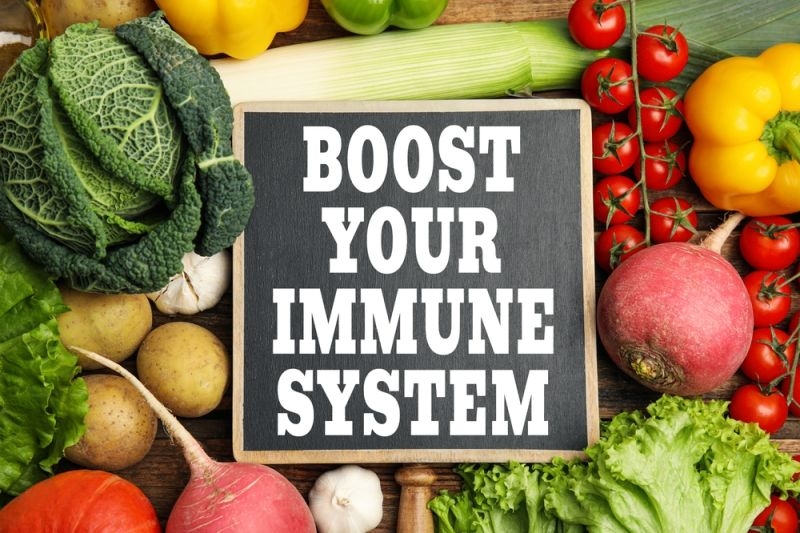
Strong immunity is, of course, our healthy, wall-to-wall defense against the infections, viruses, and diseases that come our way. It works 24/7, as it identifies and roots out any pathogens that could be harmful before they lead to illness. About 70% of a child’s immune system actually lives in their gut, so what kids eat and the balance of their gut bacteria matter a lot when it comes to fighting off sickness.
But there are some factors like poor diet, irregular sleep, high stress levels, and all the lifestyle choices that could affect the immune system adversely. That would then make a person more prone to sickness, but there are ways to improve one's natural immunity for the body to operate in optimal condition.
The immune system is a network of complex pathways, parts, and interrelations of organs and cells coming together to counter-replace/remove invasions. It calls many factors into play for proper action; these include nutrition, sleep, exercise, and stress management. To have a voluntary approach that supports strong health in totality, the immune system must stand within or be part of a wider framework of conditions.
Another substantial way to strengthen your immunity is through a nutrient-rich diet. Vitamins and minerals such as vitamins C, D, and zinc are the most important for their strong effects on the immune system. These fortified nutrients help white blood cells fight infections, reduce inflammation, and increase antibody production.
Here are the following:
Fruits like berries, melons, and mangoes are loaded with vitamin C. This vitamin acts as a strong antioxidant and gives your immune system a real boost. It helps your body make more white blood cells and antibodies, both of which fight off infections. On top of that, vitamin C plays a big role in producing collagen, which keeps your skin healthy.
Apart from allicin, a sulfur-containing compound, garlic is antibacterial, antiviral, and antifungal. Allicin enhances immune cell behavior, making them better infection fighters. Moreover, by enhancing the production of disease-fighting cells in the body, garlic reduces the risk of colds and flu.
Ginger is another effective immune booster known for the properties of its anti-inflammatory and antioxidant compounds. It contains bioactive compounds such as gingerols and shogaols, which help with infection-causing viruses and reduce inflammation. Ancient people used ginger to treat colds, sore throats, indigestion problems, clear blocked noses, or ease an upset stomach.
To maintain optimal hygiene and thus immunity, yogurt contains "good bacteria," often identified as probiotics, which balance the gut microbiome. Yogurt is also one of the few natural vitamin D sources in shred with regard to the function of the immune system, and that all makes it very valuable.
The ultimate goal is plain yogurt, unsweetened, and with live cultures, adding fruits, nuts, or perhaps a drizzle of honey to take it a step further with enhanced taste and more nourishment.
Curcumin, the substance found in turmeric, is the best anti-inflammatory substance acknowledged practically per se. This substance is also registered as a strong antioxidant and as an immune booster.
Turmeric is useful to the system; this is obviously to alleviate overall inflammation and also make the immune system function correctly. Adding turmeric to your soups or drinking turmeric tea could also be part of the diet, or you could go all the way out and consume golden milk.
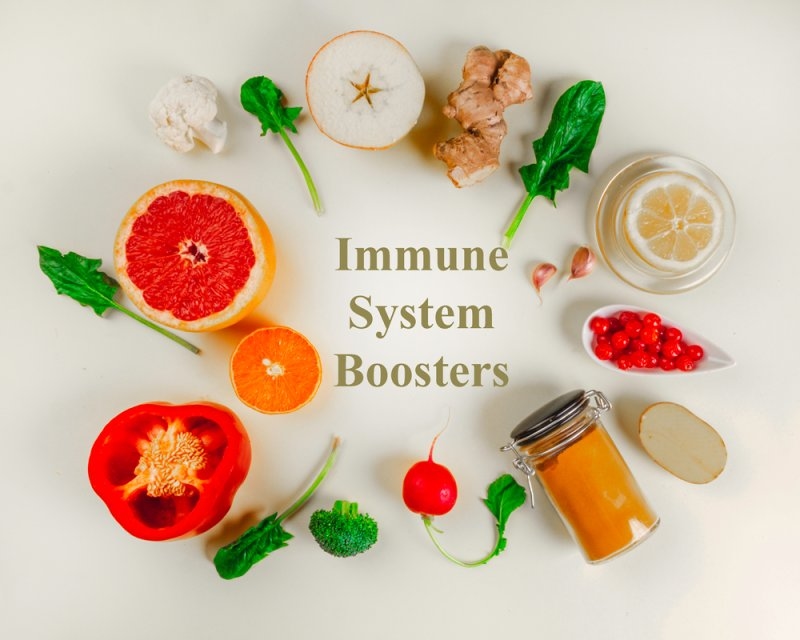
Here are the following:
Walnuts have also been used as a source of vitamin E, which is a fat-soluble antioxidant that plays a very important role in the activities of the immune system. Vitamin E is often overlooked in favor of vitamin C as an immune system boost.
However, both vitamins are equally important since they compound the activity of immune cells, promoting them to operate effectively.
It puts its power to work through neutralization of free radicals, therefore reducing the chances of cellular injury and diluting the ability of the immune system to kick in.
For centuries, black tea has been used all over the world due to its numerous positives, with a special mention of the high quantity of antioxidants it possesses.
The drink is also abundant in flavonoids and catechins, which are important in immune defense because of their immune-enhancing role in fighting against invading organisms and reducing oxidative stress.
One of the catechins present in black tea is epigallocatechin gallate, which is quite strong and has been reported to have positively affected the immune status by preventing damage to the immune cells and their functioning correctly.
Cabbage and other rich green vegetables provide as much as folic acid and biotin. These two soluble vitamins, along with vitamin C, are involved in enhancing immune function and fighting off infection as well.
The vitamin C content of the cabbage is also very useful in activating white blood cells, which are essential in eliminating viruses and bacteria. Another vitamin, vitamin A, in this, as carotenoids, aids in the defense function of the skin and tissue.
The high vitamin C content of citrus fruits, including oranges, lemons, mangoes, and pineapples, helps prevent colds and influenza, notwithstanding the severity and immune-boosting effects that colds and influenza have.
Vitamin C aids in the production of white blood cells, as well as boosts the body's resistance; these protective barriers of the body have an immune system that cannot respond to pathogens.
Shellfish, such as oysters, crabs, shrimp, and mussels, are among the best natural sources of zinc, an essential mineral that plays a vital role in immune cell production and function.
Zinc is necessary for developing and activating T-cells, key players in the immune system's defense against infections.
It also helps reduce inflammation, promotes wound healing, and supports the body's recovery from illnesses.
Here are the following:
Other than being a basic life necessity, sleep can be pivotal in maintaining one’s immune health. It involves the body repairing itself, producing infection-fighting molecules, and preparing the immune system for more decisive action.
Decreasing the quantity of sleep also appears to impair the body’s defenses, somewhat elevating the chances of becoming sick. Most practitioners suggest the average adult sleeps for 7 – 9 hours per day. Innumerable strategies and countermeasures can be turned into habits, such as a bedtime routine.
It may sound very trivial, but indeed, studies have suggested that our level of drinking water has a huge impact on the way our bodies are able to carry out immune system functions.
Water helps remove waste from the body, helps in basic cellular functions, and keeps the barrier in the skin moist, which can prevent bacteria from getting in.
Drinking healthy beverages, eating watery fruits, and minimizing the intake of dehydrating drinks, which are alcohol and summer drinks, will help with normal hydration of the body.
These types of moderate-intensity activities, in fact, support immunity by providing better circulation and reduced cell movement, which usually comes with inflammation.
Again, the recommended level of physical activity generally does not stress the body unduly, and it could be walking, cycling, or practicing Yoga.
Nevertheless, too excessive or too severe physical stress without full recovery can destroy the body’s built-up defenses, hence the need for balanced exercise.
The persistent stress that exists increases cortisol and affects the adrenal cortex, hampering the functioning of the immune system, and can be regarded as a perpetuation of a damaging effect on immune system function.
Techniques such as meditation, deep breathing exercises, and cognitive behavioral therapy, along with spending time outdoors, will greatly help in reducing stress levels.
Frequent hand washing, cleaning, discouraging self/closeness to those who may be infected, and using disinfectants whenever necessary are some of the things that can help in preventing body infections.
Try This: Check Out The Top Tasty Options Of High-Fiber Foods for Kids
Your immune system is a complex defense mechanism that requires proper nourishment, sleep, exercise, stress management, and hygiene practices to function optimally. You can strengthen your immunity and improve your overall health by incorporating immune-boosting foods, adopting healthy lifestyle habits, and making conscious choices to support your body.
When children are under stress for too long, their bodies pump out cortisol nonstop. That hormone lowers antibody production, which can make them get sick more easily.
Can a daily multi replace real food for immune health? Not really. Multivitamins can patch up a few nutritional gaps, but they miss important stuff—like fiber, bioflavonoids, and the complex structure of real foods that help the gut absorb everything better.
Totally. Moderate exercise, whether it’s playing tag or a bike ride, gets their blood and lymph moving. That lets immune cells move and react faster if a bug shows up.
Overusing them wipes out not just the bad guys but also the good gut bacteria. That throws off microbial balance and weakens immune defenses for a while.
Most likely, yes. There’s just not enough sun in the colder months, and vitamin D is crucial for proper immune function. That’s why pediatricians usually recommend a D3 supplement up north when it’s cold and dark.
This content was created by AI