

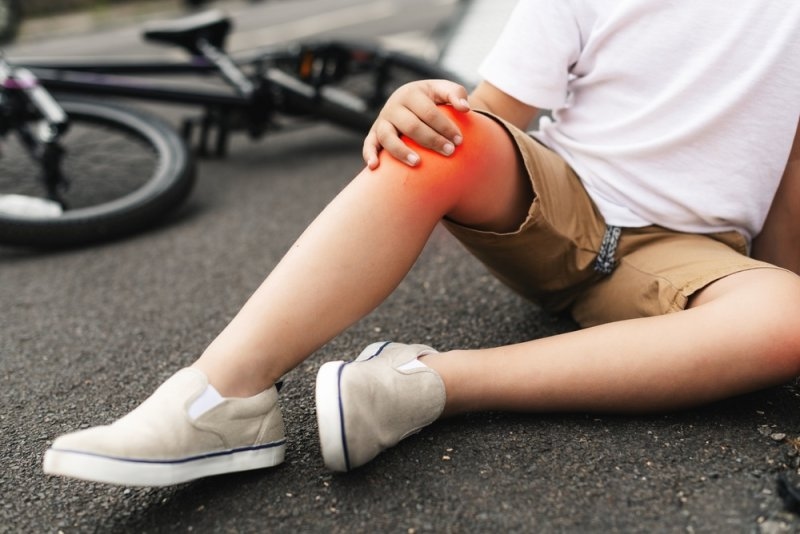
Waking up at midnight to soothe a crying child can leave any parent feeling anxious and exhausted. When your little one complains of deep leg aches, managing growing pains in kids becomes an urgent priority. You want clear answers, quick comfort solutions, and the peace of mind that your child is safe.
According to clinical data from the Cleveland Clinic, benign nocturnal limb pains affect nearly one in three children during early childhood and early school years. Despite the name, research confirms these aches stem from muscle overuse and joint flexibility rather than rapid bone growth. Knowing what causes these evening aches helps parents respond with confidence.
In this article, we will examine what are growing pains in kids, outline the primary causes of growing pains in kids, discuss growing pains symptoms in kids, and explain how doctors conduct a diagnosis and tests for growing pains in kids. You will also learn practical steps on how to help growing pains in kids legs and effective methods on how to relieve growing pains in legs in kids at home.
Understanding the nature of these evening leg aches helps ease parental worry. Medical specialists classify them as a harmless, non-inflammatory pain syndrome that occurs during active developmental years.
They are benign, recurring muscle aches that typically affect kids between the ages of three and twelve. The pain is felt deep in the muscles rather than the joints or bones, usually striking in both legs during the late afternoon, evening, or nighttime hours.
Contrary to popular belief, bone growth spurts do not physically hurt. Medical researchers have identified several underlying factors that trigger these nocturnal aches.
Identifying typical symptoms allows parents to distinguish benign nighttime soreness from medical conditions that require clinical evaluation.
Try This: Growth Hormone Therapy for Kids - Key Considerations
Parents frequently wonder about the timeline of these recurring aches. Individual episodes typically last anywhere from fifteen minutes to a few hours before fading away.
| Discomfort Characteristic | Typical Profile | Red Flag Warning |
| Duration of Episode | 15 minutes to 2 hours | Constant pain lasting into the morning |
| Location | Both legs (thighs, calves) | Single joint or specific localized point |
| Physical Appearance | Completely normal appearance | Swelling, warmth, or skin discoloration |
| Gait and Movement | Normal walking and running | Persistent limping or refusal to bear weight |
| Associated Symptoms | None | Fever, unexplained weight loss, or rash |
Most children outgrow these recurring symptoms completely by early adolescence as muscle strength, joint stability, and bone growth stabilize.
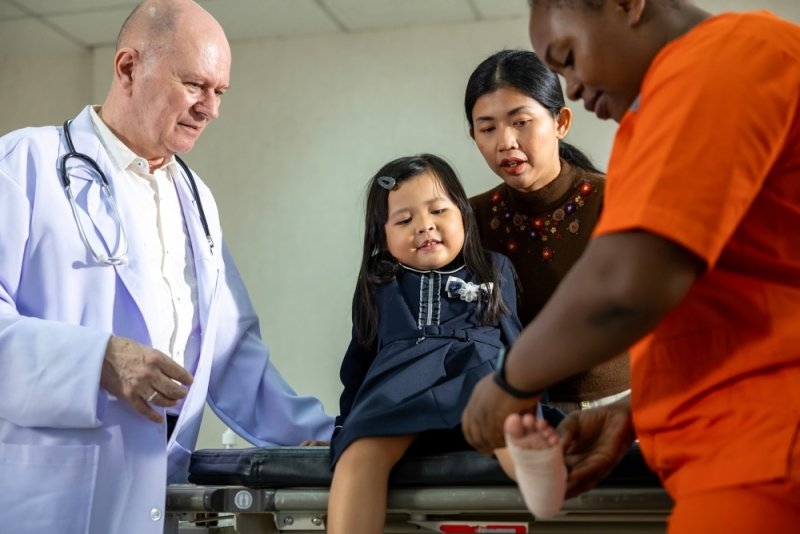
Diagnosing this condition relies primarily on a process of exclusion because there is no single blood test or scan that directly confirms it.
Step 1: The pediatrician takes a detailed history of pain timing, location, and daily activity.
Step 2: A thorough physical exam checks joint flexibility, muscle strength, and gait.
Step 3: The doctor evaluates the legs for any swelling, warmth, tenderness, or redness.
Step 4: If red flags appear, imaging like X-rays or blood tests are ordered to rule out other conditions.
If your child's physical exam is completely normal and the aches follow a classic evening pattern in both legs, healthcare providers can confidently confirm the diagnosis without unnecessary medical procedures.
When nighttime aches interrupt sleep, having a reliable comfort routine makes a significant difference for your child.
Step 1: Offer gentle reassurance to reduce your child's anxiety and fear.
Step 2: Apply a warm heating pad or warm towel to tight leg muscles.
Step 3: Perform a gentle upward massage on calves and thighs using mild lotion.
Step 4: Help your child stretch their hamstrings and quadriceps before bed.
Simple soothing techniques reduce muscle tension quickly, allowing your child to fall back asleep without needing heavy medications.
Preventing late-night discomfort starts with daytime habits that support active muscles.
Encourage your child to drink plenty of water throughout the day. Dehydration increases muscle cramping risks during evening hours. In addition, providing supportive footwear with cushioned arches prevents excess impact strain during outdoor play.
Incorporating simple leg stretches before bedtime prepares tired muscles for rest. Flexible muscles handle daily physical exertion far better, minimizing nighttime cramping and tension.
Must Try: Essential Nutrients That a Children Need for Healthy Growth
Navigating childhood developmental milestones requires patience, reliable information, and gentle care strategies. Throughout this guide, we explored what are growing pains in kids, what causes growing pains in kids, reviewed typical growing pains symptoms in kids, and detailed clinical diagnosis and tests. We also discussed practical remedies on how to help growing pains in kids legs and daily habits on how to relieve growing pains in legs in kids. Knowing that these harmless nocturnal aches fade as your child grows brings welcome relief to every family. Applying warm compresses, soothing massages, and bedtime stretches ensures your child rests comfortably every night.
Keeping your child happy and comfortable starts with having access to engaging activities, helpful parenting guides, and creative wellness ideas. Explore interactive play resources, creative family crafts, and expert parenting tips to support your child's growth and keep bedtime peaceful every single night.
Parents can occasionally offer over-the-counter pain relievers like acetaminophen or ibuprofen if leg soreness prevents sleep despite warm massages. Always consult your pediatrician for proper dosage instructions based on your child's age and weight. Avoid giving aspirin to children or teenagers due to risks of serious medical complications.
Yes, structural factors like flat feet, overpronation, or poor posture increase stress on lower leg muscles during high-impact outdoor play. When feet lack proper arch support, leg muscles work significantly harder to stabilize the body. Using supportive footwear or custom shoe inserts often reduces evening muscle fatigue substantially.
While nocturnal leg soreness is far more common, some children occasionally experience mild aching in their arms or shoulders. These upper body aches typically follow days of intense climbing, swimming, or gymnastics. If upper body pain persists, causes joint swelling, or limits arm movement, consult a physician promptly.
A warm bath relaxes tight muscle fibers and increases blood circulation to tired lower limbs before bedtime. Adding magnesium-rich Epsom salts to warm water further eases muscle tension and promotes nervous system relaxation. This soothing bedtime habit significantly reduces the likelihood of sudden midnight leg pain awakenings.
Parents should seek immediate medical evaluation if leg soreness causes persistent limping, joint swelling, fever, or skin redness. Additionally, if discomfort affects only one leg, causes severe joint pain, or continues into the morning hours, a thorough clinical assessment is necessary to rule out underlying conditions.
This content was created by AI