What are the Top Healthy School Lunches for Your Kids?
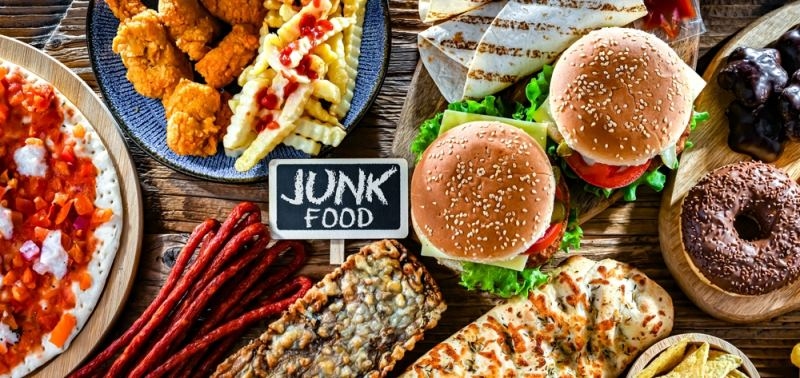
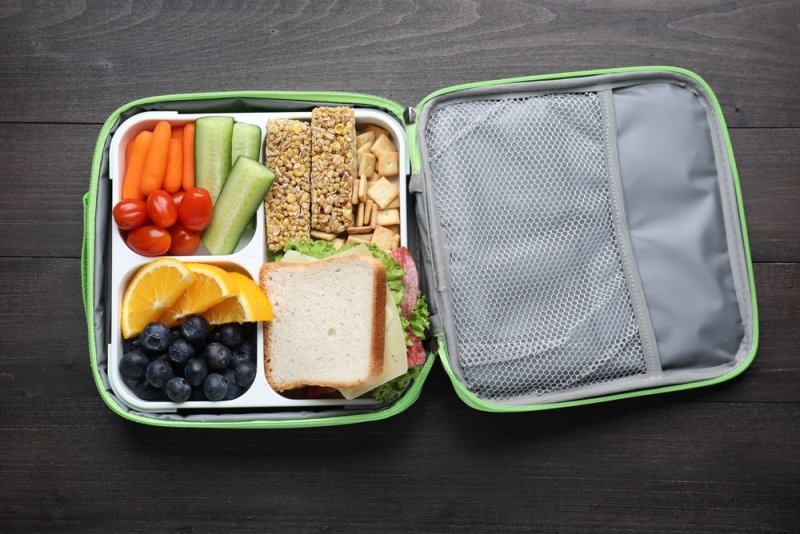
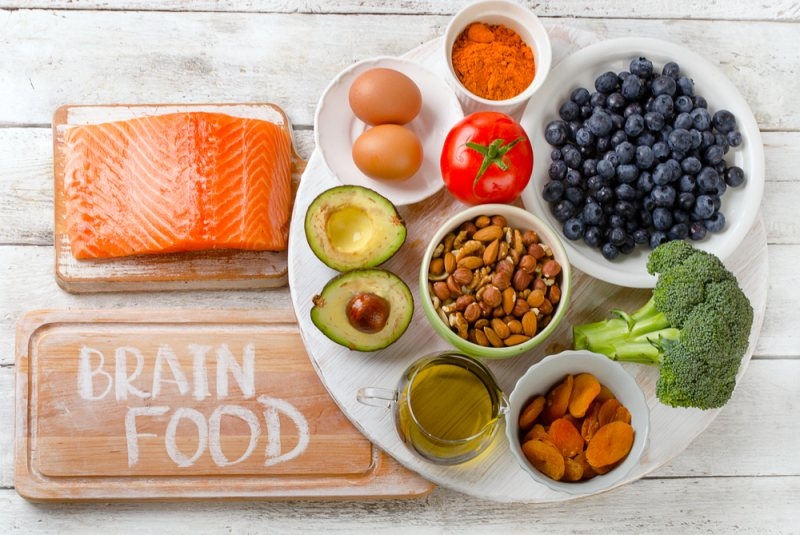
Key TakeawaysPacking a balanced mix of complex carbohydrates, lean proteins, and healthy fats provides sustained physical energy and sharpens classroom focus throughout the day.Using bento-style compartmentalized lunchboxes keeps different food textures separate and makes healthy snack options visually engaging for young eaters.Involving children in weekly grocery planning and meal preparation significantly increases their willingness to eat nutrient-rich fruits and vegetables.Prepping fresh ingredients in advance saves valuable morning time while preventing last-minute reliance on ultra-processed convenience snacks.Pairing perishable foods with ice packs or insulated containers preserves food safety and keeps meals tasting fresh until lunchtime.Eating a healthy lunch is essential for children's physical and mental health. School lunch provides them with the necessary nutrients to grow and learn. Studies show that up to 40% of the food packed in school lunchboxes is often returned home uneaten when meals lack variety or interactive elements, making appealing, balanced meal planning essential for growing children. A healthy school lunch can give children the energy and concentration they need to perform well in class and engage in physical activity. Here are some tips on creating a healthy school lunch for your child.Top 5 Healthy School Lunches That Make Up for a Delicious Snack TimeAs parents and caregivers, one of our top priorities is to provide healthy and nutritious meals for our children. However, packing a healthy school lunch that our children will eat can be challenging. Here are some delicious and easy recipes for healthy school lunches that will please even the pickiest eaters.Turkey and Cheese Roll-UpsIt is a high-protein, nutritious meal that can also be consumed as a snack or at lunch. The turkey and cheese roll-ups can fill up kids for a long time and help them receive essential protein. Here is how you can make it:Ingredients:Whole wheat tortillasSliced turkey breastSliced cheeseHummusBaby spinach leavesDirections:Lay out a whole wheat tortilla and spread a thin layer of hummus over it.Add a layer of sliced turkey breast and cheese to the hummus.Add a handful of baby spinach leaves to the turkey and cheese.Roll up the tortilla tightly and slice it into bite-sized pieces.Veggie and Cheese QuesadillasA vegetable cheese quesadilla is a warm, crispy Mexican flatbread folded over a savory mix of spiced vegetables and melted cheese. A popular choice among kids.Ingredients:Whole wheat tortillasSliced cheeseSliced bell peppersSliced mushroomsSliced onionsDirections:Lay out a whole wheat tortilla and place a layer of sliced cheese on it.Add a layer of sliced bell peppers, mushrooms, and onions to the cheese.Place another layer of sliced cheese on top of the veggies.Press down firmly to place another whole wheat tortilla on top of the cheese.Cook the quesadilla in a skillet over medium heat until the cheese is melted and the tortilla is crispy.Cut the quesadilla into wedges and pack it in a lunchbox.Chicken SaladChicken salad is healthy for kids, as it provides lean protein for growth alongside essential vitamins and fiber from added vegetables and fruits.Ingredients:Cooked and shredded chicken breastChopped celeryChopped carrotsChopped applesGreek yogurtDijon mustardSalt and pepper to tasteDirections:Mix the shredded chicken breast, chopped celery, chopped carrots, and chopped apples in a large bowl.Mix the Greek yogurt, Dijon mustard, salt, and pepper in a small bowl.Pour the Greek yogurt mixture over the chicken and veggies and mix until everything is coated.Pack the chicken salad in a lunchbox along with whole wheat crackers, sliced cucumbers, and cherry tomatoes.Hummus and Veggie WrapA hummus and veggie wrap is a nutritious, balanced, and energizing meal option that provides growing kids with essential plant-based protein, fiber, vitamins, and healthy fats. Ingredients:Whole wheat tortillasHummusSliced cucumbersSliced tomatoesSliced bell peppersSliced carrotsSliced avocadoDirections:Lay out a whole wheat tortilla and spread a generous layer of hummus over it.Add a layer of sliced cucumbers, tomatoes, bell peppers, carrots, and avocado to the hummus.Roll up the tortilla tightly and slice it into bite-sized pieces.Pack the wrap in a lunchbox along with a side of fresh fruit or yogurt.Greek SaladGreek salad is healthy for kids because it is packed with fresh, raw vegetables, healthy fats, and essential minerals that support a growing body. Ingredients:Chopped romaine lettuceCherry tomatoesSliced cucumbersChopped red onionFeta cheeseKalamata olivesGreek vinaigretteDirections:Mix the chopped romaine lettuce, cherry tomatoes, sliced cucumbers, chopped red onion, feta cheese, and kalamata olives in a large bowl.Drizzle the Greek vinaigrette over the salad and toss to coat.Pack the salad in a lunchbox with a whole wheat pita and hummus.Tips to Create a Healthy School LunchHere they are:Include a variety of foods:A balanced school lunch should include a variety of food groups, including whole grains, lean protein, fruits, vegetables, and dairy. Incorporating a variety of foods can provide children with the essential nutrients they need to maintain a healthy weight, boost their immune system, and improve their overall health. It will boost healthy eating habits.Choose whole grains: Whole grains, such as whole-grain bread, pasta, and brown rice, provide children with fiber, vitamins, and minerals essential for their health. Choosing whole grains over refined grains can help children maintain a healthy weight, reduce their risk of chronic diseases, and improve their digestive health.Incorporate lean protein: Protein is an essential nutrient that helps children build and repair tissues, maintain a healthy immune system, and support healthy growth and development. Choosing lean protein sources, such as chicken, turkey, fish, tofu, and legumes, can provide children with the necessary protein without the added fat and calories.Include fruits and vegetables: Fruits and vegetables are packed with vitamins, minerals, and antioxidants essential for children's health. Including various fruits and vegetables in school and lunch can help children maintain a healthy weight, improve their immune system, and reduce their risk of chronic diseases.Choose low-fat dairy: Dairy products, such as milk, cheese, and yogurt, are excellent sources of calcium, which is essential for children's bone health. Low-fat dairy products can provide children with the necessary calcium without the added saturated fat.Avoid processed foods: Processed foods, such as packaged snacks, chips, and sugary drinks, are high in calories, sodium, and added sugars, contributing to obesity, diabetes, and other chronic diseases. Avoiding processed foods and choosing whole, unprocessed foods can help children maintain a healthy weight, improve their overall health, and reduce their risk of chronic diseases.Benefits of Healthy School LunchHealthy school lunch is an essential component of children's health and well-being. Here are some of the benefits:A balanced and nutritious school lunch can give children the necessary nutrients to grow, learn, and develop to their fullest potential. Eating a healthy school lunch can improve children's concentration and performance. A well-balanced meal can provide the necessary nutrients, such as vitamins, minerals, and fiber, to support brain function, memory, and cognition. Studies have shown that children who eat a healthy lunch are more alert and engaged in class and have better academic performance than those who do not. It will also create a lifetime of healthy eating habits.Eating a healthy school lunch can help children maintain a healthy weight. A balanced meal with lean protein, whole grains, fruits, and vegetables can provide children with the necessary energy and nutrients without the added calories, saturated fats, and added sugars in processed foods and snacks. A healthy weight can reduce the risk of chronic diseases like diabetes, heart disease, and obesity. Eating a healthy school lunch can improve children's digestive health. Whole grains, fruits, and vegetables are excellent sources of fiber, which is essential for digestive health. A fiber-rich diet can help prevent constipation, reduce inflammation, and promote the growth of healthy gut bacteria.Eating a healthy school lunch can reduce the risk of chronic diseases like diabetes, heart disease, and cancer. It improves mood and mental health. Eating a healthy school lunch can improve children's mood and mental health. Studies have shown that a balanced diet that includes fruits, vegetables, whole grains, and lean protein can reduce symptoms of anxiety and depression and improve overall mental health.Eating a healthy school lunch can help children develop healthy eating habits that can benefit them for a lifetime. By exposing children to various healthy foods and teaching them the importance of balanced and nutritious meals, parents and teachers can instill healthy eating habits that reduce the risk of chronic diseases and improve overall health and well-beingConclusionA healthy school lunch is essential for children's health and well-being. Various foods, including whole grains, lean protein, fruits, vegetables, and dairy, can provide children with the necessary nutrients to grow and learn. Avoiding processed foods and choosing whole, unprocessed foods can help children maintain a healthy weight, improve their overall health, and reduce their risk of chronic diseases. By preparing a healthy school lunch for your child, you can help them develop healthy eating habits that will benefit them for a lifetime.FAQsHow Long Can Perishable Foods Safely Stay in a Packed Lunchbox?Perishable items like deli meats, yogurt, and cheese can safely remain at room temperature for up to two hours, so packing them alongside an insulated ice pack is necessary to prevent bacterial growth.What are the Best Nut-Free Protein Options for School-Safe Lunches?Great nut-free protein substitutes include sunflower seed butter, hard-boiled eggs, roasted chickpeas, hummus dip, cottage cheese, rolled turkey slices, and pumpkin seeds.How Can Parents Keep Sliced Fruits from Turning Brown Before Lunchtime?Tossing light-colored fruit slices, like apples or pears, in a brief bath of diluted lemon juice, salted water, or honey water prevents oxidation and keeps them crisp and fresh.Should Warm Food Items Be Packed In Standard Bento Boxes?No, standard plastic or stainless steel bento boxes lose heat quickly; warm meals like soups, pasta, or rice dishes should be stored in pre-warmed insulated thermoses to stay safe and appetizing.Yummy Tummy AarthiHow Do You Ensure School Lunches Meet Daily Fiber Requirements?Incorporate fiber-rich whole foods daily by swapping white bread for whole grain options, packing fresh berry assortments, and adding raw vegetable sticks paired with bean-based dips.