

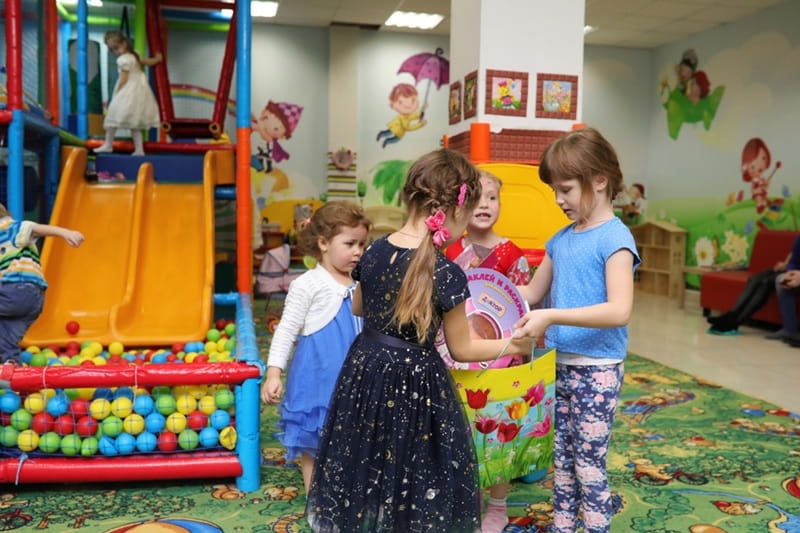
Indoor healthy activities for kids are very important because they help children to stay physically active and healthy inside the home. You will notice that these activities help children to do regular movement and build steady energy even without stepping out of the home.
In this blog, you will learn the importance of indoor activities and how to choose the right activities for kids. It will also explain their benefits and list things that parents must know about daily indoor movement.
Must Read: Life Skills Activities for Kids, A Simple Parent Guide
Indoor healthy activities for kids play a key role in daily physical movement. When children stay indoors for long hours, their bodies still need regular motion. Without movement, energy builds up and focus drops. Indoor routines help manage this in a simple and safe way.
Movement inside the home supports muscle use, balance, and posture. It also helps children understand how their body moves in space. Over time, this improves control and coordination without stress or pressure.
Indoor activity also supports mental balance. Children who move regularly tend to feel calmer. They are better able to sit, listen, and sleep well at night. These changes may feel small at first, but they matter over time.
Another important part is routine. When indoor movement happens daily, children stop seeing it as a task. It becomes part of normal life. This makes healthy habits easier to maintain without forcing or reminders.
Choosing the right routine is about understanding the child and the home environment. These steps help parents plan simple and effective indoor movement sessions.
Children show different energy patterns each day. Some move more in the morning. Others feel active later. Watching these patterns helps parents plan indoor exercise for children at the right time, which improves participation.
Not every home has open space. Activities should fit the available area. Smaller rooms need slower movements. This keeps children safe and comfortable during activity time.
Children understand best when instructions are clear and brief. One action at a time works well. Simple directions help children focus and complete movements correctly.
Long sessions can feel tiring. Short activity periods with breaks work better. This keeps children active without losing interest or feeling overwhelmed.
You will notice that children feel tired or distracted on some days. On those days, lighter routines work better. Adjusting activities helps maintain consistency without pressure.
Indoor games help children move while staying engaged. These games are easy to follow and work well inside the home.
Simon Says helps children listen carefully while moving. They follow actions only when the instruction is correct. This supports attention and controlled movement.
Freeze Dance allows children to move freely until the music stops. Freezing in place builds balance and control. The game keeps energy levels steady.
Indoor Tag uses clear movement limits. Children move carefully and avoid rough play. This supports quick movement while keeping safety in mind.
Jumping in one spot supports leg strength and body balance. Counting jumps keeps children involved. This works well in a limited space.
Animal walks ask children to move like animals. Crawling or hopping helps coordination. The movements stay simple and controlled.
These fun indoor games for kids help children stay active without turning activity into a chore.
Simple routines without tools allow movement to happen easily. These benefits explain why such activities work well indoors.
No-equipment kids' activities need no preparation. Children can begin right away. This supports routine flow and reduces delays.
Children focus on their bodies instead of objects. This improves balance and posture. It also helps them move with more control.
Without equipment, fewer accidents happen. Children move freely without worrying about objects around them.
Children can repeat activities alone. This builds confidence and encourages self-directed movement.
Simple routines are easier to repeat. No-equipment kids' activities fit easily into daily schedules and support long-term consistency.
Top Pick: Top Backyard Games for Kids: Fun Outdoor Play Ideas 2025
Active play helps children stay engaged while moving. These ideas work well inside the home.
Short movement paths help children follow steps. Circuits support focus and steady movement without confusion.
Standing on one foot or slow walking improves stability. Balance work supports body control and calm movement.
Stretching helps flexibility and relaxation. Guided stretches keep children active while slowing the pace.
Clapping and stepping support coordination. Rhythm activities help children stay focused and follow patterns.
Parents describe actions for children to perform. This keeps movement structured while supporting active play ideas indoors.
Planning indoor movement needs attention to safety and comfort. These points help parents create supportive routines.
Floors should not be slippery. Removing obstacles helps children move freely and safely.
Clothes should allow easy movement. Comfortable clothing supports better participation during activity time.
Defined spaces help children understand limits. This keeps activities organized and safe.
Regular timing helps children expect activity time. Physical play at home works best with a daily routine.
Positive words build confidence. Encouragement helps children enjoy physical play at home without stress.
Indoor healthy activities for kids support movement, focus, and balance at home. Simple routines make daily activities easy to follow. With steady planning, indoor movement becomes a natural part of everyday life.
They support daily movement and help manage energy levels indoors.
Regular movement helps children stay calm and attentive.
Yes, it is safe for children because the boundaries and rules are clear to them.
This content was created by AI