


A bedwetting alarm is a simple device used to help children wake up when bedwetting begins during sleep. It works by building awareness and not with pressure or fear.
This blog will explain to you what a bedwetting alarm is and how to use it daily, how it works in real life, and how it gently supports bedwetting in kids through steady routines.
Must Read: How the Right Parenting Styles Shape a Child's Development?
A bedwetting alarm is designed to sense moisture the moment wetting begins. When this happens, the alarm gives a signal that helps the child wake up. The child is then guided to the bathroom.
The purpose is not to stop bedwetting overnight. The purpose is learning. Over time, the brain begins to connect the feeling of a full bladder with waking up. This connection grows slowly.
Many parents wonder how do bedwetting alarms work, especially when bedwetting in kids continues past early childhood. These alarms are widely used because they support learning rather than control.
The alarm becomes part of the night routine. It does not punish. It does not shame. It simply alerts and teaches, night after night, in a calm and steady way.
Not every alarm suits every child. The best bedwetting alarm is one that feels easy to use and easy to accept. Comfort and simplicity matter more than anything else. You can refer to the below list to understand the five important features of the best bedwetting alarm:
The alarm should respond as soon as wetting starts. Early alerts help the brain notice what is happening. This timing plays a big role in learning for bedwetting in kids.
An alarm should not feel heavy or annoying. Comfort helps children accept the alarm as part of sleep. When comfort is high, resistance is low.
The alert must wake the child, but not scare them. A simple alert helps parents feel confident when asking, do bedwetting alarms work for deep sleepers.
An alarm should be easy to attach and remove. Complicated steps make routines harder. A simple setup supports learning how to use a bedwetting alarm correctly.
The best bedwetting alarm fits easily into nightly life. It should not disrupt sleep more than needed. Comfort over time supports steady learning.
Knowing how to use a bedwetting alarm properly makes a big difference. The steps are simple, but they must be followed with patience. The points below will help you to understand the daily use properly:
Set the alarm before bedtime. Let the child see and hear it once. This helps reduce fear and confusion. Preparation supports calm handling of bedwetting in kids.
When the alarm goes off, help the child wake fully. Walk them to the bathroom. This moment is a learning moment. Repeating this step explains how bedwetting alarms work.
After changing clothes or bedding, reset the alarm calmly. Avoid frustration. This step teaches responsibility and supports learning how to use a bedwetting alarm on a daily basis.
Consistency matters more than speed. Nightly use helps the brain learn faster. This routine supports the best bedwetting alarm results over time.
Encouragement works better than control. Calm support keeps children motivated. This emotional safety helps reduce bedwetting in kids naturally.
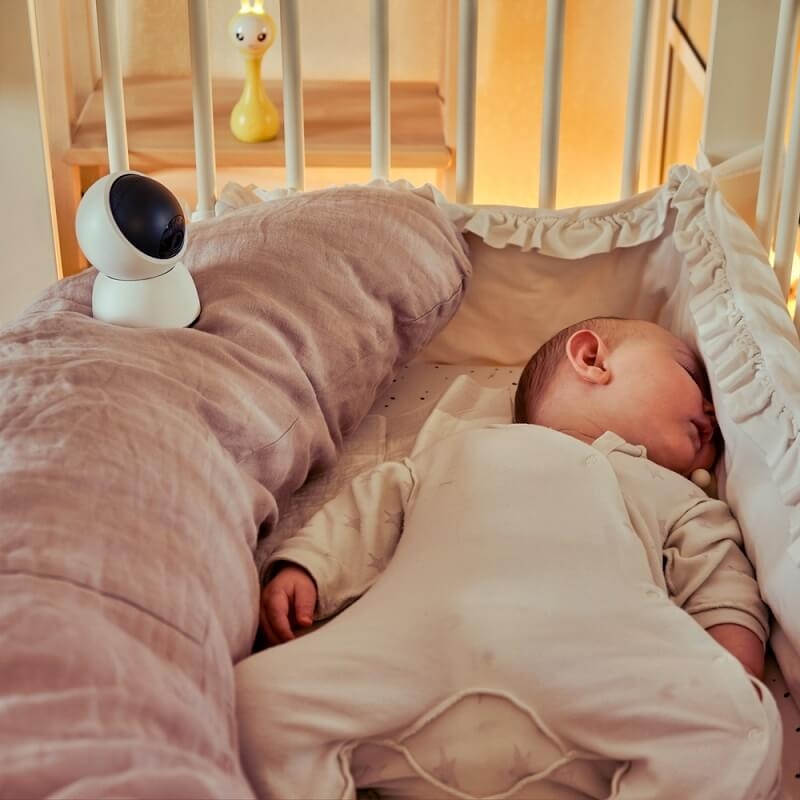
Daily use shows how these alarms support real learning. They work quietly in the background, night after night. The following points will explain to you the daily impact properly:
Each alert helps the brain notice bladder signals during sleep. Over time, waking becomes earlier. This answers why people ask how do bedwetting alarms work with routine.
Children begin to wake on their own before wetting starts. This is the main goal. It supports long-term improvement in bedwetting in kids.
As children respond faster, their confidence starts to grow. Therefore, parents do not need to offer a lot of guidance. This change shows the value of learning how to use a bedwetting alarm correctly.
The alarm does not affect daytime activities. It blends into bedtime routines without effort. This ease is why families look for the best bedwetting alarm.
Learning takes time; because of this, some nights go well, and some do not. Repetition helps answer doubts about whether bedwetting alarms work in real life.
Bedwetting is often misunderstood. It is not laziness or bad behavior. It is part of the development for many children. Below are five benefits of bedwetting in kids:
Managing bedwetting in kids encourages open conversations. Children feel supported instead of judged. This trust matters a lot in the long term.
Regular sleep and bathroom habits develop naturally. These habits support learning how to use a bedwetting alarm properly.
Parents learn patience, and children learn persistence. This calm approach supports progress without stress.
Children learn to notice body signals. This awareness helps explain whether bedwetting alarms work over time.
Each dry night adds confidence. Even a small improvement matters. This growth is common with the best bedwetting alarm routines.
A bedwetting alarm helps children learn through calm routines and steady support. However, it is essential for you to understand that progress takes time, and pressure is not something that children need. With patience and daily use, confidence and awareness grow naturally.
Yes, with steady use and early guidance, many deep sleepers respond well.
Use it nightly until dry nights become consistent and confidence improves.
No, it is usually developmental and not linked to discipline problems.
Yes, early support helps children wake up fully and learn more quickly.
Yes, daily use strengthens learning and supports long-term success.
This content was created by AI