

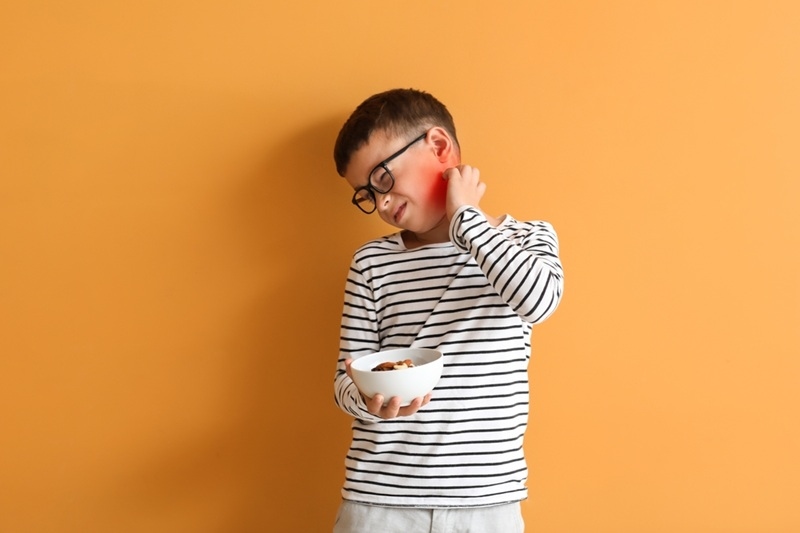
Food allergies in children are not rare anymore. Many parents notice reactions that show up right after meals, or sometimes hours later. The confusing part is that the child may look fine one day and react the next time.
This blog explains why allergies are common, the early signs in toddlers, common trigger foods, prevention tips, diagnosis steps, and symptoms parents should never ignore.
Food allergies are common in childhood mainly because the immune system is still developing. The child’s body is learning what is safe. It is building a system of recognition slowly. But sometimes, it makes a mistake.
Instead of seeing a food protein as harmless, the immune system treats it like a threat. This triggers a reaction. That reaction may be mild, like itching. Or it may become serious, like breathing trouble.
If parents or close relatives have allergies, asthma, or certain skin conditions, the chances increase. It does not mean the child will definitely get allergies, but it makes reactions more likely. The body already has that sensitivity in the background.
You can check the list below to understand the early signs of food allergy in a toddler:
Skin reactions are often the first sign. A toddler may develop red patches around the mouth. Sometimes it looks like tiny bumps. Sometimes it becomes full hives. The child may rub the face, scratch the neck, or touch the ears. That can happen soon after eating.
Digestive issues are one of the most common food allergy symptoms in kids. A toddler may vomit after eating. Or the child may have stomach cramps. Loose stools may appear too.
Breathing symptoms matter a lot. Sneezing, coughing, noisy breathing, and throat discomfort can appear as signs. A toddler may sound congested right after eating. Some children wheeze. Others keep coughing. This is not always cold or dusty. If breathing changes come after meals, then it could be allergy-related.
You can check the list below to understand the most common food allergies in children:
Milk is a very common trigger, especially in early childhood. Reactions may include skin rash, vomiting, diarrhea, or swelling. Some children also develop breathing discomfort.
Egg allergy is also common in children. Eggs are used in breakfast dishes, bakery foods, and packaged products. The child may react with hives, itching, stomach pain, or swelling.
Peanut allergy is often serious. Sometimes it causes strong symptoms even with small exposure. A child may react after eating peanuts. Some children react even through contact with residue.
Wheat is present in bread, pasta, noodles, snacks, and packaged foods. Wheat allergy can cause digestive trouble, rashes, or swelling. Some children also show coughing or congestion.
The following list will help you with the best tips to prevent pediatric food allergy:
When introducing foods, slow is better. One new food at a time is the simplest rule. It makes reactions easier to identify. If multiple new foods are introduced together, a reaction becomes confusing. Parents do not know what caused it. So a slow introduction is safer.
This is a daily habit that saves many children from reactions. Labels should be checked each time, not just once. Ingredients can change in products over time. Even familiar brands may adjust recipes. Also, many allergens are hidden under other names. Parents should learn common ingredient terms that signal milk, egg, wheat, nuts, or fish-related ingredients.
Cross-contact is one of the biggest hidden causes of reactions. A knife used for one food can transfer tiny traces to another dish. Same with cutting boards, spoons, and pans. Parents should keep safe foods and unsafe foods separate. Clean surfaces properly. Wash utensils well. Avoid sharing plates in families with confirmed allergies.
The list below of steps can help parents understand how to diagnose food allergy in a child:
A food and symptom record is powerful. Parents can note what the child ate, what time symptoms began, and what symptoms appeared. Even simple notes on a phone work well. This record helps doctors identify patterns. It also helps reduce confusion.
Doctors ask focused questions like which food was eaten or how quickly the reaction started. This is why family history is also discussed to determine whether past eczema, asthma, or other allergies are considered as clues.
Testing may include skin testing or blood testing. These tests are helpful, but not perfect. That is important to understand. A child may test positive but never react when eating the food. Another child may test negative but still show symptoms.
In some cases, doctors may recommend a controlled food challenge. This is done under medical supervision, not at home. The child is given small amounts of the suspected food. The medical team watches closely for reactions. This helps confirm the diagnosis clearly.
Must Read: Discover Top Immune-Boosting Foods for Kids in 2025
You can check the following list to understand the food allergy symptoms in kids that parents should never avoid:
If a child is wheezing, coughing hard, or struggling to breathe after eating, this is a major warning sign. The child may look scared. The chest may feel tight.
Swelling of the lips, face, or eyes can signal a strong reaction. It may happen fast. Sometimes swelling spreads beyond the face.
If a child becomes pale, weak, dizzy, or confused after eating, this can indicate a serious reaction. Some children may appear like they will faint.
Food allergies can feel overwhelming, but simple awareness makes them manageable. Parents can reduce risk by noticing early signs, learning common trigger foods, and using practical prevention steps. With proper diagnosis and clear safety habits, meals become calmer. A prepared family makes a safer childhood.
Milk, eggs, peanuts, wheat, and fish-based foods are common food allergies in children. Some children also react to nuts and sesame.
Signs of food allergy in toddler years include rashes, hives, swelling, vomiting, diarrhea, coughing, sneezing, and breathing discomfort.
Pediatric food allergy happens when the child’s immune system reacts to a food protein as if it is dangerous. This can lead to skin, stomach, or breathing symptoms.
This content was created by AI