

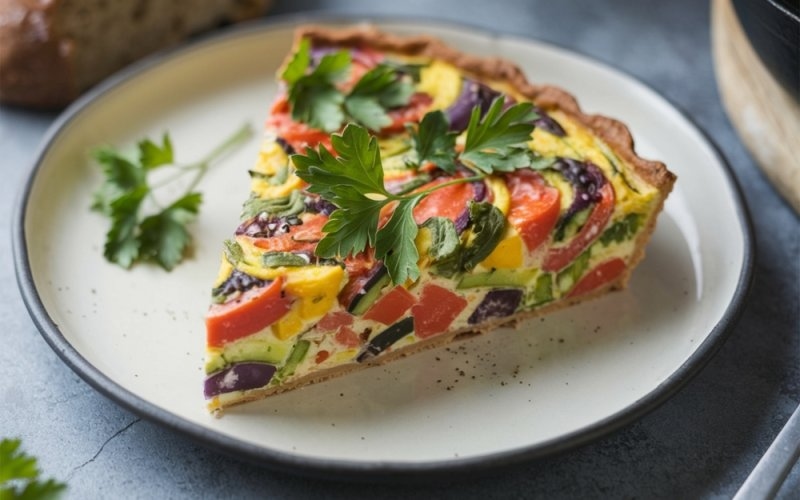
Frittatas are incredibly versatile and can be made with various ingredients, including vegetables, meats, and cheeses. They can be served hot or at room temperature, making them a great entertaining or meal prep option. Plus, they’re an excellent way to use up leftover vegetables or other ingredients you have on hand.
Nutritional analysis shows that incorporating protein-rich egg dishes like frittatas into a child's morning routine can increase overall satiety by over 30% compared to high-carbohydrate cereals, helping stabilize energy and focus throughout the school day.
Vegetable frittatas are a versatile and satisfying dish that can be enjoyed at any meal. Whether you're looking for a hearty breakfast, a light lunch, or a simple dinner, a frittata offers the perfect balance of protein, vegetables, and flavor.
A frittata is an Italian egg-based dish often compared to an omelet but with a few key differences. Unlike an omelet, which is usually cooked quickly on the stovetop and folded around fillings, a frittata is cooked more slowly and is often finished in the oven. This cooking method allows the eggs to remain light and fluffy and the fillings to be evenly distributed throughout the dish. The result is a thick, hearty meal that is easy to slice and serve.
Learn More: Vegetable Recipes for Kids: 10 Creative Ways to Get Your Child to Eat Veggies
Here is the list of their purpose in the fluffy vegetable frittata:
Eggs are the foundation of any frittata; they provide the structure and protein for the dish. You'll need about eight large eggs for a standard 10-12-inch skillet. The eggs should be well-beaten to ensure they’re fully incorporated and will cook evenly.
Adding a bit of milk or cream to the eggs helps create a creamier, fluffier texture. You don’t need much—about ¼ cup will do. Whole milk or heavy cream will give you the wealthiest result, but you can also use a lighter option like half-and-half or non-dairy milk.
Vegetables are the star of this dish, adding flavor, texture, and nutrition. You can use just about any vegetable you like, but some popular choices include bell peppers, onions, spinach, zucchini, and tomatoes. Roasting the vegetables beforehand brings out their natural sweetness and ensures they’re fully cooked before being added to the frittata.
Cheese adds richness and flavor to the frittata. Feta, mozzarella, cheddar, or Parmesan are all excellent choices. The cheese can be mixed into the egg mixture or sprinkled on top before baking for a golden, bubbly crust.
Fresh herbs like parsley, basil, or chives can add freshness to your frittata. Seasonings like salt, pepper, garlic powder, and even a pinch of nutmeg or smoked paprika can enhance the overall flavor.
You’ll need a bit of fat to sauté the vegetables and to ensure the frittata doesn’t stick to the skillet. Olive oil adds a fruity flavor that complements the vegetables, while butter gives a richer, more indulgent taste.
Must Try: Easy and Delicious Avocado Toast Recipes for Kids
Here is how you should proceed for making the ultimate veggie frittata:
Preheat your oven to 375°F (190°C). This ensures the oven is hot enough to cook the frittata and give it a golden-brown top.
Roasting the vegetables before adding them to the frittata enhances their flavor and prevents them from releasing too much moisture during cooking, which could make the frittata soggy.
This step is crucial for incorporating air into the eggs, which will help to make the frittata light and fluffy.
You can test for doneness by gently pressing on the center of the frittata—if it feels firm and no liquid egg mixture seeps out, it’s ready. Be careful not to overbake the frittata, as this can cause it to become dry and tough.
Allow the frittata to cool slightly before slicing. This will make it easier to cut and help the flavors to meld together. Serve the frittata warm or at room temperature, straight from the skillet, or transfer to a serving plate.
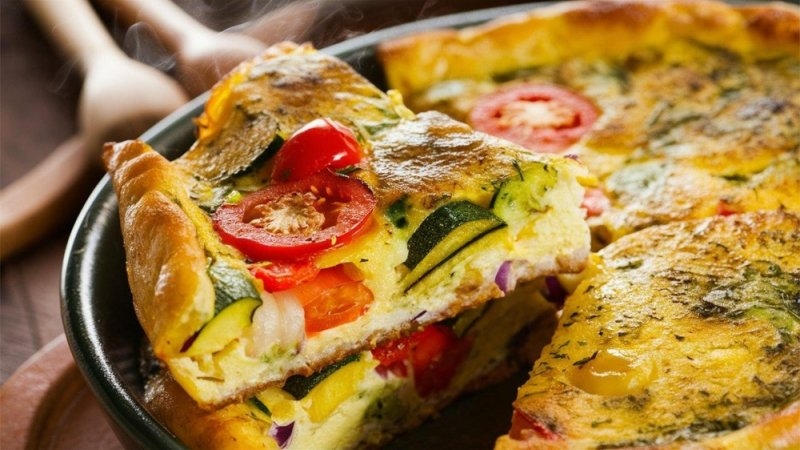
Here is how you can elevate your already-made veggie frittata even more exceptionally:
The visual appeal of your frittata starts with the ingredients you choose.
Garnishing your frittata with fresh herbs is an easy way to add color and freshness.
When serving the frittata, slice it into even wedges with a sharp knife.
Presenting the frittata in the skillet it was cooked in gives it a rustic, homey feel.
Serving the frittata with a simple side salad adds color and contrast to the plate.
Also Read: How to Make Veggie Nuggets for Kids: A Step-By-Step Recipe
A fluffy vegetable frittata is more than just a meal; it’s a culinary canvas that allows you to express your creativity and enjoy a wholesome, satisfying dish. With its endless variations and simple preparation, the frittata will become a staple in your home cooking repertoire.
So gather your ingredients, heat your skillet, and get ready to enjoy the deliciousness of a homemade vegetable frittata!
A dependable guideline for maximum fluffiness is using roughly one to two tablespoons of dairy milk, heavy cream, or full-fat yogurt for every whole egg whisked into the batter.
The frittata is finished when the center is just set with a slight jiggle, reaching an internal temperature of 160°F before resting off the heat source.
Yes, pouring the egg and vegetable mixture into muffin cups creates perfectly portioned mini frittata bites that bake quickly and work well for lunchboxes.
Unsweetened almond milk, oat milk, or canned full-fat coconut milk combined with a pinch of baking powder will create a similar airy lift without dairy.
Leftover frittata slices keep in an airtight container for up to four days and are best reheated gently in a toaster oven or skillet over low heat to maintain texture.
This content was created by AI