

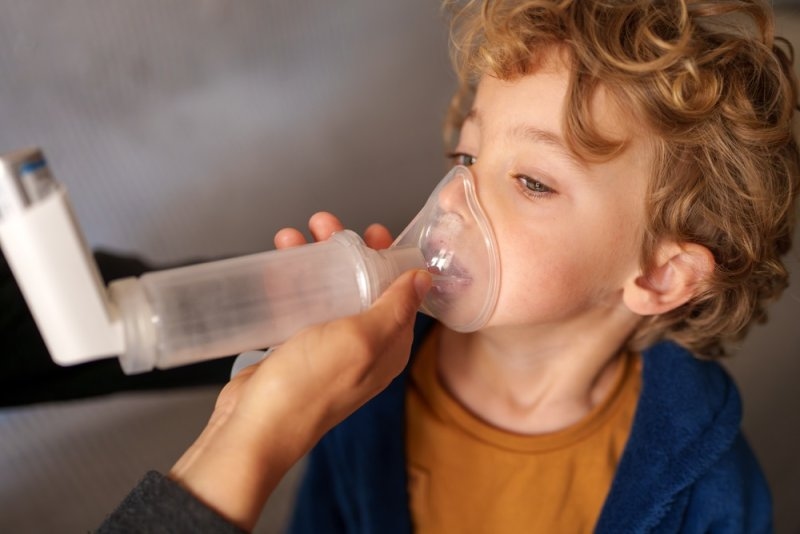
Asthma is among the most common chronic conditions of children worldwide. Its distinguishing feature is inflammation and narrowing of the airways, making it hard for them to breathe efficiently.
Epidemiological studies indicate that pediatric asthma accounts for millions of missed school days each year, yet consistent trigger management and adherence to daily preventive routines can reduce severe flare-ups by over 60%.
Managing a child's asthma can truly overwhelm parents and, at times, pose great difficulty in their lives. However, understanding the disease and its triggers, as well as ways of controlling and preventing it, can lead to a healthier and more active life for their child.
Childhood asthma occurs when the lungs of children become inflamed, causing wheezing, coughing, and difficulty breathing repeatedly. The airways in children are much more sensitive and reactive than the airways in adults, causing them to swell and produce more mucus.
Asthma usually sets in at rather early ages, ranging from mild to severe cases. Some children may 'grow out' of asthma, while most end up suffering from it even in adulthood. For some people, the symptoms may also get better or worse with time. Recognizing common triggers and creating an individual asthma management plan is essential.
Learn More: Understanding Pediatric Obstructive Sleep Apnea in Children
Asthma also may interfere with everyday activities like playing, sports, and school. Uncontrolled asthma may lead to frequent emergency department visits, absence from school, and psychosocial effects because of restrictions that can be associated with this illness.
Yet, with appropriate management, children can enjoy full and active lifestyles like any other children.
There can be numerous reasons for asthma among children, and here is the list below:
Allergens are one of the main triggers of asthma in children, with many different types of allergens, like pollen, dust mites, molds, pet dander, and cockroach droppings.
When a child is exposed to any of these materials, they irritate a child's airways and pose the risk of an asthma attack.
At certain times of the year, asthma gets aggravated, with pollen levels reaching heights during certain months, like spring.
Common colds and other viruses, such as the flu, are the main causes of asthma attacks in children.
Children are more prone to asthma, as their immunity has not properly developed. This is because airway inflammation from viral infections makes it much harder to breathe.
Environmental irritants include exposure to cigarette smoke and air pollution, as well as chemicals in fumes and sometimes strong odors. The most important cause is exposure to secondhand smoke.
There are certain exercise and yoga poses that trigger the nasal area and stimulate it. Making it worse for children to breathe. Apart from this, kids can also experience asthma symptoms while playing in the park and performing any outdoor activity.
Sudden changes in temperature or humidity act as triggers of asthmatic conditions. Cold, dry air is particularly bad for children with asthma, as it irritates the already sensitive airways, causing them to constrict.
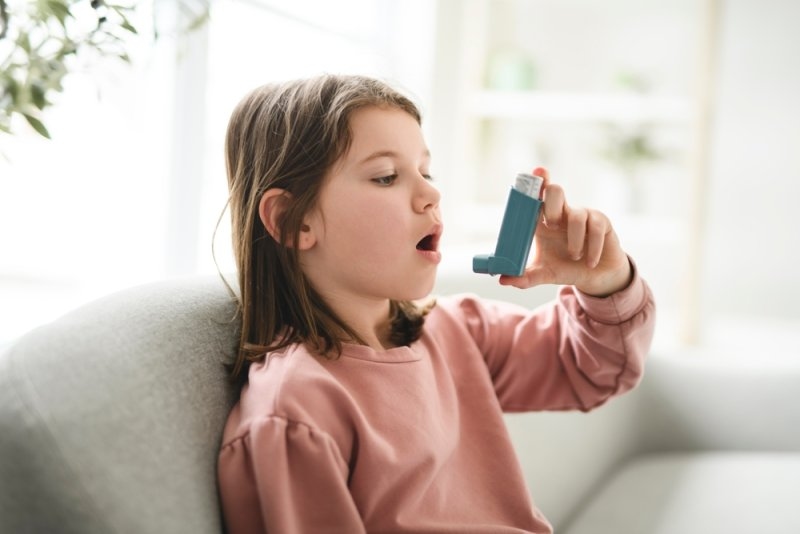
The basic symptoms of asthma in children include the following:
Asthma patients often find themselves breathless doing physical activities or at night. This may be defined as rapid, shallow breathing, which requires an immediate visit to the emergency room.
A chronic cough, which is worse at night or early morning, is one of the most common signs of asthma. It is usually non-productive and dry, but in some patients, it may present with some mucus.
This leads to a feeling of tightness or pressure in the chest and becomes uncomfortable for a child to take a deep breath.
Oxygen intake restriction is usually accompanied by tiredness or fatigue. Children suffering from asthma often appear lazy and less motivated to participate in previously enjoyed physical activities.
Asthma is a difficult health issue to beat, but with regular implementation of the following, it can be managed:
An action plan for asthma is a plan that is documented and made together with your healthcare provider.
The child's daily medication program will be included in this plan, along with what to do, when to do and when an asthma attack takes place, and when to seek emergency assistance.
This plan will act like a roadmap for managing asthma effectively. Also, it becomes an essential tool for both parents and caregivers.
It is very important to keep track of the symptoms to find out patterns or triggers. Parents could use a portable flow meter to assess their child's lung function. Monitoring on a regular basis leads to early warnings of the symptoms of an impending asthma attack, enabling timely intervention.
Trigger identification and avoidance is one key principle of asthma management. For example, if pollen is found to be the trigger, then keeping windows closed during the high pollen period would be helpful. Other such actions, such as using hypoallergenic bedding and using air purifiers, would help in minimizing exposure to dust mite triggers of asthma.
Teaching self-awareness to the young ones concerning their current asthma status would be best. It would include them knowing and distinguishing the physical symptoms, using inhalers, and identifying when they are feeling ill. Older kids could also be taught how to use a peak flow meter.
Routine visits to the healthcare provider ensure that the asthma management strategy is efficient and up to date. These visits also provide an opportunity to make necessary changes to a child's medication or strategy according to the child's changing needs.
You can try the following for relief from asthma:
They are commonly known as "rescue inhalers" and can relieve asthma attacks by relaxing airway muscles, thereby restoring normal breathing. Albuterol is the common medication in this inhaler.
These are used each day to help by inhaling corticosteroids to reduce airway inflammation and prevent asthma attacks. They are needed, especially with children with persistent asthma.
In case of triggering allergies, antihistamines would be given or immunotherapy (allergy shots). Over time, they help in losing their sensitivity to allergens.
It mist-administers the medicine so that the medication reaches the lungs because children below four years do not blow the inhalers that well.
They maintain airways open for long periods, being combined mostly with corticosteroids for greater efficacy in treatment.
Here they are listed below:
Reducing airborne allergens can reduce the chances of asthmatic seizure episodes. Vacuum carpets regularly, wash bedding, use air purifiers, and have regular sessions to limit exposure to dust and other allergens within the house.
Because respiratory infections set asthma symptoms in motion, it is very important to maintain proper hygiene practices: handwashing, timely vaccinations, and avoiding anyone sick from your child as much as possible.
Allergen control is very important for children with asthma. Consider covering mattresses and pillows with hypoallergenic covers, keeping pets out of bedrooms, and sealing leaks to prevent mold growth.
To ward off asthma, secondhand smoke is an important concern. Make your home smoke-free and avoid exposing your child to places where people gather together to smoke.
Health promotes and strengthens the immune system and keeps the lungs healthy. A well-balanced diet rich in fruits, vegetables, and omega-3 fatty acids, moderate daily activity according to your child's limits, and well-rested sleep are major contributors.
It requires holistic approaches for childhood asthma management to understand the condition, avoid triggers, and use effective treatments. By implementing the strategy above, parents could do their part in making it possible for the children with asthma to lead a healthy, active life.
Early intervention and consistent treatment can make a huge difference in the lives of children suffering from asthma. With the right arms and knowing the tactics to work with, parents would be solidly empowered to fight the thorn that is asthma and enable their children to prosper.
Keeping indoor humidity levels between 30% and 50% prevents the proliferation of dust mites and mold spores, both of which are primary environmental causes of nocturnal asthma attacks.
Parents should opt for fragrance-free, non-volatile green cleaners like diluted white vinegar, baking soda, or microfiber cloths, avoiding harsh aerosol sprays and heavily scented bleach products.
Yes, respiratory viruses like the flu are major triggers for severe pediatric asthma flare-ups, making annual flu shots and up-to-date vaccinations a crucial line of defense.
Practicing deep belly breathing and controlled exhalation strengthens the diaphragm, increases vital lung capacity, and helps children remain calm during mild respiratory distress.
Rescue inhalers provide fast-acting, short-term relief by relaxing tightened airway muscles during acute symptoms, whereas daily controller medications work over time to reduce underlying airway inflammation and prevent attacks.
This content was created by AI