

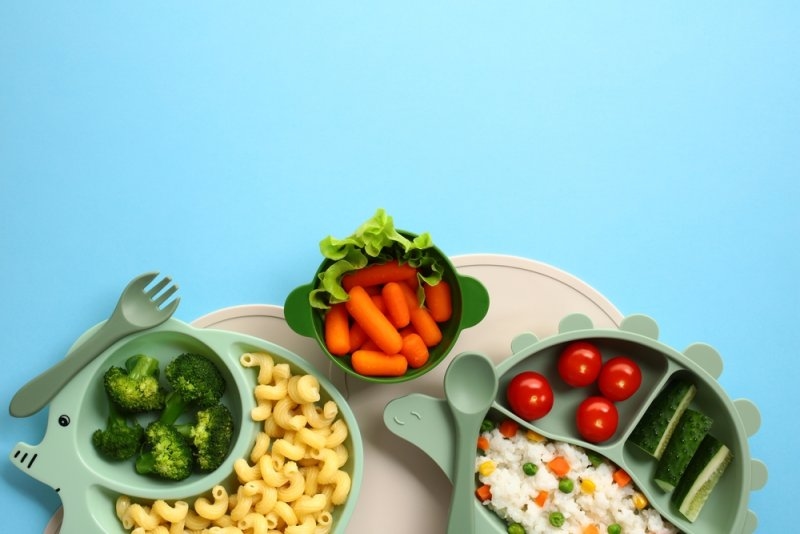
Feeding kids right has never felt more important. Between busy schedules, school meals, and endless snack choices, it’s easy to forget what a balanced diet for children really means. But 2025 brings some refreshing changes.
Pediatric dietary surveys reveal that fewer than 10% of children aged 4 to 18 consume the daily recommended servings of vegetables, highlighting a critical gap in childhood micronutrient intake.
Schools are rethinking menus, parents are getting smarter about labels, and kids are finally warming up to veggies that once made them squirm.
Good nutrition isn’t just about keeping your child full. It’s about focus, energy, immunity, and mood. The habits kids form now often stick for life. So, let’s talk about what’s really happening in kids' nutrition in 2025 and how you can make healthy eating simple, practical, and actually enjoyable.
Every parent wants their child to grow strong, learn fast, and stay active. That starts with balance, a mix of nutrients that fuels both body and brain.
Here’s what a balanced diet for children looks like today:
The trick is to mix these into daily meals without making it feel like a chore. A child’s plate should look like a rainbow—half fruits and veggies, a quarter grains, and a quarter protein. It’s simple, colorful, and balanced.
Top Pick: Top 15 Quick and Healthy Travel Snacks for Kids on the Go
Let’s face it, kids can be picky. But 2025’s food trends are making healthy choices a lot more exciting. Schools and food brands are adapting fast, focusing on freshness, sustainability, and variety.
According to recent trends highlighted by AmeriPak, here’s what’s shaping healthy food for kids this year:
Meatless doesn’t mean tasteless anymore. Think lentil tacos, veggie nuggets, or black bean burgers. Kids love it when healthy food looks familiar.
Schools are moving toward locally grown fruits and veggies. Parents can follow the same idea: fresh strawberries in spring or sweet potatoes in winter.
Food is becoming more global. It’s common to see rice bowls inspired by Asian meals or Mediterranean chickpea salads. These flavors make healthy eating fun.
Parents are choosing foods without additives or confusing ingredients. If you can’t pronounce it, you probably don’t need it.
The classic chips-and-juice combo is fading. Today’s snacks are yogurt with berries, hummus with carrots, or nut butter sandwiches on whole-grain bread.
Healthy food for kids doesn’t need to be fancy. It just needs to be real, colorful, and made with care.
Explore More: Discover Top Immune-Boosting Foods for Kids
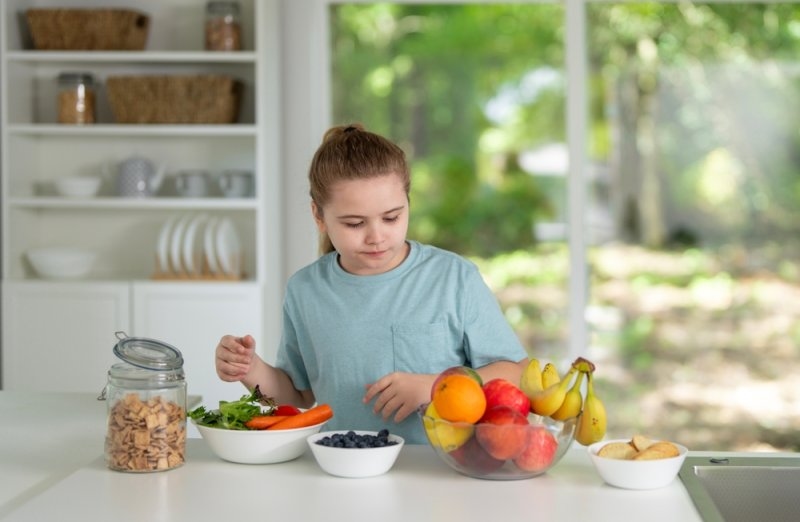
Parents know the struggle, you plan a balanced meal, and your kid turns it down. That’s where creativity comes in. These child meal ideas bring balance and taste together.
Start the day strong with energy and flavor.
Keep it simple, fun, and packed with nutrients.
A warm, filling meal that kids will enjoy should be the last one of the day.
A little planning saves a lot of hunger drama.
With the above-mentioned pediatric meal ideas, you are not only supplying your children but also educating them that food can be playful, nutritious, and gratifying.
Even the best meal plan can hit bumps. Picky eaters, tight budgets, allergies—they're all part of parenting.
The key is to stay consistent. One unbalanced day doesn’t ruin progress. What matters is the overall pattern; most days, real food wins.
This year, nutrition is not only about what is served but also how food relates to sustainability, culture, and mindfulness. Schools teach children why food is important, not just what to eat. Parents are becoming more scrutinizing of food labels and involving their children in cooking.
Providing healthy food for kids has become a part of daily life rather than an afterthought.
And with cleaner ingredients, global flavors, and more plant-based meals, children are learning that healthy can actually taste amazing.
A balanced diet for children isn’t a strict plan; it’s a rhythm. Some days include pizza, others quinoa bowls. What counts is variety, color, and a little patience along the way.
Must Try: 5 Learning Toys That Teach Kids About Healthy Foods
Nurturing healthy eaters in 2025 is going to be a matter of welcoming change while still going back to the basics. Provide more real food, let your children make choices, and keep meals flexible and entertaining.
Introduce one new healthy recipe each week, take your kids to the market, and talk about where food comes from. Small habits develop into lifelong skills.
Proper nutrition is more than just building strong bones. It creates concentration, self-assurance, and sturdiness. So the next time you are organizing lunch or a snack, think: kids' nutrition 2025 is not about perfection. It is about progress, one colorful plate at a time.
As children transition into adolescence, their requirement for key growth minerals like calcium, iron, and zinc increases significantly to support rapid bone elongation and expanding blood volume.
Parents can maintain a detailed food and symptom journal to track physical reactions like digestive distress or skin flare-ups before working with a pediatrician to conduct elimination protocols.
Even mild dehydration can impair a child's concentration, short-term memory recall, and physical endurance, making regular water consumption critical throughout the school day.
Combining complementary plant proteins such as beans with whole grains ensures children receive all nine essential amino acids needed for muscle tissue growth and recovery.
A diverse gut microbiome breaks down complex fibers into beneficial short-chain fatty acids, directly enhancing the intestinal wall's capacity to absorb essential vitamins and minerals.
This content was created by AI