

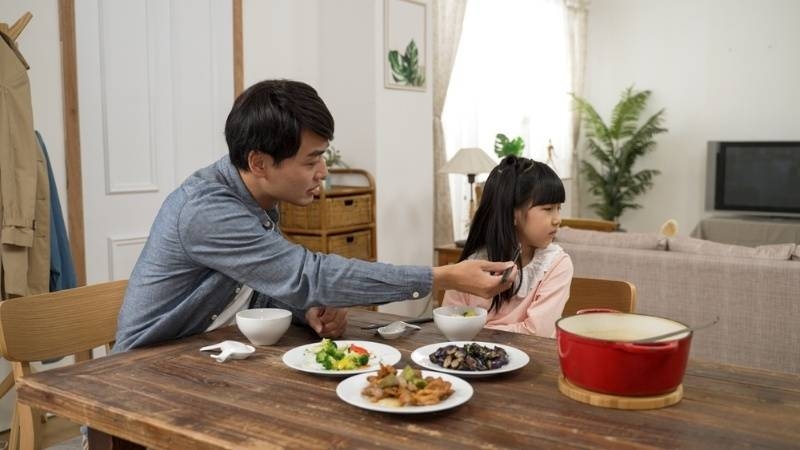
Picky eater solutions are simple ways to help children eat better without stress or force. Many parents deal with this daily, and it often feels exhausting.
This blog explains how to deal with picky eaters and improve children's eating habits. It will also cover the best picky eater solutions.
Top Pick: Kids Nutrition 2025: Healthy Food Ideas for Children
This is not about quick fixes. It is about small daily actions that slowly change behavior. The steps may feel basic, but that is exactly why they work.
Children feel more secure when meals happen at the same time every day. It removes confusion. When the body expects food at certain hours, hunger builds naturally, and resistance during meals reduces without any argument.
A full plate can feel like pressure, even if no one says anything. Smaller portions look easier. Children are more willing to try something when it does not feel like a big task.
Refusal is common, and reacting too much often makes it worse. A calm response shows that food is normal, not something to fight about. Over time, this lowers resistance.
Just because a child refused once does not mean they will always refuse. Repeating the same food after a few days helps them get used to it. Familiarity slowly builds acceptance.
Children copy what they see. When they watch others eat the same food calmly, they become more open to trying it. It does not happen instantly, but it works quietly in the background.
-1775727810-r.jpeg)
These methods are based on how children naturally respond to food. There is no pressure here, only simple adjustments that make meals easier.
Children need time to adjust to new foods. Seeing it again and again makes it less strange. Touching, smelling, or even just keeping it on the plate counts as progress.
Too many options can overwhelm children. Two simple choices work better. It gives them a sense of control without complicating the situation.
Irregular eating patterns can reduce hunger. When meals and snacks are spaced properly, children feel hungry at the right time. That alone changes how they approach food.
Food should not be linked with reward or punishment. When emotions enter the scene, eating becomes stressful. A neutral approach helps children focus only on food.
Some days children eat more and other days less. That is normal. Trying to control every bite creates tension, which usually leads to more resistance.
Top Pick: 5 Learning Toys That Teach Kids About Healthy Foods
This part focuses on daily habits that shape long-term behavior. Nothing complicated, just practical changes that fit into normal routines.
A steady schedule trains the body to expect food. Random eating often leads to poor appetite. Consistency helps children feel hungry when it is time to eat.
Let children feed themselves, even if it gets messy. It builds confidence. When they feel in control, they are more open to trying different foods.
Mixed or complex meals can confuse children. Simple food looks familiar and feels safe. That increases the chances of acceptance.
Screens can distract from food. When children focus only on eating, they become more aware of taste and hunger.
Improvement does not happen overnight. Some days will feel like no progress at all. Staying patient makes a big difference over time.
Snacks play a bigger role than most people think. They can either support good eating habits or completely ruin appetite.
These are simple, naturally sweet, and easy to eat. They work well because children already recognize these fruits and feel comfortable with them.
Soft texture and mild sweetness make them easy to accept. They are filling without being heavy, which makes them a good snack option.
The texture is smooth, and the taste is mild. Adding fruit gives a slight variation without making it too different.
These are easy to hold and chew. They also allow children to explore crunchy textures without pressure.
Soft bread with basic fillings keeps things familiar. It is filling and does not feel complicated, which helps with acceptance.
Children do not always reject food because they dislike it. Often, they reject it because it feels unfamiliar. That small detail changes everything.
Kids' food psychology shows that children prefer what they already know. New textures, smells, or colors can feel uncomfortable. This is not stubbornness. It is just how they process new experiences.
When adults understand kids' food psychology, they stop forcing food. Instead, they allow time and repetition. Slowly, the unfamiliar becomes normal, and resistance fades without conflict.
Toddler food ideas should be practical. Not fancy. Not complicated. Just food that children can understand and accept.
Simple meals like rice with soft vegetables or plain bread with fillings work better than mixed dishes. The clearer the food looks, the easier it is for children to accept it.
Using toddler food ideas that focus on simplicity helps reduce confusion. Over time, new items can be added, but slowly. That pace matters more than variety.
Picky eater solutions are not about forcing change. They are about building comfort with food through small, steady steps. When routines stay consistent and pressure is removed, children slowly begin to accept more foods. The process takes time, but the results last much longer.
Children often refuse food because it feels unfamiliar or different from what they know. It is not always about taste. Repeated exposure without pressure helps them slowly accept those foods over time without creating stress around meals.
Forcing may work in the short term, but it usually creates negative feelings toward food. Children may resist even more later. A calm and consistent approach works better because it builds trust and comfort instead of fear.
New foods can be offered regularly, but not forced. It is better to pair them with familiar items. This makes the experience less stressful and increases the chances of acceptance over time.
This content was created by AI