

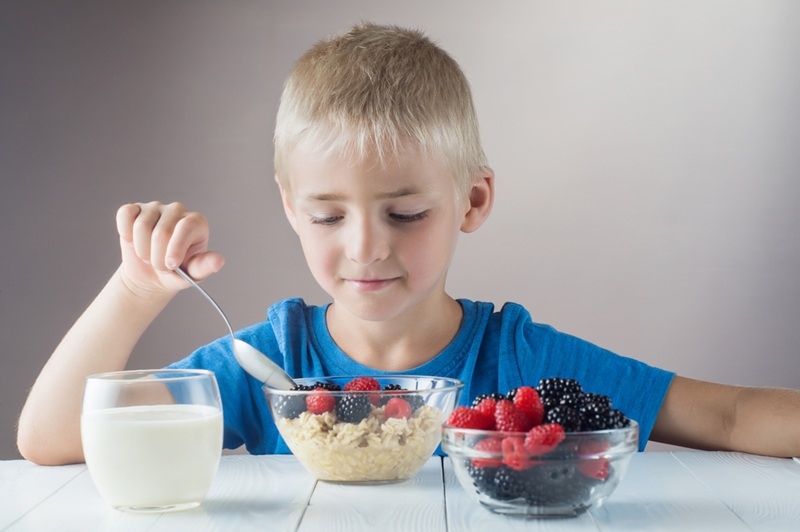
Toddlers can turn mealtime into theater. One day they love eggs. The next day eggs are apparently offensive. A bean gets touched, the plate is ruined, and everyone at the table suddenly feels tired. So when parents start wondering about iron, the stress gets real fast.
That worry is understandable. Children ages 1 to 3 need 7 mg of iron per day, according to the NIH Office of Dietary Supplements, and toddlers who drink too much milk or eat a very limited diet can miss the mark.
The good news is that improving iron intake usually does not require turning every meal into a battle. It works better when parents think in patterns, not perfection. A few smart food swaps, better pairings, and less pressure can go a long way.
Iron helps the body make hemoglobin, which carries oxygen in the blood. When toddlers do not get enough iron, they can develop iron deficiency and sometimes iron-deficiency anemia. The American Academy of Pediatrics also recommends screening for iron deficiency and iron-deficiency anemia at 12 months of age.
Parents do not need to panic over one picky week. But if a toddler is living on crackers, milk, yogurt, and vibes, it is worth paying attention. Iron is one of those nutrients that is easy to overlook until a child starts seeming pale, irritable, tired, or less interested in food. HealthyChildren lists pale skin, irritability, mild weakness, and tiring easily among common anemia signs.
The first step is not usually a fancy recipe. It is choosing foods that give more iron without requiring a toddler to suddenly become adventurous.
Some of the most practical Iron-Rich Foods for Toddler meals include iron-fortified cereals, beans, lentils, eggs, tofu, meat, poultry, and fish. CDC lists iron-fortified cereals, tofu, beans, lentils, and dark green leafy vegetables as non-heme iron sources, while HealthyChildren points to meat, poultry, fish, beans, eggs, and fortified grains as useful sources too.
That does not mean a toddler needs to eat a bowl of spinach and lentils with a smile. It means parents can sneak a little more iron into foods the child already accepts. Think fortified oatmeal, turkey meatballs, black beans mashed into quesadillas, or egg mixed into fried rice.
This part matters a lot and gets missed all the time. Iron from plant foods is absorbed better when it is eaten with vitamin C. CDC specifically recommends pairing non-heme iron foods with vitamin C-rich fruits and vegetables such as oranges, berries, tomatoes, broccoli, cabbage, papaya, and sweet potatoes.
So if a toddler will eat fortified cereal, add strawberries. If they like beans, serve them with tomatoes. If they tolerate chicken nuggets but not much else, offer fruit on the side instead of making the whole meal a negotiation. Tiny pairings count.
That is one of the most useful answers to How to get a picky toddler to eat iron? Make iron easier to absorb instead of obsessing only over the number of bites.
A lot of toddlers fill up on milk and then have almost no appetite left for solid foods. That can push iron-rich foods out of the day without anyone fully realizing it.
CDC says too much cow’s milk can make it harder for children’s bodies to absorb needed iron from foods and may reduce hunger for other nutrient-rich foods. Mayo Clinic advises that between ages 1 and 5, children should not drink more than 24 ounces of milk a day. Nemours also suggests about 16 to 24 ounces daily for toddlers.
So if a toddler is drinking milk all day and barely touching meals, this is worth adjusting. Not because milk is bad. It is not. But too much milk can crowd out better iron sources fast.
Parents often assume that if a toddler rejected a food twice, that food is dead forever. Not true. Toddlers frequently need repeated low-pressure exposure before accepting something new.
That means smaller portions work better than loaded plates. A teaspoon of lentils next to familiar food. One slice of turkey. A couple spoonfuls of iron-fortified cereal. Repetition without pressure is usually more effective than “just take three bites.” HealthyChildren notes that selective eating is common in toddlers, and balanced food groups over time matter more than one perfect meal.
This is where How to increase iron in picky toddlers becomes less about one magic food and more about giving good options again and again without turning the table into a power struggle.
On a Similar Note: Essential Kids Vitamins That Support Growth And Daily Health
A toddler does not care that quinoa is a “great nutrient-dense base.” They care whether the food feels familiar.
So build around accepted foods. Mix finely shredded beef into pasta sauce. Stir mashed beans into mac and cheese. Use iron-fortified oatmeal in muffins. Add ground turkey to grilled cheese filling. Serve hummus with crackers if that is less threatening than beans on a spoon.
These kinds of toddler-friendly Iron-Rich Foods for Toddler ideas work because they meet the child where they already are. CDC and HealthyChildren both point to fortified grains, beans, eggs, meats, and soy foods as useful options, so parents have room to work with what their child already likes.
Not every meal has to look healthy in a dramatic Instagram way. It just has to help.
Picky toddlers are experts at sensing pressure. The more adults plead, bribe, bargain, or stare, the more tense the meal can become.
A calmer approach usually works better. Put one iron-containing food on the plate with accepted foods. Let the child see it. Touch it. Ignore it. Eat it or not eat it. Then try again another day. That is how many toddlers slowly become less resistant to new foods. HealthyChildren’s toddler nutrition guidance emphasizes offering a range of foods and recognizing that selective eating is normal at this age.
This is also the most honest answer to How to get a picky toddler to eat iron? Less pressure, more routine, more repetition. Not glamorous. Usually effective.
Food strategies help, but sometimes a toddler needs medical evaluation too. If a child seems unusually pale, tired, weak, cranky, short of breath, less active, or is drinking huge amounts of milk while barely eating solids, it is worth checking in. HealthyChildren lists pale skin, irritability, weakness, and tiring easily as common anemia signs. MedlinePlus also includes tiredness, irritability, poor appetite, and pale skin.
Parents should also be careful with iron supplements. The NIH notes that too much iron can be dangerous, so supplements should not be started casually or dosed like vitamins-for-fun.
If there is concern about iron deficiency, testing and treatment decisions belong with the child’s clinician.
Read More: Top Choices of Food For Brain Development Of 6 Month Baby
This may be the biggest sanity saver. Toddlers are inconsistent eaters. One day they survive on toast and stubbornness. The next day they eat half the fridge.
So the goal is not perfect iron intake at every meal. It is building a week that includes more iron-rich opportunities, less milk overload, and better pairings with vitamin C. That pattern matters much more than one failed lunch.
Parents trying to figure out how to increase iron in picky toddlers do not need to become short-order chefs or nutrition calculators. They just need a handful of reliable foods, steady repetition, and enough patience to let change happen slowly.
And yes, slowly is still progress.
It can add a small amount of iron to some foods, especially moist or acidic dishes, but it should be treated as a bonus rather than the main plan. HealthyChildren notes that iron cooking pots may make a small contribution to iron intake.
They can be, but they need more planning because non-heme iron from plant foods is absorbed less efficiently than heme iron from animal foods. Pairing plant-based iron foods with vitamin C-rich foods helps improve absorption.
Yes, it can be. Nemours suggests serving iron-fortified infant cereal until about 18 to 24 months, and fortified cereals remain one of the easier iron sources for selective eaters.
This content was created by AI