

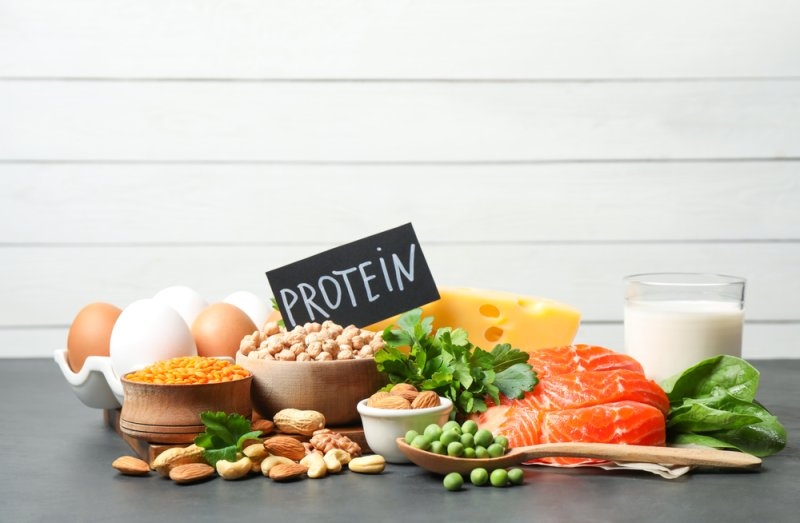
Every parent wants their kid to grow up strong, feel energetic, and build healthy habits that stick. One of the easiest ways to help? Make sure they’re eating enough protein. Protein supports everything from growing muscles and immunity to brain power for growing children.
Kids are always growing, so protein is extra important. The USDA says children ages 4–13 usually need about 19–34 grams per day, depending on their age and activity level. A lot of parents worry their child isn’t getting enough protein—especially with picky eaters or packed schedules.
Here’s the good part: there’s no shortage of kid-friendly protein foods, high-protein foods for kids that are quick to prepare and, honestly, pretty tasty. This guide covers the best protein-rich choices for kids, breaks down how much protein they actually need, offers protein snacks for kids, and shares a healthy kids' diet and easy breakfast ideas, along with meal and snack tips that work for real families.
Protein is built from amino acids—think of those as tiny building blocks for muscles, bones, and the rest of the body. For kids, protein is key, and it makes foods that help kids grow stronger:
And when kids get enough protein throughout the day, they stay full longer, so they’re less likely to reach for sugary snacks.
So, what’s the right amount? Here’s a basic guide:
Most kids can meet these needs just by eating balanced meals—no supplements necessary.
Protein is an essential nutrient that every kid needs for growth and development. Here are the best protein-rich foods for kids that you can make for your kids:
Eggs are a classic—they’re affordable, easy to cook in a ton of ways, and high-protein foods for kids. One large egg provides about 6 grams of protein, plus vitamin D, choline, and healthy fats to support brain health.
Breakfast Ideas With Eggs
All fast and easy protein-rich meals for picky kids.
When it comes to yogurt, Greek is the protein powerhouse—10–15 grams per serving, no cooking required.
Try these yogurt options:
These make good breakfasts or simple snacks when you’re in a rush.
Lean meats like chicken and turkey pack a protein punch—15–20 grams per small serving—plus iron and zinc.
Fast Meal Ideas for Picky Kids with chicken and turkey:
These are familiar, comforting, and generally easy wins.
If you’re looking for plant-based proteins, beans and lentils are hard to beat. They’re full of fiber, too, to help digestion and keep kids feeling full, and are a true source of protein-rich meals for kids.
Bean-Based Meals
Combine beans with grains to make a complete protein and create filling meals.
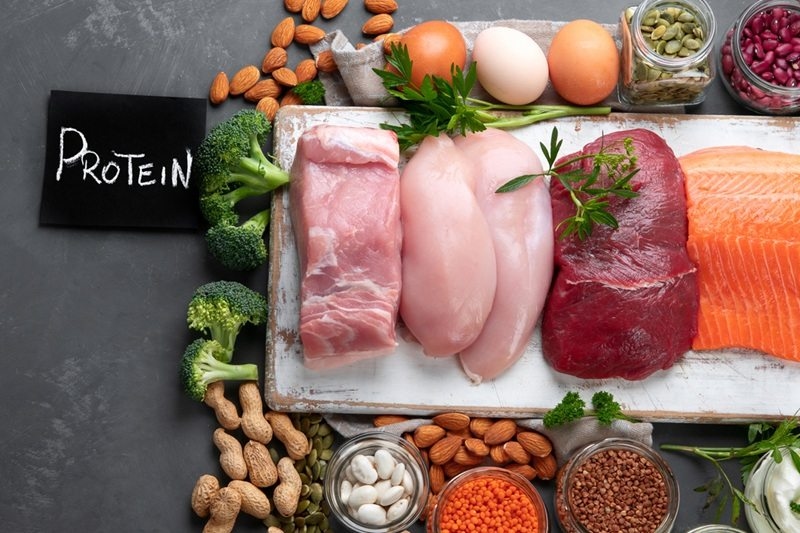
Nut butters like peanut or almond are an easy, nutrient-rich option. Two tablespoons? That’s about 7–8 grams of protein with bonus healthy fats.
Snack Ideas:
Always double-check for allergies before serving nuts.
Fish like salmon, tuna, and cod aren’t just protein sources—they’ve got brain-boosting omega-3s and should be included in a healthy kid's diet.
Easy Fish Meals:
Try to serve fish once or twice a week for variety and nutrition.
Tofu is a favorite in many vegetarian homes—it takes on any flavor, and many kids like its texture. Soy and Tofu are a warehouse of tasty and delicious dishes for vegetarian protein-rich foods for kids.
Ways to Serve Tofu
Soy foods deliver complete protein, especially useful if you’re plant-based.
While not as protein-rich as meat or eggs, oats have more protein than most cereals and can help hit daily needs. Whole grains and oats are on-the-go, protein-rich breakfast ideas for kids.
Oat-Based Breakfasts
Great for keeping kids satisfied until lunch.
Here’s a simple sample to hit those protein marks for most school-age kids:
Meal | Protein Source |
| Breakfast | Scrambled eggs + toast |
| Snack | Greek yogurt with berries |
| Lunch | Chicken wrap with cheese |
| Snack | Apple with peanut butter |
| Dinner | Salmon, rice, and broccoli |
This balanced approach easily provides enough protein for many school-age children.
Try This: Hidden Veggie Meals For Kids They Will Ask For Again
Here are some things you need to avoid:
Kids usually don’t need protein shakes. Whole foods bring not just protein but also vitamins, minerals, and fiber.
Protein at breakfast, lunch, and snacks keeps kids steady and helps control appetite. Provide your kid with protein at all times.
Just keep offering small portions with no pressure. Sometimes, it really is about trial and error.
Getting enough protein into your child’s day doesn’t have to be complicated. Eggs, Greek yogurt, chicken, beans, fish, tofu, and nut butters are healthy protein food options that fit right into family life.
If you are wondering about healthy high-protein snacks for kids, add protein to every meal, toss in some high-protein snacks, and focus on foods your child actually likes; you’ll help pave the way for strong growth, better focus, and steady energy—all without stressing about perfection. For more real-life meal ideas and fun ways to build food habits, sites like KidsActivityPage.com have you covered.
Start simple. Maybe you just put an egg at breakfast tomorrow or stir peanut butter into the morning oatmeal. Over time, these small steps add up to healthy habits.
Absolutely. Kids should have protein foods every day—protein is a building block for their bodies, brains, and immune systems. Just mix it up—eggs, dairy, beans, fish, poultry, tofu—so they get nutrients from a variety of foods, not just one source.
Yes, plant-based proteins can do the job, as long as meals are planned with some variety. Beans, lentils, tofu, soy milk, nuts, seeds, and whole grains, in different combinations throughout the day, provide all the essential amino acids. Plenty of vegetarian families find this approach works well.
Don’t go overboard or force huge servings. Offer small tastes, often paired with familiar dishes. Get your child involved in the kitchen, and try new textures—like blending protein into smoothies or baking it into muffins. Mixing new proteins with foods your child already likes, whether fruits or pasta, can make acceptance easier over time.
This content was created by AI