

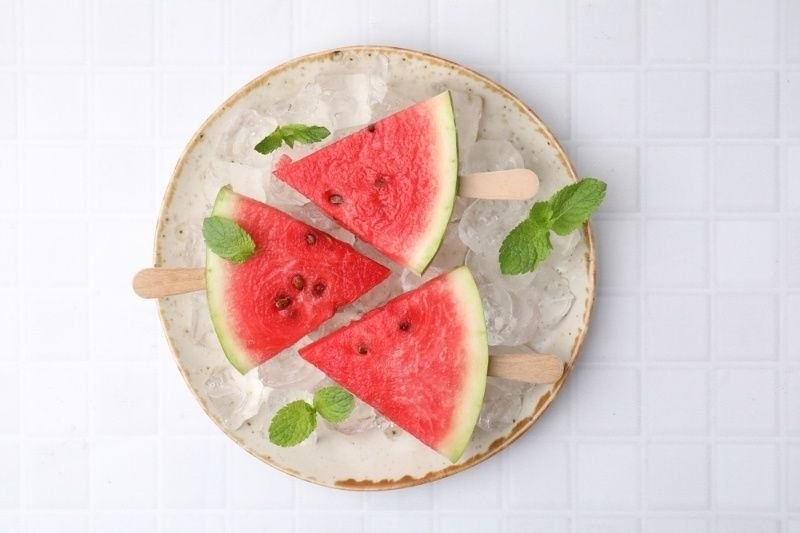
Healthy summer snacks can make a huge difference in how children feel during long, hot days. When temperatures rise, kids often reach for sugary ice cream, chips, or packaged treats that provide quick energy but little nutrition.
According to the CDC, children should eat a variety of fruits, vegetables, whole grains, and protein-rich foods to support healthy growth and maintain energy levels throughout the day. Summer is actually one of the easiest seasons to introduce fresh, colorful, and hydrating foods that children genuinely enjoy.
The challenge for many parents is finding healthy summer snacks for kids that are quick to prepare, affordable, and appealing even to picky eaters. In this article, we will explore easy, healthy summer snacks for kids, refreshing cold treats, homemade snack ideas, and practical ways to keep children energized all summer long.
Children are often more active during summer break. They spend more time outdoors, swimming, biking, playing sports, or attending camps. Hot weather also increases the risk of dehydration and energy crashes.
Nutritious snacks can help:
Choosing healthy snacks for kids during summer break is not about eliminating treats completely. It is about making nourishing foods the easiest and most attractive option.
Mix plain Greek yogurt with fresh blueberries, strawberries, or raspberries. Spoon small dollops onto a baking sheet and freeze for 2–3 hours.
These bites are rich in protein, calcium, and antioxidants. They taste similar to frozen candy but contain far less added sugar, making them one of the simplest healthy cold snacks for kids.
Slice a large round piece of watermelon and top it with yogurt, kiwi, berries, and shredded coconut. Cut it into wedges like a pizza.
Watermelon is about 92% water, which makes it excellent for hydration. The colorful toppings also encourage children to eat a wider variety of fruits.
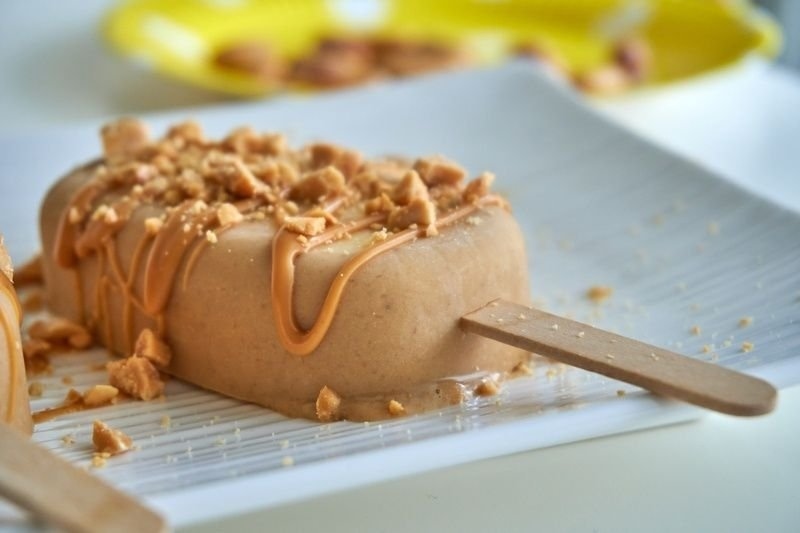
Insert popsicle sticks into banana halves, spread with natural peanut butter, and roll in crushed nuts, oats, or mini dark chocolate chips. Freeze until firm.
This snack provides potassium, healthy fats, and fiber, helping kids stay full longer after outdoor activities.
Essential Reads: Top 15 Quick and Healthy Travel Snacks for Kids on the Go
Fill small cups with cucumber sticks, carrot strips, and a spoonful of hummus. Keep them chilled in the refrigerator for easy grab-and-go snacking.
These cups are crunchy, refreshing, and packed with fiber and plant-based protein. They are especially useful for busy summer afternoons when children want something quick.
Blend mango, pineapple, strawberries, or peaches with a little yogurt or coconut water. Pour the mixture into popsicle molds and freeze overnight.
Unlike many store-bought popsicles, homemade versions allow you to control the ingredients and avoid excessive added sugars and artificial colors.
Slice apples into thin rounds and drizzle with almond butter or peanut butter. Sprinkle with granola, chia seeds, or raisins for extra texture.
This snack combines natural sweetness, healthy fats, and whole-grain crunch, making it a satisfying option between meals.
Roll slices of turkey and cheese together and serve with cherry tomatoes or grapes. These bite-sized snacks are easy for children to eat independently.
The combination of protein and calcium helps support muscle recovery after sports, swimming, or other active summer activities.
Combine oats, milk, yogurt, and chia seeds in a jar and refrigerate overnight. In the morning, top with peaches, strawberries, or blueberries.
Overnight oats are one of the easiest summer snack ideas for kids because they can also double as a light breakfast or post-play snack.
Create a homemade mix using whole-grain cereal, unsalted nuts, sunflower seeds, pumpkin seeds, and a small amount of dried fruit. Store portions in reusable containers.
This is a practical option for road trips, beach days, park visits, or summer camps because it requires no refrigeration and provides lasting energy.
| Age Group | Snack Ideas |
| Toddlers (2–4) | Banana slices, yogurt bites, soft berries |
| Young Kids (5–8) | Watermelon pizza, cucumber cups, fruit popsicles |
| Older Kids (9–12) | Apple nachos, overnight oats, turkey roll-ups |
| Teens | Smoothie bowls, trail mix, protein yogurt parfaits |
Matching snack textures and portion sizes to a child’s age makes healthy eating much easier and reduces food waste.
Wash fruit, cut vegetables, portion yogurt, and freeze popsicles ahead of time. When healthy foods are already prepared, children are much more likely to choose them.
Serve snacks with cold water, fruit-infused water, or unsweetened sparkling water instead of soda or sugary juice drinks. Hydration is just as important as nutrition during summer.
Set up a small snack station with fruit, yogurt, nuts, granola, and vegetables. Allowing children to assemble their own combinations increases excitement and encourages healthier choices.
Try This: Creating A Healthy School Lunch For A Delicious Snack Time
Many foods marketed to children appear healthy but contain high amounts of added sugar, sodium, or refined carbohydrates. Watch out for:
Reading ingredient labels can help you identify genuinely nutritious snacks for kids rather than heavily processed convenience foods.
Healthy summer snacks do not need to be complicated, expensive, or time-consuming. Simple foods such as frozen yogurt berry bites, watermelon fruit pizza, homemade popsicles, cucumber hummus cups, and apple nachos can keep children hydrated, energized, and satisfied throughout the hottest months of the year.
The key is to combine fresh produce, protein, healthy fats, and plenty of fluids while keeping preparation simple enough for real family life. Small changes in daily snacking habits can improve energy levels, reduce reliance on processed foods, and help children develop healthier eating patterns that last beyond summer. For more practical family-friendly food ideas, activity-based nutrition tips, and creative seasonal recipes, KidsActivityPage.com offers additional inspiration for parents who want healthy eating to feel fun rather than restrictive.
Start this week by preparing just three healthy summer snacks in advance and keeping them at eye level in the fridge. When nutritious choices are easy to see and easy to grab, children are far more likely to enjoy healthy eating all summer long.
Yes. Frozen fruits retain most of their nutrients and can be a convenient alternative to fresh fruit. Grapes, mango chunks, blueberries, and banana slices become naturally sweet, refreshing treats when frozen. They also help cool children down after outdoor play and contain no added sugar when purchased plain.
Most children do well with one to three snacks per day, depending on their age, activity level, and meal schedule. During summer, active kids may need an afternoon snack after swimming, biking, or sports. The goal is to offer balanced snacks that include fruit, protein, or whole grains rather than constant grazing on processed foods.
Nut-free options include cheese cubes with grapes, yogurt parfaits, hummus with vegetables, whole-grain crackers with sunflower seed butter, homemade fruit popsicles, and popcorn mixed with dried fruit. These snacks travel well, provide steady energy, and are often suitable for camps or programs with nut-allergy restrictions.
Smoothies can work as a healthy summer snack if they contain a balance of fruit, protein, and healthy fats. A smoothie made with yogurt, berries, banana, spinach, and chia seeds is much more filling than one made only with fruit juice. Including protein helps prevent hunger from returning too quickly.
The best time is usually mid-morning or mid-afternoon, when children naturally experience energy dips between meals. Offering a planned snack about 2–3 hours after a meal helps maintain energy, supports concentration, and reduces the likelihood of overeating sugary foods later in the day.
This content was created by AI