


When we think of eating habits, we often imagine something complex. What habits could be simpler than eating right? It's a practice that repeats every day. As parents, our role is to guide our children in making the right choices when they eat. But how can we do that? By modeling healthy habits ourselves.
Research shows that up to 90% of a child’s long-term food preferences and dietary behaviors are established before the age of six, making early childhood the most critical period for shaping nutritional habits. The things you do daily influence how your child views food as well as how they view themselves.
If you want your kids to have healthy eating habits for life, here are some essential tips from registered dietitians — who also happen to be moms — on cultivating good eating habits for life in your kids.
It is difficult to infuse anything good in people. As you know, learning bad ones is easier than cultivating the good ones. Similarly, infusing a lifelong healthy eating habit takes time. So, be patient and perform the following over time:
If you have poor eating habits, so will your kids. This is a no-brainer. If you eat a diet of candy bars, chocolate, soda, and potato chips, your kids are going to see that and copy you. If you order a bucket of fried chicken and fries for dinner, your child is going to see that and want that, too. If you exercise regularly, so will your child.
Children are sponges who pick up on everything you do. Starting healthy habits early is important for lifelong health. If your child sees you exercise regularly, they are more likely to do the same when they are older. Being a role model when it comes to food and exercise can help your child avoid developing unhealthy eating habits in the future.
Early in life, your child will develop a routine around eating. Whether this is a good routine or a bad one depends on how you guide them. If you feed your child whenever they cry, whine, or demand food, they'll develop an unhealthy relationship with food that could last a lifetime.
If you feed your child at set times during the day, and not whenever they want, this can help to develop a healthy relationship with food.
Try to make eating a routine for your child. If your child is still very young, give them meals at set intervals throughout the day, such as every three hours. As your child keeps growing older, they'll need to eat more frequently, so you should change this in accordance with their changing needs.
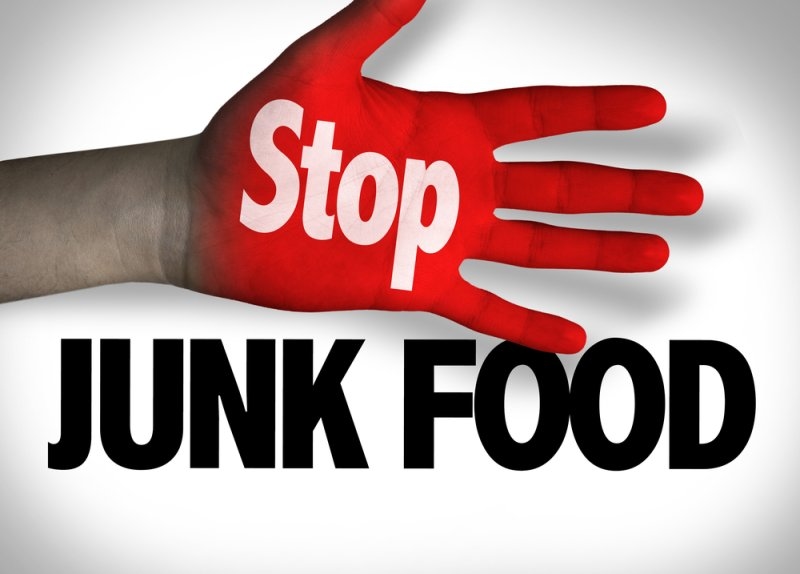
If your child wants a snack and asks for a bag of chips, crackers, cookies, or any other junk food, tell them no. Period. Junk food is rarely nutritious, and it's usually high in sugar, fat, or sodium. It's fine to let your child have a treat occasionally, but don't make it a regular thing. If your child asks for a certain type of food, ask them why.
This can lead to a healthy discussion about why certain foods are bad for you, and others are good for you. If your child wants a snack, try to offer them something nutritious, such as a piece of fresh fruit, a small bowl of nuts or trail mix, or some cheese and crackers.
Indeed, you can't force your child to eat healthy foods, but you can limit their access to unhealthy foods.
Make dinner a real family event. Sit down at the table with your kids and make it a time for conversation and bonding. Not only will this help to promote better eating habits in your child, but it will also help to lower the risk of childhood obesity. When you make eating a social activity, it helps to make it more enjoyable.
This, in turn, makes it more likely that your child will finish what they started. Eating together as a family is also a great way for your child to learn good table manners. What you do at the table as a family can have a lasting impact on how your child sees and experiences food.
As your child gets older, encourage them to help you prepare their own meals. Cooking for yourself is a skill that everyone should have, and getting your child into the kitchen at a young age is a great way to cultivate such skills. Not only will this help your child to eat healthily, but it's also a great money-saving skill.
Eating at home is cheaper than eating out, so getting your child to help you make food at home can help to save you money. If your child doesn't want to cook, that's fine.
However, they should know how to make healthy food at home, which can help them to avoid eating unhealthy processed foods.
Kids tend to love burgers, fries, and pizza, but they're not so keen on eating their greens. When your child is old enough to start eating vegetables, don't be afraid to go green. There's a perception that greens are bitter and gross, but they're actually a great source of fiber, vitamins, and minerals.
They're also a good source of protein. Getting your child to eat greens is important, as they're a great source of iron and calcium, both of which are essential for healthy growth.
If your child doesn't want to eat the greens, try sneaking them into casseroles, soups, stews, or other dishes where they can't really be seen or identified.
Indeed, athletes and other people who lead an active lifestyle often use protein shakes and supplements to help them build muscle and recover more quickly after a workout. However, it's best not to rely on them when it comes to the diet of your children.
Protein shakes and supplements are not as nutritious as real food, and they don't provide your child’s growing body with the vitamins and minerals that real food does. Instead of protein shakes, treat your kids with homemade shakes and juices to help them get all the nutrition they need in a fun and delicious way.
Homemade drinks made of natural and nutritious ingredients can act as a boost to energize and satisfy your child.
Parents often spend a lot of time telling their kids what to do, but do you ever tell them what not to do? If not, this can create a negative association with mealtime.
State things clearly, like
Once you set these clear expectations, it becomes much easier to enforce them. If you want your child to eat healthier, this starts at the dinner table.
When your child is very young, there's not much you can do to instill a taste for healthy food because they don't have one. However, as they get older, they start to develop their own taste and learn what they like and don't like. This is a good thing, but it can be a problem if they develop a taste for unhealthy foods.
This is why, as they get older, you should try to make eating healthy as appealing as possible. If your child likes a specific food, don't let them eat it as a side dish. Instead, turn it into a main dish that they can enjoy.
For example, if your child likes cheese, sprinkle it on pasta or make macaroni and cheese.
Creating healthy eating habits for our kids isn't easy. In fact, even adults struggle to find the balance between eating well and not going overboard with snacks, sugars, and fats. Fortunately, there are steps parents may take to support their children in creating lifelong healthy habits. Continue reading to discover more about how to accomplish it.
Whether you have an infant, preschooler, or pre-teen at home, the same rules apply when it comes to raising a child who loves healthy food. The key to their success is limiting access to junk food and sweets while increasing the number of wholesome meals they have each day.
By implementing these habits in your family culture, you'll raise little foodies who love kale as much as candy! Visit KidsAsActivityPage.com to learn more about how to raise your kids the right way!
It often takes 10 to 15 repeated exposures to a new food before a child becomes comfortable accepting and eating it.
Forcing children to finish everything on their plate suppresses their internal fullness signals and can increase the risk of overeating later in life.
Serve one cohesive family meal that includes at least one familiar "safe food" your child already likes alongside the new or less-favored items.
Completely banning sugary treats can heighten their appeal and lead to bingeing when access is available, so offering sweets in moderation alongside regular meals works better.
Keep nutrient-dense options like sliced fruits, raw vegetables, and whole-grain items visible and easily accessible at eye level in the kitchen.
This content was created by AI