

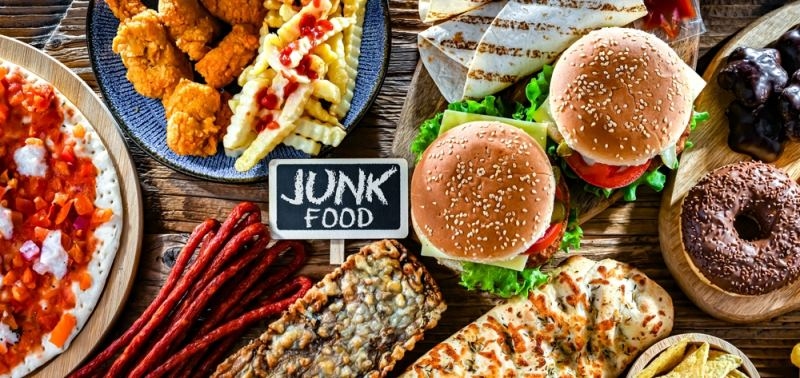
Junk food has become increasingly prevalent in our society, and it is affecting children's health in significant ways. Junk food consumption in kids is a growing concern, as it is leading to obesity, type 2 diabetes, and other health problems. Data from global health organizations indicates that over 18% of children and adolescents worldwide are currently living with obesity, primarily driven by the easy accessibility and frequent consumption of ultra-processed junk foods. So, in today’s article, we will share the effects and prevention of junk food consumption in kids.
Junk food refers to foods that are high in calories and low in nutrients, such as fried foods, sweets, soda, and processed snacks.
According to a report by the Centers for Disease Control and Prevention, approximately 1 in 5 school-aged children consume fast food at least once a day. It is alarming and needs to be prevented to bring up a healthy future generation of rockstars.
Children are more vulnerable to the effects of junk food because they are still developing, and their bodies require a balanced and healthy diet to support their growth and development. However, studies show that the intake of junk food in children is increasing at an alarming rate. Additionally, children consume nearly half of their daily calories from junk food, which is well above the recommended amount.
Junk food consumption in kids has become a topic of concern due to the negative impact it can have on their health. Junk foods are filled with high amounts of calories, sugar, fat, and salt but low in essential nutrients such as vitamins, minerals, and fiber. While these foods may be convenient and appealing to children, they can have detrimental effects on their health and well-being.
Here are some of the major effects of junk food consumption in kids:
Children who consume large amounts of junk food are more likely to become overweight or obese, which can lead to a range of health problems. These health problems can include type 2 diabetes, heart disease, high blood pressure, sleep apnea, and joint problems.
The high levels of sugar and unhealthy fats in junk food can also lead to the development of type 2 diabetes. Children who consume large amounts of junk food are at a higher risk of developing insulin resistance, which can lead to type 2 diabetes.
This occurs when the body is unable to process glucose properly, leading to high levels of glucose in the blood. Over time, this can lead to damage to the blood vessels, nerves, and organs in the body.
Junk food is often high in sugar and can lead to tooth decay and cavities. Children who consume large amounts of junk food are at a higher risk of developing dental problems, which can be painful and require expensive dental treatment.
In addition to the negative impact on physical health, junk food consumption in kids can also hurt mental health. Children who consume large amounts of junk food may be at a higher risk of developing depression and anxiety. This may be due to the fact that junk food can lead to fluctuations in blood sugar levels, which can affect mood and energy levels.
Junk food consumption in kids can have a negative impact on academic performance. Children who consume large amounts of junk food may have lower energy levels and find it more difficult to concentrate in class. They may also have poorer memory and cognitive function, which can affect their academic performance.
The marketing and availability of junk food are also a concern when it comes to children's health. Many junk food companies target children in their advertising campaigns, using cartoon characters and bright colors to make their products appealing to young consumers. This can make it difficult for parents to limit their children's intake of junk food, as their children may be influenced by these marketing tactics.
Many schools offer vending machines and fast-food options, making it easy for children to consume large amounts of junk food during the school day. This can make it difficult for parents to control their children's intake of junk food, as they may not be aware of how much junk food their children are consuming during the day.
Here is a long list of ways to save your kids from the junk food consumption habit:
Encouraging healthy eating habits is the first step in preventing junk food consumption in kids. Parents can provide nutritious meals and snacks at home and involve their children in meal planning and preparation. It is essential to provide a variety of healthy foods and limit the availability of junk food in the home.
Parents and caregivers can be positive role models for their children by practicing healthy eating habits themselves. Children are more likely to follow healthy habits when they see their parents or caregivers making healthy choices. This includes choosing nutritious foods, drinking plenty of water, and limiting junk food consumption.
Limiting the availability of junk food is an effective way to prevent kids from consuming too much junk food. Parents can keep junk food out of the home or limit it to occasional treats. They can also replace unhealthy snacks with healthier alternatives, such as fresh fruit, vegetables, and nuts.
Encouraging physical activity is an important part of preventing junk food consumption in kids. Regular physical activity can help kids maintain a healthy weight and reduce the risk of health problems associated with junk food consumption. Parents can encourage their children to engage in physical activity by participating in family activities, such as hiking or playing sports.
Setting boundaries and rules around junk food consumption can help prevent kids from consuming too much junk food. Parents can set limits on how much junk food their children can consume each day or week. They can also set rules around when and where junk food can be consumed.
Education about healthy eating is an effective way to prevent junk food consumption in kids. Parents can teach their children about the benefits of a balanced diet and the negative effects of junk food on health. Schools can also play a role in educating children about healthy eating habits by providing nutrition education and promoting healthy food options in the school cafeteria.
Planning is an effective way to prevent kids from consuming too much junk food. Parents can plan meals and snacks and make sure they have healthy options available. This can help prevent kids from reaching for unhealthy snacks when they are hungry.
Using junk food as a reward or punishment can reinforce the idea that junk food is a desirable treat. Instead, parents can offer non-food rewards, such as extra playtime or a special activity.
Involving kids in the process of preventing junk food consumption can help them feel empowered and invested in their health. Parents can involve their children in meal planning, grocery shopping, and cooking. They can also encourage their children to make healthy choices and provide positive reinforcement when they do.
Reducing junk food consumption in kids can have numerous benefits for their health and overall well-being. By limiting their intake of high-sugar, high-fat, and high-salt foods, parents and caregivers can help children maintain a healthy weight, improve their energy levels, and reduce their risk of chronic diseases such as diabetes, heart disease, and cancer. Additionally, encouraging kids to eat a varied and balanced diet can promote their physical and cognitive development, enhance their immune function, and support their mental health. By making small changes to their eating habits and modeling healthy behaviors, parents can set their children up for a lifetime of good health and wellness.
Ultra-processed junk food includes industrially manufactured items containing artificial flavorings, colorings, preservatives, and high levels of added sugar or unhealthy oils, such as packaged chips, sodas, boxed pastries, and frozen fast-food meals.
High sugar content in processed snacks feeds plaque-causing bacteria in the mouth, creating acids that erode tooth enamel and significantly increase the incidence of dental cavities in young kids.
Yes, cutting out high-sugar treats and caffeinated beverages—especially in the late afternoon—helps stabilize nighttime energy levels, allowing children to fall asleep faster and achieve deeper, restorative rest.
Certain synthetic dyes and preservatives found in colorful candies and sodas have been linked to increased hyperactivity, restlessness, and behavioral changes in sensitive children.
Gradually swap out junk food items with healthier, similar alternatives—such as replacing deep-fried chips with air-popped popcorn or swapping sugary sodas for fruit-infused sparkling water—to allow their palate to adjust over time.
This content was created by AI