

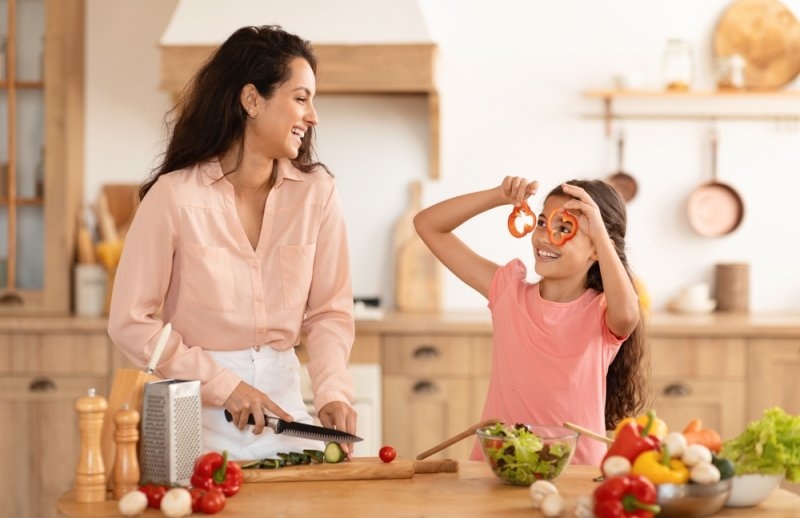
As parents, it can be challenging to get our kids to eat healthy foods, especially when they're bombarded with advertisements for sugary snacks and fast food. However, establishing healthy eating habits early in life is crucial for our children's overall health and well-being.
Data shows that children who regularly participate in home meal preparation are up to three times more likely to consume fruits and vegetables voluntarily compared to non-cooking peers. By providing our kids with nutritious and delicious foods, we can help them develop a love for healthy eating that will last a lifetime.
Cut up an assortment of colorful vegetables like bell peppers, cherry tomatoes, zucchini, and mushrooms into bite-sized pieces. Let your kids help thread them onto skewers in a rainbow pattern. Brush with a little olive oil and grill or bake until tender.
In a blender, combine one ripe banana, one egg, one cup of rolled oats, one teaspoon of baking powder, and a pinch of salt. Blend until smooth. Heat a non-stick pan over medium heat and spoon the batter into the pan. Cook until bubbles form on the surface, then flip and cook until lightly browned.
Spread peanut butter or almond butter on celery sticks and sprinkle with raisins for a fun and healthy snack.
Spread whole-grain pita bread with tomato sauce or pesto and top with sliced vegetables like bell peppers, mushrooms, and onions. Sprinkle with shredded mozzarella cheese and bake in the oven until the cheese is melted and bubbly.
Thread chunks of colorful fruit like strawberries, pineapple, melon, and grapes onto skewers for a fun and healthy snack or dessert.
Mix rolled oats, honey, melted coconut oil, chopped nuts, and dried fruit. Press the mixture into a baking dish and bake in the oven until lightly browned. Cut into bars and store in an airtight container for a healthy snack on the go.
Cut sweet potatoes into fry-shaped pieces and toss with a little olive oil, salt, and pepper. Bake in the oven until crispy and golden brown.
Mix canned tuna with Greek yogurt, diced celery, and chopped pickles. Spoon the mixture onto large lettuce leaves and roll them up for a fun and healthy lunch.
In a blender or food processor, combine chopped tomatoes, onion, garlic, cilantro, lime juice, and a pinch of salt. Blend until smooth and serve with whole-grain tortilla chips for a healthy snack.
Blend one ripe banana, one tablespoon of peanut butter, one cup of almond milk, and a handful of ice cubes for a delicious and nutritious smoothie.
Cooking with your kids can be a great way to introduce them to healthy foods and encourage them to try new things. By making it fun and engaging, you can help them develop a love for healthy eating that will last a lifetime. So next time you're in the kitchen, invite your kids to join you and try out one of these healthy and fun recipes together.
Here they are:
Meal planning can help you stay organized and save money on groceries. Take a few minutes each week to plan out your meals and make a grocery list. Stick to your list when you go shopping to avoid impulse buys and overspending.
Buying staple items like whole grains, dried beans, and nuts in bulk can save you money in the long run. Look for bulk bins at your grocery store and only buy what you need.
Cooking at home is typically much cheaper than eating out. Make large batches of meals and freeze leftovers for quick and easy meals on busy nights.
Buying produce that's in season is typically cheaper and fresher than buying out-of-season produce that's been shipped from far away.
Cheaper cuts of meat like chicken thighs, ground beef, and pork shoulder can be just as tasty and nutritious as more expensive cuts. Use slow-cooking methods to tenderize tougher cuts of meat.
Plant-based proteins like beans, lentils, tofu, and tempeh are typically cheaper than animal-based proteins. Incorporate these into your meals to save money and boost your fiber and nutrient intake.
Frozen fruits and vegetables are often cheaper and just as nutritious as fresh produce. Plus, they're convenient and can be stored for longer periods of time.
Processed foods like pre-packaged snacks and convenience meals tend to be more expensive and less nutritious than whole, unprocessed foods. Choose whole foods like fruits, vegetables, whole grains, and lean proteins instead.
Making your own snacks like granola bars, trail mix, and roasted chickpeas can be cheaper and healthier than buying pre-packaged snacks.
Don't let leftovers go to waste! Use them to make new meals or add them to soups and stews for added flavor and nutrition.
Here are the benefits:
Plant-based diets are typically rich in fiber, vitamins, and minerals, which can help kids maintain a healthy weight and reduce their risk of chronic diseases like heart disease and diabetes.
Plant-based diets are typically easier for the body to digest than diets high in animal products, which can reduce the risk of digestive issues like constipation and bloating.
Plant-based diets are rich in complex carbohydrates, which can provide sustained energy throughout the day.
Plant-based diets are typically lower in fat and higher in fiber, which can improve sleep quality and duration.
A plant-based diet can provide all the nutrients kids need for healthy brain function, which can improve concentration and cognitive performance.
Here is how you can introduce your kids to right with plant based foods:
Introducing new foods slowly and gradually can help kids adjust to new flavors and textures without overwhelming them.
Experiment with different recipes and cooking techniques to make plant-based meals more exciting and appealing to kids.
Focus on incorporating whole, unprocessed plant-based foods like fruits, vegetables, whole grains, nuts, and seeds, rather than relying on processed vegetarian and vegan products.
Get kids involved in meal planning, grocery shopping, and cooking to help them feel more invested in their plant-based diet.
It may take time for kids to adjust to a plant-based diet, so be patient and persistent in your efforts.
Here are the recipes you can try:
Cook quinoa according to package instructions. In a pan, stir-fry diced vegetables like bell peppers, broccoli, and carrots until tender. Add cooked quinoa and stir to combine.
Heat a can of black beans and season with taco seasoning. Serve in tortillas with diced tomatoes, avocado, and shredded lettuce.
Spiralize zucchini and carrots into noodles. In a pan, stir-fry diced vegetables like onions, mushrooms, and bell peppers until tender. Add the vegetable noodles and stir to combine.
Cook lentils until tender. In a separate pan, sauté diced onions and carrots until tender. Add cooked lentils and season with salt, pepper, and herbs. Top with mashed sweet potatoes and bake in the oven until heated through.
Layer plain Greek yogurt with fresh fruit like berries, bananas, and sliced apples. Top with granola and honey.
It is important to prioritize healthy eating habits for our kids, as they have a significant impact on their growth and development. By introducing them to a variety of nutritious and delicious foods, we can help them establish healthy habits that will benefit them in the long run.
Encouraging kids to try new foods and involving them in the meal planning and preparation process can also help make healthy eating more enjoyable and sustainable. With a little creativity and effort, we can help our kids develop a love for healthy foods that will set them up for a lifetime of good health.
Toddlers can safely assist with simple non-heat tasks such as washing fruits and vegetables, tearing lettuce for salads, mashing bananas with a fork, and stirring cool batter in a large bowl.
Lay down clean plastic tablecloths under the workspace, use extra-large mixing bowls to catch spills, and organize pre-measured ingredients into small bowls before starting the recipe.
Child-safe nylon serrated knives allow kids to cut soft produce like strawberries, bananas, and cucumbers without the risk of accidentally cutting their fingers.
Cooking introduces practical math through measuring ingredients and counting steps, while reading recipes enhances vocabulary, comprehension, and cause-and-effect reasoning.
Establish a strict safety perimeter around stoves and ovens, turn pot handles toward the back of the stove, and assign children tasks at a designated cooling station away from heat sources.
This content was created by AI