

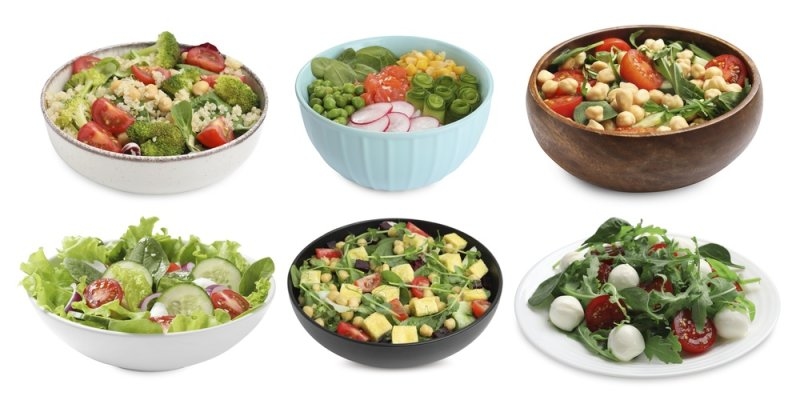
As parents, we want the best for our kids, and that includes their digestive health. Fiber is an essential nutrient that helps keep our kids healthy and can help them maintain a balanced and nutritious diet.
Pediatric health data reveals that less than 10% of children meet their daily recommended fiber intake, which can lead to common digestive issues and sluggish energy levels throughout the day. In this article, we'll explore the importance of fiber for kids, the best foods with fiber for kids, and how to supercharge your child's digestive health with delicious fiber-rich foods.
Fiber is an important nutrient for kids, as it helps to keep their digestive system running smoothly and helps them maintain a healthy weight. Fiber helps in maintaining blood sugar levels and can help to lower cholesterol levels.
Additionally, fiber-rich foods can help to keep kids feeling full for longer and can help them to better regulate their appetite.
In order for kids to get the most out of their fiber intake, it's important to choose foods that are high in fiber. Not all foods are created equal when it comes to fiber, so it's important to know which foods are highest in fiber and how to add them to your child's diet.
When it comes to adding fiber to your child's diet, it's important to choose foods that are high in fiber and nutrient-dense. Include things like
Fruits and vegetables are also excellent sources of fiber. Some of the highest-fiber options include:
When it comes to adding fiber to your child's diet, many delicious recipes can help you do just that. Here are some delicious and easy recipes that are high in fiber and perfect for kids:
This easy and delicious breakfast option is high in fiber and can be made in advance.
Start by combining oats, milk, and yogurt in a bowl and stirring until combined. Then add in your favorite fruits, such as raspberries, blueberries, or apples, and nuts or seeds of your choice. Mix everything, cover, and refrigerate overnight. In the morning, top it with your favorite yogurt and enjoy.
These delicious bars are perfect for a quick snack or lunchbox treat. Start by combining oats, ground almonds, and a pinch of salt in a bowl. Then add in melted coconut oil, honey, and your favorite dried fruits and nuts.
Mix everything and press into a lined baking pan. Bake for 20 minutes, let cool, and cut into bars.
Adding fiber-rich foods to your child's diet can have many benefits, including:
Fiber is an essential nutrient that helps keep our kids healthy and can help them maintain a balanced and nutritious diet.
Adding fiber to your child's diet can be easy and delicious. Here is what you can do to add more fiber to their diet:
When it comes to adding fiber-rich foods to your child's diet, it's important to make sure that the foods are delicious and appealing to them. Here are some tips for adding fiber-rich foods to your child's diet:
Try to make fiber-rich foods fun and exciting for your child. You can make them into fun shapes or serve them with a favorite dip.
Try to add fiber-rich foods to meals and snacks without your child noticing. For example, you can add grated vegetables to pasta sauces or oatmeal cookies.
Get creative with recipes that are high in fiber and make them appealing to your child. You can try adding fruit to oatmeal or blending fruits and vegetables into smoothies.
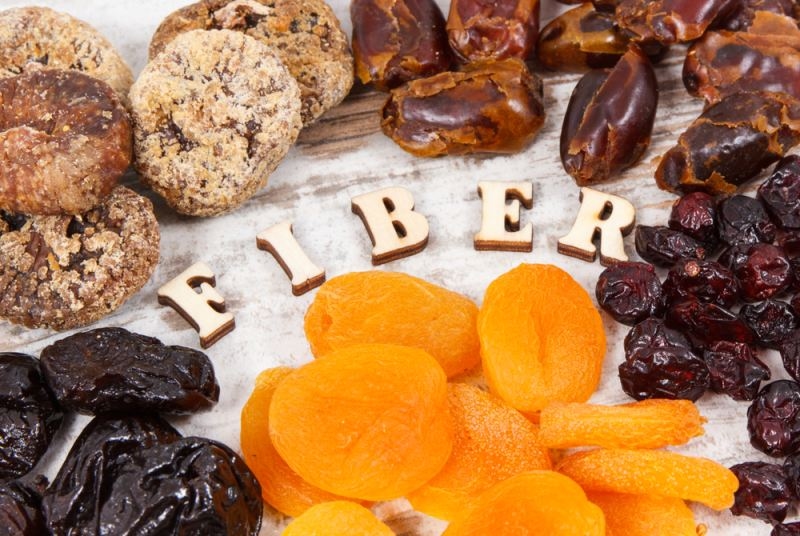
Snacks are an important part of your child's diet, and choosing snacks that are high in fiber can help to keep them feeling full and energized.
Here are some of the best fiber-rich snacks for kids:
Getting kids to eat fiber-rich foods can be a challenge, but there are ways to make it fun and exciting. Here are some tips for making fiber fun for kids:
Get your kids involved in the cooking process. Have them help you prepare meals and snacks, and let them choose their favorite ingredients.
Get creative with recipes that are high in fiber. You can make oatmeal cookies or trail mix bars with their favorite ingredients.
Let your kids explore different foods and flavors. Take them to the grocery store and let them pick out their favorite fruits and vegetables.
Make eating fiber-rich foods into a game. You can have them try to find specific ingredients in their meals or snacks.
Adding fiber-rich foods to your child's diet is an important part of keeping them healthy and happy. Fiber is an essential nutrient that helps keep our kids healthy and can help them maintain a balanced and nutritious diet. By choosing foods that are high in fiber, such as whole grains, legumes, fruits, vegetables, nuts, and seeds, you can help to supercharge your child's digestive health and overall well-being.
Incorporating fiber-rich foods into your child's diet doesn't have to be a challenge. With the right tips and tricks, you can make fiber fun and exciting for your kids. Try to make it fun, get creative with recipes, and let your kids explore different foods and flavors.
By introducing fiber-rich foods into your child's diet, you can help to keep them feeling full and energized and help to supercharge their digestive health.
A general rule for daily fiber needs is a child's age plus 5 grams, meaning a 5-year-old typically requires about 10 grams of fiber per day, while older children may need up to 25 grams.
Yes, ramping up fiber intake too fast can cause bloating, gas, and abdominal cramps, so it is best to introduce high-fiber foods gradually over several weeks.
Great portable high-fiber snacks include air-popped popcorn, roasted chickpeas, berry-and-chia seed pouches, whole-grain crackers with hummus, and apple slices paired with sunflower seed butter.
Soluble fiber dissolves in water to form a gel-like substance that helps manage blood sugar and cholesterol, while insoluble fiber adds bulk to stool to keep bowel movements regular and prevent constipation.
Cooking or baking does not significantly destroy dietary fiber, though pureeing or high-speed blending breaks down structural plant walls without removing the beneficial fiber content.
This content was created by AI