


Are you looking for ways to help your kids stay active and healthy? Nutrition plays an essential role in supporting an active lifestyle and helping your child reach their physical and mental goals.
Research shows that young athletes who engage in at least 60 minutes of daily physical activity burn up to 30% more energy than their sedentary peers, making tailored sports nutrition essential for sustaining endurance, supporting growth, and preventing injuries. In this article, we'll explore the importance of good nutrition for kids and how it can help them reach their full potential.
Good nutrition plays a vital role in the development and growth of children. It helps to support their physical, mental, and emotional needs.
Proper nutrition helps to build strong bones and muscles, maintain a healthy weight, and even improve cognitive skills. It is also essential for helping kids to establish healthy eating habits that will stay with them throughout their life.
Nutrition is especially important for kids who are active in sports or physical activities. Eating the right foods can give them the energy and nutrients they need to perform at their best and recover quickly from their workouts.
The nutritional requirements for kids will vary depending on their age, activity level, and overall health.
Generally speaking, children should be getting a balanced diet that includes plenty of fruits, vegetables, lean proteins, whole grains, and healthy fats. It is also important to limit their intake of sugary drinks, processed foods, and unhealthy snacks.
In addition to a balanced diet, children should also be getting the right amount of vitamins and minerals. Vitamins and minerals are essential for helping to support their growth and development and can help to reduce their risk of developing certain illnesses.
Eating healthy has numerous benefits for kids. Not only can it help to improve their physical health, but it can also boost their mental and emotional well-being.
Here are some major benefits:
Getting your kids to eat healthy can be a challenge, especially if they are used to eating processed and unhealthy foods. The key is to make healthy eating fun and interesting. You can do this by introducing them to new and exciting foods and by involving them in the meal planning and preparation process.
It can also help to involve your kids in physical activities. If they are active and engaged in sports or other activities, they will be more likely to eat healthy foods that can fuel their body and support their performance.
Healthy snacks are an important part of a child's diet. They provide them with the energy and nutrients they need to stay active and power through their day. Some healthy snack ideas for kids include:
Breakfast is an important part of any child's diet. Eating a healthy breakfast can provide them with the energy and nutrients they need to start their day off right.
One meal may be packed with a lot of nutrition by using smoothies. For a wholesome breakfast, consider mixing fruits, veggies, yogurt, and almonds. An excellent approach to persuade your kids to consume protein is by making egg muffins.
Toast is a fantastic method to encourage your children to consume nutritious grains. For a great breakfast, try topping it with peanut butter and banana slices.
Fruits and vegetables are an essential part of any child's diet. However, getting your kids to eat more produce can be a challenge. Here are some tips for getting your kids to eat more fruits and vegetables:
It can be difficult to pack nutritious lunches for your children, especially if they are finicky eaters. You can make sure your children are getting the nutrients they require by packing a variety of meals. Try these:
By incorporating your children in the food planning and preparation process, you can make lunchtime enjoyable. Allow them to choose their preferred fruits and veggies or enlist their assistance.
Nutrients play an essential role in supporting your child's activity level.
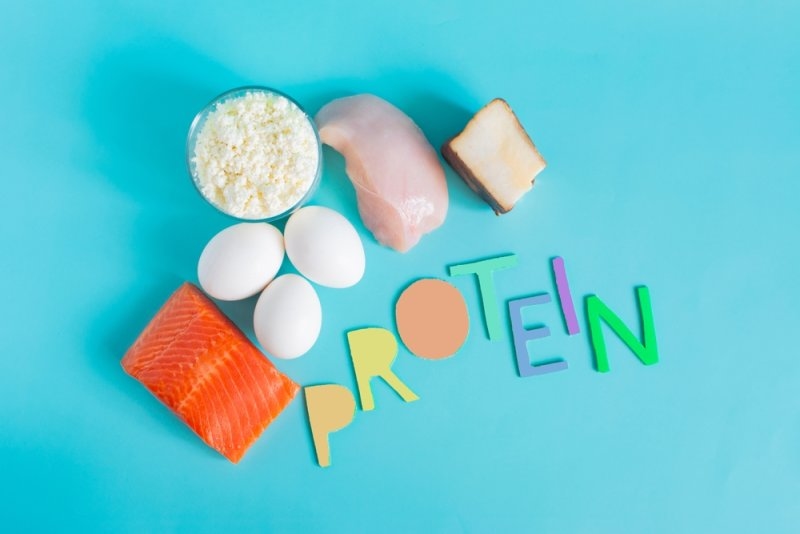
It is essential for helping to build strong bones and muscles and can help to improve your child's performance. Try adding lean proteins like fish, chicken, eggs, and tofu to their diet. Complex carbohydrates are an important source of energy and can help to fuel your child's workouts.
Try adding whole grains like quinoa, oats, and brown rice to their diet.
Healthy fats are an important source of energy and can help to support your child's physical and mental performance.
Try adding healthy fats like avocados, nuts, and seeds to their diet. Vitamins and minerals are essential for helping to support your child's growth and development and can help to reduce their risk of illness.
Try adding foods like leafy greens, citrus fruits, and legumes to their diet.
Ensuring good nutrition for your kids can be a challenge, especially if they are picky eaters. Here are some strategies for ensuring good nutrition for your kids:
By following these tips and strategies, you can help to ensure good nutrition for your kids and help them reach their full potential. Eating a balanced diet will provide them with the energy and nutrients they need to stay active and support their physical and mental performance.
In conclusion, nutrition plays a crucial role in supporting an active lifestyle. By providing the body with the right balance of macronutrients, vitamins, and minerals, individuals can optimize their energy levels, enhance performance, and promote recovery.
A diet rich in whole foods, lean proteins, healthy fats, and complex carbohydrates fuels the body for physical activity, aids in muscle repair, and boosts overall well-being. Prioritizing nutrition is essential for maintaining an active lifestyle and achieving optimal health and fitness goals.
Light, easy-to-digest carb options like a banana, plain oatmeal with a few berries, or a slice of whole-wheat toast with honey provide quick fuel without causing stomach cramps.
Casual play rarely requires specialized sports drinks, as plain water suffices, but intense activities lasting over an hour in hot weather benefit from electrolyte replacement to prevent cramping.
Key indicators of dehydration include dark-colored urine, dry lips or mouth, sudden sluggishness, irritability, dizziness, and a lack of sweat during vigorous physical activity.
No, children can easily meet their protein requirements through natural whole foods like eggs, chicken, yogurt, and beans, making processed protein powders unnecessary and potentially hard on young kidneys.
Insufficient sleep impairs reaction times, decreases endurance, and increases overall injury risk, as nighttime rest is when growth hormones actively repair muscle tissue and restore energy stores.
This content was created by AI