


Choking is a serious risk for toddlers as they explore the world around them and discover new foods. As a parent or caregiver, it's essential to be proactive in preventing choking incidents to keep your little ones safe and healthy.
According to emergency medical statistics, choking is a leading cause of accidental injury in young children, with food items accounting for over 50% of all paediatric airway obstruction cases in toddlers under four years old.
By following some simple guidelines and staying vigilant, you can significantly reduce the risk of choking in toddlers.
Parents are paranoid, wondering about their babies while eating. What if they choke? What if they can't breathe? What if! What if! What if!
Here is the guide to stop your what-ifs and safeguard your baby from choking:
Toddlers are at a higher risk of choking than older children and adults due to their small airways and tendency to put objects in their mouths.
By understanding the risks, you can be better prepared to prevent choking in your toddler.
One of the most important ways to prevent choking in toddlers is to offer age-appropriate foods.
It's crucial to supervise your toddler closely during mealtime to prevent choking incidents.
By supervising mealtime, you can quickly intervene if your child begins choking.
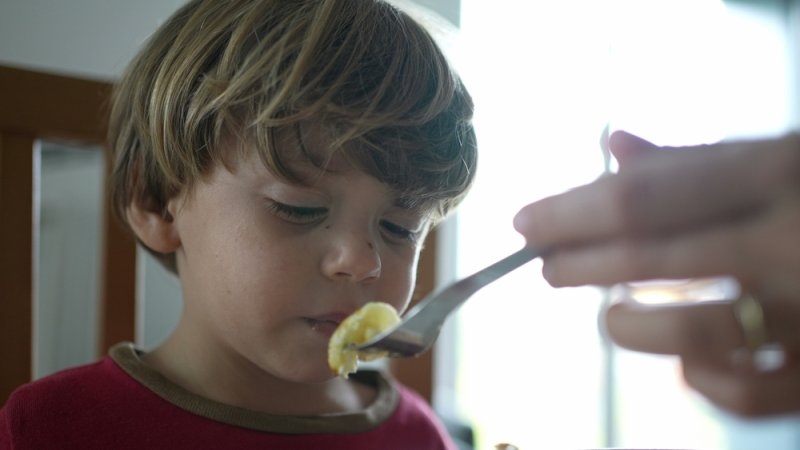
In addition to supervising mealtime, creating a safe eating environment is essential for preventing choking in toddlers.
By baby-proofing the house, you can minimise the risk of choking incidents.
Teaching your toddler good eating habits can also help prevent choking incidents.
By instilling good eating habits, you can reduce the risk of choking in your toddler.
Despite your best efforts, choking incidents can still occur. It's essential to know what to do in an emergency if your toddler begins choking.
By being prepared, you can effectively handle a choking emergency.
To prevent choking incidents in toddlers, it's crucial to keep choking hazards out of reach.
As your toddler grows and develops, their risk of choking may change.
By staying informed and updated, you can adapt your approach to prevent choking incidents as your toddler grows.
Certain foods pose a higher risk of choking, particularly in young children and toddlers. Examples of choking hazards include:
It's essential to be mindful of these foods, especially when serving them to individuals who may have difficulty chewing or swallowing. Cutting foods into smaller, manageable pieces and supervising meals can help reduce the risk of choking incidents.
Toddlers and young children, typically between the ages of 1 and 4 years old, are at a higher risk of choking due to their developmental stage and exploratory behaviour with foods.
Additionally, children often engage in distracted eating or may attempt to swallow food too quickly, increasing the likelihood of choking incidents.
It's crucial for carers to closely supervise young children during meal times and avoid serving foods that pose a choking risk.
Education on safe eating habits and appropriate portion sizes can also help prevent choking incidents in children.
Must Try: Boosting Focus and Concentration in Easily Distracted Kids
Preventing choking incidents in toddlers requires vigilance, preparation, and knowledge. By following the essential tips outlined in this guide, you can keep your little ones safe and healthy. From choosing age-appropriate foods to creating a safe eating environment, every step you take can make a significant difference in preventing choking in toddlers. Stay proactive and stay informed to protect your toddler from choking incidents.
By incorporating these preventive measures and guidelines, you can greatly minimise the risk of choking incidents in toddlers. Stay aware, stay prepared, and stay proactive in safeguarding your little one's health and well-being. Remember, a moment of caution can save a life. Stay safe, stay informed, and enjoy mealtime with your toddler!
Paediatric safety experts recommend cutting grapes into thin quarters and cooking or finely shredding raw carrots until children reach at least four years of age and develop mature chewing mechanics.
For infants under one year old, emergency relief involves alternating between five firm back slaps and five chest thrusts, whereas toddlers over one year receive alternating back blows and abdominal thrusts known as the Heimlich manoeuvre.
Yes, because toddlers lack complete molar sets for grinding food finely, lightweight pieces like popcorn kernels can easily be inhaled into the trachea during deep breaths or laughter.
Walking, running, or playing with toys while chewing disrupts normal swallowing coordination and significantly increases the likelihood that food gets pulled into the windpipe instead of the oesophagus.
While some manual airway clearance devices are commercially available, medical organisations emphasise that immediate back blows and chest thrusts remain the gold-standard, first-line medical intervention for a choking child.
This content was created by AI