Eating Right


Picky Eater Solutions: Science-Backed Strategies for Kids

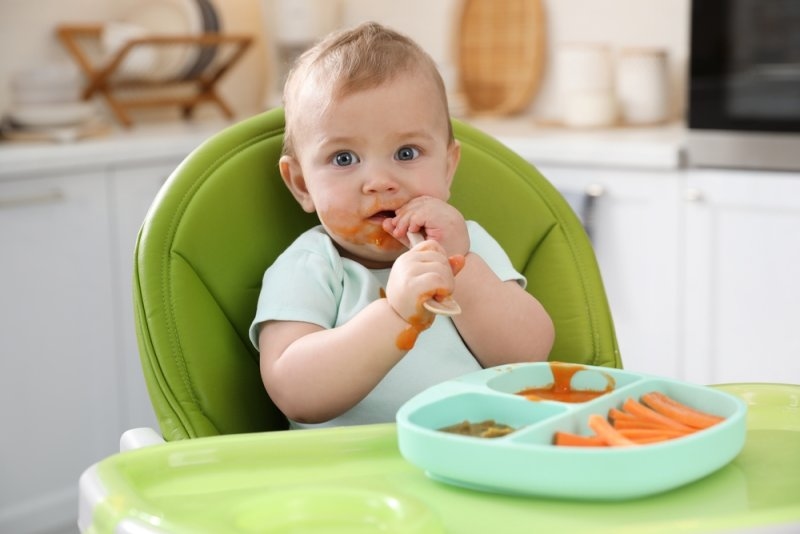
Picky eater solutions are simple ways to help children eat better without stress or force. Many parents deal with this daily, and it often feels exhausting.This blog explains how to deal with picky eaters and improve children's eating habits. It will also cover the best picky eater solutions.Top Pick: Kids Nutrition 2025: Healthy Food Ideas for ChildrenHow to Deal With Picky Eaters: Step-by-StepThis is not about quick fixes. It is about small daily actions that slowly change behavior. The steps may feel basic, but that is exactly why they work.1. Start with a Fixed Meal RoutineChildren feel more secure when meals happen at the same time every day. It removes confusion. When the body expects food at certain hours, hunger builds naturally, and resistance during meals reduces without any argument.2. Keep Portions Small and ManageableA full plate can feel like pressure, even if no one says anything. Smaller portions look easier. Children are more willing to try something when it does not feel like a big task.3. Let Them Refuse Without Reacting StronglyRefusal is common, and reacting too much often makes it worse. A calm response shows that food is normal, not something to fight about. Over time, this lowers resistance.4. Offer the Same Food Again LaterJust because a child refused once does not mean they will always refuse. Repeating the same food after a few days helps them get used to it. Familiarity slowly builds acceptance.5. Eat Together Whenever PossibleChildren copy what they see. When they watch others eat the same food calmly, they become more open to trying it. It does not happen instantly, but it works quietly in the background.Picky Eater Solutions: Science-Backed Strategies for KidsThese methods are based on how children naturally respond to food. There is no pressure here, only simple adjustments that make meals easier.1. Exposure MattersChildren need time to adjust to new foods. Seeing it again and again makes it less strange. Touching, smelling, or even just keeping it on the plate counts as progress.2. Limit Choices to Avoid ConfusionToo many options can overwhelm children. Two simple choices work better. It gives them a sense of control without complicating the situation.3. Follow a Meal and Snack StructureIrregular eating patterns can reduce hunger. When meals and snacks are spaced properly, children feel hungry at the right time. That alone changes how they approach food.4. Keep Emotions Out of MealsFood should not be linked with reward or punishment. When emotions enter the scene, eating becomes stressful. A neutral approach helps children focus only on food.5. Accept that Appetite Changes DailySome days children eat more and other days less. That is normal. Trying to control every bite creates tension, which usually leads to more resistance.Top Pick: 5 Learning Toys That Teach Kids About Healthy FoodsTips to Improve Child Eating HabitsThis part focuses on daily habits that shape long-term behavior. Nothing complicated, just practical changes that fit into normal routines.1. Stick to Consistent Meal TimingsA steady schedule trains the body to expect food. Random eating often leads to poor appetite. Consistency helps children feel hungry when it is time to eat.2. Encourage Independence During MealsLet children feed themselves, even if it gets messy. It builds confidence. When they feel in control, they are more open to trying different foods.3. Keep Food Simple and Easy to RecognizeMixed or complex meals can confuse children. Simple food looks familiar and feels safe. That increases the chances of acceptance.4. Remove Distractions from the TableScreens can distract from food. When children focus only on eating, they become more aware of taste and hunger.5. Stay Calm When Progress Feels SlowImprovement does not happen overnight. Some days will feel like no progress at all. Staying patient makes a big difference over time.Best 5 Healthy Snacks for KidsSnacks play a bigger role than most people think. They can either support good eating habits or completely ruin appetite.1. Apple Slices or Banana PiecesThese are simple, naturally sweet, and easy to eat. They work well because children already recognize these fruits and feel comfortable with them.2. Boiled Sweet PotatoesSoft texture and mild sweetness make them easy to accept. They are filling without being heavy, which makes them a good snack option.3. Plain Yogurt with Small Fruit PiecesThe texture is smooth, and the taste is mild. Adding fruit gives a slight variation without making it too different.4. Cucumber and Carrot SticksThese are easy to hold and chew. They also allow children to explore crunchy textures without pressure.5. Simple Vegetable SandwichesSoft bread with basic fillings keeps things familiar. It is filling and does not feel complicated, which helps with acceptance.Understanding Kids' Food PsychologyChildren do not always reject food because they dislike it. Often, they reject it because it feels unfamiliar. That small detail changes everything.Kids' food psychology shows that children prefer what they already know. New textures, smells, or colors can feel uncomfortable. This is not stubbornness. It is just how they process new experiences.When adults understand kids' food psychology, they stop forcing food. Instead, they allow time and repetition. Slowly, the unfamiliar becomes normal, and resistance fades without conflict.Simple Toddler Food Ideas That Fit Daily LifeToddler food ideas should be practical. Not fancy. Not complicated. Just food that children can understand and accept.Simple meals like rice with soft vegetables or plain bread with fillings work better than mixed dishes. The clearer the food looks, the easier it is for children to accept it.Using toddler food ideas that focus on simplicity helps reduce confusion. Over time, new items can be added, but slowly. That pace matters more than variety.ConclusionPicky eater solutions are not about forcing change. They are about building comfort with food through small, steady steps. When routines stay consistent and pressure is removed, children slowly begin to accept more foods. The process takes time, but the results last much longer.Frequently Asked Questions1. Why do some children refuse to eat certain foods again and again?Children often refuse food because it feels unfamiliar or different from what they know. It is not always about taste. Repeated exposure without pressure helps them slowly accept those foods over time without creating stress around meals.2. Can forcing a child to eat solve picky eating?Forcing may work in the short term, but it usually creates negative feelings toward food. Children may resist even more later. A calm and consistent approach works better because it builds trust and comfort instead of fear.3. How often should new foods be introduced?New foods can be offered regularly, but not forced. It is better to pair them with familiar items. This makes the experience less stressful and increases the chances of acceptance over time.

Kids Nutrition 2025: Healthy Food Ideas for Children

You know what? Feeding kids right has never felt more important. Between busy schedules, school meals, and endless snack choices, it's easy to forget what a balanced diet for children really means. But 2025 brings some refreshing changes. Schools are rethinking menus, parents are getting smarter about labels, and kids are finally warming up to veggies that once made them squirm.Good nutrition isn't just about keeping your child full. It's about focus, energy, immunity, and mood. The habits kids form now often stick for life. So, let's talk about what's really happening in kids nutrition 2025 and how you can make healthy eating simple, practical, and actually enjoyable.The Foundation of a Balanced Diet for ChildrenEvery parent wants their child to grow strong, learn fast, and stay active. That starts with balance, a mix of nutrients that fuels both body and brain.Here's what a balanced diet for children looks like today:Fruits and Vegetables: Think color. Fresh apples, spinach, carrots, blueberries - these bring vitamins, fiber, and energy. Frozen works too.Whole Grains: Switch out refined options for whole-grain bread, brown rice, and oats. They keep kids full longer and support digestion.Protein: Lean meats, eggs, fish, beans, tofu, and lentils help build muscles and keep focus sharp during school hours.Dairy or Alternatives: Yogurt, milk, or fortified almond milk provide calcium and vitamin D for strong bones.Healthy Fats: Avocado, nuts, olive oil, and seeds support brain function and growth.The trick is to mix these into daily meals without making it feel like a chore. A child's plate should look like a rainbow - half fruits and veggies, a quarter grains, and a quarter protein. It's simple, colorful, and balanced.Top Pick: Top 15 Quick and Healthy Travel Snacks for Kids on the GoHealthy Food for Kids: The 2025 UpdateLet's face it, kids can be picky. But 2025's food trends are making healthy choices a lot more exciting. Schools and food brands are adapting fast, focusing on freshness, sustainability, and variety.According to recent trends highlighted by AmeriPak, here's what's shaping healthy food for kids this year:Plant-Based FavoritesMeatless doesn't mean tasteless anymore. Think lentil tacos, veggie nuggets, or black bean burgers. Kids love it when healthy food looks familiar.Local and Seasonal FoodsSchools are moving toward locally grown fruits and veggies. Parents can follow the same idea, fresh strawberries in spring or sweet potatoes in winter.Cultural Diversity on the PlateFood is becoming more global. It's common to see rice bowls inspired by Asian meals or Mediterranean chickpea salads. These flavors make healthy eating fun.Simple Ingredients, Clear LabelsParents are choosing foods without additives or confusing ingredients. If you can't pronounce it, you probably don't need it.Smart SnacksThe classic chips-and-juice combo is fading. Today's snacks are yogurt with berries, hummus with carrots, or nut butter sandwiches on whole-grain bread.Healthy food for kids doesn't need to be fancy. It just needs to be real, colorful, and made with care.Explore More: Discover Top Immune-Boosting Foods for KidsChild Meal Ideas That Actually WorkParents know the struggle, you plan a balanced meal, and your kid turns it down. That's where creativity comes in. These child meal ideas bring balance and taste together.BreakfastStart the day strong with energy and flavor.Whole-grain pancakes topped with banana slices and honey.A veggie omelet with bell peppers and spinach.Overnight oats with yogurt, chia seeds, and fresh fruit.LunchKeep it simple, fun, and packed with nutrients.Turkey and avocado wrap with a side of cucumber sticks.Brown rice bowl with grilled chicken, beans, and fresh salsa.Mini whole-wheat pita pockets filled with hummus and carrots.DinnerA warm, filling meal that kids will enjoy should be the last one of the day.Baked salmon with roasted broccoli and mashed sweet potatoes.Stir-fried tofu with brown rice and mixed vegetables.Whole-wheat pasta with tomato sauce, spinach, and lean ground turkey.SnacksA little planning saves a lot of hunger drama.Yogurt parfait with granola and fruit.Sliced apples with peanut butter.Cheese cubes with whole-grain crackers.With the above-mentioned pediatric meal ideas, you are not only supplying your children but also educating them that food can be playful, nutritious, and gratifying.Overcoming Real-World ChallengesEven the best meal plan can hit bumps. Picky eaters, tight budgets, allergies - they're all part of parenting.Picky Eaters: Keep offering new foods. Sometimes it takes 8-10 tries before a child warms up to a new taste. Make it a game, not a battle.Time Crunch: Take the time to prepare during weekends. Cutting fruits, cooking grains, or dividing snacks are some of the things you can do ahead of time.Food Allergies: Fortunately, by 2025 we will have more allergen-free options available than ever, such as dairy-free yogurts, gluten-free pastas, and hypoallergenic snacks that taste great nonetheless.Budgeting: Frozen fruits and vegetables are economical and rich in nutrients. Also, buying local produce might be money saving.The key is to stay consistent. One unbalanced day doesn't ruin progress. What matters is the overall pattern, most days, real food wins.Why Kids Nutrition 2025 Feels DifferentThis year, nutrition is not only about what is served but also how food relates to sustainability, culture, and mindfulness. Schools teach children why food is important, not just what to eat. Parents are becoming more scrutinizing of food labels and involving their children in cooking.Providing healthy food for kids has become a part of daily life rather than an afterthought. And with cleaner ingredients, global flavors, and more plant-based meals, children are learning that healthy can actually taste amazing.A balanced diet for children isn't a strict plan; it's a rhythm. Some days include pizza, others quinoa bowls. What counts is variety, color, and a little patience along the way.You may like: 5 Learning Toys That Teach Kids About Healthy FoodsThe Bottom LineNurturing healthy eaters in 2025 is going to be a matter of welcoming change while still going back to the basics. Provide more real food, let your children make choices, and keep meals flexible and entertaining.Introduce one new healthy recipe each week, take your kids to the market and have a talk about where food comes from. Small habits develop into lifelong skills.Proper nutrition is more than just building strong bones. It creates concentration, self-assurance, and sturdiness. So the next time you are organizing lunch or a snack, think: kids nutrition 2025 is not about perfection. It is about progress, one colorful plate at a time.

5 Learning Toys That Teach Kids About Healthy Foods

You know how it goes, some kids will eat broccoli like it's candy, while others look at it as if it's radioactive. Parents everywhere have faced the dinnertime standoff, pleading for just one more bite. But what if learning about food didn't start at the table at all? What if it started in the playroom?That's where the magic of a learning toy comes in. Kids naturally learn through imitation, curiosity, and play, so giving them baby learning toys that celebrate fruits, veggies, and cooking can set the stage for lifelong healthy habits. It's not just about fun, it's about shaping how they see food before the word "picky" ever enters their vocabulary.Why Food-Themed Learning Toys Matter More Than You'd ThinkPlaytime isn't just chaos and giggles, it's a quiet classroom in disguise. When children have access to play with learning toys that are either baby or toddler-oriented, they develop mental links that would go well beyond the childhood stage.Toys that mimic food, for example, help children become familiar with colors, shapes, and textures and associate them with the real world. Slice a wooden apple in half? That's motor skills in action. Pretend to cook soup? That's imagination blending with practical learning.You might not realize it, but these small moments are huge. When learning toys for toddlers make spinach look friendly or carrots exciting, you're teaching openness, not resistance. It's like sneaking vegetables into their favorite pasta, except sneakier.More to Discover: Top Choices of Food For Brain Development Of 6 Month BabyBest Learning Toys For Babies About Healthy FoodsHere are five engaging learning toys that make fruits, veggies, and healthy habits part of everyday playtime, without feeling like a lesson.1. The Wooden Fruit Cutting Set: Where Play Meets PrecisionEver seen a toddler wield a toy knife with pure focus? It's oddly satisfying. The Wooden Fruit Cutting Set (Melissa & Doug's version is a classic) lets kids slice colorful fruits in half with Velcro "snaps" that mimic real chopping sounds.This simple learning toy teaches coordination, hand strength, and the joy of pretend cooking. But there's more beneath the surface. When children "cut" an apple or banana, they're learning names, colors, and how fruits differ from one another.Parents can join in, "Let's make a fruit salad!", and suddenly, it's not just play; it's an early nutrition lesson disguised as fun. And for babies just watching the action, these baby learning toys offer bright visuals and soft textures that keep them curious.2. The Farmer's Market Sorting Set: Tiny Hands, Big LessonsPicture this: a basket full of mini produce, color-coded and perfectly sized for little hands. The Farmer's Market Sorting Set is a clever learning toy for toddlers that combines sorting, counting, and healthy food recognition.The baskets are a representation of food groups. Children are able to make purchases of colors or matches -carrots, grapes, corn. The toy is cute and presents simple mathematics and logic. Parents may continue the game by acting like they are going to purchase fruits and vegetables and transform the living room into a small farmer market.The result? Toddlers associate fun with fresh food and no one has to coax3. The Play Kitchen: Where Imagination and Real Life CollideIt is always pleasant to see children cook. A toy kitchen makes every child into a little cook, whether they are stirring some invisible soup or they are serving a plastic steak.For slightly older ones, realistic kitchens, complete with pots, utensils, and pretend veggies, become the perfect learning toys for babies. They don't just mimic your actions; they absorb them. When you model healthy choices ("Let's cook something with broccoli today!"), they naturally follow your lead.Surprisingly, children are more obedient during mealtime since they prepare the food first before the meal is placed on the plate.4. Garden Growing Kits: Learning Patience, One Seed at a TimeWant to see wonder in real time? Hand a child a seed and tell them it'll become a tomato. The mix of disbelief and excitement is priceless.Garden kits for toddlers are often underrated learning toys, yet they teach responsibility, patience, and connection with nature. As kids water their plants daily and watch sprouts emerge, they learn cause and effect, a cornerstone of cognitive growth.For learning toys for toddlers, garden sets bridge play and reality beautifully. They also give parents a chance to talk about "real food" and where it comes from, lessons that sink deeper than any cartoon PSA ever could.Frankly speaking, it is a victory when your child is happy to eat a tomato that he/she cultivated.5. Healthy Food Memory Games: Fun That SticksMemory and matching games are better than rainy day fun, and these games are excellent in teaching shapes and patterns to babies. Prefer fruit, vegetable, and healthy sets to cartoon food.Familiarity is enhanced through repetition. The more your child is exposed to such foods the less foreign they will be at the dinner table. Suddenly, the peas are not green blobs, but they are the friends at game time.Also check: The Picky Eater's Playbook: How to Get Kids to Try New FoodsWhen Play Becomes Parenting GoldChildren do not only play to spend time, but to learn their world. When you introduce learning toys for kids that center around healthy eating, you're not just buying toys. You're shaping values.And while it might sound lofty, it's really just about keeping things natural. Talk while you play. Ask, "Which vegetable is your favorite?" or "Who's cooking dinner tonight, Mom or Chef Teddy?" These conversations make healthy food relatable and fun.There are parents who employ baby learning toys during the time of taking meals as a way of conversation, particularly among the reluctant eaters. It turns dinner into a shared story instead of a negotiation.Tips for Choosing the Right Learning ToyA quick word of advice: not all learning toys are created equal. Find durable, non-toxic substances, in particular to infants who believe that everything should be in their mouth.In the case of toddlers, choose toys that combine fantasy and education. They must allow the children to play on their own and call you to play. The best toys don't feel like "lessons." They feel like adventures waiting to happen.And if you're unsure? Go with toys that encourage hands-on interaction, cutting, sorting, planting, or matching. The greater number of senses employed the greater the learning.Must Read: Parental Tips for Turning Veggie Haters into Veggie LoversFinal Thoughts: Play, Laugh, Learn-RepeatIn the end, it's not really about the toy itself. It's about what it represents, a moment where play and parenting meet halfway. A space where you're teaching without lecturing, connecting without forcing it.When learning toys for kids make healthy food fun, you're planting tiny seeds (sometimes literally) for habits that last. So go ahead, set up the pretend kitchen, let them "cook," and share a giggle or two.Because someday, that same little chef might be the one reminding you to eat your vegetables.

Discover Top Immune-Boosting Foods for Kids in 2025

 Some of the physical activities are more vital today in the high-velocity world because it is essential to manage our kids to be healthy and strong. As weather patterns change and school schedules start, there is also exposure to new viruses, and children need a good immune system to stand up to the illnesses. Fortunately, food can be one of the most powerful aids in promoting their health. We will discuss the best immune-booster foods that kids can enjoy in the year 2025. Whether it is lunchtime at school or dinnertime at home, the following options will make your child remain energetic, attentive, and strong throughout the year.Understanding Kids' Nutrition in 2025In 2025, the nutrition of kids is more clever, less complex, and more about long-term good health. Parents are more conscious of the types of products used in the preparation of meals, and there are rising levels of interest in organic food, rich in nutrients, and dishes that are simple yet preparing them does not take long to prepare. What does a good, immunity-boosting diet consist of in the contemporary world?Importance of Nutrient DensityFoods that contain a lot of nutrients are foods that are rich in important vitamins and minerals but low in empty sugars and fats that are harmful. These aid in the development of a good immune system, brain development and growth, as well as physical growth.Balanced Meals Over SupplementsAlthough supplements are a way of righting wrongs in the diet, it is best to stick to real food. In the USA, healthy kids' meals are focused on whole foods, fruit, and vegetables, lean sources of protein, and healthy fats, which in turn enhance immunity.Top 20 Immune-Boosting Foods for KidsA strong immune system starts with what goes on the plate. These top 20 immune-boosting foods are essential for every child's daily diet. Including a variety of these foods regularly can help protect your child.1. BlueberriesRich in antioxidants, especially vitamin C and flavonoids, blueberries help fight infections and keep your child's body strong. Add them to breakfast or smoothies.2. YogurtYogurt contains probiotics, which are good bacteria that support gut health. A healthy gut leads to a stronger immune system. Choose plain, low-sugar varieties and add honey or fruit.3. EggsEggs are full of protein and vitamin D. Vitamin D helps regulate immune responses and protects against respiratory infections.4. Sweet PotatoesLoaded with beta-carotene, sweet potatoes turn into vitamin A in the body. This vitamin is key to healthy skin and mucous membranes, the first line of defense against germs.5. SpinachThis green veggie is packed with vitamins A, C, and E, which all help the body fight off infections. It's also rich in antioxidants and iron.6. BroccoliKnown as a superfood, broccoli has immune-boosting vitamins like C, A, and E. It's also high in fiber and is best when lightly steamed.7. AlmondsAlmonds are rich in vitamin E, a powerful antioxidant that supports immune function. A small handful as a snack is perfect.8. OrangesEveryone knows oranges are high in vitamin C, but they also contain potassium and folate-important for immune strength.9. CarrotsCrunchy and sweet, carrots are rich in beta-carotene and vitamin A. They're a great addition to lunch boxes and snacks.10. SalmonFatty fish like salmon provide omega-3 fatty acids and vitamin D. These help reduce inflammation and boost white blood cell activity.11. OatsOats are high in fiber and contain beta-glucans, which improve immune response. Serve them warm for breakfast or in homemade granola bars.12. ChickenChicken soup isn't just comfort food-it contains zinc and vitamin B6, both of which support immunity and healing.13. Bell PeppersThese colorful veggies have more vitamin C than oranges. Add red, yellow, or green bell peppers to wraps, pasta, or stir-fry meals.14. GarlicGarlic has natural antibacterial and antiviral properties. Use it in soups, sauces, or roasted dishes for extra flavor and health.15. KiwiKiwis are full of vitamin C, vitamin K, and potassium. This tropical fruit is a delicious, immunity-boosting snack.16. AvocadosRich in healthy fats and vitamin E, avocados help absorb other nutrients and support skin and cell health.17. Pumpkin SeedsPumpkin seeds are packed with zinc and iron, both essential for immune function. They're easy to sprinkle over yogurt or salads.18. ApplesApples are a good source of fiber and vitamin C. Their antioxidants help the body fight inflammation and disease.19. TurmericThis yellow spice has strong anti-inflammatory properties. Add a pinch to warm milk (golden milk) or soups for a healthy immune boost.20. WaterWhile not a food, water is essential. Staying hydrated helps flush out toxins and keeps every part of your child's body working well.Smart Meal Planning for Healthy Kids in 2025With so many immune-boosting options, building daily meals becomes easier. Here's how to turn those ingredients into balanced, healthy kids' meals that USA parents love.Building the Perfect BreakfastBreakfast is key to kickstarting energy and immunity for the day. Combine oats with blueberries and yogurt, or try scrambled eggs with spinach and whole-grain toast.Lunchbox EssentialsCreate colorful, fun, and nutritious lunches with chicken wraps, carrot sticks, and fruit like oranges or apples. Add pumpkin seeds for a crunchy snack.Dinner Ideas That Boost ImmunityDinner can be delicious and healing. Salmon with sweet potato mash, broccoli, and garlic-seasoned brown rice is both kid-friendly and packed with nutrients.Immune-Boosting SnacksSnacks don't have to be sugary. Offer almond butter with apple slices, Greek yogurt with honey and kiwi, or homemade oatmeal cookies with turmeric.Making Healthy Eating Fun for KidsGetting kids to eat immune-boosting foods can be a challenge. But with a little creativity, you can make healthy eating something they enjoy.Involve Kids in the KitchenLet children help wash fruits, mix smoothie ingredients, or arrange food on plates. Kids are more likely to eat what they help make.Turn Meals into StoriesMake a meal around a theme like "superhero dinner" using foods that give them "super strength" like spinach and salmon.What to Avoid: Foods That Weaken the Immune SystemNot all foods support your child's health. Some lower immune defenses. In 2025, awareness is growing about what not to include in kids' diets.Sugary Foods and DrinksHigh sugar intake can suppress the immune system for hours. Limit soda, candy, and sugary cereals.Processed SnacksPackaged chips, cookies, and frozen meals often contain unhealthy fats and preservatives that may harm gut health.ConclusionThe immune system is not a system that can be built in a short period, but it begins with the food we eat daily. The immune-boosting foods incorporated into the daily menus help kids avoid becoming weak, disoriented, and prone to falling ill, especially in times of seasonal shifts and during schooltime. Blueberry, broccoli, salmon, seeds, these are the foods that can be your best friends in the parenting process. Couple that with proper sleep, active daily engagement, and adequate amounts of water, and your child will feel the difference in his or her overall health in the next 2025 and beyond.

Top Choices of Food For Brain Development Of 6 Month Baby

 It is quite important to be well-nourished to ensure brain development in early childhood stages. The brain grows rapidly after birth and forms neural connections affecting cognitive ability, memory, and learning skills. The correct nutrient comprises optimal brain function at this phase that sets a foundation for future intelligence, concentration, and emotional regulation. As parents understand the feeding part of nutrient-rich diet for babies, their later mental and physical development will reap the difference.Importance of Nutrition in Baby Brain DevelopmentProper nutrition is very important for the development and functioning of the brain. From infant to toddler, a child's brain will form trillions of neural connections that will enable him to think, learn, and even process feelings. Optimal development calls for a specific nutrient that should always be present in the diet.Omega-3 Fatty Acids: These essential fats that are found mainly in fish as well as a couple of plant sources, are necessary for brain cell development and cognitive function. DHA (docosahexaenoic acid), a specific type of omega-three fatty acid, is particularly critical in memory and learning.Choline: It facilitates brain cell communication and also promotes the growth of the hippocampus, the part of the brain responsible for memory.Iron: This is an important mineral since it transports oxygen to the brain. A deficiency in iron in early childhood will cause delays in cognitive skills and learning.Zinc: This mineral helps to support signal transduction in neural tissues while improving brain functions such as problem-solving ability, attention span, and memory.Vitamin D: Aids in neural development and protects the brain from inflammation, supporting long-term cognitive function.Protein: The building block of brain cells, protein is crucial for neuron formation and neurotransmitter production.Antioxidants: Found in fruits and vegetables, antioxidants help protect brain cells from oxidative stress, ensuring long-term cognitive health.Learn More: Best Milk for Kids: How to Pick the Right One for Your ChildBest Foods for Brain Development of a 6-Month-Old BabyAvocadosThese are considered very healthy food for a baby at the age of 6 months. It is rich in healthy monounsaturated fatty acids that are essential to the growth and function of brain cells. These fatty acids are also involved in the formation of myelin, which is a protective sheath around the nerve cells that enhances communication between the neurons. Moreover, it provides folate and vitamin E for cognitive function. Creamy texture makes it apt for first food, does not matter if fed as mashed or pureed.Banana Another popular baby first food is banana. It is high in potassium, which helps keep the nerve functions going and in action of the brain cells. In addition, bananas are packed with natural sugars ideal for a fast energy boost to keep a baby alert and active. Since they are very easy for babies to digest, they are also a good food for busy parents wishing to feed their child's brain without hassle in preparation. Sweet PotatoesSweet potatoes are chief in beta carotene, vitamins A, C, and fiber. That beta-carotene gets converted into vitamin A inside the body, which significantly helps with the growth and development of brain cells. The brain cells are most likely to be protected by the antioxidants present in sweet potatoes from free radical damage, which can last a lifetime if they survive early damage. Cooked and mashed, sweet potatoes are yummy and wholesome to a child's diet.Egg YolksEgg yolks are among the best sources of choline, an essential nutrient that supports memory and learning. Choline helps in the production of acetylcholine, a neurotransmitter involved in brain communication. Additionally, egg yolks contain healthy fats and proteins that aid in overall brain development. When introducing eggs to a baby's diet, it is recommended to start with well-cooked yolks and monitor for any allergic reactions.OatmealOatmeal is a fantastic brain food for babies as it provides a steady release of energy through complex carbohydrates. This ensures that babies remain active and alert throughout the day. Additionally, oatmeal is rich in iron, which helps transport oxygen to the brain, preventing cognitive delays. Oatmeal can be prepared with breast milk or formula to enhance its nutritional value.Check This Out: Top Immune System Boosters: Foods, Habits & Lifestyle ChoiceBest Foods for Infant Brain DevelopmentLife of a MilkBreast milk can be said to be the best brain food for an infant. It contains nutrients needed for brain development, such as DHA and ARA (especially arachidonic acid) and other essential fatty acids. This has been shown in studies to contribute to higher IQs and better cognitive performance in later childhood for breastfed babies. Breast milk protects the baby against infections through the presence of antibodies created (by the mother) in response to infections that she has had or been exposed to, thus creating a beneficial environment for brain growth. SalmonFor babies above eight months of age, salmon is one of the purest sources of DHA responsible for neural growth and development. DHA improves memory, learning, and attention span. Salmon's protein helps in many other aspects of brain functioning. It can be given to babies in small, well-cooked portions for easy digestion.Greek YogurtGreek yogurt is an excellent source of polyunsaturated fats and protein that help to form brain cells. It contains probiotics for gut health, a connection that recent studies strongly suggest affects cognitive function. An improved gut function can lead to better moods and clear cognition in babies.BlueberriesBlueberries are rich in antioxidants that protect the brain cells from any kind of damage. The flavonoids present in blueberries improve memory and cognitive function as such; these are anti-cognitive enhancers perfectly fitted into an infant's food. Blueberries can be blended into purees or be served as a nutritious treat with yogurt.Spinach and Leafy GreensSpinach and other green leafy vegetables are rich in iron, folate, and vitamin K, which play fundamental roles in brain health. Iron maintains an adequate oxygen supply to nourish the brain, and folate assists in further development. Spinach can be pureed and mixed with other vegetables into an energizing meal for infants.Best Foods for Baby Brain Development in the Toddler YearsWalnutsWalnuts are a fantastic source of as much omega-3 fatty acids as will be required in the diet of the child. They have deep neurotropic functions, thus helping with the neural connection development, focus enhancement, etc. Whole nuts would represent a choking hazard to the younger age group. They can therefore be made available to children as fine ground walnuts or walnut butter mixed with oatmeal or yogurt.LentilsLentils are also rich in folate and iron which enhance cognitive development. They help transport oxygen to the brain so that toddlers can stay active and aware. Lentils can either be made into soft purees or used in soups as a complete meal.Chia SeedsAnother source of omega-3 fatty acids is chia seeds. They supply protein and have fiber, which helps provide sustained energy levels and higher cognitive performance. When they are soaked in water, chia seeds turn into a gel-like consistency for easy mixing into yogurt or porridge.EggsEggs will always be a must-have food for toddlers' brains. The choline found in egg foods augments memory and learning while the proteins serve for repair and growth of brain cells. You could have scrambled eggs or hard-boiled eggs as a snack.Whole GrainWhole grains like brown rice, quinoa, and whole wheat products give energy that is released slowly, thus keeping toddlers busy for the entire day. They are fiber-rich, B vitamins, and minerals that support the brain.Also Read: Seasonal Health Tips for Kids Facing Issues Around The YearConclusionA baby's brain undergoes rapid growth in the first few years of life, and proper nutrition is essential for optimal cognitive development. Including a variety of nutrient-rich foods in your baby's diet ensures that they receive the essential vitamins, minerals, and fats necessary for memory, learning, and problem-solving skills. Whether your baby is just starting solids or growing into toddlerhood, incorporating these brain-boosting foods will set the foundation for a healthy, intelligent future.

Top Immune System Boosters: Foods, Habits & Lifestyle Choice

 Strong immunity is, of course, our healthy wall-wall defense against the infections, viruses, and diseases that come our way. It works 24/7 as it identifies and roots out any pathogens that could be harmful before they come up with illness. But there are some factors like poor diet, irregular sleep, high stress levels, and all the lifestyle choices that could affect the immune system adversely. That would then make a person more prone to sickness, but there are ways to improve one's natural immunity for the body to operate in optimum condition.How to Boost Your Immune SystemThe immune system is a network of complex pathways, parts, and interrelations of organs and cells coming together to counter-replace/remove invasions. It calls many factors into play for proper action; these include nutrition, sleep, exercise, and stress management. To have a voluntary approach that supports strong health in totality, the immune system must stand within or of a wider framework of conditions.Another substantial way to strengthen your immunity is through a nutrient diet. Vitamins and minerals such as vitamin C, D, and zinc are the most important for their strong effects on the immune system. These fortified nutrients help white blood cells fight infections, reduce inflammation, and increase antibody production.Learn More: What You Need to Know About Plant-Based Diets for KidsImmune-Boosting Foods1. Berries/Melons and MangoesThe fruit of the berry/family melons and mangoes is well known to contain vitamin C. This vitamin is an antioxidant that is a powerful immune booster while naturally increasing white cells and blood antibodies that try to attack or diminish infections. It also involves the production of collagen (essential for the skin).2. GarlicApart from allicin, a sulfur-containing compound, garlic is antibacterial, antiviral, and antifungal. Allicin enhances immune cell behavior, making them better infection fighters. Moreover, by enhancing the production of disease-fighting cells in the body, garlic reduces the risk of colds and flu.3. GingerGinger is another effective immune booster known for the properties of its anti-inflammatory and antioxidant compounds. It contains bioactive compounds such as gingerols and shogaols which help the infection-fighting properties and reduction of inflammation. Ancient people used ginger to treat colds, sore throats, indigestion problems, clear blocked noses, or ease an upset stomach.4. YogurtTo maintain optimal hygiene, and thus immunity, yogurt contains "good being bacteria," often identified as probiotics, which balance the gut microbiome. Yogurt is also one of the few natural vitamin D sources in shred with regard to the function of the immune system and that all makes it very valuable. The ultimate goal comes by plain yogurt, unsweetened, and with live cultures, adding fruits, nuts, or perhaps a drizzle of honey to take it a step further with enhancing taste and more nourishment.5. TurmericCurcumin, the substance found in turmeric, is the best anti-inflammatory substance acknowledged practically per se. This substance is also registered as a solid antioxidant and as an immune booster. Turmeric is useful to the system; this is obviously to alleviate overall inflammation and also make the immune system function correctly. Adding turmeric to your soups or drinking turmeric tea could also be part of the diet, or you could go all the way out and consume golden milk.Check This Out: Supercharge Your Child's Immunity: Top Foods to Boost HealthMore Foods That Boost Immunity1. WalnutsWalnuts have also been used as a source of vitamin E which is a fat soluble antioxidant that plays a very important role in the activities of the immune system. Vitamin E is often overlooked in favour of vitamin C as an immune system boost. However, both vitamins are equally important since it compounds the activity of immune cells promoting them to operate effectively. It puts its power to work through neutralization of free radicals, therefore reducing the chances of cellular injury and diluting the ability of the immune system to kick in.2. Black TeaFor centuries, black teas have been used all over the world due to their numerous positives, with a special mention on the high quantity of antioxidants they possess. The drink is also abundant in flavonoids and catechins which are important in immuno defense because of their immune-enhancing role in fighting against invading organisms, and reducing oxidative stress. One of the catechins present in black tea is epigallocatechins gallate which is quite strong and has been reported to have positively affected the immune status by preventing damages on the immune cells and their functioning correctly.3. CabbageCabbage and other rich green vegetables provide as much as folic acid and biotin. These two soluble vitamins along with vitamin C, are involved enhacing immune function and fighting off infection as well. The vitamin C content of the cabbage is also very useful in activating white blood cells, which are essential in eliminating viruses and bacteria. Another vitamin, vitamin A, in this, as carotenoids, aids in the defence function of the skin, tissu4. Citrus FruitThe high vitamin C characteristics of citrus fruits, including oranges, lemons, mangoes and pineapples, block colds and influenza notwithstanding the competent, immune-boosting flare that cold and influenza have. Vitamin C aids in the production of white blood cells, as well as boosts the body's resistance such protective barriers of the body have immune system which cannot respond to pathogens.5. ShellfishShellfish, such as oysters, crabs, shrimp, and mussels, are among the best natural sources of zinc, an essential mineral that plays a vital role in immune cell production and function. Zinc is necessary for developing and activating T-cells, key players in the immune system's defense against infections. It also helps reduce inflammation, promotes wound healing, and supports the body's recovery from illnesses.Lifestyle Habits for a Strong Immune System1. Ensure You Sleep Well EnoughOther than being a basic life necessity, sleep can be pivotal in maintaining one's immune health. It involves the body repairing itself, producing infection-fighting molecules, and preparing the immune system for more decisive action. Decreasing the quantity of sleep also appears to impair the body's defenses, somewhat elevating the chances of becoming sick. Most practitioners suggest the average adult sleeps for 7 - 9 hours per day. There are also innumerable strategies and also countermeasures that can be turned into habit such as bedtime.2. Drinking a sufficient amount of waterIt may sound very trivial but, indeed, studies have suggested that our level of drinking water has a huge impact on the way our bodies are able to carry out immune system functions. Water helps remove waste from the body, helps in basic cellular functions, and keeps the break in the skin moist which can prevent bacteria from getting in. Drinking healthy beverages, eating watery fruits, and minimizing the intake of dehydrating drinks which is alcohol and summer drinks will help in the normal hydration of the body.3. Regular Physical ActivityThese types of moderate-intensity activities in fact support immunity by providing better circulation and reduced cell movement which usually comes with inflammation. Again, the recommended level of physical activity generally does not stress the body unduly and it could be walking, cycling or practicing Yoga. Nevertheless, too excessive or too severe physical stress without full recovery can destroy the body's built-up defenses, hence the need for balanced exercise.4. Slow DownThe persistent stress that exists, increases cortisol, affects the adrenal cortex hampering the functioning of the immunity, can be regarded as a perpetration of a damaging effect immune system function. Techniques such as meditation, deep breathing exercises, cognitive behavioral therapy along with spending time outdoors will greatly help in reducing stress levels.5. Keep Yourself CleanFrequent hand washing, cleaning, discouraging self/closeness to those who may be infected, using disinfectants whenever necessary, are some of the things that can help in preventing body infections.Also Read: Check Out The Top Tasty Options Of High-Fiber Foods for KidsConclusionYour immune system is a complex defense mechanism that requires proper nourishment, sleep, exercise, stress management, and hygiene practices to function optimally. You can strengthen your immunity and improve your overall health by incorporating immune-boosting foods, adopting healthy lifestyle habits, and making conscious choices to support your body.

Seasonal Health Tips for Kids Facing Issues Around The Year

Parents must prioritize children's health, and with the change of seasons come new challenges and opportunities to ensure their well-being. The diversity of climates in the USA means that children face varying health risks throughout the year. Parents must adapt their strategies to meet these seasonal demands, from combating summer heatwaves to preparing for winter chills. By focusing on preventative measures and safety tips, you can help your child thrive no matter the weather. USA Kids' Health During Seasons The USA based on its enormous area does have very high differences in seasons, and these health related issues are guided during this time from humid hot summers in Florida to cold winter in Minnesota. Each season possesses its own health problems, knowing which could make proactive health care.Spring is the time when all those flowering plants are in bloom, and in turn release a huge amount of pollen in the air, leading sensitive children to develop allergic tendencies. Most common are sneezing, itchy eyes, and runny noses. It is also that time of year when youngsters are really eager to spend time outdoors despite the winter's cold. As a result, their exposure to allergens and outdoor injuries increases.Such summer fun-filled days, which tend to stretch long, are filled with concerns like dehydration, heat stroke, and sunburn. While going to the beaches, parks, and swimming pools fascinates one, not following the necessary precautions just raises the level of accidents and waterborne diseases. Learn More: Understanding Causes And Symptoms Found In Kids AllergiesBetween the cold and the start of school, there is often an increase in respiratory illnesses during autumn. New germs abound in classrooms, unpredictable weather, and the immunity of a child is really tested, which, in turn, could lead to cases of severe seasonal flu.The air is dry and cold, which can trigger asthma symptoms. Frostbite and hypothermia are some of the risks when children play outside in snow without appropriate clothing. Even inside the house, where most heating systems dry the air, a shortage of humidity can lead to dry skin and nosebleeds.Seasonal Health Tips for KidsHydration is KeyRegardless of the season, hydration plays a crucial role in maintaining a child's overall health. During summer, children sweat more due to outdoor activities, leading to a higher risk of dehydration. Providing them with plenty of water and electrolyte-rich drinks can help prevent heat-related illnesses. In winter, dehydration may not seem as obvious, but the dry indoor air can still sap moisture from their bodies. Encourage them to drink water regularly, even if they don't feel thirsty.Balanced Nutrition for Every SeasonA nutritious diet tailored to the season can significantly boost your child's immunity. In summer, offer hydrating fruits like watermelon, cucumbers, and oranges. These not only keep kids cool but also provide essential vitamins. In winter, root vegetables like carrots and sweet potatoes, along with citrus fruits rich in vitamin C, help ward off colds and boost energy levels. Seasonal eating ensures your child gets the freshest and most nutrient-dense foods available.Physical Activity Across SeasonsStaying active is essential for a child's growth and development. While summer encourages outdoor sports and swimming, winter can limit opportunities for physical activity. Indoor exercises like yoga, dance, or even household chores can keep kids moving during colder months. For snowy days, sledding or building a snowman can combine fun and fitness.Season-Appropriate ClothingDressing children in season-appropriate clothing can protect them from the elements. In summer, light, breathable fabrics prevent overheating, while hats and sunglasses shield them from harmful UV rays. During winter, layering is key. Start with moisture-wicking base layers, add insulating materials, and finish with a waterproof outer layer to keep them warm and dry.Routine Health CheckupsSeasonal changes can impact a child's immunity and overall health. Regular checkups with a pediatrician can help identify and address potential issues early. For instance, spring allergy tests or flu vaccinations in autumn can prepare your child for the challenges of the upcoming season.Check This Out: 10 Tips for Keeping Your Kids Healthy During Cold and FluWays of Summer Safety for ChildrenSun ProtectionThe scorching summer rays can be quite bothersome for a child's tender skin. Use broad-spectrum sunscreen with SPF 30 above for children before going outside. Apply again after every two hours for the children when swimming and after a sweat build-up. Along with sunscreen, one can offer some added barrier protection with a wide-brimmed hat and sunglasses with UV protection. Teach children to seek shelter from the sun during peak hours because such precautions can also help in reducing the risk of getting sunburns and skin damage later in life.Heat-Related Illness PreventionThe excessive heat browbeats a child in a dehydrated condition into heat exhaustion or perhaps even leads to heat stroke. Therefore, make it a point that the little ones are filled with water or any other electrolyte drinks during the whole day, especially when they are outdoors. Plan outdoor activities during the cool part of the day such as early morning or late afternoons with frequent breaks at the shade or indoors.Healthy Outdoor PlayWhile summer sets forth a plethora of options for exploration and play, parents really need to be quite vigilant about their child's environment. Verify parks and playgrounds for hot metal slides and sharp objects that can make even the most cautious child unsafe. Teach children to recognize unsafe areas and encourage the use of helmets and protective gear while taking part in biking or skating activities.Prevention of Bug BitesSummer brings a looming congestion of pests such as mosquitoes and ticks, which cause the worst diseases. It is significant that the children should wear insect repellents which are safe for kids and closed long sleeves and pants during dusk and dawn to minimize their exposure to bites. Check their bodies immediately using hands after playing outdoors if any ticks are seen.Water Safety FirstSwimming is a quintessential summer activity, but it comes with risks. Always supervise children near pools, lakes, or beaches. Teach them basic swimming skills and ensure they use flotation devices if needed. Enforce strict rules, such as no running around pool areas and always swimming with a buddy.Methods for Winter WellnessClothing Essentials for the Winter SeasonClearly defining requirements regarding clothes for winter is a lesson very necessary when teaching kids about layering. A good first layer is a thermal base that wicks moisture away into an insulating layer made of either fleece or wool. Finally, a waterproof outer layer may help block snow and wind. Add to that all accessories like hats, gloves, and insulated footwear to fight frostbite.Enhancing ImmunityColds and flu are diseases most commonly contracted during the winter. When people spend time with one another indoors, the above diseases spread among children most readily. So it is essential to boost immunity using a balanced diet that incorporates vitamins and minerals. Consume citrus fruits, leafy vegetables, and yogurt and include some probiotics. Introduce vitamin D supplements to your child if they have limited exposure to sun.Maintaining Good HygieneThere is a higher incidence of germs in winter. That is because so many people are confined indoors at that time of the year. Teach the children the importance of washing hands at all times, especially after sneezing and coughing as well as after using the toilet. Carry a sanitizer for those cases where soap and water are not nearby.Moisturizing the SkinCold air and heating in the house can make the skin of children dry. Use a mild moisturizer immediately after bath-time, and encourage the use of lip balm to prevent chapping. Humidifiers help maintain moisture levels in the air, thus preventing dryness of skin and making breathing easier for kids who suffer from respiratory problems.Staying Active Indoors and OutdoorsEven in the cold, children need physical activity to stay healthy. Bundle them up for outdoor fun like sledding or building snow forts, but limit exposure during extreme weather. For indoor days, create fun activities like obstacle courses, dance parties, or family yoga sessions to keep them engaged.Also Read: A Parent's Guide For Understanding About Infant VaccinationsConclusionSeasonal changes bring a variety of challenges and opportunities for keeping kids healthy and safe. Whether it's protecting them from summer heat or ensuring their warmth in winter, a proactive approach can make all the difference. By prioritizing hydration, nutrition, appropriate clothing, and regular health checkups, parents can navigate the complexities of seasonal transitions with confidence.

Tips for Parents to Aid Control Symptoms Of Childhood Asthma

Asthma is among the most common chronic conditions of children worldwide. Its distinguishing feature is inflammation and narrowing of the airways, making it hard for them to breathe efficiently. Managing a child's asthma can truly overwhelm parents, and at times, pose great difficulty in their lives. However, understanding the disease and its triggers, as well as ways of controlling and preventing it, can lead to a healthier and more active life for their child.Overview of Childhood AsthmaChildhood asthma occurs when the lungs of children become inflamed, causing wheezing, coughing, and difficulty breathing repeatedly. The airways in children are much more sensitive and reactive than the airways in adults, causing them to swell and produce more mucus.Asthma usually sets in at rather early ages, ranging from mild to severe cases. Some children may 'grow out' of asthma, while most end up suffering from it even in adulthood. For some people, the symptoms may also get better or worse with time. Recognizing common triggers and creating an individual asthma management plan is essential.Learn More: Understanding Pediatric Obstructive Sleep Apnea in ChildrenWhy Is Childhood Asthma Concerning?Asthma also may interfere with everyday activities like playing, sports, and school. Uncontrolled asthma may lead to frequent emergency department visits, absence from school, and psychosocial effects because of restrictions that can be associated with this illness. Yet, with appropriate management, children can enjoy full and active lifestyles like any other children.Causes of Asthma in ChildrenAllergensAllergens are one of the very foremost triggers of asthma in children, with many different types, such as pollen, dust mites, molds, pet dander, and cockroach droppings. When a child is exposed to any of these materials, they irritate a child's airways and pose the risk of an asthma attack. During some time of the year, this becomes aggravated, with pollen levels reaching their peaks at certain months such as spring. Respiratory InfectionsCommon colds and other viruses, such as the flu, are the main causes of asthma attacks in children. Vulnerability is even increased for younger children because their immunity has not properly developed. This is because airway inflammation from viral infections makes it much harder to breathe.Environmental Irritants Environmental irritant would include exposure to cigarette smoke, hooters and sirens of cars, and air pollution, as well as chemicals in fumes and some times strong odors. The most important cause is exposure to secondhand smoke. Physical ExerciseExercise-induced asthma occurs in children; it is rare and occurs especially when they undertake keen physical activities, such as running or playing sports. In addition, during outdoor activities, when cold air is present, it can also be a trigger for asthma symptoms. Weather ChangesSudden changes in temperature or humidity act as triggers of asthmatic conditions. Cold, dry air is particularly bad for children with asthma, as it irritates the already sensitive airways, causing them to constrict.Asthma Symptoms in ChildrenShortness of BreathAsthma patients often find themselves breathless doing physical activities or at night. This may be defined rapid, shallow session of breathing which requires an immediate visit to the emergency room.Persistent CoughingsA chronic cough, which is worse at night or early morning, is one of the most common signs of asthma. It usually non-productive, dry, but in some patients, it may present with some mucus.Chest TightnessThat leads to a feeling of tightness or pressure in the chest and becomes uncomfortable for a child to take a deep breath.FatigueOxygen intake restriction is usually accompanied by tiredness or fatigue. Children suffering from asthma often appear lazy and less motivated to participate in previously enjoyed physical activities.Check This Out: How To Spot the Signs and Symptoms of Asthma in KidsWays to Manage Childhood AsthmaCreate an Asthma Action PlanAn action plan for asthma is a plan that is documented and made together with your healthcare provider. The child's daily medication program will be included in this plan, as well as steps relating to what to do when an asthma attack takes place and when to seek emergency assistance. This plan will act like a roadmap for managing asthma effectively. Also, it becomes an oxygen critical tool for both parents as well as caregivers. Learn to Monitor SymptomsIt is very important to keep a track of the symptoms to find out patterns or triggers. Parents could use a portable flow meter to assess their child's lung function. Monitoring on a regular basis leads to early warnings on the symptoms an impending asthma attack, enabling timely intervention. Dodge Known TriggersTrigger identification and avoidance is one key principle of asthma management. For example, if pollen is found to be the trigger, then keeping windows closed during the high pollen period would be helpful. Other such actions, such as using hypoallergenic bedding, and using air purifiers would help in minimizing the exposure to dust mite triggering asthma. Educate the Child Teaching self-awareness to the young ones concerning their current asthma status would be the best. It would include them knowing and distinguishing the physical symptoms, using inhalers, and identifying when they are feeling ill. Older kids could also be taught how to use a peak flow meter. Check-Ups At The Doctor's Office Routine visits to the healthcare provider ensure that the asthma management strategy is efficient and up to date. These visits also provide an opportunity to make necessary changes to a child's medication or strategy as according to the child's changing needs.Treatments for Asthma ControlRelief InhalersThey are commonly known as "rescue inhalers" and can relieve asthma attacks by relaxing airway muscles, thereby restoring normal breathing. Albuterol is the common medication in this inhaler.Controller MedicationsThese are used each day to help by inhaling corticosteroids to reduce airway inflammation and prevent asthma attacks. They are needed especially with children having persistent asthma.Anti-allergiesIn case of triggering allergies, antihistamine would be given or immunotherapy (allergy shots). Over time they help in losing their sensitivity to allergens.NebulizersIt mist administers the medicine in order that the medication reaches the lungs because children below four years do not blow the inhalers that well.BronchodilatorsThey maintain airways open for long periods, being combined mostly with corticosteroids for greater efficacy in treatment.Ways to Prevent Pediatric AsthmaSuspend all Re-enrollment in a Cleansing HavenReducing airborne allergens can reduce the chances of asthmatic seizure episodes. Vacuum carpets regularly, wash beddings and breathe air purifiers, and have regular sessions to limit exposure to dust and other allergens within the house.Prevent Infections of the Respiratory SystemBecause respiratory infections set asthma symptoms in motion, it is very important to facilitate and have proper hygiene practices: handwashing, timely vaccinations, and avoiding anyone sick from your child as much as possible.Control AllergensAllergen control is very important for children with asthma. Consider covering mattresses and pillows with hypoallergenic covers, keeping pets out of bedrooms, and sealing leaks to prevent mold growth.Avoid Smoke ExposureTo ward off asthma, secondhand smoke forms an important emphasis. Make your home smoke-free and avoid exposing your child to places where people gather together to smoke.Encourage Healthy HabitsHealth promotes and strengthens the immune system and keeps the lungs healthy. A well-balanced diet rich in fruits, vegetables, and omega-3 fatty acids, moderate daily activity according to your child's limits, and well-rested sleep are major contributors.Also Read: Understanding Causes And Symptoms Found In Kids AllergiesConclusion It requires holistic approaches for childhood asthma management to understand the condition, avoid triggers, and effective treatments. By implementing the strategy above, parents could do their parts in making it possible for the children with asthma to lead a healthy, active life. The early intervention and constant treatment can make a huge difference in the lives of children suffering from asthma. With the right arms and knowing the tactics to work with, parents would be solidly empowered to fight the thorn that is asthma and enable their children to prosper.

Stay in the Loop