Eating Right


How to Give Your Kid Complete Nutrients and Supplements?

 Key TakeawaysMost healthy children who eat a varied, nutrient-dense diet get sufficient vitamins naturally and rarely require routine daily multivitamin supplements.Supplementing without medical supervision can lead to nutrient toxicity, as fat-soluble vitamins like A, D, E, and K build up in body tissues over time.Targeted supplementation is often necessary for children following strict vegan diets, those with chronic digestive conditions, or picky eaters with limited food variety.Pediatricians should evaluate a child's blood work and dietary habits before any specific vitamin or mineral regimen is introduced.Gummy vitamins present an appealing taste for young children but pose dental cavity risks and increased chances of accidental overdose if left unsupervised.Proper nutrition is essential for children to grow and develop into healthy adults. Good nutrition can provide the necessary energy and nutrients to support healthy growth, cognitive development, and overall well-being. However, many children today are not meeting their nutritional needs, which can lead to a host of health problems, such as obesity, diabetes, and heart disease. Clinical nutrition research shows that up to 30% of children in developed countries experience deficiencies in key micronutrients like vitamin D and iron, highlighting the critical role balanced supplementation plays alongside daily diet. As a parent or caregiver, it is important to understand the basics of a kid's nutrition and how to provide a balanced and healthy diet for your child. This includes knowing which foods and nutrients are essential for growth and development, how much your child needs, and how to encourage healthy eating habits. In this article, we will discuss the importance of kids' nutrition, the key nutrients needed for growth and development, and some tips for encouraging healthy eating habits in children.What are the Top Nutrients for Kids as Supplements?Here are some of the most important nutrients for kids:ProteinProtein is essential for growth and development and is needed for building and repairing tissues. Children should aim to get about 1 gram of protein per kilogram of body weight per day.Good sources of protein include:Lean meats, such as chicken, turkey, and fishEggsDairy products, such as milk, cheese, and yogurtLegumes, such as beans and lentilsNuts and seedsCalciumCalcium is important for strong bones and teeth and is needed for proper muscle and nerve function. Children should aim to get 700-1,000 milligrams of calcium per day, depending on their age.Good sources of calcium include:Dairy products, such as milk, cheese, and yogurtLeafy greens, such as spinach and kaleBroccoliTofuCalcium-fortified foods, such as cereal and orange juice3. IronIron is important for healthy blood and brain function and is needed for growth and development. Children should aim to get 7-10 milligrams of iron per day, depending on their age.Good sources of iron include:Lean meats, such as beef and chickenBeans and lentilsDark leafy greens, such as spinach and kaleIron-fortified cereal and bread4. Vitamin DVitamin D is important for strong bones and teeth and is needed for proper immune function. Children should aim to get 600-1,000 IU of vitamin D per day, depending on their age.Good sources of vitamin D include:SunlightFatty fish, such as salmon and tunaEgg yolksVitamin D-fortified foods, such as milk and cereal5. FiberFiber is important for digestion and can help prevent constipation. Children should aim to get about 14 grams of fiber per 1,000 calories per day.Good sources of fiber include:Fruits and vegetablesWhole grains, such as brown rice and whole-wheat breadBeans and lentilsNuts and seedsTo ensure your child is getting these important nutrients, offer a variety of foods from each food group at each meal. Include lean proteins, whole grains, fruits and vegetables, and healthy fats in your child's diet. If you are concerned your child is not getting enough of a certain nutrient, talk to their healthcare provider about supplement options.Tips for Kid's Nutrition Here are some nutrition tips for kids:Encourage a variety of foodsOne of the most important nutrition tips for kids is to encourage a variety of foods. Children need a balanced and varied diet that includes a range of different foods to ensure they are getting all the nutrients they need.Offer a variety of fruits, vegetables, whole grains, lean proteins, and healthy fats. Encourage your child to try new foods and flavors by introducing them in small amounts and pairing them with familiar foods. For example, if your child loves pasta, try adding some veggies to the sauce or serving a side salad with the meal.Limit processed and sugary foodsProcessed and sugary foods should be limited in a child's diet. These types of foods are often high in calories, sugar, and unhealthy fats and can lead to weight gain and other health problems.Instead, choose whole foods that are minimally processed and free of added sugars. Offer fresh fruits and vegetables, whole grains, lean proteins, and healthy fats.Provide regular meals and snacksChildren have small stomachs and need to eat regularly to maintain their energy levels and prevent hunger. Provide regular meals and snacks throughout the day to ensure your child is getting the nutrients they need.Offer three meals a day and 2-3 snacks in between meals. Choose healthy snacks, such as fruit, vegetables, nuts, or yogurt, and avoid sugary snacks and processed foods.Involve your child in meal planning and preparationGetting your child involved in meal planning and preparation can help encourage healthy eating habits. Ask your child to help plan the menu for the week or involve them in grocery shopping and meal prep.Encourage your child to help with tasks like washing vegetables, stirring ingredients, or setting the table. This can help your child feel more invested in the meal and more likely to try new foods.Make mealtimes enjoyableMealtimes should be enjoyable and stress-free. Avoid pressuring your child to eat or using food as a reward or punishment.Instead, create a positive environment at mealtimes. Offer a variety of foods and let your child decide what and how much they want to eat. Make mealtimes a chance to connect and spend time together as a family.Focus on nutrient-dense foodsNutrient-dense foods are foods that are high in nutrients but relatively low in calories. These foods can help ensure your child is getting the nutrients they need without consuming too many calories.Some examples of nutrient-dense foods include:Fruits and vegetablesWhole grainsLean proteins, such as chicken, fish, or tofuLow-fat dairy productsHealthy fats, such as avocados, nuts, and olive oilLimit sugary drinksSugary drinks, such as soda, juice, and sports drinks, can be a significant source of added sugar in a child's diet. These drinks are often high in calories and can lead to weight gain and other health problems.Instead, encourage your child to drink water, milk, or unsweetened beverages. Limit sugary drinks to special occasions or as an occasional treat.Set a good exampleAs a parent or caregiver, it is important to set a good example when it comes to healthy eating habits. Children learn from watching the adults around them, so make sure to model healthy behaviors.Eat a balanced and varied diet, choose healthy snacks, and limit sugary and processed foods. Encourage regular physical activity and prioritize sleep.ConclusionEnsuring that children receive a well-balanced diet is crucial for their growth, development, and overall health. A balanced diet should provide children with all the nutrients they need, including protein, calcium, iron, vitamin D, and fiber. Parents and caregivers play an important role in providing children with a healthy diet. This can be achieved by providing a variety of nutritious foods from each food group at each meal. It is important to limit processed and high-sugar foods, as they can be high in calories and low in nutrients.If you are concerned that your child is not getting enough of a certain nutrient, talk to their healthcare provider. They may recommend dietary changes or supplements to help ensure your child is getting the nutrients they need. By prioritizing nutrition and providing children with a healthy diet, we can set them up for a lifetime of good health.FAQsWhen is the Best Time of Day to Give Children Their Daily Vitamin Supplements?Fat-soluble vitamins like A, D, E, and K are best absorbed when taken alongside a meal containing healthy fats, whereas iron supplements absorb best on an empty stomach paired with vitamin C.Can Children Overdose on Gummy Vitamins if They are Left Unattended?Yes, because gummy vitamins taste like candy, children may consume high amounts that lead to acute toxicity, particularly from iron or fat-soluble vitamins like vitamins A and D.How Do You Determine If a Vitamin Brand is Third-Party Tested for Children?Look for independent certification seals on the product label from recognized testing organizations like USP, NSF International, or ConsumerLab, which verify purity and ingredient accuracy.Are Liquid Vitamin Supplements Better Than Chewables For Young Toddlers?Liquid supplements are often preferred for infants and young toddlers because they eliminate choking hazards and allow precise dose adjustments using a calibrated dropper.How Can Parents Ensure Their Vegetarian Child Obtains Enough Vitamin B12 Naturally?Since vitamin B12 is primarily found in animal products, parents can offer fortified plant milks, nutritional yeast, and fortified breakfast cereals, or consult a doctor for a dedicated B12 supplement.

What are the Effects and Prevention of Junk Food Consumption in Kids?

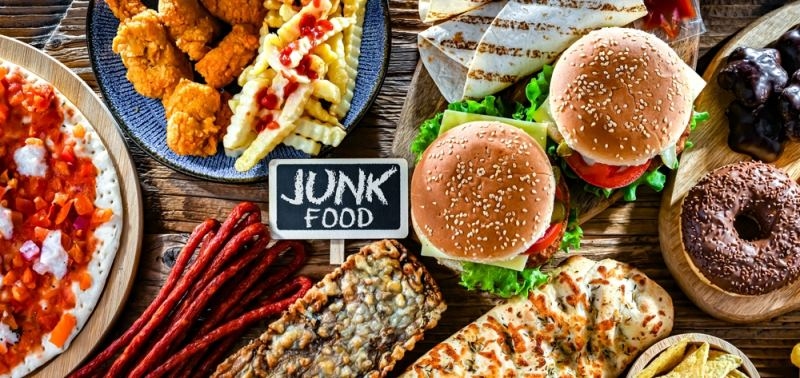
Key TakeawaysConsuming high amounts of ultra-processed foods leads to rapid spikes and crashes in blood sugar, which impairs classroom concentration and triggers mood swings in children.Diets high in sodium, unhealthy trans fats, and added sugars significantly increase a child's long-term risk of developing chronic conditions like type 2 diabetes and early-onset hypertension.Replacing calorie-dense junk foods with nutrient-rich whole foods helps establish essential healthy eating patterns that support ongoing physical and cognitive development.Teaching children how to analyze food labels empowers them to identify hidden sugars and synthetic additives in popular commercial snacks.Creating structured meal schedules and offering appealing, whole-food alternatives at home reduces a child's cravings for fast food and processed treats.Junk food has become increasingly prevalent in our society, and it is affecting children's health in significant ways. Junk food consumption in kids is a growing concern, as it is leading to obesity, type 2 diabetes, and other health problems. Data from global health organizations indicates that over 18% of children and adolescents worldwide are currently living with obesity, primarily driven by the easy accessibility and frequent consumption of ultra-processed junk foods. So, in today's article, we will share the effects and prevention of junk food consumption in kids.What are Junk Foods?Junk food refers to foods that are high in calories and low in nutrients, such as fried foods, sweets, soda, and processed snacks. According to a report by the Centers for Disease Control and Prevention, approximately 1 in 5 school-aged children consume fast food at least once a day. It is alarming and needs to be prevented to bring up a healthy future generation of rockstars. Why are Kids More Prone to the Effects of Junk Food Consumption?Children are more vulnerable to the effects of junk food because they are still developing, and their bodies require a balanced and healthy diet to support their growth and development. However, studies show that the intake of junk food in children is increasing at an alarming rate. Additionally, children consume nearly half of their daily calories from junk food, which is well above the recommended amount.What are the Major Effects of Junk Food Consumption in Kids?Junk food consumption in kids has become a topic of concern due to the negative impact it can have on their health. Junk foods are filled with high amounts of calories, sugar, fat, and salt but low in essential nutrients such as vitamins, minerals, and fiber. While these foods may be convenient and appealing to children, they can have detrimental effects on their health and well-being.Here are some of the major effects of junk food consumption in kids: Food and ObesityChildren who consume large amounts of junk food are more likely to become overweight or obese, which can lead to a range of health problems. These health problems can include type 2 diabetes, heart disease, high blood pressure, sleep apnea, and joint problems.Chronic Health IssuesThe high levels of sugar and unhealthy fats in junk food can also lead to the development of type 2 diabetes. Children who consume large amounts of junk food are at a higher risk of developing insulin resistance, which can lead to type 2 diabetes. This occurs when the body is unable to process glucose properly, leading to high levels of glucose in the blood. Over time, this can lead to damage to the blood vessels, nerves, and organs in the body.Dental Health ConcernsJunk food is often high in sugar and can lead to tooth decay and cavities. Children who consume large amounts of junk food are at a higher risk of developing dental problems, which can be painful and require expensive dental treatment.Mental FatigueIn addition to the negative impact on physical health, junk food consumption in kids can also hurt mental health. Children who consume large amounts of junk food may be at a higher risk of developing depression and anxiety. This may be due to the fact that junk food can lead to fluctuations in blood sugar levels, which can affect mood and energy levels.Low PerformanceJunk food consumption in kids can have a negative impact on academic performance. Children who consume large amounts of junk food may have lower energy levels and find it more difficult to concentrate in class. They may also have poorer memory and cognitive function, which can affect their academic performance.AvailibilityThe marketing and availability of junk food are also a concern when it comes to children's health. Many junk food companies target children in their advertising campaigns, using cartoon characters and bright colors to make their products appealing to young consumers. This can make it difficult for parents to limit their children's intake of junk food, as their children may be influenced by these marketing tactics.Many schools offer vending machines and fast-food options, making it easy for children to consume large amounts of junk food during the school day. This can make it difficult for parents to control their children's intake of junk food, as they may not be aware of how much junk food their children are consuming during the day.How to Prevent Junk Food Consumption in Kids?Here is a long list of ways to save your kids from the junk food consumption habit:Encourage healthy eating habitsEncouraging healthy eating habits is the first step in preventing junk food consumption in kids. Parents can provide nutritious meals and snacks at home and involve their children in meal planning and preparation. It is essential to provide a variety of healthy foods and limit the availability of junk food in the home.Be a role modelParents and caregivers can be positive role models for their children by practicing healthy eating habits themselves. Children are more likely to follow healthy habits when they see their parents or caregivers making healthy choices. This includes choosing nutritious foods, drinking plenty of water, and limiting junk food consumption.Limit the availability of junk foodLimiting the availability of junk food is an effective way to prevent kids from consuming too much junk food. Parents can keep junk food out of the home or limit it to occasional treats. They can also replace unhealthy snacks with healthier alternatives, such as fresh fruit, vegetables, and nuts.Encourage physical activity: Encouraging physical activity is an important part of preventing junk food consumption in kids. Regular physical activity can help kids maintain a healthy weight and reduce the risk of health problems associated with junk food consumption. Parents can encourage their children to engage in physical activity by participating in family activities, such as hiking or playing sports.Set boundaries and rulesSetting boundaries and rules around junk food consumption can help prevent kids from consuming too much junk food. Parents can set limits on how much junk food their children can consume each day or week. They can also set rules around when and where junk food can be consumed.Educate kids about healthy eatingEducation about healthy eating is an effective way to prevent junk food consumption in kids. Parents can teach their children about the benefits of a balanced diet and the negative effects of junk food on health. Schools can also play a role in educating children about healthy eating habits by providing nutrition education and promoting healthy food options in the school cafeteria.PlanPlanning is an effective way to prevent kids from consuming too much junk food. Parents can plan meals and snacks and make sure they have healthy options available. This can help prevent kids from reaching for unhealthy snacks when they are hungry.Avoid using junk food as a reward or punishmentUsing junk food as a reward or punishment can reinforce the idea that junk food is a desirable treat. Instead, parents can offer non-food rewards, such as extra playtime or a special activity.Involve kids in the processInvolving kids in the process of preventing junk food consumption can help them feel empowered and invested in their health. Parents can involve their children in meal planning, grocery shopping, and cooking. They can also encourage their children to make healthy choices and provide positive reinforcement when they do.ConclusionReducing junk food consumption in kids can have numerous benefits for their health and overall well-being. By limiting their intake of high-sugar, high-fat, and high-salt foods, parents and caregivers can help children maintain a healthy weight, improve their energy levels, and reduce their risk of chronic diseases such as diabetes, heart disease, and cancer. Additionally, encouraging kids to eat a varied and balanced diet can promote their physical and cognitive development, enhance their immune function, and support their mental health. By making small changes to their eating habits and modeling healthy behaviors, parents can set their children up for a lifetime of good health and wellness.FAQsWhat is Considered Ultra-Processed Junk Food for Children?Ultra-processed junk food includes industrially manufactured items containing artificial flavorings, colorings, preservatives, and high levels of added sugar or unhealthy oils, such as packaged chips, sodas, boxed pastries, and frozen fast-food meals.How Does Frequent Junk Food Intake Impact a Child's Dental Health?High sugar content in processed snacks feeds plaque-causing bacteria in the mouth, creating acids that erode tooth enamel and significantly increase the incidence of dental cavities in young kids.Can Reducing Junk Food Improve a Child's Sleep Quality?Yes, cutting out high-sugar treats and caffeinated beverages-especially in the late afternoon-helps stabilize nighttime energy levels, allowing children to fall asleep faster and achieve deeper, restorative rest.How Do Artificial Food Dyes in Junk Food Affect Childhood Behavior?Certain synthetic dyes and preservatives found in colorful candies and sodas have been linked to increased hyperactivity, restlessness, and behavioral changes in sensitive children.What are Practical Strategies for Transitioning a Picky Eater Away From Fast Food?Gradually swap out junk food items with healthier, similar alternatives-such as replacing deep-fried chips with air-popped popcorn or swapping sugary sodas for fruit-infused sparkling water-to allow their palate to adjust over time.

What are the Top Healthy School Lunches for Your Kids?

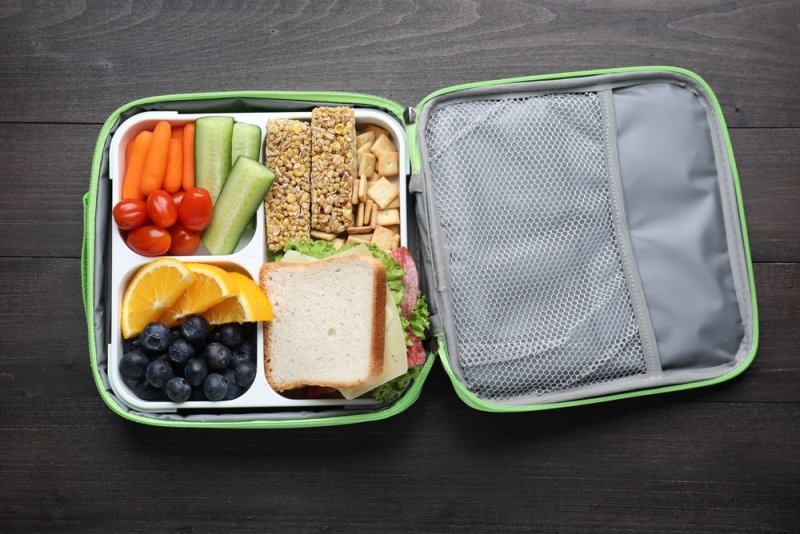
Key TakeawaysPacking a balanced mix of complex carbohydrates, lean proteins, and healthy fats provides sustained physical energy and sharpens classroom focus throughout the day.Using bento-style compartmentalized lunchboxes keeps different food textures separate and makes healthy snack options visually engaging for young eaters.Involving children in weekly grocery planning and meal preparation significantly increases their willingness to eat nutrient-rich fruits and vegetables.Prepping fresh ingredients in advance saves valuable morning time while preventing last-minute reliance on ultra-processed convenience snacks.Pairing perishable foods with ice packs or insulated containers preserves food safety and keeps meals tasting fresh until lunchtime.Eating a healthy lunch is essential for children's physical and mental health. School lunch provides them with the necessary nutrients to grow and learn. Studies show that up to 40% of the food packed in school lunchboxes is often returned home uneaten when meals lack variety or interactive elements, making appealing, balanced meal planning essential for growing children. A healthy school lunch can give children the energy and concentration they need to perform well in class and engage in physical activity. Here are some tips on creating a healthy school lunch for your child.Top 5 Healthy School Lunches That Make Up for a Delicious Snack TimeAs parents and caregivers, one of our top priorities is to provide healthy and nutritious meals for our children. However, packing a healthy school lunch that our children will eat can be challenging. Here are some delicious and easy recipes for healthy school lunches that will please even the pickiest eaters.Turkey and Cheese Roll-UpsIt is a high-protein, nutritious meal that can also be consumed as a snack or at lunch. The turkey and cheese roll-ups can fill up kids for a long time and help them receive essential protein. Here is how you can make it:Ingredients:Whole wheat tortillasSliced turkey breastSliced cheeseHummusBaby spinach leavesDirections:Lay out a whole wheat tortilla and spread a thin layer of hummus over it.Add a layer of sliced turkey breast and cheese to the hummus.Add a handful of baby spinach leaves to the turkey and cheese.Roll up the tortilla tightly and slice it into bite-sized pieces.Veggie and Cheese QuesadillasA vegetable cheese quesadilla is a warm, crispy Mexican flatbread folded over a savory mix of spiced vegetables and melted cheese. A popular choice among kids.Ingredients:Whole wheat tortillasSliced cheeseSliced bell peppersSliced mushroomsSliced onionsDirections:Lay out a whole wheat tortilla and place a layer of sliced cheese on it.Add a layer of sliced bell peppers, mushrooms, and onions to the cheese.Place another layer of sliced cheese on top of the veggies.Press down firmly to place another whole wheat tortilla on top of the cheese.Cook the quesadilla in a skillet over medium heat until the cheese is melted and the tortilla is crispy.Cut the quesadilla into wedges and pack it in a lunchbox.Chicken SaladChicken salad is healthy for kids, as it provides lean protein for growth alongside essential vitamins and fiber from added vegetables and fruits.Ingredients:Cooked and shredded chicken breastChopped celeryChopped carrotsChopped applesGreek yogurtDijon mustardSalt and pepper to tasteDirections:Mix the shredded chicken breast, chopped celery, chopped carrots, and chopped apples in a large bowl.Mix the Greek yogurt, Dijon mustard, salt, and pepper in a small bowl.Pour the Greek yogurt mixture over the chicken and veggies and mix until everything is coated.Pack the chicken salad in a lunchbox along with whole wheat crackers, sliced cucumbers, and cherry tomatoes.Hummus and Veggie WrapA hummus and veggie wrap is a nutritious, balanced, and energizing meal option that provides growing kids with essential plant-based protein, fiber, vitamins, and healthy fats. Ingredients:Whole wheat tortillasHummusSliced cucumbersSliced tomatoesSliced bell peppersSliced carrotsSliced avocadoDirections:Lay out a whole wheat tortilla and spread a generous layer of hummus over it.Add a layer of sliced cucumbers, tomatoes, bell peppers, carrots, and avocado to the hummus.Roll up the tortilla tightly and slice it into bite-sized pieces.Pack the wrap in a lunchbox along with a side of fresh fruit or yogurt.Greek SaladGreek salad is healthy for kids because it is packed with fresh, raw vegetables, healthy fats, and essential minerals that support a growing body. Ingredients:Chopped romaine lettuceCherry tomatoesSliced cucumbersChopped red onionFeta cheeseKalamata olivesGreek vinaigretteDirections:Mix the chopped romaine lettuce, cherry tomatoes, sliced cucumbers, chopped red onion, feta cheese, and kalamata olives in a large bowl.Drizzle the Greek vinaigrette over the salad and toss to coat.Pack the salad in a lunchbox with a whole wheat pita and hummus.Tips to Create a Healthy School LunchHere they are:Include a variety of foods:A balanced school lunch should include a variety of food groups, including whole grains, lean protein, fruits, vegetables, and dairy. Incorporating a variety of foods can provide children with the essential nutrients they need to maintain a healthy weight, boost their immune system, and improve their overall health. It will boost healthy eating habits.Choose whole grains: Whole grains, such as whole-grain bread, pasta, and brown rice, provide children with fiber, vitamins, and minerals essential for their health. Choosing whole grains over refined grains can help children maintain a healthy weight, reduce their risk of chronic diseases, and improve their digestive health.Incorporate lean protein: Protein is an essential nutrient that helps children build and repair tissues, maintain a healthy immune system, and support healthy growth and development. Choosing lean protein sources, such as chicken, turkey, fish, tofu, and legumes, can provide children with the necessary protein without the added fat and calories.Include fruits and vegetables: Fruits and vegetables are packed with vitamins, minerals, and antioxidants essential for children's health. Including various fruits and vegetables in school and lunch can help children maintain a healthy weight, improve their immune system, and reduce their risk of chronic diseases.Choose low-fat dairy: Dairy products, such as milk, cheese, and yogurt, are excellent sources of calcium, which is essential for children's bone health. Low-fat dairy products can provide children with the necessary calcium without the added saturated fat.Avoid processed foods: Processed foods, such as packaged snacks, chips, and sugary drinks, are high in calories, sodium, and added sugars, contributing to obesity, diabetes, and other chronic diseases. Avoiding processed foods and choosing whole, unprocessed foods can help children maintain a healthy weight, improve their overall health, and reduce their risk of chronic diseases.Benefits of Healthy School LunchHealthy school lunch is an essential component of children's health and well-being. Here are some of the benefits:A balanced and nutritious school lunch can give children the necessary nutrients to grow, learn, and develop to their fullest potential. Eating a healthy school lunch can improve children's concentration and performance. A well-balanced meal can provide the necessary nutrients, such as vitamins, minerals, and fiber, to support brain function, memory, and cognition. Studies have shown that children who eat a healthy lunch are more alert and engaged in class and have better academic performance than those who do not. It will also create a lifetime of healthy eating habits.Eating a healthy school lunch can help children maintain a healthy weight. A balanced meal with lean protein, whole grains, fruits, and vegetables can provide children with the necessary energy and nutrients without the added calories, saturated fats, and added sugars in processed foods and snacks. A healthy weight can reduce the risk of chronic diseases like diabetes, heart disease, and obesity. Eating a healthy school lunch can improve children's digestive health. Whole grains, fruits, and vegetables are excellent sources of fiber, which is essential for digestive health. A fiber-rich diet can help prevent constipation, reduce inflammation, and promote the growth of healthy gut bacteria.Eating a healthy school lunch can reduce the risk of chronic diseases like diabetes, heart disease, and cancer. It improves mood and mental health. Eating a healthy school lunch can improve children's mood and mental health. Studies have shown that a balanced diet that includes fruits, vegetables, whole grains, and lean protein can reduce symptoms of anxiety and depression and improve overall mental health.Eating a healthy school lunch can help children develop healthy eating habits that can benefit them for a lifetime. By exposing children to various healthy foods and teaching them the importance of balanced and nutritious meals, parents and teachers can instill healthy eating habits that reduce the risk of chronic diseases and improve overall health and well-beingConclusionA healthy school lunch is essential for children's health and well-being. Various foods, including whole grains, lean protein, fruits, vegetables, and dairy, can provide children with the necessary nutrients to grow and learn. Avoiding processed foods and choosing whole, unprocessed foods can help children maintain a healthy weight, improve their overall health, and reduce their risk of chronic diseases. By preparing a healthy school lunch for your child, you can help them develop healthy eating habits that will benefit them for a lifetime.FAQsHow Long Can Perishable Foods Safely Stay in a Packed Lunchbox?Perishable items like deli meats, yogurt, and cheese can safely remain at room temperature for up to two hours, so packing them alongside an insulated ice pack is necessary to prevent bacterial growth.What are the Best Nut-Free Protein Options for School-Safe Lunches?Great nut-free protein substitutes include sunflower seed butter, hard-boiled eggs, roasted chickpeas, hummus dip, cottage cheese, rolled turkey slices, and pumpkin seeds.How Can Parents Keep Sliced Fruits from Turning Brown Before Lunchtime?Tossing light-colored fruit slices, like apples or pears, in a brief bath of diluted lemon juice, salted water, or honey water prevents oxidation and keeps them crisp and fresh.Should Warm Food Items Be Packed In Standard Bento Boxes?No, standard plastic or stainless steel bento boxes lose heat quickly; warm meals like soups, pasta, or rice dishes should be stored in pre-warmed insulated thermoses to stay safe and appetizing.Yummy Tummy AarthiHow Do You Ensure School Lunches Meet Daily Fiber Requirements?Incorporate fiber-rich whole foods daily by swapping white bread for whole grain options, packing fresh berry assortments, and adding raw vegetable sticks paired with bean-based dips.


How Can You Establish Healthy Eating Habits for Kids?

Quick TakeawaysEstablishing healthy eating habits early supports optimal brain development, physical growth, and long-term metabolic health.Involving children in meal preparation increases their willingness to try new whole foods and vegetables.Maintaining consistent meal schedules reduces picky eating behaviors and strengthens positive dietary habits.Focusing on balanced nutrient groups rather than strict calorie counting ensures growing kids receive adequate vitamins, minerals, and healthy fats.Parents serve as primary dietary role models, making positive modeling far more effective than forced consumption.Instilling positive nutrition behaviors early in life lays the foundation for lifelong wellness, emotional health, and physical vitality. Data from the Centers for Disease Control and Prevention (CDCP) indicates that over 80% of children in the United States consume less than the recommended daily intake of vegetables. While added sugars make up nearly 14% of their total daily calories. Addressing these dietary patterns requires consistent strategies that make whole foods appealing and accessible without creating friction at the dinner table. Why Do Healthy Eating Habits Matter in Childhood Development?Childhood is a period of rapid physical growth and neurological development. Proper nutrition fuels daily activities, supports cellular repair, and strengthens the immune system to ward off common childhood illnesses.Establishing strong nutritional habits early prevents long-term health risks like juvenile diabetes and metabolic imbalances. Beyond physical health, stable nutrition directly regulates mood, energy levels, and classroom focus.Which Foods Should Be Included in a Child's Diet?A well-rounded diet relies on macro and micronutrients working together. Incorporating a diverse array of fresh ingredients ensures your child gets complete nutrition without needing synthetic supplements.Carbohydrates (Energy): Whole grains like rice, roti, oats, and millets provide sustained, slow-burning energy throughout their active days.Protein (Growth): Essential building blocks found in dal, legumes, paneer, eggs, chicken, and fish support muscle development and tissue repair.Healthy Fats (Brain Development): Essential fatty acids from ghee, nuts, and seeds boost cognitive focus and nervous system health.Fruits and Vegetables (Vitamins & Fiber): Seasonal produce delivers essential antioxidants. Aim for variety, including dark leafy greens and root vegetables to maintain healthy digestion.Dairy (Calcium): Nutrient-rich options like milk, curd, and cheese strengthen bone density and dental health during key growth spurts.5 Practical Ways to Build Healthy Eating Habits in ChildrenBuilding sustainable habits takes patience, structure, and a supportive kitchen environment. The following strategies help transform mealtimes into positive experiences for the whole family.1. Build a Balanced Food PlateA nutritious plate should consist of half fruits and vegetables, one-quarter lean protein, and one-quarter whole grains. This balanced breakdown supplies steady energy and essential micronutrients throughout the day. It prevents energy spikes and crashes, helping kids stay focused during school hours.Estimated Budget: $50 to $120 weekly per child for fresh whole foods.Best For: Daily meal planning, supporting physical growth, and maintaining steady blood sugar levels.2. Involve Children in Meal PreparationKids who help wash vegetables, stir batters, or select produce at the grocery store show greater interest in eating those meals. Cooking together builds practical life skills and curiosity about whole ingredients. It turns mealtime into an interactive learning game rather than a daily chore.Estimated Budget: $0 (utilizes existing kitchen tools and weekly groceries).Best For: Overcoming picky eating, building kitchen confidence, and bonding during food prep.3. Establish Consistent Meal and Snack SchedulesRegularly scheduled meals prevent constant grazing and ensure kids come to the table with a healthy appetite. Aim for three main meals and two structured nutrient-dense snacks each day. Predictable schedules teach children to listen to their body's natural hunger cues effectively.Estimated Budget: $0 (requires schedule adjustments only).Best For: Preventing mood swings, regulating appetite, and eliminating bedtime snack negotiations.4. Replace Sugary Drinks with Hydrating AlternativesExcessive consumption of fruit juices and sodas adds empty calories without providing satiety. Offer water, milk, or unsweetened fruit-infused water as the primary hydration choices throughout the day. Reducing sugary beverages protects dental enamel and stabilizes daily mood fluctuations.Estimated Budget: $10 to $25 monthly for fruit infusions or filtered water solutions.Best For: Protecting dental health, preventing energy crashes, and supporting cellular hydration.5. Create a Stress-Free Dining EnvironmentAvoid using food as a reward, punishment, or bargaining chip during mealtimes. Pressure-free dining encourages children to listen to their natural hunger and fullness cues without emotional anxiety. Sitting down together for family meals fosters open communication and positive eating behaviors.Estimated Budget: $0 (focuses on behavioral changes).Best For: Developing intuitive eating, reducing dinner table power struggles, and fostering family connection.Common Mistakes to Avoid When Feeding KidsParents often fall into common traps when trying to encourage better eating habits. Recognizing these patterns helps you maintain a positive, stress-free dining environment.Forcing Kids to Clean Their Plates: Overriding a child's natural fullness cues can lead to overeating habits later in life.Using Sweets as Rewards: Treating dessert as a prize makes healthy foods feel like a chore by comparison.Becoming a Short-Order Cook: Preparing separate custom meals for picky eaters reinforces selective eating habits rather than expanding their palate.Banning Foods Completely: Strict restrictions often increase a child's desire for forbidden treats when they are away from home.ConclusionDeveloping healthy eating habits for kids is an ongoing journey that yields significant long-term health benefits. By focusing on balanced food groups, steady meal schedules, and positive dining environments, parents empower their children to make nourishing choices independently. Avoiding common pitfalls like forced eating or using food as rewards keeps mealtimes enjoyable and stress-free. Focus on progress over perfection, remain patient through picky eating phases, and lead by example at every family meal.For additional activity sheets, nutritional trackers, and kid-friendly recipes, explore our full library of family wellness resources designed to make healthy living engaging for all ages.FAQsWhat is the Recommended Daily Fiber Intake for Growing Children?Children typically require their age plus five grams of fiber daily to support digestion and gut health. Offering whole grains, berries, legumes, and green vegetables ensures kids hit their daily fiber targets naturally without reliance on synthetic supplements.How Do You Distinguish Between True Hunger and Boredom Eating in Kids?True hunger develops gradually and can be satisfied with a variety of nutritious options, whereas boredom eating often triggers sudden cravings for specific processed treats. Offering a balanced snack like apple slices or cheese sticks helps determine if a child is genuinely hungry.What are the Best Brain-Boosting Foods for School-Aged Children?Nutrient-dense options like eggs, fatty fish, walnuts, blueberries, and spinach contain essential omega-3 fatty acids and antioxidants. Including these items in daily breakfasts and lunches supports memory, cognitive focus, and overall academic performance.How Can Parents Manage School Lunch Choices for Picky Eaters?Packing colorful bento-style lunchboxes with small portions of familiar foods alongside one new item reduces overwhelm. Involving your child in packing their lunchbox ensures they feel ownership over their meal choices while away from home.Are Plant-Based Diets Safe and Nutritious for Young Children?Well-planned plant-based diets can fully support healthy childhood growth when properly supplemented with essential nutrients like vitamin B12, iron, and zinc. Consulting a pediatric dietitian helps verify that all nutritional requirements are met during key development stages.

How Can Probiotics Help Kids Stay Happy and Healthy?

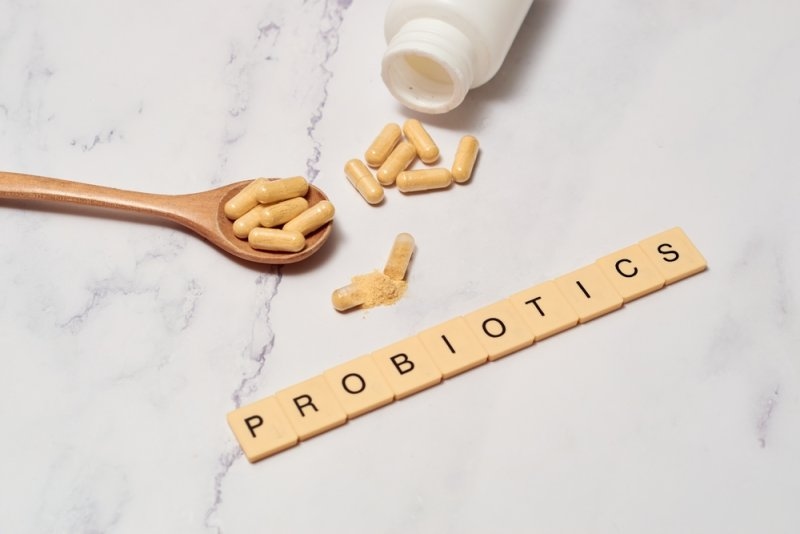
Key TakeawaysIntroducing probiotics into a child's diet helps establish a balanced gut microbiome that directly strengthens their natural immune defenses.Good bacteria promote smooth digestion and assist in alleviating common pediatric gut issues like constipation, bloating, and diarrhea.Maintaining gut health positively influences mood regulation and focus through the gut-brain axis, supporting a balanced emotional state.Taking probiotics during or after antibiotic treatments helps restore essential beneficial bacteria disrupted by prescription medications.Including probiotic-rich foods like yogurt, kefir, and fermented vegetables offers a safe and natural daily boost for growing bodies.In a child's world, staying healthy is no easy feat. Between school, extracurricular activities, and friends who may not be the healthiest role models, kids are constantly surrounded by risks that could compromise their immune systems. As such, parents need to arm themselves with as many resources as possible when it comes to keeping their kids healthy in body and mind. Recent clinical studies reveal that approximately 70% to 80% of a child's immune system is located in their gut microbiome, making balanced gut flora vital for fighting off everyday infections and supporting digestion. If you're a parent concerned about your child's immune system or simply want to give them an edge over the competition at school, consider investing in probiotics for kids. These beneficial bacteria can help children combat disease and stay happy throughout all of their activities. In this blog post, you will learn more about how probiotics for kids can improve overall health, increase immunity, and reduce stress levels. What are Probiotics?Probiotics are "good bacteria" that live in the human gut and play an important role in the body's digestion and immune system, helping to maintain a healthy digestive system. When consumed, these live bacteria can help to repopulate the gut with beneficial organisms that aid in the digestion of food, strengthen the immune system, and promote a healthy gut environment. Whereas most people associate probiotics with digestive health and the treatment of diarrhea and constipation, bacteria also play a big role in the health of the immune system. If probiotics are not consumed, immunity operates differently, such as:When the immune system is functioning properly, it can fend off harmful bacteria, viruses, and other pathogens that may cause illness. When the immune system is not functioning optimally, children are more likely to catch colds, experience allergies, and battle other serious health conditions like eczema and asthma.Must Try: Discover Top Immune-Boosting Foods for Kids in 2025How Can Probiotics Help Children Stay Healthy?Probiotics play a vital role in supporting a child's overall wellness. Here is a breakdown of how these beneficial bacteria help keep kids healthy:1. Supporting the Gut-Brain Axis and MoodThe gut and the brain communicate constantly via the nervous system and chemical messengers. A balanced gut microbiome supports optimal neurotransmitter production (like serotonin), which helps regulate mood, reduce anxiety, and promote better focus and emotional balance in children. 2. Strengthening the Immune SystemBecause roughly 70% to 80% of the body's immune cells reside in the gut, maintaining a healthy microbiome is essential. Probiotics help crowd out harmful pathogens, produce antimicrobial compounds, and train developing immune systems to fight off common childhood infections like colds and stomach bugs.3. Improving Digestion and Nutrient AbsorptionProbiotics assist in breaking down food and managing common pediatric digestive issues, including constipation, diarrhea, bloating, and gas. They also support the intestinal lining, which enhances the gut's ability to absorb vital vitamins and minerals necessary for growing bodies.4. Restoring Gut Balance After AntibioticsWhile antibiotics are necessary to clear up bacterial infections, they kill both bad and good bacteria in the gut. Introducing probiotics during or after a course of antibiotics helps quickly restore beneficial bacterial populations, preventing medication-induced diarrhea and digestive upset.5. Reducing Symptoms of Skin Conditions and AllergiesCertain strains of probiotics help modulate the immune system's inflammatory responses. Research suggests that maintaining gut health can reduce the frequency or severity of childhood skin conditions like eczema and lower the risk of developing certain seasonal allergies.Why are Immune Systems in Kids so Vulnerable?Children's immune systems are notably more vulnerable than those of adults because they are still actively developing, adapting, and learning how to protect the body.1. Naive Immune MemoryUnlike adults who have accumulated decades of "immunological memory" from past exposures, a child's immune system is mostly naive. It has not yet built up an extensive library of antibodies to quickly recognize and fight off common viruses and bacteria, meaning every new germ triggers a full, first-time immune response.2. Developing Physical BarriersA child's first lines of defense-such as skin, nasal passages, and the lining of the digestive tract-are physically thinner and more permeable than an adult's. These developing barriers make it easier for pathogens to breach the body and enter the bloodstream or tissues.3. Maturing Gut MicrobiomeBecause roughly 70% to 80% of immune cells reside in the gut, a child's immune health depends heavily on their gut bacteria. In early childhood, the gut microbiome is still diversifying and stabilizing, leaving children more susceptible to digestive disruptions and temporary drops in immune defense.4. Frequent Hand-to-Mouth BehaviorsKids explore their environments largely through touch and mouth contact, exposing them to a vastly higher volume of pathogens daily. Combined with developing hygiene habits (like handwashing), this constant exposure puts a heavy, continuous load on their growing immune systems.5. High Exposure in Group SettingsDaycare facilities, preschools, and elementary classrooms create environments with high physical proximity. Children share toys, utensils, and close spaces, leading to frequent re-exposure to rotating strains of colds, flu, and gastrointestinal bugs.How Can Probiotics Help Fight Illness?Probiotics cannot only help kids stay healthy, but they can also be used to fight illness and reduce the duration of infection when kids get sick. Unfortunately, when kids are sick, they have a tendency to eat less. This is problematic because bacteria are required to fight off infection and sickness. For optimal results, parents should administer probiotics to kids when they are sick. Not only will probiotics help fight off illness, but they will help alleviate symptoms like coughing, congestion, and fever.Who Should Use Probiotics?Kids of all ages can benefit from probiotics, with particular advantages for younger children. This is because their immune systems are not as strong and are still developing. By taking probiotics daily or when sick, kids can strengthen their immune systems and reduce the risk of illness. Kids who take probiotics may also be more likely to get better faster when they are sick. Furthermore, kids who take probiotics have been shown to have a reduced likelihood of developing allergies. Parents of newborns, infants, and toddlers should consider probiotics for kids. This is because their immune systems are still developing, and probiotics can help strengthen them and protect against illness. Children who attend daycare or school are also at risk of contracting illnesses. This is because kids are constantly in proximity to one another, which increases the risk of spreading bacteria and viruses. This can be particularly problematic for kids who are younger than two years old and have yet to build their immune systems. Where Should You Buy Healthy Probiotics for Your Child?Probiotics are widely available in health food stores, pharmacies, and online. As with any medication, it's important to consult with your child's doctor before giving him probiotics. Probiotics are a safe and effective way to treat many common digestive issues in children, from mild tummy aches to Crohn's disease. The sooner your child starts taking probiotics, the sooner they'll start feeling better. When it comes to purchasing probiotics for children, there are many options available. You can purchase probiotic supplements that are meant for adults and break them open to administer to younger children. However, when it comes to your child's health, it's best to choose a product that has been specially formulated for kids. This way, you can be sure you're giving them the right amount of probiotics in the right number of doses and that they are safe and easy to take. There are many brands of probiotics for kids on the market, but not all of them are created equal. When choosing a probiotic for your child, make sure it contains the correct strains of bacteria and vitamins and minerals that kids need for proper growth and development.ConclusionKids are constantly surrounded by risks that could compromise their immune systems. Fortunately, probiotics can strengthen immunity, help fight illness, and reduce the risk of allergies. If you're a parent concerned about your child's health, consider investing in probiotics for kids. These beneficial bacteria can help children combat disease and stay happy. For the best results, you should administer probiotics to kids when they are sick. Kids of all ages can benefit from probiotics, but you should choose a product that is specifically formulated for kids. Visit KidsActivityPage.com to learn more about how to keep your kids healthy, safe, and strong.FAQsAre Probiotic Supplements Safe for Toddlers and Infants?Probiotic supplements are generally safe for young children, but you should always consult your pediatrician to confirm the proper strain and dosage before introducing supplements to infants or toddlers.What is the Difference Between Prebiotics and Probiotics for Kids?Probiotics are live beneficial bacteria that populate the gut, while prebiotics are non-digestible plant fibers that act as food to help those good bacteria thrive.Can Kids Get Enough Probiotics Solely Through Their Daily Diet?Yes, children can get sufficient probiotics through food alone if they regularly consume fermented items like plain yogurt, kefir, mild kimchi, sauerkraut, and traditional buttermilk.What Happens if a Child Takes Too Many Probiotics?Excessive probiotic intake rarely causes severe harm, but it can lead to temporary digestive discomfort such as gas, bloating, or mild loose stools until the gut adjusts.How Long Does it Take to See Health Improvements After Starting Probiotics?Noticeable improvements in digestion or stool regularity typically occur within a few days to two weeks, whereas broader immune support benefits develop over several weeks of consistent use.

How to Build Lifelong Healthy Eating Habits Among Kids?

Key TakeawaysIntroducing a variety of whole foods early in childhood encourages adventurous eating habits that persist into adulthood.Involving children in meal preparation builds positive associations with healthy ingredients and increases their willingness to try new foods.Modeling balanced eating behaviors as parents creates an encouraging environment where kids naturally adopt healthy habits without feeling pressured.Establishing consistent family mealtimes fosters healthy digestion and strengthens emotional connections around the dinner table.Teaching kids to listen to their natural hunger and fullness cues prevents overeating and supports a positive relationship with food.When we think of eating habits, we often imagine something complex. What habits could be simpler than eating right? It's a practice that repeats every day. As parents, our role is to guide our children in making the right choices when they eat. But how can we do that? By modeling healthy habits ourselves. Research shows that up to 90% of a child's long-term food preferences and dietary behaviors are established before the age of six, making early childhood the most critical period for shaping nutritional habits. The things you do daily influence how your child views food as well as how they view themselves. If you want your kids to have healthy eating habits for life, here are some essential tips from registered dietitians - who also happen to be moms - on cultivating good eating habits for life in your kids.Top 9 Tips to Create a Healthy Eating Habit in Your KidIt is difficult to infuse anything good in people. As you know, learning bad ones is easier than cultivating the good ones. Similarly, infusing a lifelong healthy eating habit takes time. So, be patient and perform the following over time:Be a Role Model With What You Eat and How You ExerciseIf you have poor eating habits, so will your kids. This is a no-brainer. If you eat a diet of candy bars, chocolate, soda, and potato chips, your kids are going to see that and copy you. If you order a bucket of fried chicken and fries for dinner, your child is going to see that and want that, too. If you exercise regularly, so will your child. Children are sponges who pick up on everything you do. Starting healthy habits early is important for lifelong health. If your child sees you exercise regularly, they are more likely to do the same when they are older. Being a role model when it comes to food and exercise can help your child avoid developing unhealthy eating habits in the future.Create a RoutineEarly in life, your child will develop a routine around eating. Whether this is a good routine or a bad one depends on how you guide them. If you feed your child whenever they cry, whine, or demand food, they'll develop an unhealthy relationship with food that could last a lifetime. If you feed your child at set times during the day, and not whenever they want, this can help to develop a healthy relationship with food. Try to make eating a routine for your child. If your child is still very young, give them meals at set intervals throughout the day, such as every three hours. As your child keeps growing older, they'll need to eat more frequently, so you should change this in accordance with their changing needs.Discard Junk Food from LifeIf your child wants a snack and asks for a bag of chips, crackers, cookies, or any other junk food, tell them no. Period. Junk food is rarely nutritious, and it's usually high in sugar, fat, or sodium. It's fine to let your child have a treat occasionally, but don't make it a regular thing. If your child asks for a certain type of food, ask them why. This can lead to a healthy discussion about why certain foods are bad for you, and others are good for you. If your child wants a snack, try to offer them something nutritious, such as a piece of fresh fruit, a small bowl of nuts or trail mix, or some cheese and crackers. Indeed, you can't force your child to eat healthy foods, but you can limit their access to unhealthy foods.Turn Dinner Into a Family EventMake dinner a real family event. Sit down at the table with your kids and make it a time for conversation and bonding. Not only will this help to promote better eating habits in your child, but it will also help to lower the risk of childhood obesity. When you make eating a social activity, it helps to make it more enjoyable. This, in turn, makes it more likely that your child will finish what they started. Eating together as a family is also a great way for your child to learn good table manners. What you do at the table as a family can have a lasting impact on how your child sees and experiences food.Show Your Child How to Cook Healthy Meals at HomeAs your child gets older, encourage them to help you prepare their own meals. Cooking for yourself is a skill that everyone should have, and getting your child into the kitchen at a young age is a great way to cultivate such skills. Not only will this help your child to eat healthily, but it's also a great money-saving skill. Eating at home is cheaper than eating out, so getting your child to help you make food at home can help to save you money. If your child doesn't want to cook, that's fine. However, they should know how to make healthy food at home, which can help them to avoid eating unhealthy processed foods.Don't Be Afraid of the Dark Green Leafy VeggiesKids tend to love burgers, fries, and pizza, but they're not so keen on eating their greens. When your child is old enough to start eating vegetables, don't be afraid to go green. There's a perception that greens are bitter and gross, but they're actually a great source of fiber, vitamins, and minerals. They're also a good source of protein. Getting your child to eat greens is important, as they're a great source of iron and calcium, both of which are essential for healthy growth. If your child doesn't want to eat the greens, try sneaking them into casseroles, soups, stews, or other dishes where they can't really be seen or identified.Don't Rely on Protein Shakes and SupplementsIndeed, athletes and other people who lead an active lifestyle often use protein shakes and supplements to help them build muscle and recover more quickly after a workout. However, it's best not to rely on them when it comes to the diet of your children. Protein shakes and supplements are not as nutritious as real food, and they don't provide your child's growing body with the vitamins and minerals that real food does. Instead of protein shakes, treat your kids with homemade shakes and juices to help them get all the nutrition they need in a fun and delicious way. Homemade drinks made of natural and nutritious ingredients can act as a boost to energize and satisfy your child.Set Clear Expectations for Mealtime BehaviorParents often spend a lot of time telling their kids what to do, but do you ever tell them what not to do? If not, this can create a negative association with mealtime. State things clearly, likeHow do you want your child to behave at the dinner table? Do you want them to speak nicely to one another? Do you want them to keep their elbows off the table? Do you want them to stay until the meal is finished, even if they don't like what they are eating? Once you set these clear expectations, it becomes much easier to enforce them. If you want your child to eat healthier, this starts at the dinner table. Help Your Child Develop Their Own Taste for Healthy FoodWhen your child is very young, there's not much you can do to instill a taste for healthy food because they don't have one. However, as they get older, they start to develop their own taste and learn what they like and don't like. This is a good thing, but it can be a problem if they develop a taste for unhealthy foods. This is why, as they get older, you should try to make eating healthy as appealing as possible. If your child likes a specific food, don't let them eat it as a side dish. Instead, turn it into a main dish that they can enjoy. For example, if your child likes cheese, sprinkle it on pasta or make macaroni and cheese.ConclusionCreating healthy eating habits for our kids isn't easy. In fact, even adults struggle to find the balance between eating well and not going overboard with snacks, sugars, and fats. Fortunately, there are steps parents may take to support their children in creating lifelong healthy habits. Continue reading to discover more about how to accomplish it.Whether you have an infant, preschooler, or pre-teen at home, the same rules apply when it comes to raising a child who loves healthy food. The key to their success is limiting access to junk food and sweets while increasing the number of wholesome meals they have each day. By implementing these habits in your family culture, you'll raise little foodies who love kale as much as candy! Visit KidsAsActivityPage.com to learn more about how to raise your kids the right way!FAQsHow Long Does It Take For A Child To Accept A New Food?It often takes 10 to 15 repeated exposures to a new food before a child becomes comfortable accepting and eating it.Should Parents Force Children To Clean Their Plates At Mealtimes?Forcing children to finish everything on their plate suppresses their internal fullness signals and can increase the risk of overeating later in life.How Do You Handle Picky Eating Without Cooking Separate Meals?Serve one cohesive family meal that includes at least one familiar "safe food" your child already likes alongside the new or less-favored items.Does Restricting Sweets Make Kids Want Them More?Completely banning sugary treats can heighten their appeal and lead to bingeing when access is available, so offering sweets in moderation alongside regular meals works better.How Can Parents Encourage Healthy Snack Choices Between Meals?Keep nutrient-dense options like sliced fruits, raw vegetables, and whole-grain items visible and easily accessible at eye level in the kitchen.

What are the Best Brain Foods for your Kid's Healthier Mind?

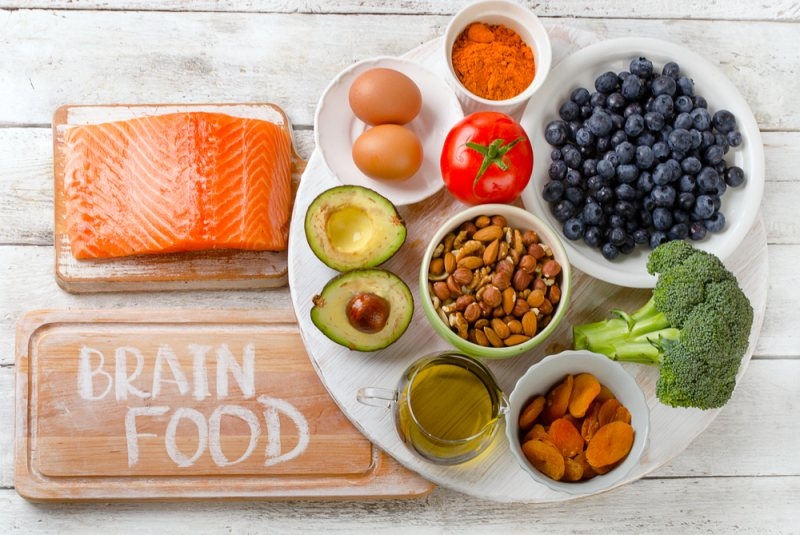
Key TakeawaysIncorporating nutrient-dense superfoods into a child's daily diet directly fuels memory retention and enhances mental clarity during critical developmental years.Omega-3 fatty acids found in sources like fatty fish promote healthy brain cell structure and boost overall focus in the classroom.High-protein options paired with essential choline work together to strengthen neural pathways and long-term memory capacity.Antioxidant-rich fruits protect developing brain tissue from oxidative stress while encouraging consistent energy levels throughout the day.Complex carbohydrates supply a steady stream of glucose to the brain to prevent sudden energy crashes and maintain sharp attention spans.Being a kid is hard. Especially when you're trying to grow your brain at the same time as keeping your hormones in check, managing new social situations, and learning to handle schoolwork in an increasingly digital world. School can be stressful for kids, their parents, and their teachers, but there are some things we can do to help keep things on the right track. By age two, a child's brain achieves approximately 80% of its adult size, making early nutrient-dense nutrition essential for supporting cognitive growth, memory retention, and focus. That's why the best brain foods are different from just any old "healthy" foods. The best brain foods are those that have been shown by scientific research to promote healthy development of a child's mind. These foods aren't necessarily magical-no single food can make a kid smart-but they have been identified as particularly important in supporting healthy brain function across the board.What is a Healthy Brain for Kids?A healthy brain is a functional brain that can operate at its full capacity and strength without being negatively affected by things like stress, anxiety, or depression. There's no "normal" or "average" for brain function, but there are some key indicators that a child may be in need of extra support. If a child is experiencing any of these, it's worth speaking to their pediatrician and/or a child psychologist about ways to support healthy brain development. Here is how they can feel:Low self-esteem, low self-confidence, and low motivation: These all relate to low self-worth and can be indicators that a child struggles to see their own power. Trouble making or maintaining friendships: Kids who struggle to make and keep friends may have some social skills deficits. Trouble with academic performance: Kids with learning disabilities and other challenges often need extra support, either in the classroom or outside of it.Try This: Kids Nutrition 2025: Healthy Food Ideas for ChildrenWhich are the Essential Nutrients Kids Need to Be Fed to Gain a Healthy Brain?There is a wide variety of nutrients that ensure healthy brain development among kids, allowing them to excel in life, and here are the following:ProteinsKids need about 10% of their daily calories from protein, which is found in dairy, eggs, and legumes. Protein can help kids build strong muscles and bones and has also been shown to help kids stay focused and alert. Kids who eat a diet high in protein tend to have lower levels of stress hormones like cortisol, which can help keep anxiety levels down. Protein is important for healthy brain development, which is why it's recommended that growing kids eat enough of it every day.Beans and LegumesLegumes and beans are high in fiber and protein, which is why many dietitians recommend that kids eat them at every meal. Beans and legumes can provide a well-rounded diet that's rich in key nutrients and easy to digest. Kids who eat a diet high in healthy beans and legumes are less likely to experience digestive discomfort and are also more likely to stay focused on their work or homework. Beans and legumes are also high in iron, which helps support healthy brain development and the management of mood disorders.Dark-Colored Fruit and VeggiesAll fruits and vegetables are rich in vitamins and minerals, but some are particularly beneficial for kids' mental health. Dark-colored fruits and vegetables-like blueberries, carrots, and avocados-are high in antioxidants, which can help manage depression and anxiety. Kids who eat a diet high in vitamins and minerals are less likely to experience mental health issues like attention disorders and mood disorders. They are also less likely to experience low energy and feelings of depression.Fruits Like BlueberriesFruits are crucial for a healthy mind, but blueberries are particularly high in antioxidants that support mental health and academic performance. Blueberries are easy to add to any meal and are designed to be eaten raw, which means they are full of nutrients without any unhealthy additives or preservatives. Additionally, blueberries are a low-calorie option, clocking in at only 42 calories per serving. They also have a high level of soluble fiber, which can help reduce cholesterol and promote a healthy digestive system. Blueberries are packed with antioxidants, which can reduce your risk of certain diseases and boost your overall health. Kids who eat a diet high in blueberries are less likely to experience mental health issues like depression and anxiety. They are also more likely to perform better in school and have higher attention spans, which is important for academic performance.FatsFat is an essential nutrient that all kids need, but they need to get it in smaller doses than adults as they grow. The ideal amount is between 10 and 20% of your daily calories. A good portion of that comes from the omega-3 fatty acids found in fish, nuts, and seeds, and the rest comes from plant sources like nuts, seeds, and avocados. Kids who eat a diet high in fat are more likely to experience both physical and mental health issues. Eating too many fats can lead to obesity or other metabolic disorders and can also impact mental health by increasing levels of cortisol, a hormone that can lead to anxiety and depression.FiberThe brain is made up of nearly 60% fat and almost 30% sugar, so it's important to support a child's brain health with a diet that's high in fiber. Whole grains, beans, fruits, and vegetables are all rich in fiber, as are nuts and seeds. Eating a diet high in fruits, vegetables, and whole grains can help increase your child's fiber intake. Some foods that are high in fiber and tend to be favorites among kids are raisins, oatmeal, and berries. Kids who eat a diet high in fiber tend to have lower levels of stress hormones like cortisol and adrenaline, which can help keep anxiety levels down. They are also more likely to have regular bowel movements, which is important for supporting metabolism and reducing stress on the entire body.CarbohydratesCarbohydrates are the body's primary energy source, and kids need to eat enough of them to stay healthy and focused. Kids must eat a variety of carbohydrates, including grains, legumes, dairy, and starchy vegetables like potatoes. Kids who eat a diet high in carbohydrates are less likely to experience low energy, mood issues, or digestive distress, which are all common in kids who don't eat enough of these foods. Carbohydrates also help kids concentrate better, which is important for academic performance.Must Try: Top Choices of Food For Brain Development Of 6 Month BabyHow Can Kids Have a Healthy Mind Apart from Food?Perform exercise regularly. It is key to overall health for many diseases. It has amazing health benefits for kids and the elderly. Exercise is important for all kids, but it's especially important for kids who experience anxiety or depression. Exercise can help kids let out any pent-up energy and frustration and can also help them better manage feelings, emotions, and thoughts. But as kids grow, they need different types of exercise to keep their brains and bodies healthy. Kids between the ages of 5 and 12 should focus on aerobic activities that get the heart pumping and the blood flowing, like running, swimming, or basketball. ConclusionIt's never too early to start feeding your kids a healthy diet that promotes brain health and development. Even the healthiest kids will likely face some challenges along the way, so it's important to start with a solid foundation. The best brain foods are different from just any old "healthy" foods. The best brain foods are those that have been shown by scientific research to promote healthy development of a child's mind. These foods aren't necessarily magical-no single food can make a kid smart-but they have been identified as particularly important in supporting healthy brain function across the board. Visit kidsactivitypage.com for more information, tips, and advice to help your children develop essential skills and habits and become more mature.FAQsWhat are the Signs that a Child Might Lack Essential Brain Nutrients?Common indicators include frequent brain fog, difficulty concentrating on schoolwork, uncharacteristic irritability, low energy levels, and poor memory retention during daily tasks.Can Cooking Brain Foods Alter Their Nutritional Value for Kids?Overcooking vegetables can degrade delicate water-soluble vitamins like vitamin C and folate, so light steaming, raw snacks, or quick sautés work best to preserve brain-boosting nutrients.How Does Daily Water Consumption Impact Cognitive Function in Children?Even mild dehydration can reduce a child's attention span, impair short-term memory, and cause fatigue, making consistent daily water intake vital for optimal brain performance.Are Plant-Based Omega-3 Sources As Effective As Fish for Child Brain Health?Plant-based sources like chia seeds and walnuts contain ALA omega-3s, which the body converts to DHA and EPA at lower rates, making a mix of fortified foods or algae-based supplements helpful for vegetarian kids.How Do Artificial Food Dyes and Refined Sugars Negatively Affect the Brain?High sugar and synthetic additives cause rapid blood glucose spikes followed by sharp crashes, which can trigger hyperactivity, mood swings, and a decreased ability to focus on tasks.

Drop the Sugary Drinks Now

There are many different type of foods that are the catalysts to our children’s weight gain. Childhood obesity is becoming an epidemic in the United States and for many first world countries. And while breads, fast foods and sugar filled dessert are considered the top culprit to childhood weight gain, there is one primary food that contributes the most.   Sodas, pop and soft drinks in general are the major culprits to childhood weight gain. A normal 16-ounce can of soda that can be bought at the convenient store is stacked with up to 200 calories. And the cup of soda that comes with an extra meal can load two times to three times the calories, due to the size of the cup and the sugar content.   Be wary of other store bought drinks that cater to “athletes”. Though despite their packaging and advertising campaigns that involve high profile sports stars, many of these athletic drinks are rich in sugar and even sodium. Also understand that these athletic drinks are manufactured by the same companies that develop soft drinks so truly, there is nothing “athletic” about these drinks.   And now, some of the juices that you find now from major manufacturers and “health food” manufacturers have high sugar content. That is expected with sweet drinks, but in some of these “natural” juice drinks -- they have no natural juice content. It’s quite ironic that drinks advertised as natural juice are not that -- but that is advertising.   In looking at products labeled as natural juice. The number one thing you have to look at is how it is pasteurized. Pasteurization is the heating needed to kill possible microorganisms in dairy and juice drinks. As there are bad organisms in drinks, there are a lot of good ones as well. Unfortunately, the pasteurization process, especially flash pasteurization will eliminate a lot of good minerals and vitamins from juice drinks. Keep an eye on labels for this.   All of this disconcerting to most kids and adults -- it may seem like there is nothing good to drink out there. There are alternatives. Water being the essential drink. Of course you can get this anywhere, but there are flavoring packets that can be added to give a bottle of water flavorful. And these flavoring packets use the right type of sugars and the right type preservatives.   But if you want the natural juice flavor, go out and start juicing. A new fad among hardcore diet fanatics is natural juicing. Using a heavy duty juicer and blending fruits and vegetables is a safe and natural way to get the best vitamins and micronutrients. Your kids can actually eat their vegetables when they are juicing because you can add vegetables and greens to your fruits.   When it comes to drinks, your choices are rather slim. Water, juice, milk and soda. But within these choices are many different options. Unfortunately, many of these options are not healthy for your children despite being “labeled” as healthy. The best advice for parents and kids is to take a good look at every label of every drink in the stores. Cut down on the calories, sugars and sodium -- too much of all that is bad for kids at a young age.   Image credit: Kim Stromstad on Flickr    

Stay in the Loop