

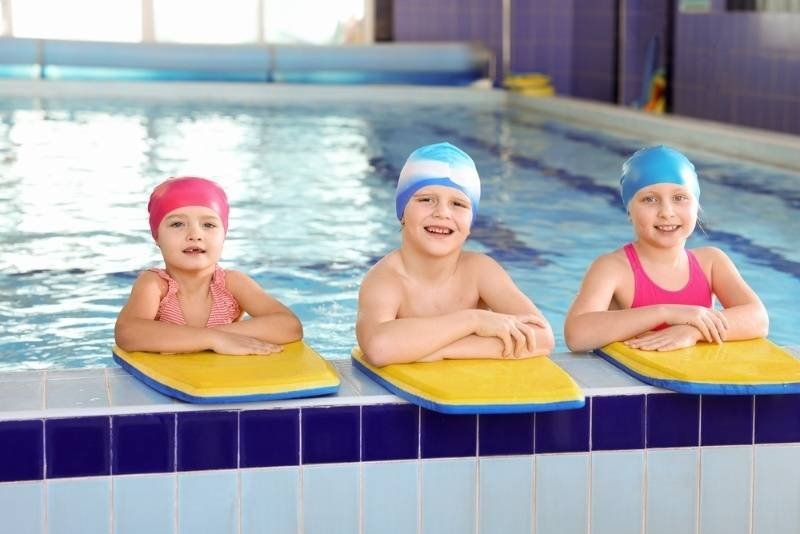
Swim lessons do way more than teach kids a few strokes or give them a good time at the pool. They’re handing kids a skill that could save their lives. The U.S. Centers for Disease Control and Prevention (CDC) still ranks drowning high up among causes of accidental deaths in children. The American Academy of Pediatrics (AAP) says kids can start lessons as young as one, and those lessons are a big part of water safety for kids.
As a parent, watching your kid get comfortable splashing around is a pretty special milestone. It’s a confidence boost, it sparks independence, and honestly, it jump-starts healthy habits that can last for decades. This guide runs through why early swim lessons matter, what benefits your child gets, how to figure out the right timing, indoor swimming lessons for kids, how to pick the best program, and a few tricks for helping your kid succeed in the water.
Young kids are like sponges—they pick up new skills fast. The earlier they start getting used to the water, the less likely they are to be afraid. Instead, they learn step by step through guided play and gradual immersion.
This does not mean your little one goes out and plops himself into the pool to fend for himself—you still have to keep him safe, at arm’s reach or so. Early lessons revolve around familiarizing children with water, including getting their faces wet, floating, kicking, breath-holding, and following directions.
According to numerous studies, proper swimming instruction—even in the form of classes—reduces a child’s risk of drowning when combined with parental supervision.
Giving your child an understanding and respect for water can save a life.
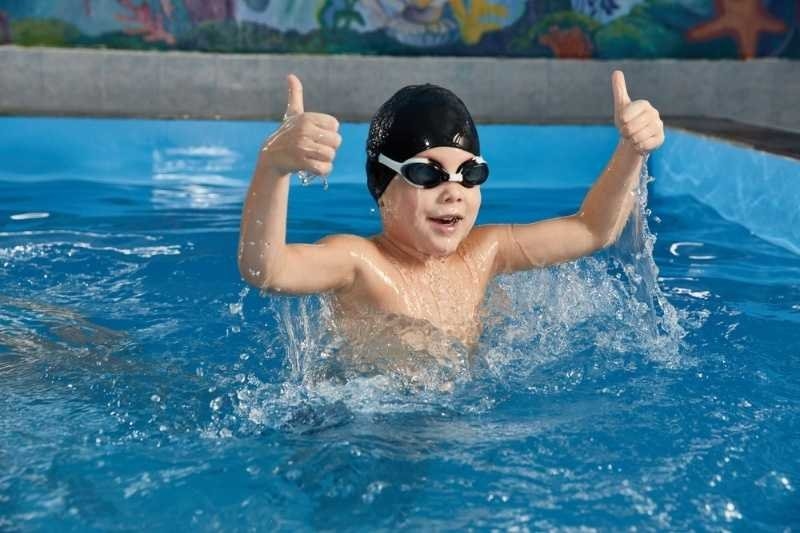
Swimming isn't just about safety. It makes a difference physically, mentally, and emotionally as your child grows.
Swimming works just about every muscle group without putting pressure on growing joints. Kids naturally build better balance, coordination, flexibility, strength, and overall fitness. Since water supports their weight, swimming is good for children, regardless of their athletic ability.
Most kids feel nervous when they first start lessons. Over time, every little win counts—floating alone, putting their face in the water, swimming to the edge. All of those achievements build a kid up and bring confidence that goes beyond the water and into school or practice.
Kids swimming in groups means there is a lot of learning about teamwork and collaboration. They get practice in waiting their turn, listening to directions, helping teammates, and respecting instructors. All that boosts emotional growth and makes lessons more fun, too.
Swimming is a skill you can keep for life. If kids learn to love the water young, they tend to stay more active as they get older.
Swim lessons cut down on risk, but they’re never a substitute for watching your child around water. Lessons are just one part of a full safety plan. Other good habits include never leaving kids unattended, making sure home pools are fenced, using life jackets while boating, knowing CPR, and teaching kids to ask before getting into any body of water. Good lessons also show kids that water is something to respect. Even strong swimmers have to know their limits and follow pool rules.
Try This: What are the Best Outdoor Activities for Kids to Build Strength?
Parents often wonder if toddler swim classes are even worth it. The answer depends on what you’re hoping for. You’re not getting advanced techniques at this age. Toddler classes just help children get comfortable, practice floating and kicking, learn a few safety basics, and build trust with the instructor.
Most programs have parents in the water with their kids, which makes it less scary and strengthens your bond. Keep the focus on fun—kids learn best through songs, toys, games, and gentle practice, not by being pushed too hard.
There’s no one answer, because every child grows at their own pace. Some signals your child is ready: they’re curious about water, they can follow simple directions, they’re okay with a little separation for independent classes, they like active movement, and they’re able to join in group activities (even if just for a few minutes at a time).
If your child gets anxious, no worries. Good instructors know how to ease kids in and help them gradually warm up to the water.
Swim programs aren’t all the same. A top swimming school is characterized by certified, knowledgeable instructors, small class sizes, and a safe, supportive learning environment. Look for these factors before you enroll:
Certifications in CPR and first aid should accompany your instructor’s ability to swim. Your instructor needs to be skilled at ensuring that lessons are both safe and fun.
When children are enrolled in small classes, instructors have more opportunity to attend to each child individually and offer encouragement that will not only help them to stay safe but also to become adept swimmers.
Programs should be built for your child’s age, so toddlers aren’t mixed in with school kids.
Check out the pool yourself—look for clean water, sturdy equipment, good security, and lifeguards on watch.
Many parents wonder whether indoor or outdoor lessons are best. It really depends on your family.
Indoor lessons run year-round, maintain a steady water temperature, have fewer weather delays, and are perfect for beginners. While kids do enjoy the sun and air from outdoor classes, these are mostly limited by season and subject to weather conditions.
Outdoor classes suit older, more confident swimmers. For little kids and new swimmers, indoor pools typically provide the most consistent routine.
Swim lessons shouldn’t end when you leave the pool. Parents play a big part in building water confidence.
Must Try: What are the Best Gymnastics Games for Kids That Promote Growth?
Signing your child up for swim lessons is one of the best things you can do for their safety and development. Beyond just learning to swim, they get stronger, fitter, and more independent and pick up skills they’ll use forever. Starting young gives them the best shot at building confidence and a healthy respect for the water. Whether you go for indoor classes or outdoor fun, what matters most is finding teachers who really care and keep things positive. Every lesson takes your child a step closer to being a safer, happier swimmer—and opens the door to years of active fun.
Help Your Child Build Confidence That Lasts a Lifetime. Each splash is a step toward confidence and safety. Start early, pick a solid program, and let your child enjoy their journey. The skills they build now can keep them safe and create plenty of joyful memories for years to come.
Most instructors say that going once or twice a week leads to steady progress. Regular attendance helps kids build muscle memory and get more comfortable in the water. Practicing with the family in a safe, supervised setting helps even more.
Bring a swimsuit that fits, a towel, goggles if they want or need them, a swim cap for longer hair, flip-flops, and a refillable water bottle. Some places also need waterproof swim diapers for younger kids. Check with the swim school before you go to make sure nothing’s missing.
Absolutely. Many families keep going year-round—especially if they use an indoor pool. It prevents kids from losing skills over time between swim seasons, but most importantly, it builds a lifetime of confidence and progress.
This content was created by AI