

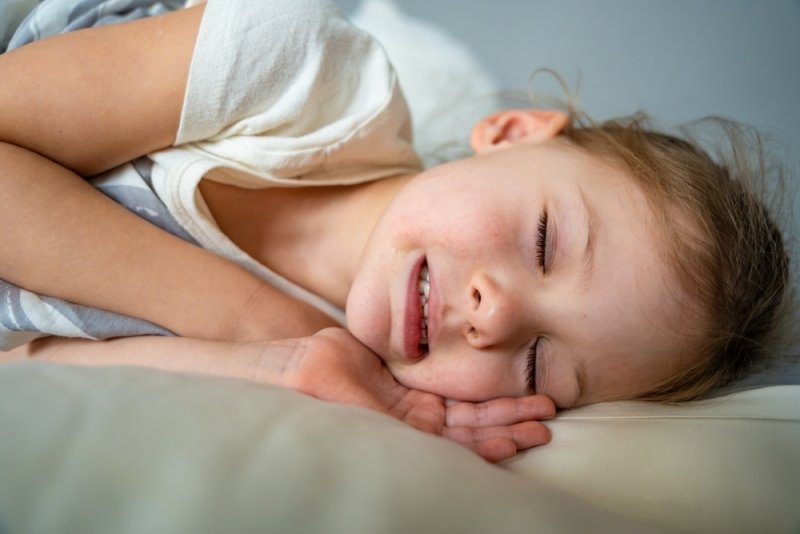
Sleep bruxism in Children is not as uncommon as you might think. Studies have found that between 15% and 30% of children experience some degree of nighttime tooth grinding or clenching at some point in their lives. Although isolated events may have no long-term effect on a child's teeth, frequent grinding can result in tooth wear, jaw pain, headaches, and poor sleep quality.
Hearing your child grind their teeth at night can be distressing, especially if it's loud and frequent. For many children, bruxism is something that they outgrow on their own, but identifying the cause and seeking professional help can be crucial for avoiding complications. In this article, we'll cover the causes, common symptoms, potential risks, and how to stop bruxism at night in children.
Sleep bruxism in Children is when your child involuntarily clenches or grinds their teeth in their sleep.
It differs from teeth clenching during the day, as children are unaware that they are doing it. In most cases, parents only discover that their child grinds their teeth in their sleep if they hear grinding sounds at night or if the dentist identifies tooth wear during an examination.
Although any age can be affected, Nighttime Teeth Grinding in Children is most prevalent during the preschool and primary school years.
There is not always one specific reason why children suffer from nighttime teeth grinding; it is often down to a combination of factors.
Just as adults do, children experience emotional stress. This could be related to a number of things: family issues, problems at school or with their social interactions, significant changes, or life events.
Some children cope with emotional tension during sleep and, as a result, grind their teeth.
Malocclusion, or poorly aligned teeth, is sometimes associated with sleep bruxism.
Children can't physically bring the top and bottom teeth together comfortably, so unconscious teeth grinding occurs during sleep.
Sleep bruxism has been identified in some sleep-related conditions, including snoring, sleep-disordered breathing, and obstructive sleep apnea.
Interrupted sleep patterns can cause children to clench their teeth during the night.
Some studies have found links between bruxism and behavioral problems like ADHD, although the exact reasons are unclear.
Some believe that children with high energy levels or difficulty relaxing are more likely to grind their teeth in their sleep.
Genetics could also play a role. Some children may be genetically predisposed to bruxism, having had one or both of their parents suffer from the condition at some stage in their childhood.
Many children themselves are not even aware that they grind their teeth; parents are normally the first to spot something.
The signs to look out for are:
It's also worth remembering that some children will not exhibit any overt symptoms, making regular dental check-ups essential.
In mild cases of teeth grinding, sleep bruxism may not cause long-term issues.
However, in more severe cases, grinding may gradually wear away tooth enamel. The long-term effects may include increased tooth sensitivity, cracks, and an increased risk of decay and other dental complications.
Children with a history of bruxism may also suffer from jaw aches and a strain of the muscles involved in mastication.
It is easier to address issues relating to excessive teeth grinding in children early on, thus minimizing the risk of permanent damage to the teeth and jaw.
"How to stop bruxism at night in children?" This is a common query among parents, and the answer lies in identifying and managing contributing factors.
Promote relaxed and stress-free pre-bedtime habits. Books, soft music, and a warm bath are great ways to get children wound down before they sleep. It's a good idea to remove stimulating activities and screens at least one hour before bed.
If anxiety and stress appear to be behind the condition, encourage conversations to help your child identify and voice their concerns. Relaxation exercises, age-appropriate mindfulness activities, and physical activity throughout the day can help reduce overall tension.
Your dentist will examine your teeth and bite, look for potential signs of tooth wear, and diagnose whether your child's misaligned teeth are the culprit. They will keep a watchful eye on any symptoms.
Some dentists have found that providing children with plenty of sleep helps alleviate bruxism. Stick to strict bedtimes, ban drinks with caffeine, and keep children's rooms dark and airy.
Isolated incidents of teeth grinding are perfectly normal for children and do not need to cause alarm.
You may need to seek professional advice if:
Either a pediatric dentist or a doctor should be consulted to determine the best course of action.
Treatment depends on the cause and severity of symptoms. It is not a matter of worry for parents, as today there are various treatments available, such as the following:
In some children, the habit is simply a childhood phase, and they naturally stop grinding as they grow up. In these cases, where no symptoms are present and no damage to the teeth occurs, no treatment is necessary, and the child's teeth can be simply monitored.
In severe cases of bruxism-related tooth wear, children's teeth can be protected. Treatments vary depending on your child's age and specific dental needs. It can help protect your children’s teeth and smile.
If you know or suspect your child is suffering from another condition, such as sleep apnea or a form of anxiety, then getting this diagnosed and treated will often resolve sleep bruxism.
It is not always possible to prevent children from grinding their teeth at night, but promoting good sleep hygiene and helping your child manage stress effectively will lower their risk of developing a severe case. It is also crucial to take them for regular dental checkups so you can address issues early, before significant wear occurs.
Sleep Bruxism in Children is a common and understandable worry for a lot of parents. Throughout this article, we have explored the causes of bruxism in children, common symptoms, potential risks, and practical answers to how to stop bruxism at night in children? While many children will naturally grow out of this habit, children who grind their teeth too frequently need careful attention and treatment to minimize the risk to their oral health and the impact on their sleep.
By recognizing early signs and seeking appropriate professional help, parents can protect their child's teeth and well-being. For parents seeking dependable medical advice and information on childhood ailments such as Sleep Bruxism, a resource like drgptmd.com can help you better understand the condition and prepare a comprehensive list of questions for a medical professional.
There is no specific food identified as being directly responsible for bruxism, but diet can influence sleep quality. Children who consume a lot of sugary foods or stimulants shortly before they go to sleep could have compromised sleep patterns and, in turn, be more likely to suffer from bruxism. Providing your child with a balanced diet and ensuring they do not consume rich foods too close to bedtime is important for their oral health and the quality of their sleep.
Yes. It's possible to damage a permanent tooth if you heavily grind it during its growth. Over time, this persistent pressure wears down enamel and makes teeth more sensitive. Although it is an occasional habit, excessive tooth grinding can chip or crack a tooth, leading to breakage or sensitivity.
Sleep bruxism is more prevalent in young children and children of elementary school age. Many children suffer through "growing pains" by having transient episodes of bruxism. Bruxism generally tends to subside as children get older. If there are underlying etiologies, some people may have Bruxism throughout their adolescent or adult lives.
This content was created by AI