Establishing predictable daily routines provides kids with a clear structure for managing personal items and completing homework independently.
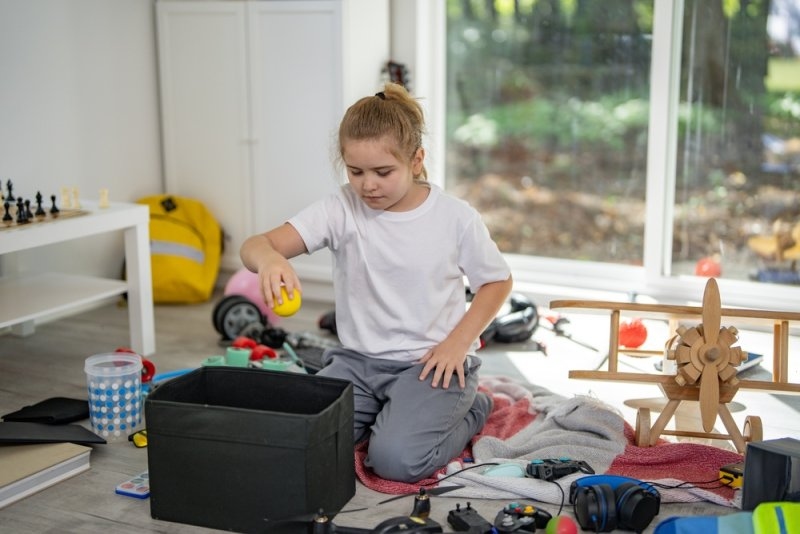
Breaking down large cleanup tasks into smaller visual steps prevents children from feeling overwhelmed by messy play areas.
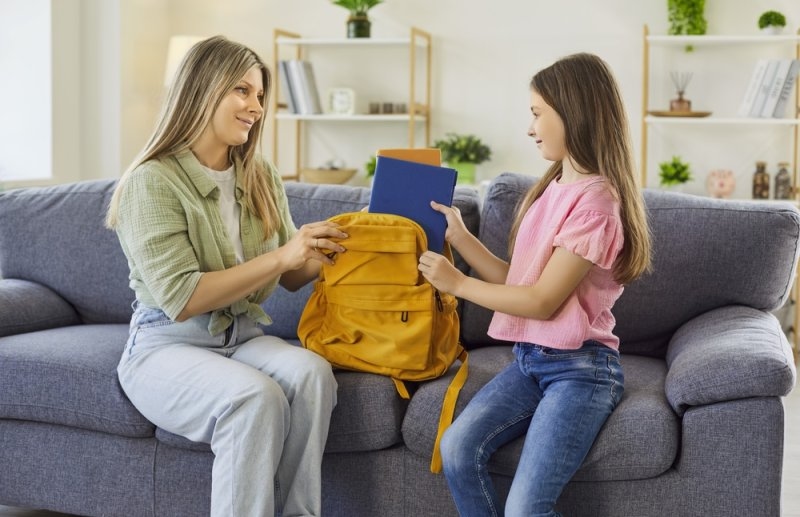
Designating specific home zones for backpacks and school supplies eliminates morning rush chaos and keeps track of essential items.
Encouraging children to use planners or visual family calendars builds early time management skills and a sense of schedule ownership.
Modeling consistent organizational habits demonstrates practical ways to keep personal living and working spaces tidy and functional.
Did you have to meticulously plan out your kid’s outfits and backpacks so they wouldn’t be late for school again?
Did you also draw up detailed charts, checklists, and schedules to ensure that their after-school activities were neatly organized?
If only we could just hand our kids a list of actions they need to take every day in order to stay organized. Well, the good news is, you can!
Educational psychology studies reveal that teaching children structured organizational habits improves academic performance and task-completion efficiency by over 40%, directly reducing daily stress for developing minds.
If you are drowning in clutter, losing track of homework assignments, or experiencing a “lost-and-found” routine with your belongings, then it’s time to start thinking about how you can raise an organized kid. Someone who has great habits for staying organized that you can implement in your home as soon as possible.
How to Teach Your Child About Habits?
When you’re raising an organized kid, the first step is helping them to make the connection between the things they do on a daily basis and the impact they have on their environment.
Your child needs to see the connection between their “workload” (homework, chores, etc.) and the organization of their space. There are many different habits you can teach your child to help them become more organized.
Here are ten habits that will help get your child on the right track:
1. Develop a Habit
A habit is “something you do regularly in a certain place or in a particular way. If your child has trouble remembering to do certain tasks, try to create a “habitual” routine that makes it easier to remember.
If you want to create a habit, you need to pick something you do regularly and turn it into a routine.
Then you need to find a place where you will most likely be able to do that routine, and you need to make sure that you have everything you need to do that routine at that place.
Schedule that routine into your day so that it has a set time and place each time you do it. For instance, you can tell your child to always wash their hands after eating or before bed. Or have them put their school/work bag in a certain place every day.
This will ensure that these tasks get done on a daily basis.
2. Weekly Planner, Outfit Plan, and Calendar
If your child is a younger student, a weekly planner will help them keep track of their homework schedule and exam dates.
If they’re in middle school or high school, they can use a calendar to track due dates and extracurricular activities.
When they’re done with a certain assignment or activity, they can cross it off the list. This will visually show them how much they’ve accomplished and help them stay on track.
Having a calendar will help your child stay organized with their hectic schedule if they are involved in extracurricular activities. You can also use a calendar to show them how their daily activities fit in with other family members’ schedules.
3. Keep Organized Items In The Same Spot
One easy way to keep track of your kid’s electronics, school supplies, and other items is to have them kept in the same spot each time.
Create a system in your home where all electronics go in one place, all school supplies go in another place, and so on. This will give your kid a visual cue as to where to find their items each time they need them.
They will be less likely to lose things, and you won’t have to deal with the frustration of having to hunt for their favorite toy every time they want to play with it.
What’s more, this will also help your child to improve their memory. It will also help you find items more easily when you need to put them away.
4. Develop A Routine For Back-To-School Time
If your child is going to a school that doesn’t have uniforms, the summer months can be a great time to “stockpile” clothing so your child can start the new school year with a clean and organized wardrobe.
Use this time to organize your kid’s desk and school supplies. This will help your child stay organized and prepared throughout the school year.
5. Establish A Place To Store School Supplies and Backpacks
If your child has a backpack and/or school supplies, they should keep them in one spot. This will help them stay organized and focused throughout their day, increasing the likelihood of them making progress towards their goals.
These types of activities feed into the idea that you must be intentional about everything you do, which will help you develop greater self-discipline.
Is self-discipline one of the key traits of successful people? You can also use desk organizers to store items like pens, pencils, notebooks, etc.
6. Make The Bedroom A No-Touch Sanctuary Until Morning
Many kids think nothing of pulling out their school supplies or even clothes from the night before and then leaving them lying around.
Before school starts, make a rule that the bedroom is a no-touch sanctuary until morning. This will help your child know that they need to put their school supplies away (or put them back in their backpack) when they come home from school.
Your child stays focused on their schoolwork since clutter can often lead to distractions.
7. Weekly Storage Ritual For Rooms With No Basement Or Storage Space
If you’re living in a home with no basement or storage space, you will want to create a “storage ritual” for your child.
You’ll want to designate a certain day of the week for your child to put away their belongings.
You may want to use a chore chart so that your child can easily see when their next “storage ritual” is due.
You can also designate a certain drawer or shelf in their room where they can store their “out-of-season” items.
8. Plan When Going Out or Travelling Together
If your child is going on a trip or going out with friends, have them prepare something visual that shows them what they need to bring with them.
Start with a simple “to-do list” they can check off as they pack their belongings.
You can also use this opportunity to talk to your child about how they can stay organized while they’re away from home.
They might have a few assignments due while they’re away, and it’s a good idea to talk about how they can stay on top of their work while they’re visiting their grandparents’ house.
Ask them to come up with a system that works for them, and offer to help them come up with the best system if they’re struggling.
You can also talk to your child about the importance of keeping in touch while they’re away.
You might be worried about them feeling lonely, and it’s important to let them know that you’re there if they need anything.
Bottom line
When you’re raising an organized kid, it’s important to understand that you can’t force them to become that way. It’s a skill that must be learned through trial and error, guided by the right habits. You can provide them with the tools they need to succeed and also be a good role model, but they must be willing to put in the effort to master these skills.
If you have a child who is struggling with clutter and disorganization, don’t beat yourself up about it. Instead, think about the habits you’re currently modeling and the ones you can “rewrite” for your child. Visit kidsactivitypage.com for more information, tips, and advice related to child development.
FAQs
What Role Does Decluttering Play In Helping Children Focus On Daily Habits?
Removing unused toys and excess study supplies reduces visual distraction, allowing children to maintain attention longer and navigate their personal spaces with ease.
How Can Visual Schedules Benefit Neurodivergent Children In Building Organizational Routines?
Visual schedules replace abstract time concepts with clear image-based steps, enabling neurodivergent kids to independently track transitions and daily responsibilities without relying on verbal prompts.
At What Age Should Children Begin Using a Digital or Paper Planner Independently?
Children generally transition well to managing paper planners around age eight or nine, moving toward digital calendar tools in early adolescence as school assignments increase in complexity.
How Can Parents Teach Organizational Habits Without Micro-Managing Their Child's Space?
Parents can co-create intuitive storage systems using labeled bins and lowered hooks, allowing children the autonomy to maintain order while focusing on effort rather than perfection.
What Are The Best Strategies For Helping Kids Keep Digital School Files Organized?
Guide kids to create clearly named desktop folders by school subject or semester and establish a weekly routine for deleting downloads and archiving completed projects.