Healthy Activities


What are the Top 8 Habits That Help Raise an Organized Kid?

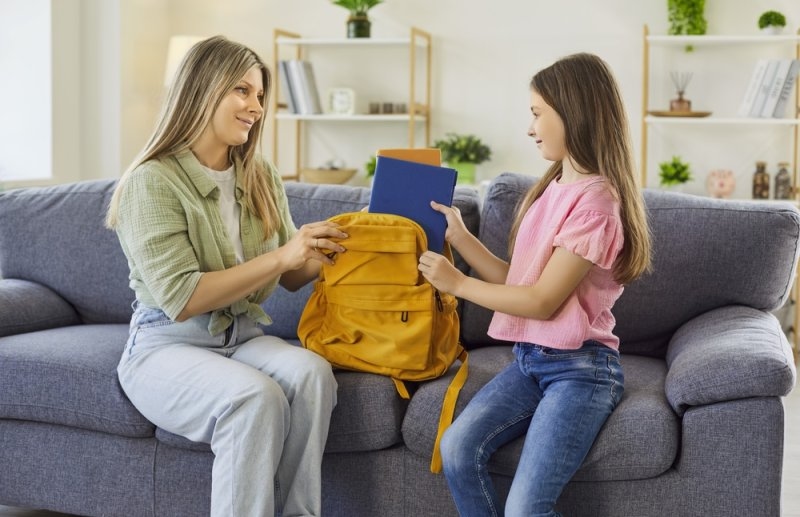
Key TakeawaysEstablishing predictable daily routines provides kids with a clear structure for managing personal items and completing homework independently.Breaking down large cleanup tasks into smaller visual steps prevents children from feeling overwhelmed by messy play areas.Designating specific home zones for backpacks and school supplies eliminates morning rush chaos and keeps track of essential items.Encouraging children to use planners or visual family calendars builds early time management skills and a sense of schedule ownership.Modeling consistent organizational habits demonstrates practical ways to keep personal living and working spaces tidy and functional.Did you have to meticulously plan out your kid's outfits and backpacks so they wouldn't be late for school again? Did you also draw up detailed charts, checklists, and schedules to ensure that their after-school activities were neatly organized? If only we could just hand our kids a list of actions they need to take every day in order to stay organized. Well, the good news is, you can! Educational psychology studies reveal that teaching children structured organizational habits improves academic performance and task-completion efficiency by over 40%, directly reducing daily stress for developing minds. If you are drowning in clutter, losing track of homework assignments, or experiencing a "lost-and-found" routine with your belongings, then it's time to start thinking about how you can raise an organized kid. Someone who has great habits for staying organized that you can implement in your home as soon as possible.How to Teach Your Child About Habits?When you're raising an organized kid, the first step is helping them to make the connection between the things they do on a daily basis and the impact they have on their environment. Your child needs to see the connection between their "workload" (homework, chores, etc.) and the organization of their space. There are many different habits you can teach your child to help them become more organized. Here are ten habits that will help get your child on the right track:1. Develop a HabitA habit is "something you do regularly in a certain place or in a particular way. If your child has trouble remembering to do certain tasks, try to create a "habitual" routine that makes it easier to remember. If you want to create a habit, you need to pick something you do regularly and turn it into a routine. Then you need to find a place where you will most likely be able to do that routine, and you need to make sure that you have everything you need to do that routine at that place. Schedule that routine into your day so that it has a set time and place each time you do it. For instance, you can tell your child to always wash their hands after eating or before bed. Or have them put their school/work bag in a certain place every day. This will ensure that these tasks get done on a daily basis.2. Weekly Planner, Outfit Plan, and CalendarIf your child is a younger student, a weekly planner will help them keep track of their homework schedule and exam dates. If they're in middle school or high school, they can use a calendar to track due dates and extracurricular activities. When they're done with a certain assignment or activity, they can cross it off the list. This will visually show them how much they've accomplished and help them stay on track.Having a calendar will help your child stay organized with their hectic schedule if they are involved in extracurricular activities. You can also use a calendar to show them how their daily activities fit in with other family members' schedules.3. Keep Organized Items In The Same SpotOne easy way to keep track of your kid's electronics, school supplies, and other items is to have them kept in the same spot each time. Create a system in your home where all electronics go in one place, all school supplies go in another place, and so on. This will give your kid a visual cue as to where to find their items each time they need them. They will be less likely to lose things, and you won't have to deal with the frustration of having to hunt for their favorite toy every time they want to play with it. What's more, this will also help your child to improve their memory. It will also help you find items more easily when you need to put them away.4. Develop A Routine For Back-To-School TimeIf your child is going to a school that doesn't have uniforms, the summer months can be a great time to "stockpile" clothing so your child can start the new school year with a clean and organized wardrobe. Use this time to organize your kid's desk and school supplies. This will help your child stay organized and prepared throughout the school year.5. Establish A Place To Store School Supplies and BackpacksIf your child has a backpack and/or school supplies, they should keep them in one spot. This will help them stay organized and focused throughout their day, increasing the likelihood of them making progress towards their goals. These types of activities feed into the idea that you must be intentional about everything you do, which will help you develop greater self-discipline. Is self-discipline one of the key traits of successful people? You can also use desk organizers to store items like pens, pencils, notebooks, etc.6. Make The Bedroom A No-Touch Sanctuary Until MorningMany kids think nothing of pulling out their school supplies or even clothes from the night before and then leaving them lying around.Before school starts, make a rule that the bedroom is a no-touch sanctuary until morning. This will help your child know that they need to put their school supplies away (or put them back in their backpack) when they come home from school. Your child stays focused on their schoolwork since clutter can often lead to distractions.7. Weekly Storage Ritual For Rooms With No Basement Or Storage SpaceIf you're living in a home with no basement or storage space, you will want to create a "storage ritual" for your child. You'll want to designate a certain day of the week for your child to put away their belongings. You may want to use a chore chart so that your child can easily see when their next "storage ritual" is due. You can also designate a certain drawer or shelf in their room where they can store their "out-of-season" items.8. Plan When Going Out or Travelling TogetherIf your child is going on a trip or going out with friends, have them prepare something visual that shows them what they need to bring with them. Start with a simple "to-do list" they can check off as they pack their belongings. You can also use this opportunity to talk to your child about how they can stay organized while they're away from home. They might have a few assignments due while they're away, and it's a good idea to talk about how they can stay on top of their work while they're visiting their grandparents' house. Ask them to come up with a system that works for them, and offer to help them come up with the best system if they're struggling. You can also talk to your child about the importance of keeping in touch while they're away. You might be worried about them feeling lonely, and it's important to let them know that you're there if they need anything.Bottom lineWhen you're raising an organized kid, it's important to understand that you can't force them to become that way. It's a skill that must be learned through trial and error, guided by the right habits. You can provide them with the tools they need to succeed and also be a good role model, but they must be willing to put in the effort to master these skills.If you have a child who is struggling with clutter and disorganization, don't beat yourself up about it. Instead, think about the habits you're currently modeling and the ones you can "rewrite" for your child. Visit kidsactivitypage.com for more information, tips, and advice related to child development.FAQsWhat Role Does Decluttering Play In Helping Children Focus On Daily Habits?Removing unused toys and excess study supplies reduces visual distraction, allowing children to maintain attention longer and navigate their personal spaces with ease.How Can Visual Schedules Benefit Neurodivergent Children In Building Organizational Routines?Visual schedules replace abstract time concepts with clear image-based steps, enabling neurodivergent kids to independently track transitions and daily responsibilities without relying on verbal prompts.At What Age Should Children Begin Using a Digital or Paper Planner Independently?Children generally transition well to managing paper planners around age eight or nine, moving toward digital calendar tools in early adolescence as school assignments increase in complexity.How Can Parents Teach Organizational Habits Without Micro-Managing Their Child's Space?Parents can co-create intuitive storage systems using labeled bins and lowered hooks, allowing children the autonomy to maintain order while focusing on effort rather than perfection.What Are The Best Strategies For Helping Kids Keep Digital School Files Organized?Guide kids to create clearly named desktop folders by school subject or semester and establish a weekly routine for deleting downloads and archiving completed projects. 

How to Train Your Child with Age-Appropriate Responsibilities?

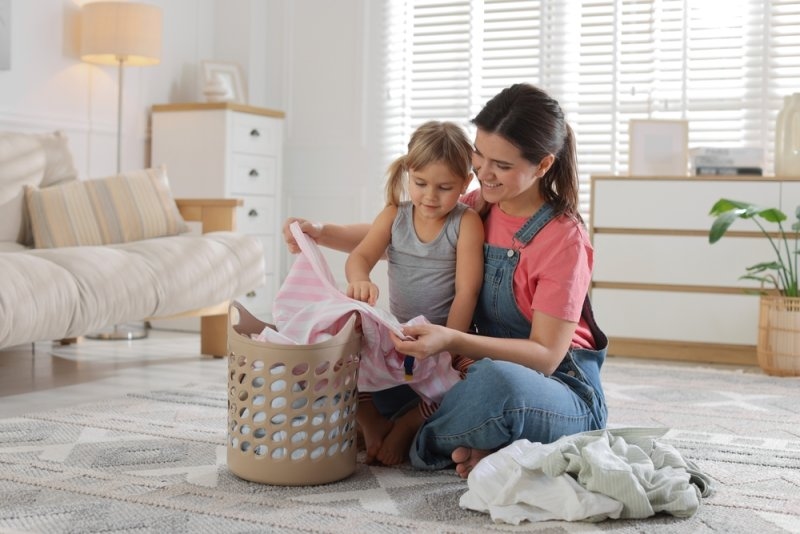
Key TakeawaysAssigning clear daily chores builds long-term self-esteem, personal accountability, and essential life skills in developing children.Tailoring domestic tasks to a child's specific motor and cognitive capabilities prevents frustration while encouraging steady skill progression.Breaking larger chores into simple step-by-step instructions helps younger kids complete responsibilities without feeling overwhelmed.Providing positive reinforcement and consistent encouragement motivates children to take ownership of their personal space.Establishing routine household tasks teaches children the value of teamwork and shared contribution within the family unit.As your child grows older, you will find that they are ready to take on more responsibilities. Not every kid wants to be a teenager and get their driver's license, but some kids have the maturity to handle this new set of tasks. Child development research shows that assigning age-appropriate household responsibilities increases self-reliance, executive functioning, and prosocial behavior in children by up to 35% compared to peers without regular chores. It is important that parents are able to recognize when their child is ready to take on new challenges. The earlier you introduce these responsibilities, the better prepared they will be for adulthood later in life. There are a variety of ways to test your child's readiness for more adult responsibilities. Understanding what type of activities they enjoy, what kind of hobbies appeal to them, and what chores or projects they might want to tackle can help you determine if now is the right time for them to take on more grown-up tasks. Whether your child is as young as five or as old as fifteen, there are plenty of ways you can help them develop into a more mature individual while also keeping them happy. Suggest Top 8 Ways to Make Your Kid ResponsibleEvery parent wants to make their kid the best version, and that includes taking charge. Here is the list: Establish a Morning Routine for Your ChildAs kids get older, it becomes increasingly important to have a morning routine. Kids need structure and guidance in their lives, and a morning routine can provide both. By establishing a regular morning routine for your child, you can help them feel more in control and more prepared for the day ahead. Morning routines help to reduce the likelihood of them missing school. When kids are more prepared and have a sense of what comes next, they are less likely to miss school due to oversleeping or forgetting something they needed to bring with them. A morning routine should include time for exercise and eating healthy food, time for studying, time for cleaning up around the house, time for making their own breakfast or packing a lunch, time for doing a few chores around the house, and time for spending time with the family before leaving for school or daycare. Doing these things will help your kids feel more prepared and less stressed throughout the day, which in turn will make them less likely to misbehave or act out.Encourage Them to Develop Their Skills Through Hobbies or GamesOne way you can help your child develop more maturity is to encourage them to pursue a hobby or game that they enjoy. Hobbies can help kids to grow their skills and prepare them for future careers or hobbies that they might want to pursue later in life. Discussing hobbies with your child can also help you to better understand what they are interested in so that you can help them prepare for future interests. Depending on your child's interests, you can help them to develop skills and become more mature by encouraging them to pursue a hobby or game. Let them decorate their own room and have some say in what goes where.Kids who are old enough to start cleaning their own rooms should also have the opportunity to have some say in how their rooms are decorated. Doing so will help your child to get more involved in their own lives and feel more responsible for their space. Help them to learn how to utilize organizational skills by suggesting ways to better store their belongings. This can help them to feel more in control of their space and prevent them from becoming overwhelmed. If your child is interested in design and decorating, you can let them have more say in what goes in their room and how it is decorated. It will help them to feel more prepared for their own future homes and less likely to want to redecorate as soon as they move out.Help Your Child Learn How to Care for Animals by Taking Care of Your Pets TogetherAnother way to help your child develop more maturity is to help them to learn how to take care of animals. Allow them to take care of your pets together and help them learn to feed, walk, and groom your pets. It will help your child to better understand how to care for animals and give them skills and experience that will come in handy when they have their own pets in the future. Taking care of your pets with your child will help them to feel more prepared for owning their own pets. It will also help to develop their organizational skills and enhance their problem-solving skills by figuring out how best to feed, walk, and groom your pets.Introduce Weekly Chores that Help the Family FunctionIt is important to do chores as a family. It is also important that your child learns to do them as well. It helps to help your child gain more maturity and feel more responsible for their actions; you can assign them weekly chores that help to keep the house clean and functional. It establishes a sense of responsibility in your child, which will be helpful as they get older. When assigning weekly chores to your child, you should make sure that they are within their ability to do them. If they are too difficult, they will not be helpful, and they will become frustrating chores that they struggle to complete. Introduce Environmental Awareness Through Weekly Tasks That Focus on the EnvironmentAnother way to help your child develop more maturity is to assign tasks and duties that focus on being environmentally conscious. Introducing the environment helps prepare your child for future jobs and careers that may involve protecting the environment. It will also help to develop your child's organizational skills and give them a sense of responsibility from a young age. Some ideas for environmentally focused tasks and duties include cleaning up litter in your neighborhood, recycling, planting a garden, or taking care of an indoor plant. You can also use this opportunity to help your child learn about different types of plants and how they grow.Help Them Earn Their Own Allowance and Build a Financial VocabularyOne way to help your child develop more maturity is by helping them to earn their own allowance. You can do this by helping them to get a job and then giving them a portion of their pay to put into a savings account. Doing so will help your child to better understand the value of money, feel rewarded for their efforts, and get used to having to budget their earnings.When you help your child to earn their allowance, you can also help them to learn a financial vocabulary. You can discuss things like budgeting, interest rates, and compound interest so that they are better prepared to manage their earnings and savings when they are older.Make them put some of their earned money into a savings account. Another way to help your child develop more maturity is to help them to put money into a savings account. You can do this by having them put a portion of their earnings into a savings account each time they get paid. Doing so will help them to better understand the value of saving money now before it is too late for them to do so. Kids who learn how to save money early in life are more likely to have a better financial future.Must Try: How to Spend Quality Time with Your Kids While Working Conclusion These days, being a child is difficult. Kids nowadays are more connected than ever because of the digital era, which gives them access to a never-ending supply of knowledge and experiences. They can instantly learn everything they want to know and engage in real-time communication with anyone anywhere in the world.But all of these positive developments come with a downside, too. Kids are exposed to adult content and concepts much sooner than previous generations ever could have imagined. And while this exposure is beneficial in some contexts, it can also be detrimental if kids aren't equipped with the right tools to handle it responsibly. Visit kidsactivitypage.com for more information, tips, and advice to help your children develop essential skills and habits to become more mature. FAQsWhat Is The Ideal Age To Introduce Basic Household Chores To Children?Toddlers as young as two years old can begin taking on basic tasks like putting away toys, throwing trash in the bin, or wiping up small spills with supervision.Should Parents Tie Allowance Payments Directly To Completed Daily Chores?Many child development experts recommend keeping basic family contribution chores separate from allowance to teach intrinsic responsibility, offering money instead for voluntary extra tasks.How Can Parents Manage Resistance When Children Refuse To Complete Assigned Tasks?Parents can implement predictable daily routines, offer choices between two acceptable tasks, and use visual chore charts rather than engaging in power struggles.What Are The Best Strategies For Teaching Children Self-Care Responsibilities Like Independent Hygiene?Using visual step-by-step checklists, setting timers for toothbrushing, and practicing routines together helps kids transition toward taking full charge of their daily hygiene needs.How Do Household Responsibilities Promote Executive Functioning Skills in School-Aged Kids?Managing multi-step chores requires children to practice working memory, time management, prioritization, and goal-directed persistence, all of which form core executive functioning abilities. 

Things to Do to Engage Your Kids Outside of School

If you want your children to do well in school, then they’ll need to be stimulated outside the classroom as well. Most parents, of course, are already busy enough with work and simply raising their kids, but there are some simple activities that they can get involved in to help their children stay focused and persistent in school.   Here are some of the ways you can contribute to your child’s performance by thinking outside the classroom.   Exercise and Sports The more you can get your kids to keep moving, the better shape their minds and bodies will be in. Regular exercise can reduce their depression and sharpen their focus in school. In addition, playing a sport gives them more confidence and helps them socialize with other kids their age. This will make a difference when they’re working on in-class assignments and school projects.   School and Homework Discussions A parent doesn’t need to hover over their child’s shoulder, but they should stay informed about what their child is doing. Take some time every day to talk to your child about what they’re learning in class and any troubles they might be having. Something as simple as helping them on their homework can be a great way to motivate them in school, as well as a good time to bond with your child emotionally. If they see you’re interested in their education, they’ll become more interested, too.   Art and Imagination While a lot of schoolwork is about reasoning and memorization, there’s also a creative side that needs to be explored, like when your child needs to come up with an idea for a report or a project. If your child has a creative talent, find a way to explore that. Consider regular weekly activities like painting classes or piano lessons. Even writing down their thoughts in a journal can be a useful exercise for their imagination.   Film, TV, and Video Games What your kids watch and do in their time after school can have an impact on how well they do in class. The occasional odd or violent cartoon or movie might be fine, but if your child cares more about what they see on TV instead of what they’re learning in school, then it’s time to adjust priorities. Find programs that would interest your child while still linking into what they’re learning at school. Maybe download a few shows or video games with educational content online.   Image:  Nicola since 1972 on Flickr

How to Stimulate Your Child's Mind

A good parent isn’t just concerned about their kids’ health and safety, but about their minds, too. They want to know that their children are good learners and are open to all that the world has to offer. For that, kids need stimulation to develop their brains as they grow.   Here are 5 ways for you to give your kids the stimulation they need.   Books: Reading is a good habit for kids to develop, especially when it makes a huge difference in how well they’ll perform in class and later on in life. The hard part, of couse, is getting them to start reading. As a parent, you can encourage them by reading to them at an early age. Find books on subjects that interest your child and encourage them to read whenever they need something quiet to do.   Games: Playing games helps your child develop a number of useful skills. Word problems and crossword puzzles are good for stimulating their memory and spatial reasoning skills. Video games can be educational, too, giving kids the chance to explore new subjects in an interactive environment and hone their hand-eye coordination.   Trips: Some parents already think that a trip to the museum will be just what their kids need to make them better learners. A museum isn’t a bad place to take your child, but the point is to think about what they can get out of it. Is there an exhibit or a show on something that they like? For example, if your child is more interested in learning about polar bears, then a trip to the zoo might be in order. Use those interests to form the basis for your trips and family outings.   Questions: All children have an instinct to turn to their parents whenever they don’t understand something. While parents should be able to field most questions, they can do their kids a service by asking them questions in turn. Asking questions like “What do you think would happen if…?” helps them work problems out on their own, as well as encourages them to think critically about the world.   Humor: We don’t always think about it, but laughter is a great tool for helping us learn. After all, don’t we always remember the funniest jokes? Most kids naturally gravitate toward TV shows and movies that make them laugh. Encourage their habit by suggesting shows and movies you think they’d like. Maybe sit down and watch with them. If you’re able to laugh with your child, you’ll form a stronger bond with them and they’ll have a stronger foundation for thinking about and exploring the world.   Image credit:  Colin_K on Flickr

Sample Workout Routine for Kids

It’s important to get kids moving and keep them active, but how do you make them exercise without it feeling like a workout? Keep the activities fun and imaginative. Try this simple routine to get your kids moving.   First things first: To keep the workout fun, make it seem like a game. Try playing jump or dive. When doing an exercise, anyone can call out either jump or dive at any point during the activity. If someone says jump, then everyone must stop what they’re doing and leap off the ground as high and as hard as they can. If someone says dive, everyone has to dive down into a plank, which is when you get in a push up position but with elbows bent so that your forearms are flat against the floor and straighten out your back, held for 20 seconds. Afterwards, you get right back into the exercise.   Now that we know the rules, we can get started. The first exercise is to set up an obstacle course in your backyard. Use, cones, ropes, balls, hula hoops; anything and everything you can find in your garage to create a fun adventure. Make it challenging but not too tough. Each station presents a new task and should work a different part of the body. Kids should run through the obstacle course as fast as they can. You can time it if you want, but don’t put any weight on the scores. It should be fun, not a competition.   Next, it’s time for yoga poses. One that you can try is to have the kids sit on their heels with their hands on their thighs and straighten their bodies as tall as possible. Another is to have the kids lie on their stomachs, then simultaneously, they should lift their upper bodies so their resting on the palms of their hands by the sides of their waists and bending their knees so that their knees touch the backs of their heads. Yoga is great because it will also stretch out those muscles the kids are working during their other exercises.   It’s time for a dance party. Turn on some music. Get up and get moving. This part of the routine should be very freestyle. It doesn’t have to be perfect form, your kids just need to move.   Finish it off with a game of hopscotch.   This routine will keep your kids active, and it will also get them outdoors. Image by MiraVena Yoga on Flickr Creative Commons.

Tips for Getting Your Kids to be Active

The importance of physical activity Active kids will see benefits in both physical and mental health. Physical activity helps kids to develop fine motor skills, coordination, and strong bones and muscles. Other positive physical effects of activity include weight control, better sleep, and decreased risk of health problems. Mentally, the endorphins gained from exercise will keep your kids feeling good. They will often be more alert and attentive in school. Exercise can also help with a child’s self-esteem.   So, there are many reasons why kids should exercise, but some kids just aren’t athletes. That’s okay. As a parent, it is your job to help your kids find alternative ways of staying active. You can lead an active, healthy lifestyle without being the star of the football team. Here’s how:   Provide options and opportunities Kids need to have plenty of different options for physical activity. If your kid is not an athlete, don’t make him or her try out for the soccer team. Try swimming or martial arts, some other activity that will get your kids moving. They don’t have to be a part of a team or league; they just need to stay active. It can come in any shape or form, so get creative.   Make sure your kids have plenty of opportunities to be active by providing them with the equipment they will need and taking the time to get them to the park or the local rec center. MAke sure they are spending time in places where they can be active.   Focus on fun Kids shouldn’t feel pressured when taking part in physical activity. It’s not about who wins the game. This is about your child’s health. Activities and games should be engaging and fun. The focus should be on enjoying the activity. Praise your child for doing something successfully. Encourage kids to keep trying. A positive experience with physical activity will make your kids want to keep doing it.   Be a good role model You can’t expect your kids to lead an active and healthy lifestyle if you don’t do the same. Engage in regular physical activity. Make sure your kids can see you being active instead of vegging out on the couch. Play with your kids. Have a family activity night where you go for a walk or shoot hoops in the backyard. Be active with your kids, and they will want to be active with you.   Starting kids on an active lifestyle at a young age will help promote lifelong healthy habits. Image by Sofie Jensen on Flickr Creative Commons.

Stay in the Loop