

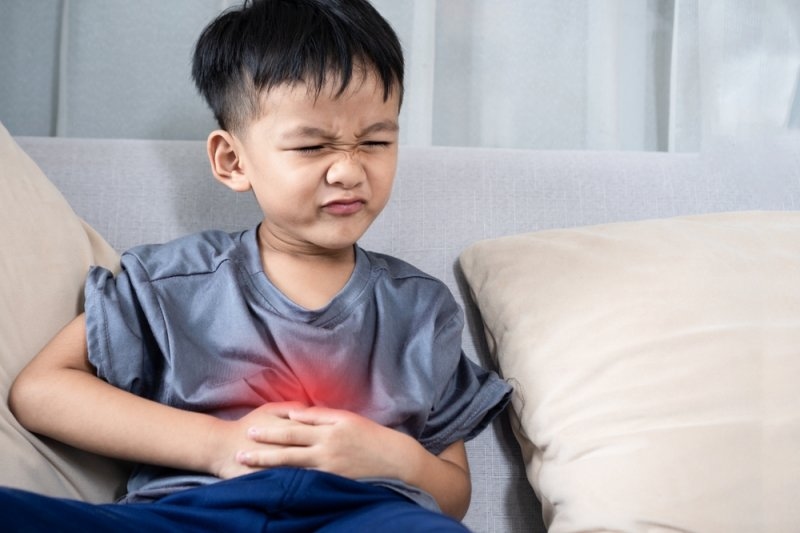
If a child is struck by sudden vomiting, diarrhea, abdominal pain, or a fever, then the term that parents often use for such a condition is stomach flu. But stomach flu is not really a case of the flu but just a colloquial term used to describe gastroenteritis, which basically involves any infection or inflammation in the gastrointestinal tract. There may be various causes of gastroenteritis, including viruses, bacteria, parasites, or even consumption of toxic food or water.
When dealing with a case of gastroenteritis in a child, the primary issue would be dehydration since vomiting and diarrhea would cause loss of fluids from the child's body.
Stomach flu refers to viral gastroenteritis. Influenza viruses are not responsible for causing this condition. Viral gastroenteritis infects the intestines and results in symptoms such as diarrhea, abdominal pain, vomiting, nausea, and even fever. Norovirus is the most common agent that causes viral gastroenteritis, whereas rotavirus is an agent responsible for infecting infants. It is possible to avoid rotavirus infection by vaccination.
Most cases of viral gastroenteritis get better without any particular treatment. However, dehydration develops more quickly in children.
Stomach flu symptoms in children usually come on very quickly and may be characterized by:
The number and intensity of symptoms will vary, depending on what type of infection is causing the problem. Symptoms caused by noroviruses start developing 12 to 48 hours after exposure to the virus and usually last from one to three days. Rotaviruses and adenoviruses are known to take longer to show their effects.
It is especially important to keep in mind the issues of hydration. The warning signs include the following symptoms: dry mouth, lack of wet diapers or less urination, absence of tears while crying, excessive sleepiness, fatigue, sinking in of the eyes and cheeks, and increased thirst.
Also check: What is the Best ADHD Diet for Kids Who Are Suffering?
Although viruses are the major causes of viral gastroenteritis, there are other potential causes. Norovirus infections may occur through contact with infected stool or vomit, through surfaces, foods, or even contaminated water. Rotavirus infection can cause severe diarrhea and vomiting, particularly in children, and can be prevented through vaccination.
There are several bacteria, including Salmonella, Campylobacter, and Shigella, which can also cause gastroenteritis. Some parasites, contaminated water, certain toxins, and other irritants are rare causes.
The child may get infected by touching a contaminated surface and then putting their hands in their mouth, sharing food and cutlery, or consuming contaminated food.
There is no exact medication to cure viral gastroenteritis, but the primary objective is to replenish fluid and electrolyte loss due to the illness.
In the case of children, an oral rehydration solution is advised since it has a well-balanced mixture of water and electrolytes. In case of vomiting, one needs to drink small quantities of fluid several times instead of taking a large quantity at once. Breastfeeding and formula should continue in infants unless otherwise advised by their physician.
As soon as your child can tolerate fluids, he/she can resume food intake as well. Prolonged fasting or restricted diets are generally unnecessary. He/she may start with small amounts of food and then resume his/her usual diet with improvement in appetite.
Parents should avoid giving anti-diarrheal or anti-vomiting medication to their kids unless their physicians advise them to do so. Certain over-the-counter medications are not meant for children, and they can have adverse effects on them. Antibacterial drugs are also not required to treat viral gastroenteritis unless their doctor decides on the need to take antibiotics.
The importance of fluids outweighs that of forcing food in the early phases of the disease. Age-appropriate ORS will be helpful in replacing water and electrolytes. In case a child is vomiting, provide small and frequent sips of water, not letting her drink much at one time.
As for babies, they should receive breast milk or formula in most cases. Children capable of eating should take small servings of easily tolerable food. Rice, toast, crackers, bananas, potatoes, soup, etc. are among easily tolerated foods in the temporary period.
Parents shouldn't use sugar solutions, caffeine-containing drinks, and too much juice as the means of hydration; these might not contain proper electrolyte composition and may provoke diarrhea in some cases.
Distinguishing between stomach flu and food poisoning is not always easy since the two conditions have very similar symptoms such as vomiting, diarrhea, stomach cramps, and fever. The key issue is the cause of the condition.
Stomach flu normally affects people through person-to-person contact or contaminated surfaces, food, and water. Food poisoning involves any illness resulting from ingestion of contaminated foods and beverages. Since some foodborne illnesses can be due to viruses, it makes distinguishing them from each other a hard task.
Time could help one identify the type of illness. If several members of a family are ill at the same time, a contagious illness is likely. However, if symptoms begin shortly after a certain meal, then foodborne illness may be suspected.
The duration of the period of recovery depends on the cause of the disease. Most of the diseases caused by viruses resolve quickly; however, some can cause diarrhea or other symptoms lasting up to one or more weeks. Norovirus tends to improve within 1 to 3 days; rotavirus, for several days.
Even after the symptoms of vomiting go away, diarrhea can persist for several days. Appetite might also come back, but not immediately. More important than that is whether the child drinks enough and urinates normally.
It is necessary to turn to a health care provider immediately if a child does not manage to retain enough fluid or starts urinating much less or shows other signs of dehydration.

Parents should consult a health care provider immediately if a child displays signs of dehydration, vomits often, has severe abdominal or rectal pain, has bloody or black stools, or is unable to consume enough water to maintain hydration.
A health care provider should definitely be consulted if the child is an infant or a premature baby or has any illnesses; if a child suffers from diarrhea that persists for more than a day, vomits, or develops a high fever.
Emergency medical care may be necessary for severe dehydration or other serious symptoms. Parents should not wait for symptoms to become severe if a young child is unable to maintain adequate fluid intake.
You may also like: Gentle Parenting vs Authoritative Parenting: How Do They Differ?
Since there are many causes of gastroenteritis that are contagious, it is crucial to prevent them. One should wash his/her hands properly using soap and water after going to the toilet, changing diapers, and taking care of a sick child, as well as before eating or cooking food.
It is necessary to clean all surfaces that were potentially contaminated by vomiting or feces, as well as to wash dirty clothes and bedding. It is not recommended to prepare meals for other people while sick. Childhood vaccinations could be another method of preventing infection.
In most cases, viral conditions resolve within several days, although there are cases when viral infection can make your kid sick for a week or more. The duration of norovirus is one to three days, whereas rotavirus and some other viruses may require more time. It will depend on the virus type, the age of your kid, his hydration state, and his general condition.
Allow your child to rest for a while and give him small sips of rehydration fluids frequently. Too much liquid can make your kid vomit again. In case of persistent inability to drink liquids and possible dehydration symptoms, you should consult your doctor.
Yes. Gastroenteritis can be accompanied by various combinations of symptoms. Your child might suffer from diarrhea, stomach ache, fever, loss of appetite, or any other symptoms without experiencing vomiting.
The child must stay home when he is still throwing up and/or has diarrhea and, when he feels better, join his usual activities. Parents must also adhere to the policy on illness of their respective schools and childcare centers. Washing hands is still very important once the child comes back because there are some infections that still spread.
It cannot always be prevented, but it can be minimized by washing hands properly, surface cleaning, food safety practices, and vaccines. The rotavirus vaccine prevents rotavirus in young children, while hygiene minimizes other causes of gastroenteritis.
This content was created by AI