

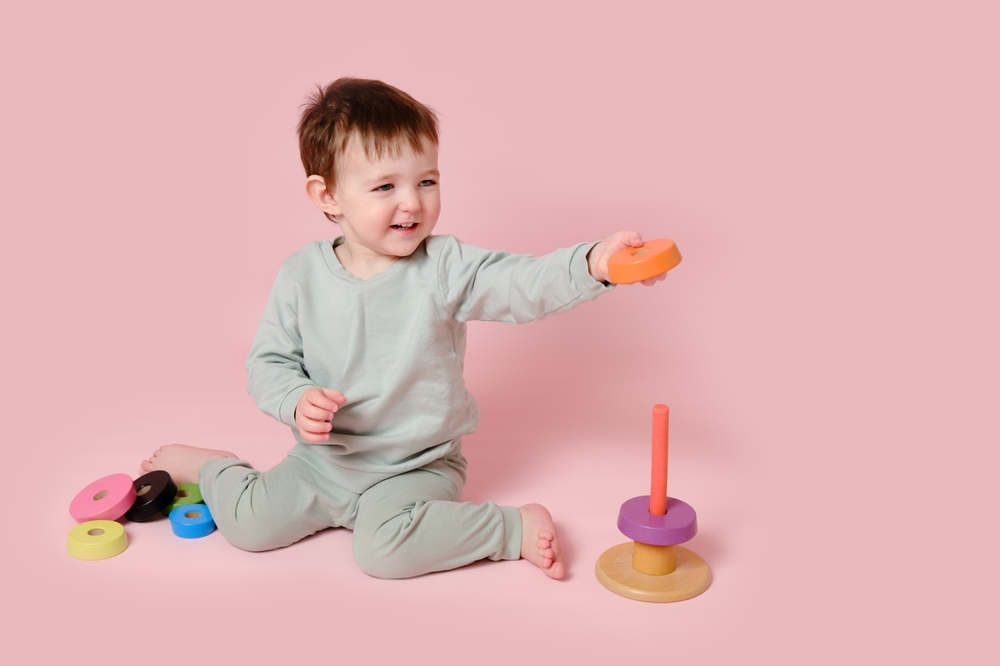
Children do not grow in a perfectly neat line. One week a toddler may say only a few words, then suddenly repeat everything said in the kitchen. A preschooler may seem brave at the park, then cry because a sock feels “wrong.” Growth is like that. Fast in one area, slow in another, full of tiny surprises.
That is why understanding child development stages helps parents stay calmer. It gives them a loose map, not a strict race. A child’s development includes movement, speech, thinking, play, behavior, and emotions. The CDC explains that milestones are skills most children can do by a certain age, including how they play, learn, speak, act, and move.
These stages are useful because they help parents notice progress and ask better questions. They should not become a reason to panic every time a child does something a month later than a cousin or neighbor.
The toddler stage is busy, loud, wobbly, funny, and sometimes exhausting. A child is learning independence before they have enough words to explain what they want. That is why this age can bring both sweet moments and floor-level meltdowns in the cereal aisle.
During this period, many children start walking more confidently, pointing, using simple words, copying adults, and showing more curiosity. They may bring toys to show a parent, follow very simple directions, or start pretending in small ways.
These early childhood development milestones are not only about walking and talking. A toddler is also learning that people respond to them. They test limits, seek comfort, copy facial expressions, and slowly build trust in routines.
Between 2 and 3, children often become more expressive. They may use short phrases, name familiar objects, run, climb, kick a ball, and want to do things without help. This is also when “mine” becomes a very serious word.
The CDC notes that developmental milestones include how children play, learn, speak, act, and move, and its updated milestone checklists are meant to help families track development and act early if there is a concern.
This age is important for social-emotional development toddlers because children begin learning how to handle frustration, separation, sharing, and simple choices. They may play near other children more than with them. That is normal. Full cooperation takes time.
At this age, a child may:
That last one can be confusing, but it is very toddler.
At 3 and 4, children often become more talkative and imaginative. A cardboard box may become a boat. A blanket may become a cave. A spoon may become a microphone. Parents may hear long stories that begin nowhere and somehow include a dragon, school, and a missing cracker.
This is a big period for cognitive development in children. They start asking more “why” questions, sorting objects, remembering simple routines, and solving small problems. They may understand taking turns better, though not perfectly.
The American Academy of Pediatrics notes that early childhood is a period of rapid brain and body development, and early experiences help shape how children grow, learn, build relationships, and prepare for school.
By 4 or 5, many children can speak in longer sentences, tell simple stories, play more cooperatively, dress with less help, hop, climb, draw simple shapes, and understand basic rules. They may still get upset over small things, but they usually recover a little faster than they did as toddlers.
This stage often makes parents notice child growth milestones by age more clearly because school readiness starts coming up. Can the child listen to a story? Hold a crayon? Follow two-step directions? Play with others? Sit for a short activity?
Knowing letters is helpful, but early childhood growth is wider than that. A child also needs emotional readiness, bathroom independence, fine motor skills, attention, and the ability to ask for help. A child who cannot write perfectly yet may still be developing beautifully in other ways.
On a Similar Note: Baby Nap Schedule By Age For Easier Daytime Sleep
Speech development can look very different from child to child. Some toddlers talk early and often. Others say less but understand a lot. Still, steady progress matters.
Parents may notice:
If a child stops using words they once had, rarely responds to name, does not point or gesture, or seems unusually hard to understand for their age, parents should speak with a pediatrician.
Children are not born knowing how to share, wait, calm down, or explain feelings. They learn it slowly, usually through adults who repeat themselves more times than they expected.
Healthy social-emotional development toddlers may include seeking comfort, showing affection, copying adults, playing near other children, protesting separation, and slowly learning simple limits. Preschoolers may begin naming feelings, taking turns, showing empathy, and enjoying pretend play with others.
This growth can be messy. A child may comfort a crying friend in the morning and scream over a blue cup at lunch. Both can happen in the same child on the same day.
Parents should not panic over every late skill, but they also should not ignore concerns. The AAP says developmental surveillance should happen at every health supervision visit, and formal screening should be done when a parent or pediatrician has concerns. It also recommends autism screening for all children at 18 and 24 months.
Possible signs of developmental delays in children may include:
Early support can help. Asking for an evaluation is not labeling a child. It is getting more information.
Parents do not need expensive toys to support development. Simple daily moments count. Talking during meals, reading short books, singing, stacking blocks, naming feelings, playing pretend, going outside, and giving small choices all support growth.
Helpful habits include:
The best support usually looks ordinary.
Read More: How to Discipline a Child Effectively Without Yelling or Punishing?
The child development stages from toddlerhood through early childhood are full of change. Children learn to move, speak, think, play, connect, and handle emotions in their own uneven way.
Parents can use child growth milestones by age as helpful guideposts, not pressure points. If something feels off, asking early is wise. If a child is simply taking a little longer in one area while growing well in others, patience may be part of the story too.
Understanding cognitive development in children, emotional growth, movement, and communication helps parents see the whole child, not just one skill on one checklist.
A little comparison happens naturally, especially at parks, birthday parties, and preschool pickup. Still, it can make parents worry over things that may be normal. Kids grow at different speeds. One child speaks early, but has difficulty sharing. Another climbs, and speaks all but later. A single difference matters less than a pattern and any concerns are best discussed with a pediatrician.
That happens a lot more than most people realize. A child can have strong vocabulary but weaker motor skills, or great puzzle skills but struggles with transitions. Growth is not even. Parents can support the weaker area without making it stressful. If the gap feels big, lasts a long time or interferes with daily life, an evaluation can give clearer direction.
Parents can help by integrating practice into normal life. Have the child pour water, carry small objects, label feelings, pick out clothes, clean up toys or tell what happened at the park. These little chances build skills without feeling like lessons. If a child resists, a parent can take a break and try again later. Pressure is rarely as effective as gentle repetition.
This content was created by AI