

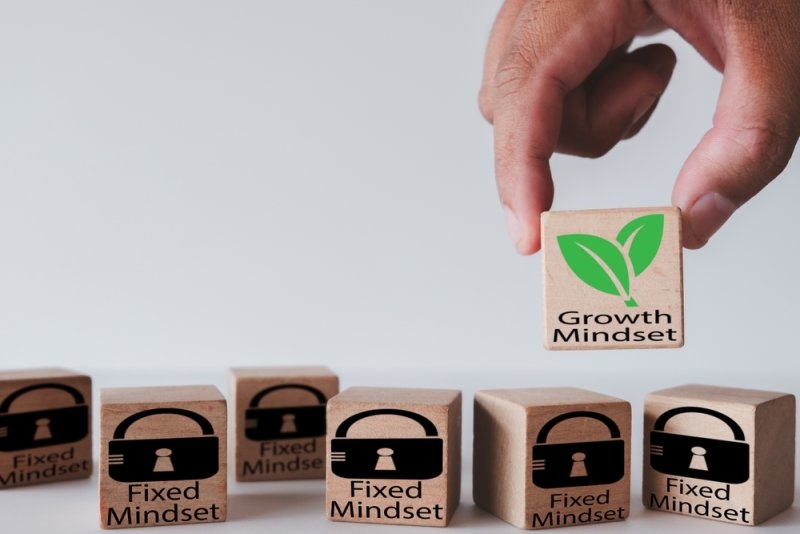
Teaching kids a growth mindset is honestly one of the most valuable gifts parents and teachers can give. Every child hits obstacles, whether it’s learning to read, figuring out math, or picking up a new sport. The real key to success isn’t natural smarts; it’s keeping at it, even when things get tough.
Dr. Carol Dweck, who’s spent years researching growth mindset, says kids who believe they can improve through effort are more likely to dive into challenges, learn from mistakes, and do better over time. They don’t see failure as the end. Instead, it’s part of the process.
The good news?
A growth mindset for Kids isn’t something you either have or don’t have from birth. It’s built over time, through everyday moments, honest talks, and steady encouragement. In this article, you’ll learn what a growth mindset really means, why it matters, how to guide kids toward it, and small activities that make learning feel fun while building true confidence.
Dr. Carol Dweck’s research shows kids become much more resilient and willing to tackle tough stuff when you praise the way they try, not just how smart they are.
A growth mindset for kids is the belief that you can become more intelligent, powerful, or competent at anything with practice, by making mistakes, and learning from them. Children with a growth mindset are not born experts in everything; rather, they see struggles as opportunities to become great.
Kids stuck in a fixed mindset, on the other hand, think they’re either naturally good or bad at something. If they believe mistakes mean they “just can’t,” they stop trying new things. Helping a child move from “I can’t do this” to “I can’t do this yet” is a huge step, and it’s where everything starts to shift.
Growth Mindset vs. Fixed Mindset
Each type has distinct features and patterns. Here is a clear difference between the two:
| Growth Mindset | Fixed Mindset |
| Believes in improving through effort | Thinks ability is set in stone |
| Learns from mistakes | Avoids mistakes |
| Welcomes challenges | Shies away from challenges |
| Keeps going, even when things are tough | Gives up quickly |
| Looks for feedback | Fears criticism |
| Focuses on progress | Cares only about results |
Teaching kids the difference helps them see it’s about effort, not perfection.

A growth mindset for kids goes way beyond grades. It shapes how kids handle life, every single day.
When kids realize they’re getting better because they practice, their confidence grows. They start focusing on their own improvement rather than comparing themselves to others. Takes risks, not because they know they’ll succeed, but because they have faith that they’ll learn.
Those kids who feel that they can always learn to get better keep working on answers when the task at hand gets frustrating, and they’re able to avoid the default of giving up because they don’t feel as if they are able to change their performance. They’re not afraid to experiment.
Failure hurts. There’s no way around that. But a growth mindset teaches them that setbacks don’t last forever. They find ways to bounce back and pick up valuable coping skills that stick with them as they get older.
Kids who like to learn keep exploring, far beyond the classroom. They’re curious, adaptable, and eager to take on the next challenge.
Must Try: Origami Craft to Boost Kids’ Brain Power & Mental Health
You don’t need fancy lessons or special skills. Small, regular actions make a real difference.
Swap out “You’re so smart” for “I love how hard you worked.” That little switch tells kids progress comes from trying, not just from being “naturally good.”
Messing up is part of the journey. Share stories where you struggled, and explain what you learned. When kids see adults owning their mistakes, they’re less afraid to take chances.
Negative thoughts creep in fast. Teach kids to swap “I can’t do this” for “I can’t do this yet.” Just adding “yet” can make a world of difference.
Don’t always wait for the big finish. Point out the small victories along the way. Seeing growth motivates kids and reminds them that their efforts add up to big change.
Kids learn through their eyes.
If you keep trying, stay curious, and learn from your own mistakes, they’ll pick up those habits too.
Here is a list of Hands-on activities that let growth mindset activities for kids practice these ideas in a fun way.
Whenever you hear “I can’t do it,” ask your child to tack on “yet.” Write these “yet” moments on scraps of colorful paper and keep them in a jar. Check back in a few weeks to see how far they've come.
Each evening, try these three questions:
Set aside a day for everyone to share one mistake and one lesson from it. This makes failure less scary and turns your home or classroom into a safe spot for learning.
Even when we mean well, a few patterns get in the way:
Focus on curiosity, grit, and steady progress. That’s how you build real confidence.
Try This: Learning How Imaginative Play Shapes a Child's Growth
Building a growth mindset doesn’t mean protecting kids from failure. It’s about teaching them that failure is just part of the process, a chance to learn and try again. When kids see that hard work pays off, they get bolder and more open to new things.
You’ve read what a growth mindset is, why it matters, how to teach growth mindset to kids, and which activities make it stick. Every little thing you say or praise really shapes how a child thinks about themselves.
Every chat, every moment? It’s an opportunity to help kids grow tougher and bounce back stronger.
Every challenge is a fresh chance to grow. If you want more creative ideas, printables, and resources that make learning fun, check out KidsActivityPage.com.
A growth mindset isn’t a replacement for real mental health care, but it does help kids handle stress better. When they start viewing setbacks as chances to learn—not proof they’ve failed—they feel less pressure. The more you approach it that way, the more confident and resilient you will become.
You can start these ideas as early as preschool. Simple phrases like “Let’s keep practicing” or “You’re figuring this out” work right from the beginning. The older kids get, the more these lessons matter—helping them bounce back, stay confident, and face learning with a positive attitude.
Absolutely. These activities work best when all the adults in a child’s life are on board. Parents, teachers, and caregivers can support one another, sending the same message: effort and perseverance matter most. When kids hear that everywhere, it sticks—and sets them up for success in school and life.
This content was created by AI