

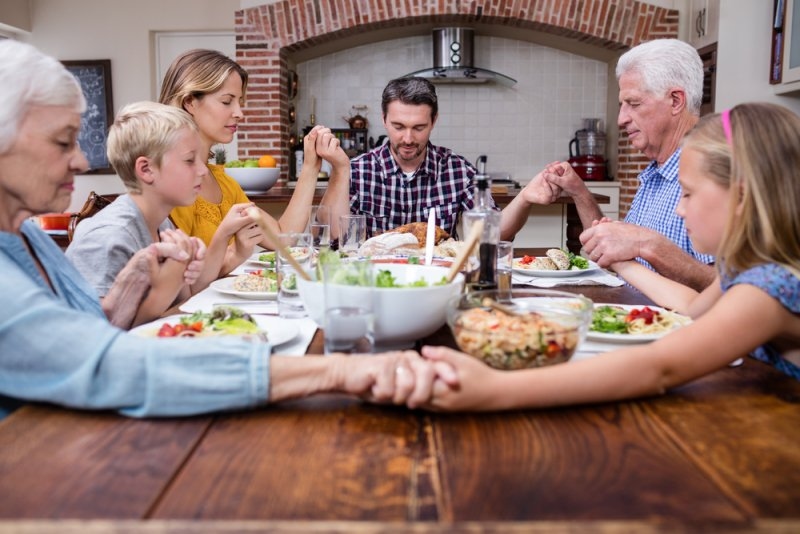
Every family has that one thing. Maybe it's pancakes on Saturday morning, a bedtime story that never changes even though your kid could probably recite it word for word, or a silly handshake at the front door before school. These little repeated moments are family traditions, and they matter more than most parents realize. They're not just nice memories in the making. They teach kids, in a quiet and steady way, that home is a safe place to come back to, no matter what kind of day they've had.
This article looks at why family traditions matter, what a genuinely healthy parent-child relationship looks like on an ordinary day, and a few simple family bonding activities you can try starting tonight, not someday, tonight.
Kids like knowing what's coming next. The same Friday movie night or birthday breakfast tells them what to expect. That predictability lowers anxiety, even if they can't put it into words. The message underneath it all: you're part of this family, and that doesn't change.
Must Try: Child Development Stages From Toddler To Childhoo
Traditions work best when there's already some trust underneath them. So what does that trust actually look like on a regular Tuesday, not a holiday, just a normal Tuesday after school? Here are some real signs of a healthy parent-child relationship:
If discipline in your house has started to feel like a daily battle of wills, it might be worth stepping back and rethinking your approach. Calmer, more consistent strategies tend to build far more trust over time than yelling ever does, even when they take longer to show results.

You don't need a free weekend or a big budget for any of this. Small, regular family bonding activities usually beat the occasional big outing, mostly because they happen often enough to actually become part of your family's routine instead of a once-a-year event everyone half remembers.
| Activity | Time Needed | Why It Works |
| Family dinner, phones away | 20-30 min/day | Builds daily connection and real conversation |
| Weekend pancake breakfast | 30 min/week | A cozy, predictable ritual kids look forward to |
| "Best part, worst part" bedtime chat | 5-10 min/day | Opens the door to honest conversation |
| Game or movie night | 1 hour/week | Fun time with no screens pulling attention away |
| Monthly outdoor outing | Half a day/month | Creates shared memories and teamwork |
Pick just one of these to start, not all five at once. Once it feels normal, add another. The point isn't to fill up the calendar with obligations, it's to give your kid a few things they can genuinely count on, week after week.
Not every tradition survives past the first try, and honestly, that's fine. Some things just don't stick, and forcing them rarely helps. A few things tend to make the difference between a tradition that lasts years and one that quietly disappears after a month.
Good traditions for kids don't need to revolve around holidays at all. Everyday rituals, a made-up handshake, a weekly walk with no real destination, a notebook you pass back and forth with silly notes inside, often end up being the memories kids hold onto the longest, long after the bigger, more expensive moments have faded.
Family traditions were never really about perfectly staged moments or Pinterest-worthy setups. They're about showing up, over and over, in small ordinary ways that tell your kid something simple: you matter, and this house is safe. Whether that's a Saturday breakfast, a five-minute chat before lights out, or a silly handshake nobody outside your family would understand, the traditions you build now are probably the ones your child will hand down to their own kids one day, long after they've forgotten most of the toys and screens from this same year.
Also Read: How Can You Build a Growth Mindset for Kids in 2026
Maybe try weekly game nights, a Sunday breakfast, a bedtime story routine, a birthday ritual, or even a phrase you always say before school, all of it kinda counts as meaningful family traditions. And honestly, none of them need a lot of planning; you can keep it pretty light and normal.
They create predictable, positive time with you again and again, so over time, kids start feeling safer and more connected. This builds trust and a strong sense of belonging, which one-off, huge gestures usually cannot match.
Not exactly. Even babies can benefit from consistent routines, like a bedtime ritual, and traditions can naturally bend and change shape as your child grows. So it’s more about rhythm than age.
That's completely normal and not a failure on your part. Let it evolve, or simply ask them what they'd like to change instead. A little flexibility keeps it feeling real rather than forced.
Often, yes. Predictable routines and steady connections tend to lower anxiety-driven behavior, which in turn makes calm, consistent discipline work noticeably better overall.
This content was created by AI