
-1717753922-r.jpg)
Key Takeaways
Ensuring your child gets enough fibre is critical to their overall health and development. High-fibre foods are pivotal in maintaining a healthy digestive system, preventing constipation, and even lowering the risk of chronic diseases as they grow.
School nutrition research demonstrates that multi-compartment bento lunches increase a child's overall meal consumption by up to 25% compared to traditional single-bagged meals, primarily due to enhanced food separation and visual appeal. Yet, many parents struggle to incorporate enough fibre into their children's diets.
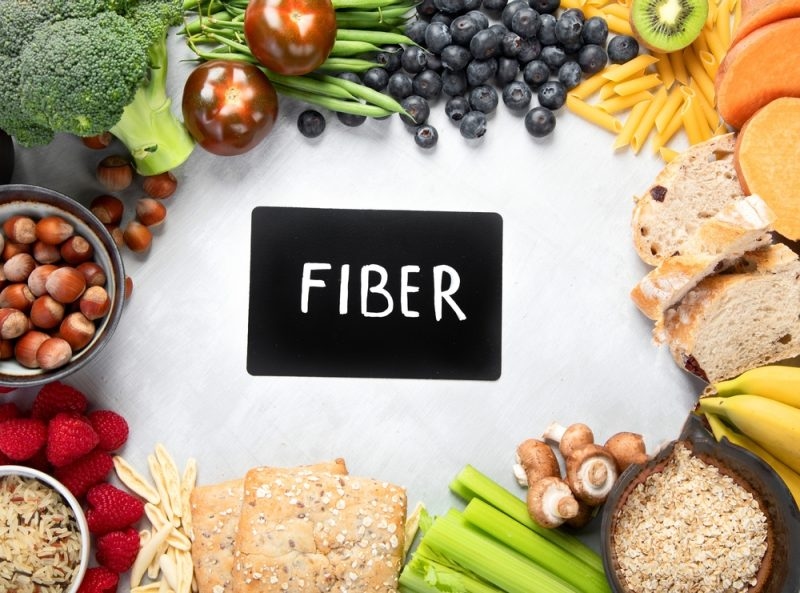
High-fibre foods, predominantly found in plant-based sources like fruits, vegetables, whole grains, and legumes, are essential for children’s diets. Dietary fibre is a type of carbohydrate that the body can't digest.
While other carbohydrates break down into sugar molecules, fibre passes through the body undigested. It helps regulate the body's use of sugars, helping to keep hunger and blood sugar in check.
This type dissolves in water to form a gel-like material. It can help lower blood cholesterol and glucose levels. Foods high in soluble fibre include oats, peas, beans, apples, citrus fruits, carrots, barley, and psyllium.
This fibre promotes movement through the digestive system and increases stool bulk, benefiting those struggling with constipation or irregular stools. Whole-wheat flour, wheat bran, nuts, beans, and vegetables like cauliflower, green beans, and potatoes are good sources of insoluble fibre.
Must Try: The Picky Eater's Playbook: How to Get Kids to Try New Foods
Here is the list of benefits of high-fibre foods:
One of the most immediate benefits of a high-fibre diet is improved digestion.
High-fibre foods are generally more filling than low-fibre foods, which can help children feel full longer after meals.
This is particularly important in preventing childhood obesity, a growing concern worldwide.
Soluble fibre, found in foods like oats and fruits, slows down the absorption of sugar into the bloodstream.
Even at a young age, it’s crucial to consider heart health.
A fibre-rich diet can help reduce the risk of several chronic diseases, including heart disease, diabetes, and some cancers.
Try This: Tips for Implementing a Low-Carb Diet Safely for Kids
Here are top lists of high-fibre foods:
Oats are a fantastic source of soluble fibre, which helps reduce cholesterol levels and stabilise blood sugar. A warm bowl of oatmeal can be made even more fibre-rich by adding fruits like berries or a sliced banana. For a fun twist, try overnight oats, which can be prepared the night before and customised with your child’s favourite toppings.
Apples are an easy and convenient snack that most kids love. The skin contains much of the fibre, so be sure to serve them with the skin on. Pair apple slices with peanut butter for a tasty, fibre-packed snack that provides protein.
Raw carrots are a crunchy, sweet snack rich in fibre. They can be eaten independently, dipped in hummus, or added to salads and other dishes. Carrots also contain beta-carotene, which is converted to vitamin A in the body and supports healthy vision.
When air-popped and lightly seasoned, popcorn is a whole grain that offers a decent amount of fibre. It’s a fun snack for kids during movie night or as a treat in their lunchboxes. Just be mindful of portion sizes and avoid excessive butter or salt.
Whole grain or whole wheat bread is a simple swap that can significantly boost your child’s fibre intake. Use it for sandwiches, toast, or as a base for avocado or nut butter toppings. Always check the labels to ensure the bread is made from 100% whole grains.
Beans are one of the best sources of both fibre and protein. They’re versatile and can be added to soups, salads, tacos, or even mashed into dips like hummus. Beans also offer good iron, which is essential for growing children.
Berries like raspberries, blackberries, and strawberries are high in fibre and rich in antioxidants. They can be eaten fresh, blended into smoothies, or used as toppings for yoghurt or cereal. Berries are a naturally sweet treat that most kids find irresistible.
Broccoli is a powerhouse vegetable that’s packed with fibre, vitamins, and minerals. Serve it steamed, roasted, or raw with a healthy dip like ranch or hummus. To increase their fibre content, broccoli can also be added to pasta dishes, casseroles, or stir-fries.
Like apples, pears with the skin on are a great source of fibre. They can be eaten as a snack, added to salads, or cooked into desserts. Pears are lovely and juicy, making them a hit with kids.
Sweet potatoes are rich in fibre, vitamins, and antioxidants. They can be baked, mashed, or turned into fries as a healthy side dish. For a fun and fibre-rich meal, try making baked sweet potato fries with a sprinkle of cinnamon or paprika.
Here are things you can try:
Turn mealtime into a fun experience by getting creative with presenting high-fibre foods. Use cookie cutters to create fun shapes out of fruits and vegetables, or arrange them into colourful patterns on the plate. Allow your child to build their own snack or meal using various fibre-rich ingredients, giving them a sense of control and encouraging them to try new foods.
If your child hesitates to try new foods, add fibre to dishes they love. Mix shredded carrots or zucchini into pasta sauce, add beans to tacos, or use whole-grain bread for sandwiches. Gradually increasing the fibre content in familiar foods can help your child get used to the taste and texture without feeling overwhelmed.
Children are likelier to try new foods if their parents eat and enjoy them. Make a point to eat high-fibre foods in front of your child and talk about how delicious and healthy they are. Positive reinforcement from family members can significantly impact a child’s willingness to try new foods.
Involving your child in meal preparation can make them more interested in what they’re eating. Let them help wash fruits and vegetables, stir ingredients, or assemble salads or sandwiches. When children participate in cooking, they’re more likely to eat the foods they’ve helped prepare.
If your child is reluctant to eat high-fibre foods, start with small portions and gradually increase the amount over time. This approach helps prevent them from overwhelming themselves with too much fibre at once, which can be hard on their digestive system and might lead to resistance. Praise them for trying new foods, even if they only take a small bite.
Here are the best recipes for kids to try:
These wraps are colourful, crunchy, and full of fibre.
This parfait is a delicious way to start the day with plenty of fibre and protein.
These chips are a healthier alternative to regular potato chips.
Also Read: Parental Tips for Turning Veggie Haters into Veggie Lovers
Incorporating high-fibre foods into your child’s diet is essential for their health and well-being. From improving digestion to reducing the risk of chronic diseases, fibre plays a critical role in their growth and development. By understanding the importance of fibre, knowing the recommended daily intake, and using creative strategies and recipes, you can ensure your child gets the fibre they need to thrive. Starting these habits early will set the foundation for a lifetime of healthy eating.
Look for bento containers made from durable stainless steel or food-grade BPA-free plastic that feature individually sealed silicone lid compartments to prevent dips and yoghurts from leaking into adjacent sections.
Preheat an insulated thermal container with boiling water for five minutes, empty it, and pack hot items like pasta or nuggets tightly inside before sealing it alongside the cold bento sections.
Soak fresh apple, pear, or banana slices in a quick bath of diluted lemon juice, salted water, or honey water for five minutes before drying and packing them into compartments.
Place dry items like crackers or pretzels in separate silicone liners or seal them in small inner containers away from high-moisture foods like sliced berries, dips, or cucumbers.
Lightweight plastic boxes with single, large front latches are generally easier for small toddler hands to manoeuvre independently during cafeteria lunchtime than stiff, multi-latch stainless steel designs.
This content was created by AI