

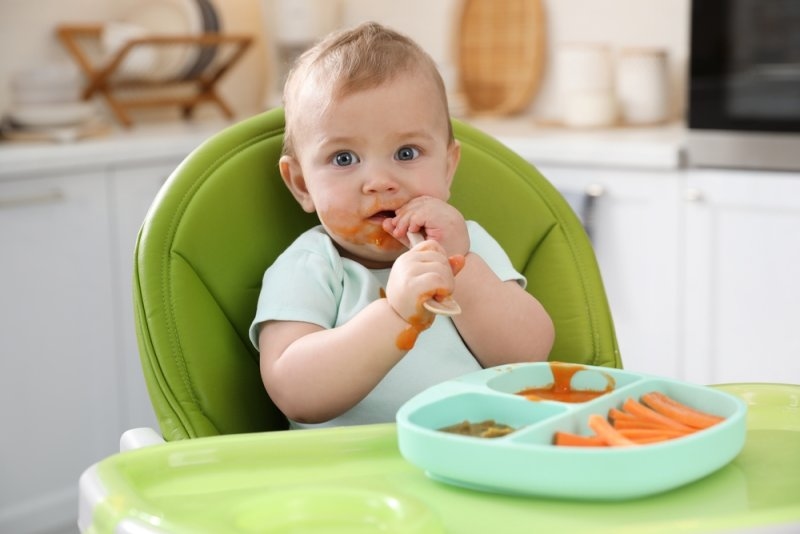
With a baby who is failing to gain adequate weight, parents try to identify foods that can give more energy without increasing the portion size. When the baby reaches a point where he or she is developmentally capable of consuming solid foods, nutrient-dense foods can be incorporated into the baby's meals.
Good nutrition in infants requires more than just sufficient calories. The infant requires protein, fat, carbohydrates, iron, and minerals. Breast milk or infant formula continues to form an essential part of nutrition until the first year of life, with complementary foods being introduced gradually as the baby develops.
The best high-calorie foods for infants are those that have a lot of nutritional value in a small quantity of food. It would not be wise to choose any food just because it has high calories. Instead, find foods that contain energy as well as nutrients. For babies who need complementary foods, foods like avocados, plain yogurt, eggs, nut butters, oatmeal, beans, meat, fish, sweet potatoes, and cheese can be included.
Some of the safest ways to serve these high-calorie baby foods are:
| Food | Easy serving tips |
| Avocado | Blend with breast milk, formula, or mashed banana. |
| Full-fat yogurt | Serve plain or with a blended fruit puree after your baby has started on solid food. |
| Egg | Scramble thoroughly and blend well or serve mashed according to the baby’s age. |
| Peanut butter | Blended or thinned peanut butter mixed with yogurt, water, or puree; no spoonfuls. |
| Almond or cashew butter | A little bit of almond or cashew butter stirred into the mashed oatmeal or fruit puree; no spoonfuls. |
| Olive oil | A little amount mixed into mashed vegetables, lentils, pasta, or any other soft food. |
| Butter | A little bit of butter mixed into mashed potato, squash, rice, or any other soft food. |
| Cheese | Finely shredded or melted cheese served in a safe consistency. |
| Hummus | Smeared over soft bread or mixed into mashed vegetables. Choose low-sodium hummus. |
| Lentils | Cook until very tender and then mash them with some vegetables or some oil. |
| Beans | Mash cooked black beans, pinto beans, or chickpeas with some avocados or vegetables. |
| Oatmeal | Make them using either breast milk or formula and then blend them with yogurt, fruits, or blended nut butter. |
| Salmon | Ensure that you cook it well, remove any bones, and then mash with some potatoes or avocados. |
| Dark-meat chicken | Ensure that you cook it well and then mash it very finely with broth or vegetable puree. |
| Sweet potato | Mash it with a bit of butter, olive oil, yogurt, or tahini. |
Such combinations will give you calorie-dense foods for babies while providing proteins, healthy fats, and other nutrients for the development of your baby. Remember always to prepare food suitable for the level of your baby’s development and be present while your baby is eating.
Must Read: How To Increase Iron In Picky Toddlers Without Daily Drama
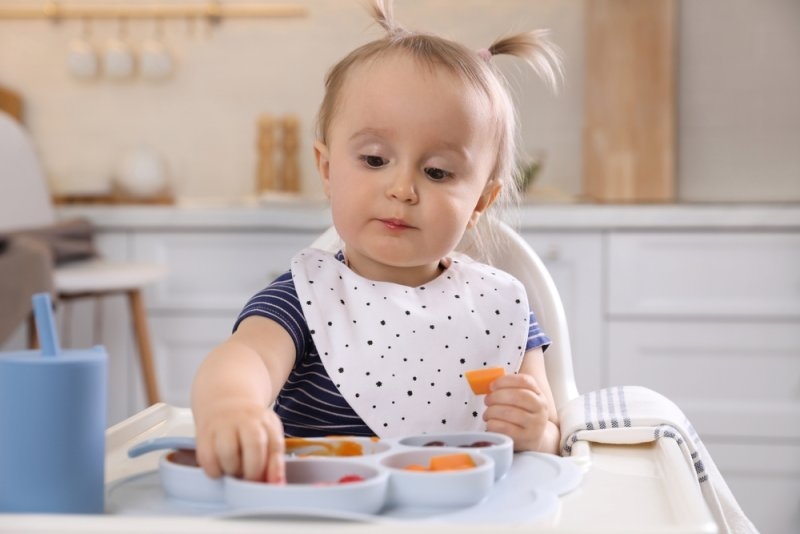
If your pediatrician has advised you to boost energy intake, then some high-calorie foods for infant weight gain will help you increase the nutritional value of a small meal portion.
They are also examples of healthy weight gain foods for infants.
Those parents looking for high-calorie foods for their children to increase weight will certainly want to know what foods are recommended prior to their baby’s first birthday.
Babies who are already on complementary foods may be offered some avocado, full-fat yogurt, eggs, oatmeal, lentils, beans, sweet potatoes, soft fruits, and well-prepared meat and fish products. These are good examples of calorie-rich foods for babies under 1 year, yet these foods should supplement rather than substitute breastfeeding or infant formula feeding.
Complementary foods usually start from 6 months of age and when a baby shows certain signs of readiness for them, like sitting upright with good control of his/her head.
If a healthcare provider suggests that a baby needs extra energy, parents may wonder how to increase calories in baby food without making the baby eat extra servings.
This can be done easily by adding nutritious foods to those that the baby likes already. For instance:
This is done to create a more energy- and nutrient-dense meal while allowing the baby to listen to their body’s signals regarding hunger/fullness. Babies with faltering growth should have an individual feeding regimen planned by the healthcare providers.
Also Check: Food Allergies in Children: Signs, Causes, Care Guide Tips
High-energy foods for babies may prove helpful due to the fact that babies have small stomachs but at the same time great needs for nutrients.
Healthy fat found in avocados, eggs, full-fat milk products, and properly prepared nut or seed butter may serve as energy foods. Protein-rich foods like eggs, beans, lentils, chicken, fish, and yogurt contain nutrients that are required by babies.
The most efficient way to proceed is variation instead of focusing on one particular type of food. Mixing up different types of food can help to prepare healthy baby meals.
It could be mashed sweet potatoes with lentils, oatmeal with banana and diluted nut butter, or soft egg with avocado.
A high-calorie diet for infants is not necessarily recommended because the infant is smaller than the other child or eats less than the other baby.
Babies develop at various paces, and pediatricians measure the growth of babies through growth measurements to determine if the infant is developing correctly. In cases where the infant's weight is faltering, the pediatrician may need to identify the cause of this and make necessary dietary changes.
Parents are supposed to be concerned with the diet quality and not the calorie amount of the baby's diet.
High-calorie infant formula may be recommended in certain cases where an infant needs extra calories. Nevertheless, parents must never adjust the composition of infant formulas on their own.
The formula must always be mixed with water according to its guidelines unless directed otherwise by your pediatrician because of a special case. The ratio between powder and water is critical, and altering it improperly may influence nutrient and electrolyte balance.
In case your pediatrician advises you to feed your baby more calories, follow his/her instructions concerning preparation and feeding.
When choosing the best foods for underweight babies, keep in mind that good nutrition is not the only thing that will help in proper development. Sometimes poor weight gain is caused by feeding problems, diseases, increased needs for certain nutrients, or other reasons.
The most valuable nutrient-dense foods for infants are those that give a child both energy and valuable nutrients, like avocados, eggs, full-fat yogurt, legumes, oats, and properly prepared meat and fish products.
Food safety is also an extremely important matter. Honey before the age of 1 year, choking hazards like whole nuts, popcorn, hard raw veggies, and large portions of nut butter are foods that should be excluded from the diet.
The key is not just finding the food items that have the highest calorie count. Healthy foods for babies should offer calories along with proteins, healthy fats, iron, vitamins, and minerals.
It is also advisable to give babies exposure to different kinds of foods to familiarize themselves with different tastes and textures. Many babies may require multiple attempts to start liking a certain food item.
In case your baby is unable to put on weight, often rejects feeds, struggles to feed, or your pediatrician has expressed his/her concerns regarding the baby's development, you should get proper guidance from professionals rather than just trying out calorie-filled foods.
Remember that growth should be viewed in the context of time rather than relative to other children.
Avocado, full-fat plain yogurt, eggs, oatmeal, legumes, smooth thinned nut butters, sweet potato, and appropriately prepared meat and fish are examples of nutrient-dense options for babies who are ready for complementary foods.
Foods for infant weight gain can include energy-rich foods such as avocado, full-fat yogurt, eggs, legumes, oatmeal, and healthy fats. If a baby has faltering weight, a pediatrician should help determine which foods and feeding strategies are appropriate.
Most nutritious, age-appropriate foods can be part of a baby's diet once they are developmentally ready for them. However, babies with growth concerns, feeding difficulties, allergies, or medical conditions may need individualized guidance from a pediatrician or dietitian.
This content was created by AI