


Packing a nutritious and appealing lunch for your kids can be a daily challenge. Enter the bento box—a fun and practical solution that has taken the lunch world by storm.
School nutrition research demonstrates that multi-compartment bento lunches increase a child's overall meal consumption by up to 25% compared to traditional single-bagged meals, primarily due to enhanced food separation and visual appeal.
Here’s everything you need to know about bento boxes, their benefits, and ten easy-to-follow meal ideas to delight your kids.
A bento box is a compact, compartmentalised container used in Japanese cuisine to pack a single-portion meal.
Traditionally, a bento box includes rice, vegetables, protein, and sometimes fruit or dessert, all arranged aesthetically.
The concept has been adapted globally, offering endless possibilities for creating balanced, visually appealing, and convenient meals.
Bento boxes can be made from various materials, such as plastic, stainless steel, or bamboo. They often come with multiple compartments that help portion different types of food, ensuring that everything stays separate and fresh until it's time to eat. The design of bento boxes encourages a balanced diet and provides a great way to introduce new foods to children in an exciting and engaging way.
Learn More: The Picky Eater's Playbook: How to Get Kids to Try New Foods
Here are some of the top benefits of bento boxes for kids:
Bento boxes offer balanced nutrition by having separate compartments encouraging various food groups, ensuring a well-rounded meal with proteins, carbohydrates, vegetables, and fruits.
A typical bento box layout can include a section for proteins such as chicken, tofu, or beans; another for carbohydrates like rice, noodles, or bread; and compartments for vegetables and fruits.
This balance helps meet children's dietary needs, promoting healthy growth and development.
The predefined sections help manage portion sizes and promote healthier eating habits without overeating.
Unlike larger containers where foods might get mixed or portions might be too large, bento boxes provide just the right amount of space for each food item.
This helps parents control the quantity of food, making it easier to ensure that kids get appropriate portions.
The visual appeal of bento boxes can make healthy options more attractive to kids, encouraging them to eat veggies and fruits.
Children are often drawn to visually appealing items.
By arranging food in fun shapes and vibrant colours, bento boxes can make even the least favourite vegetables more enticing.
Using cookie cutters to shape sandwiches or fruits and adding colourful vegetables can make a big difference.
Bento boxes are portable and easy to pack, making them perfect for school lunches or outings. They are also designed to be leak-proof and easy to carry, which is ideal for busy parents and active kids. The compartments prevent foods from mixing, keeping everything fresh and palatable. Many bento boxes are also microwave-safe, adding to their convenience.
Involving kids in preparing their bento boxes can make them more interested in their meals. They can help choose ingredients, create fun shapes, and learn about balanced nutrition.
Preparing bento boxes can be a fun activity for the whole family.
Kids can pick their favourite foods and help with the assembly, which makes them more likely to eat the meal and teaches them about making healthy food choices.
Check This Out: Tips for Implementing a Low-Carb Diet Safely for Kids
Suggest Easy-to-Follow Recipes or Meal Ideas for Bento Boxes for Kids
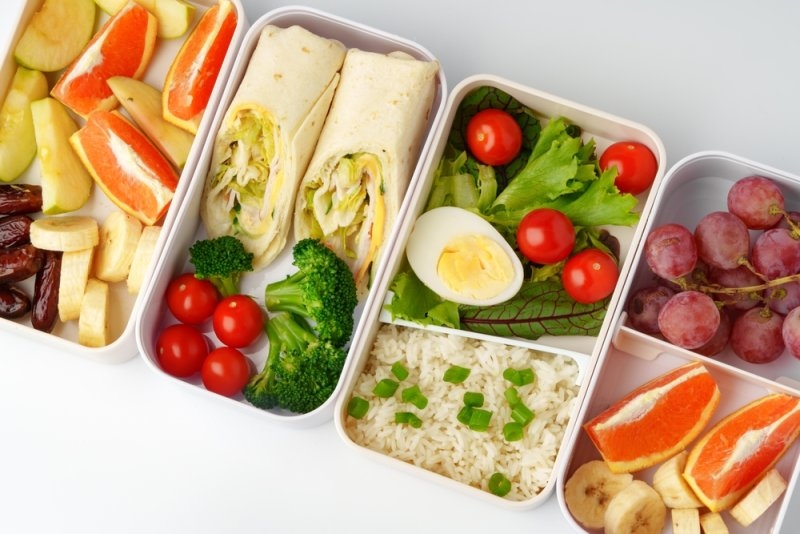
Here you go with a bunch of meal ideas for bento boxes:
These wraps are not only fun but also packed with vitamins and fibre.
These wraps can be easily customised with your child's favourite veggies.
It is a good combination of protein and fibre that will also help in kids' growth and development.
This recipe is a perfect combination of creamy, crunchy, and sweet.
This parfait is rich in protein and probiotics from the yoghurt, which are great for digestion. Berries are high in antioxidants and vitamins, and granola adds a satisfying crunch and fibre. Drizzle with honey if desired for an extra touch of sweetness.
A perfect idea for kids who don't want to eat healthy, and yet parents want them to have some nutrient-rich food.
These rolls are perfect for adventurous eaters and can be a great way to introduce kids to new flavours.
This pasta salad is easy to prepare and can be served cold, making it a convenient and tasty addition to any bento box.
These muffins can be made and stored in the refrigerator for a quick grab-and-go meal, perfect for busy mornings.
This combo is perfect for kids who love to dip and makes a healthy and satisfying snack or side dish.
Brown rice and black beans are a classic combination that provides complete protein, while corn and tomatoes add a burst of colour and vitamins.
Apple and peanut butter is a classic and easy snack that is nutritious and delicious. It's a simple yet satisfying option that kids will love.
Also Read: Parental Tips for Turning Veggie Haters into Veggie Lovers
Bento boxes offer a creative and balanced approach to packing lunches for kids. By incorporating various nutritious ingredients and appealingly presenting them, you can ensure your children enjoy their meals while receiving the essential nutrients they need.
The separate compartments help in managing portion sizes and encourage a well-rounded diet. The visually appealing and fun presentation makes even the healthiest foods more enticing for kids.
Look for bento containers made from durable stainless steel or food-grade BPA-free plastic that feature individually sealed silicone lid compartments to prevent dips and yoghurts from leaking into adjacent sections.
Preheat an insulated thermal container with boiling water for five minutes, empty it, and pack hot items like pasta or nuggets tightly inside before sealing it alongside the cold bento sections.
Soak fresh apple, pear, or banana slices in a quick bath of diluted lemon juice, salted water, or honey water for five minutes before drying and packing them into compartments.
Place dry items like crackers or pretzels in separate silicone liners or seal them in small inner containers away from high-moisture foods like sliced berries, dips, or cucumbers.
Lightweight plastic boxes with single, large front latches are generally easier for small toddler hands to manoeuvre independently during cafeteria lunchtime than stiff, multi-latch stainless steel designs.
This content was created by AI