

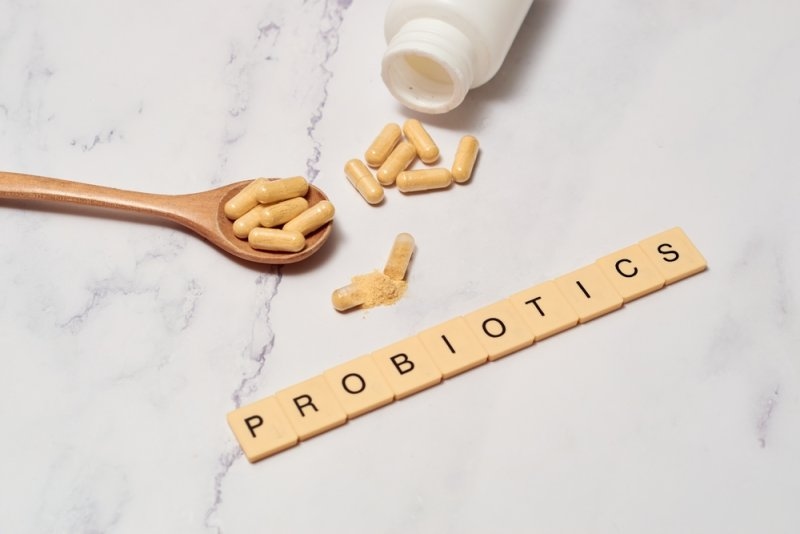
In a child's world, staying healthy is no easy feat. Between school, extracurricular activities, and friends who may not be the healthiest role models, kids are constantly surrounded by risks that could compromise their immune systems.
As such, parents need to arm themselves with as many resources as possible when it comes to keeping their kids healthy in body and mind. Recent clinical studies reveal that approximately 70% to 80% of a child's immune system is located in their gut microbiome, making balanced gut flora vital for fighting off everyday infections and supporting digestion.
If you're a parent concerned about your child's immune system or simply want to give them an edge over the competition at school, consider investing in probiotics for kids.
These beneficial bacteria can help children combat disease and stay happy throughout all of their activities. In this blog post, you will learn more about how probiotics for kids can improve overall health, increase immunity, and reduce stress levels.
Probiotics are "good bacteria" that live in the human gut and play an important role in the body's digestion and immune system, helping to maintain a healthy digestive system.
When consumed, these live bacteria can help to repopulate the gut with beneficial organisms that aid in the digestion of food, strengthen the immune system, and promote a healthy gut environment.
Whereas most people associate probiotics with digestive health and the treatment of diarrhea and constipation, bacteria also play a big role in the health of the immune system. If probiotics are not consumed, immunity operates differently, such as:
Must Try: Discover Top Immune-Boosting Foods for Kids in 2025
Probiotics play a vital role in supporting a child’s overall wellness. Here is a breakdown of how these beneficial bacteria help keep kids healthy:
The gut and the brain communicate constantly via the nervous system and chemical messengers. A balanced gut microbiome supports optimal neurotransmitter production (like serotonin), which helps regulate mood, reduce anxiety, and promote better focus and emotional balance in children.
Because roughly 70% to 80% of the body's immune cells reside in the gut, maintaining a healthy microbiome is essential. Probiotics help crowd out harmful pathogens, produce antimicrobial compounds, and train developing immune systems to fight off common childhood infections like colds and stomach bugs.
Probiotics assist in breaking down food and managing common pediatric digestive issues, including constipation, diarrhea, bloating, and gas. They also support the intestinal lining, which enhances the gut's ability to absorb vital vitamins and minerals necessary for growing bodies.
While antibiotics are necessary to clear up bacterial infections, they kill both bad and good bacteria in the gut. Introducing probiotics during or after a course of antibiotics helps quickly restore beneficial bacterial populations, preventing medication-induced diarrhea and digestive upset.
Certain strains of probiotics help modulate the immune system's inflammatory responses. Research suggests that maintaining gut health can reduce the frequency or severity of childhood skin conditions like eczema and lower the risk of developing certain seasonal allergies.
Children’s immune systems are notably more vulnerable than those of adults because they are still actively developing, adapting, and learning how to protect the body.
Unlike adults who have accumulated decades of "immunological memory" from past exposures, a child's immune system is mostly naive. It has not yet built up an extensive library of antibodies to quickly recognize and fight off common viruses and bacteria, meaning every new germ triggers a full, first-time immune response.
A child's first lines of defense—such as skin, nasal passages, and the lining of the digestive tract—are physically thinner and more permeable than an adult's. These developing barriers make it easier for pathogens to breach the body and enter the bloodstream or tissues.
Because roughly 70% to 80% of immune cells reside in the gut, a child’s immune health depends heavily on their gut bacteria. In early childhood, the gut microbiome is still diversifying and stabilizing, leaving children more susceptible to digestive disruptions and temporary drops in immune defense.
Kids explore their environments largely through touch and mouth contact, exposing them to a vastly higher volume of pathogens daily. Combined with developing hygiene habits (like handwashing), this constant exposure puts a heavy, continuous load on their growing immune systems.
Daycare facilities, preschools, and elementary classrooms create environments with high physical proximity. Children share toys, utensils, and close spaces, leading to frequent re-exposure to rotating strains of colds, flu, and gastrointestinal bugs.
Probiotics cannot only help kids stay healthy, but they can also be used to fight illness and reduce the duration of infection when kids get sick.
Unfortunately, when kids are sick, they have a tendency to eat less. This is problematic because bacteria are required to fight off infection and sickness.
For optimal results, parents should administer probiotics to kids when they are sick. Not only will probiotics help fight off illness, but they will help alleviate symptoms like coughing, congestion, and fever.
Kids of all ages can benefit from probiotics, with particular advantages for younger children. This is because their immune systems are not as strong and are still developing. By taking probiotics daily or when sick, kids can strengthen their immune systems and reduce the risk of illness. Kids who take probiotics may also be more likely to get better faster when they are sick. Furthermore, kids who take probiotics have been shown to have a reduced likelihood of developing allergies.
Parents of newborns, infants, and toddlers should consider probiotics for kids. This is because their immune systems are still developing, and probiotics can help strengthen them and protect against illness. Children who attend daycare or school are also at risk of contracting illnesses. This is because kids are constantly in proximity to one another, which increases the risk of spreading bacteria and viruses.
This can be particularly problematic for kids who are younger than two years old and have yet to build their immune systems.
Probiotics are widely available in health food stores, pharmacies, and online. As with any medication, it's important to consult with your child's doctor before giving him probiotics. Probiotics are a safe and effective way to treat many common digestive issues in children, from mild tummy aches to Crohn's disease. The sooner your child starts taking probiotics, the sooner they'll start feeling better. When it comes to purchasing probiotics for children, there are many options available. You can purchase probiotic supplements that are meant for adults and break them open to administer to younger children.
However, when it comes to your child's health, it's best to choose a product that has been specially formulated for kids. This way, you can be sure you're giving them the right amount of probiotics in the right number of doses and that they are safe and easy to take. There are many brands of probiotics for kids on the market, but not all of them are created equal.
When choosing a probiotic for your child, make sure it contains the correct strains of bacteria and vitamins and minerals that kids need for proper growth and development.
Kids are constantly surrounded by risks that could compromise their immune systems. Fortunately, probiotics can strengthen immunity, help fight illness, and reduce the risk of allergies.
If you're a parent concerned about your child's health, consider investing in probiotics for kids. These beneficial bacteria can help children combat disease and stay happy. For the best results, you should administer probiotics to kids when they are sick.
Kids of all ages can benefit from probiotics, but you should choose a product that is specifically formulated for kids. Visit KidsActivityPage.com to learn more about how to keep your kids healthy, safe, and strong.
Probiotic supplements are generally safe for young children, but you should always consult your pediatrician to confirm the proper strain and dosage before introducing supplements to infants or toddlers.
Probiotics are live beneficial bacteria that populate the gut, while prebiotics are non-digestible plant fibers that act as food to help those good bacteria thrive.
Yes, children can get sufficient probiotics through food alone if they regularly consume fermented items like plain yogurt, kefir, mild kimchi, sauerkraut, and traditional buttermilk.
Excessive probiotic intake rarely causes severe harm, but it can lead to temporary digestive discomfort such as gas, bloating, or mild loose stools until the gut adjusts.
Noticeable improvements in digestion or stool regularity typically occur within a few days to two weeks, whereas broader immune support benefits develop over several weeks of consistent use.
This content was created by AI