Eating Right


How to Convince Picky Eater Kids to Try New Foods

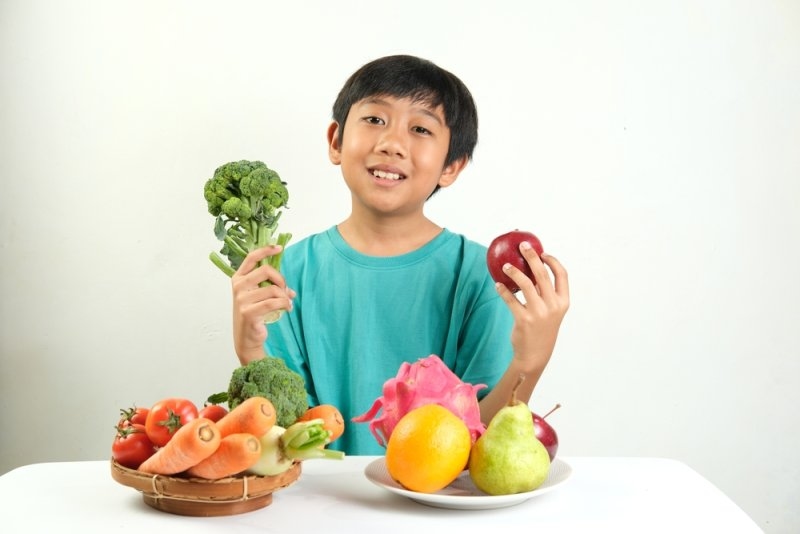
Key TakeawaysUsing the food chaining technique leverages familiar favourite foods to gradually introduce new items with similar textures, colours, or flavours.Offering a safe, familiar food alongside a small portion of a new item reduces mealtime anxiety for sensitive eaters.Encouraging playful food interaction through sensory games allows children to touch, smell, and explore new ingredients before tasting them.Maintaining a consistent routine for meals and snacks prevents constant grazing and ensures kids come to the table with a healthy appetite.Refraining from becoming a short-order cook reinforces family meal norms while teaching children to comfortably adapt to shared menus.Are you tired of the same old dinner battles with your picky eater? Do you wish your child would be more adventurous with their food choices? You're not alone! Many parents struggle with getting their kids to try new foods. Clinical studies show that nearly 50% of parents consider their young children picky eaters, making structured, low-pressure feeding strategies vital for preventing long-term nutritional gaps. But don't fear, because we've got you covered with "The Picky Eater's Playbook: Strategies to Get Kids to Try New Foods". With simple tricks and techniques, you can transform mealtime from a battlefield into a fun and exciting adventure for your little one.Who is a Picky-Eater?A picky eater is someone, typically a child but not exclusively, who has strong preferences or aversions towards certain foods. Fussy eaters may refuse to try new foods, have a limited range of foods they are willing to eat, or exhibit strong reactions, such as gagging or tantrums when presented with unfamiliar or disliked foods. Picky eating behaviour can vary in severity and can be influenced by factors such as taste preferences, sensory sensitivities, texture aversions, and past experiences with food. What are the 9 Practical Strategies to Get Kids to Try New Foods?From packing healthy school lunches to whipping up nutritious recipes that appeal to even the pickiest eaters, there are plenty of ways to encourage your kids to try new foods.Creating a Positive Food EnvironmentThe first step in getting kids to try new foods is to create a positive food environment. This means setting a good example for your child by eating various foods yourself and showing enthusiasm for trying new things. Make mealtime enjoyable by involving your child in the meal planning and preparation. Make time to cook with your kids, encourage them to help you pick out new foods at the grocery store, or prepare a meal in the kitchen. Involving your child in the process can help them feel more invested in trying new foods.Introduce New Foods GraduallyOne of the biggest mistakes parents make when trying to get their kids to try new foods is overwhelming them with too many new things. Instead, introduce new foods gradually, one at a time. Start by serving small portions of new foods alongside familiar favourites. Encourage your child to take a "no thank you bite" of the new food, even if initially hesitant. Slowly introducing new foods in a low-pressure way can help your child become more comfortable trying new things. Get Creative with PresentationKids are visual creatures, so the presentation can play a significant role in getting them to try new foods. Get creative with how you present new foods to your child. When packing healthy school lunches, use fun and colourful plates and utensils, and serve dishes to make mealtime more exciting. Try arranging food in fun shapes or designs to make it more appealing to your child. Incorporate New Foods into Familiar DishesAnother effective strategy is incorporating new foods into familiar dishes. If your child loves pasta, add new vegetables or protein to their favourite pasta dish. If they love pizza, try adding new toppings like fresh herbs or different types of cheese. Introducing new foods in the context of familiar dishes can make them less intimidating for your child to try. This sneaky approach can help your child expand their palate without realising it.  Make Mealtime a Family AffairMealtime shouldn't just be about eating; it should also be about connecting as a family. Make mealtime a family affair by sitting together at the table and enjoying each other's company. Use mealtime as an opportunity to talk and bond with your child. Encourage positive conversation and avoid making mealtime stressful or adverse. Creating a positive and relaxed atmosphere at the dinner table can help your child feel more comfortable and open to trying new foods.Offer Rewards and IncentivesSometimes, a little motivation can go a long way in getting kids to try new foods. Offer rewards and incentives for trying new foods or taking "no thank you bites". This could be as simple as giving your child a sticker or a small treat for trying a new food. You can create a reward chart or system where your child can earn points or tokens for trying new foods, which they can later trade for a bigger reward. By offering incentives, you can make trying new foods a more positive and rewarding experience for your child.Lead by ExampleKids are always watching and learning from their parents, so it's essential to lead by example when trying new foods. Show your child what healthy eating habits look like and that you're willing to try new things and step out of your comfort zone regarding food. Be adventurous and open-minded when trying new foods; your child will be more likely to follow suit. Demonstrating a positive attitude towards trying new foods can inspire your child to be more adventurous with their food choices.Be PersistentLastly, don't be discouraged if your child doesn't immediately eat new foods. It can take multiple exposures to a food before a child develops a taste for it, so be patient and persistent. Keep offering healthy recipes for kids and celebrate small victories along the way.Seek Professional Help if NeededIf you've tried everything and your child still refuses to try new foods, don't be afraid to seek professional help. A registered dietitian or paediatric eating specialist can give personalised advice and strategies for addressing your child's picky eating habits. They can help you identify any underlying issues contributing to your child's fussy eating and create a plan to help them overcome their food aversions. With the proper professional guidance, you can help your child develop a healthier relationship with food and expand their palate over time.Try This: Delicious Fiber-Rich Recipes Your Kids Will Definitely LoveConclusionGetting kids to try new foods doesn't have to be a battle. With the right strategies and techniques, you can turn mealtime into a fun and exciting adventure for your little one. From creating a positive food environment to incorporating new foods into familiar dishes, there are plenty of ways to encourage your child to be more adventurous with their food choices. Remember to be patient and persistent, and don't be afraid to seek professional help. With some creativity and determination, you can help your picky eater become more adventurous and open-minded in no time!FAQsWhat is food chaining, and how does it help picky eaters try new foods?Food chaining is a gradual feeding strategy that connects a child's accepted favourite foods to new, target foods by making subtle, incremental changes in texture, shape, or flavour.How Can Sensory Processing Differences Cause Extreme Picky Eating in Children?Children with sensory sensitivities may experience certain food textures, temperatures, or smells as overwhelming or physically painful, causing strong avoidance behaviours that require specialised support.What is the Difference Between Typical Picky Eating and Paediatric Feeding Disorder?Typical picky eating involves temporary food preferences and phase-based rejections, whereas paediatric feeding disorder involves severe food restriction, impaired weight gain, or functional impairment requiring multidisciplinary therapy.How Does Involving Children in Weekly Meal Planning Reduce Mealtime Resistance?Giving kids autonomy to choose recipes or select produce at the grocery store builds personal investment and reduces the power struggles often associated with trying new foods.Should Parents Ever Use Dessert as a Reward for Trying a New Food?Using dessert as a bribe reinforces the idea that healthy foods are an unpleasant chore, which unintentionally increases a child's desire for sweet treats while diminishing their appreciation for nutritious meals. 

Parental Tips for Turning Veggie Haters into Veggie Lovers

Key TakeawaysConsistently exposing children to unfamiliar vegetables without forcing consumption reduces food anxiety and promotes natural curiosity.Roasting or seasoning vegetables changes bitter flavour profiles into sweet, palatable bites that appeal to young taste buds.Involving kids in grocery shopping and vegetable preparation builds a sense of pride that encourages them to try their own culinary creations.Serving small micro-portions of new greens alongside familiar favourite foods keeps mealtime from feeling overwhelming for hesitant eaters.Modelling positive eating habits by enjoying a wide variety of vegetables at the dinner table sets a powerful example for children to follow.Are you tired of the veggie battle at the dinner table? Do you find yourself constantly trying to convince your kids to eat their greens? Don't worry, you're not alone! Many parents struggle to get their children to eat vegetables, but with the right strategies and techniques, you can turn veggie haters into veggie lovers. Behavioural nutrition studies reveal that children often require up to 15 repeated exposures to a new vegetable before their palate adapts and they willingly accept it as part of their regular diet. In this blog, you will learn how to get your kids to eat veggies and their benefits.  Key Parental Tips to Turn Kids into Veggie Lovers Here is how you can convert your kids to love veggies for life:Lead by ExampleOne of the most effective ways to get kids to eat veggies is by leading by example. Children are more likely to try new foods if they see their parents enjoying them. Make sure to incorporate plenty of vegetables into your own meals and show your kids that veggies can be delicious and enjoyable. Try experimenting with different preparation methods and flavours to find what works best for your family.Get Creative in the Kitchen Kids are more likely to eat vegetables if they are presented in a fun and creative way. Get your kids involved in the cooking process by letting them help you prepare meals. Try making veggie-filled dishes like colourful stir-fries, veggie-packed pasta sauces, or veggie-filled wraps. Use fun shapes and colours to make veggies more appealing to your children.Sneak Veggies into Favourite MealsIf your child is a particularly stubborn veggie hater, you can try sneaking vegetables into their favourite meals. Puree veggies and add them to sauces, soups, and smoothies. You can also finely chop vegetables and mix them into meatballs, burgers, and casseroles. By incorporating veggies into foods that your child already loves, you can slowly introduce them to new flavours and textures.Make Veggie Eating FunMake vegetable eating a fun and enjoyable experience for your kids. Use colourful plates and utensils, and create fun animal shapes with veggies. You can also turn veggie eating into a game by offering rewards or incentives for trying new vegetables. Encourage your children to explore different types of vegetables and find what they enjoy the most.  Grow Your Own VeggiesOne great way to get kids excited about eating vegetables is by growing them themselves. Start a small garden in your backyard or plant herbs and veggies in pots on your balcony.Let your kids take care of the plants and watch them grow. When it's time to harvest, involve your children in picking and preparing the vegetables for a meal. Children are more likely to eat veggies that they have grown themselves. Offer VarietyJust like adults, children have different tastes and preferences when it comes to vegetables. Make sure to offer a variety of vegetables to your children so they can explore different flavours and textures. Don't force your child to eat a vegetable they dislike, but encourage them to try new ones. Keep experimenting with different vegetables until you find what works best for your child.Set a Good RoutineConsistency is key when it comes to getting kids to eat veggies. Set a good routine by incorporating vegetables into every meal and snack. Make it a habit for your family to have a side of veggies with every meal, and offer vegetable snacks like carrot sticks or cucumber slices throughout the day. By making veggies a regular part of your child's diet, they will be more likely to accept them.Be Patient and PersistentGetting kids to eat veggies is not always easy, and it may take time for them to develop a taste for certain vegetables. Be patient and persistent in your efforts to introduce vegetables to your child's diet. Keep offering vegetables in different ways, and don't give up if your child initially refuses them. Over time, your child's taste buds may change, and they may start to enjoy veggies more. Avoid force-feeding.Avoiding force-feeding children is essential for nurturing a positive relationship with food. Force-feeding can trigger negative responses, such as resistance and aversion, leading to mealtime stress and emotional distress. It undermines a child's autonomy and can erode trust between parent and child. Instead, parents should offer nutritious foods in a supportive environment, allowing children to explore and develop their own preferences at their own pace. Encouraging autonomy and modelling healthy eating behaviours fosters lifelong healthy habits without coercion.Celebrate SuccessesAs you work towards turning your veggie haters into veggie lovers, make sure to celebrate small victories along the way. When your child tries a new vegetable or eats a larger portion than usual, praise them for their efforts. Positive reinforcement can help encourage your child to continue trying new vegetables and develop a love for healthy eating habits.Also read: 10 Fun and Nutritious Recipes for Kids: Healthy Recipes for KidsWhat are the benefits of eating veggies for kids?Eating vegetables has numerous benefits, from getting extra fibre to easier digestion to glowing skin. Here are the top benefits of eating veggies for your kids:Essential nutrients: Vegetables are packed with vitamins, minerals, and fibre vital for children's growth and development.Strong immune system: The nutrients found in vegetables support your child's immunity, helping children fight off illnesses and infections.Healthy digestion: Fibre in vegetables promotes healthy digestion, preventing constipation and supporting overall gut health.Weight management: Veggies are low in calories and high in fibre, helping children feel full and satisfied while maintaining a healthy weight.Diverse taste preferences: Introducing a variety of vegetables early on helps children develop diverse taste preferences, reducing the likelihood of picky eating.Lifelong health: Regular consumption of vegetables establishes healthy dietary habits, lowering the risk of chronic diseases later in life.Fun and creativity: Incorporating vegetables into meals can be enjoyable and creative, making nutritious foods more appealing to children.ConclusionIn conclusion, getting kids to eat veggies can be a challenge, but with the right strategies and techniques, you can turn veggie haters into veggie lovers. By leading by example, getting creative in the kitchen, sneaking veggies into favourite meals, making veggie eating fun, growing your own veggies, offering variety, setting a good routine, being patient and persistent, and celebrating successes, you can help your children develop a love for vegetables that will last a lifetime. Don't give up on your veggie battle-with a little creativity and patience, you can make veggies a regular and enjoyable part of your child's diet.FAQsHow Does Genetics Influence a Child's Natural Aversion to Certain Green Vegetables?Some children inherit a specific taste receptor gene that makes the bitter compounds found in cruciferous vegetables like broccoli and kale taste exceptionally intense to their palates.Is It Effective to Hide Vegetables in Smoothies and Sauces When Feeding Picky Kids?While pureeing veggies into familiar dishes boosts daily nutrient intake, pairing this strategy with visible exposure helps children learn to recognise and accept whole vegetables.How Can Dip Pairings Help Children Accept Raw Vegetables More Readily?Serving raw veggies alongside flavourful dips like hummus, guacamole, or mild yoghurt dressing masks bitterness and adds a familiar texture that makes exploration more fun.Why Does Mealtime Pressure Often Backfire When Trying to Get Kids to Eat Veggies?Insisting that a child clean their plate or take a mandatory bite triggers a stress response that connects negative emotions to vegetables, increasing long-term food rejection.What Role Does Cooking Texture Play in a Child's Acceptance of Vegetables?Many children dislike mushy or overcooked textures, so serving vegetables roasted, lightly steamed, or raw provides a crisp crunch that appeals more to sensory-sensitive eaters. 

Suggest Best Tips to Cultivate Intuitive Eating in Children

Key TakeawaysEncouraging children to listen to their internal hunger signals helps foster a lifelong, positive relationship with food without external control.Avoiding the use of food as a reward or punishment prevents emotional eating patterns from developing during early childhood.Offering neutral food choices without labelling items as strictly good or bad eliminates food shame and reduces overeating behaviours.Following the division of responsibility in feeding allows parents to decide what to serve while empowering kids to decide how much to eat.Creating a calm, screen-free mealtime atmosphere enables children to pay close attention to their body's fullness cues.In today's fast-paced world, teaching children to eat mindfully and intuitively is more important than ever. As parents, we play a crucial role in shaping our children's relationship with food and helping them develop healthy eating habits that will last a lifetime. Intuitive eating is a powerful tool that can empower children to listen to their bodies, eat when they're hungry, and stop when they're full. Research in paediatric psychology shows that children born with innate hunger and fullness cues lose up to 40% of their intuitive eating abilities by age five when external pressure, such as clean-plate rules or food rewards, is routinely introduced. By fostering a positive and intuitive approach to eating, we can help our children avoid the pitfalls of diet culture and develop a healthy relationship with food.What is Intuitive Eating?Intuitive Eating is a philosophy developed by dietitians Evelyn Tribole and Elyse Resch in the 1990s, aimed at helping individuals cultivate a healthy relationship with food and their bodies. It is based on ten principles that guide individuals towards making peace with food, honouring their hunger and fullness cues, and embracing body positivity.What are the Principles of Intuitive Eating?The principles of intuitive eating are nothing but the basic discipline of eating that one should consider rather than holding on to food. Here are 10 principles of intuitive eating:1. Reject the Diet MentalityIntuitive eating begins with rejecting the diet mentality and recognising that traditional dieting often leads to negative outcomes such as guilt, shame, and disordered eating patterns. Instead, individuals are encouraged to focus on their overall well-being rather than pursuing weight loss.2. Honour Your HungerThis principle emphasises the importance of listening to and respecting your body's natural hunger cues. It involves eating when you're hungry and nourishing your body with adequate and satisfying meals and snacks.3. Make Peace with FoodAllowing yourself unconditional permission to eat all foods without guilt or judgement is central to intuitive eating. By removing the labels of "good" and "bad" foods, individuals can develop a healthier relationship with food and eliminate the cycle of deprivation and overeating.4. Challenge the Food PoliceThe Food Police represent the internalised rules and beliefs about food ingrained by diet culture. Intuitive eating encourages individuals to challenge these negative thoughts and beliefs and replace them with more positive and compassionate self-talk.5. Discover the Satisfaction FactorEating should be a pleasurable and satisfying experience. This principle encourages individuals to explore and savour the sensory aspects of food, including taste, texture, and aroma, to enhance the enjoyment of eating.6. Feel Your FullnessLearning to recognise and honour your body's fullness cues is essential for practising intuitive eating. By tuning into physical sensations of fullness, individuals can avoid overeating and develop a more attuned relationship with their bodies.7. Cope with Your Emotions without Using FoodIntuitive Eating recognises that emotions often influence eating behaviours. Instead of turning to food for comfort or distraction, individuals are encouraged to explore alternative coping mechanisms and address underlying emotional needs.8. Respect Your BodyBody respect involves accepting and appreciating your body for its unique size, shape, and abilities. It entails letting go of the pursuit of an idealised body image and embracing body diversity and self-compassion.9. Movement: Feel the DifferenceIntuitive eating emphasises joyful and intuitive movement that focuses on how physical activity makes you feel rather than burning calories or achieving specific fitness goals. It encourages individuals to engage in activities they enjoy and that promote overall well-being.10. Honour Your Health with Gentle NutritionWhile intuitive eating prioritises satisfaction and pleasure in eating, it also acknowledges the importance of nourishing your body with balanced and nutritious foods. This principle encourages individuals to make food choices that boost health without rigid rules or restrictions.Overall, intuitive eating is a holistic approach to wellness that promotes mindfulness, self-compassion, and body autonomy. By embracing these principles, individuals can cultivate a healthier relationship with food, their bodies, and themselves, leading to greater overall well-being and satisfaction with life.What are the Benefits of Intuitive Eating for Kids?Intuitive eating for kids has numerous benefits that can positively impact their physical, emotional, and mental well-being. Here are some benefits of it:When children are encouraged to listen to their hunger and fullness cues, they are more likely to develop a healthy relationship with food and trust their bodies to guide their eating habits. Intuitive eating can help children learn to enjoy a wide variety of foods without restrictions or guilt, leading to a balanced and sustainable approach to nutrition.Research has shown that intuitive eating is associated with improved body image, self-esteem, and overall mental health in children. By teaching kids to eat intuitively, we can help them develop a positive self-image and reduce the risk of disordered eating behaviours later in life. Intuitive eating empowers children to make informed food choices based on their own preferences and needs rather than external influences or societal norms. By giving children the tools to trust their bodies and make mindful food choices, we can set them up for a lifetime of healthy eating habits.Must read: The Role of Nutrition for an Active Lifestyle for Kids Tips for Cultivating Intuitive Eating in ChildrenImplanting good habits in children is difficult, but with consistency and the urge to build something good, the below-mentioned tips on intuitive eating in children can be fruitful:Lead by ExampleChildren learn by watching and imitating their parents, so it's essential to model healthy eating behaviours and a positive relationship with food. Avoid labelling foods as "good" or "bad" and focus on balanced meals that include a variety of nutrients.Encourage Self-regulationHelp children tune into their hunger and fullness cues by allowing them to choose when and how much to eat. Avoid pressuring children to clean their plates or using food as a reward or punishment.Create a Positive Eating EnvironmentMake mealtime a pleasant and relaxed experience by eating together as a family, minimising distractions, and engaging in conversation. Encourage children to savour their food and listen to their bodies while eating.Provide a Variety of FoodsExpose children to a wide range of nutritious foods, making healthy and fun recipes to help them develop a diverse palate and learn to enjoy new flavours and textures. Offer plenty of fruits, vegetables, whole grains, lean proteins, and healthy fats to support their growing bodies.Teach Mindful Eating PracticesEncourage children to eat slowly, chew their food thoroughly, and pay attention to the taste, texture, and sensations of each bite. Help them cultivate a sense of mindfulness and gratitude for the nourishment their food provides.Foster a Positive Body ImageEncourage children to appreciate their bodies for all they can do rather than focusing on appearance or weight. Help them practise self-compassion and develop a healthy sense of self-worth outside of their physical appearance. What are the Risk Factors of Intuitive Eating?Here they are:Intuitive eating may not be suitable for everyone.For instance, individuals with medical conditions necessitating adherence to specific dietary regimens should follow the advice of their healthcare provider or licensed dietitian. These individuals may encompass those with conditions such as diabetes, hypertension, and cardiovascular disease.Medical ConditionIndividuals with dietary restrictions due to health concerns, such as those diagnosed with Coeliac disease, should continue to abstain from certain foods. Some individuals, particularly those in need of weight gain or recovering from eating disorders, may not be suitable candidates for intuitive eating. In such cases, it is advisable for them to seek guidance from a registered dietitian or medical professional.ConclusionCultivating intuitive eating for kids can have a profound impact on children's health and well-being. By fostering a positive and intuitive approach to eating, we can empower children to make healthy food choices, listen to their bodies, and develop a balanced relationship with food. With practical tips and strategies, parents can create a supportive environment that nurtures children's innate ability to eat intuitively and joyfully. By cultivating healthy eating habits from a young age, we can set our children up for a lifetime of positive and mindful eating behaviours.FAQsHow Does the Division of Responsibility in Feeding Support Intuitive Eating for Kids?The Division of Responsibility assigns parents the task of deciding what, when, and where food is served, while leaving the decision of whether to eat and how much to eat entirely to the child.What Should Parents Do When a Child Asks for Dessert Before Finishing Dinner?Avoid withholding sweet foods until dinner plates are cleaned, as serving a small portion of dessert alongside the main meal neutralises its reward status and prevents overindulgence.How Can You Teach Young Children to Recognise Their Physical Fullness Cues?Ask neutral, body-focused questions during meals like how their tummy feels or if their stomach feels comfortable, avoiding directives to clear their plate.Does Cultivating Intuitive Eating Cause Children to Only Choose Junk Foods?Children given consistent access to a wide variety of foods naturally learn to balance their intake without obsessing over previously restricted treats.How Can Parents Unlearn Their Own Restricted Eating Habits to Model Intuitive Behaviours?Parents can practise avoiding negative body talk around the dinner table, refraining from labelling their own meals as guilty pleasures, and eating mindfully alongside their children. 

Important Guide to Preventing Choking Incidents in Toddlers

Choking is a serious risk for toddlers as they explore the world around them and discover new foods. As a parent or caregiver, it's essential to be proactive in preventing choking incidents to keep your little ones safe and healthy. According to emergency medical statistics, choking is a leading cause of accidental injury in young children, with food items accounting for over 50% of all paediatric airway obstruction cases in toddlers under four years old. By following some simple guidelines and staying vigilant, you can significantly reduce the risk of choking in toddlers.8 Tips to Prevent Choking Incidents in ToddlersParents are paranoid, wondering about their babies while eating. What if they choke? What if they can't breathe? What if! What if! What if! Here is the guide to stop your what-ifs and safeguard your baby from choking:Know the RisksToddlers are at a higher risk of choking than older children and adults due to their small airways and tendency to put objects in their mouths. Common culprits for choking incidents in toddlers include foods that are hard, round, or sticky, as well as small objects like toys or coins. By understanding the risks, you can be better prepared to prevent choking in your toddler.Choose Age-Appropriate FoodsOne of the most important ways to prevent choking in toddlers is to offer age-appropriate foods. Avoid giving young children foods that are hard, round, or sticky, as these are more likely to cause choking. Cut foods into small, manageable pieces and supervise your toddler while they eat to ensure they are chewing and swallowing safely. Supervise MealtimeIt's crucial to supervise your toddler closely during mealtime to prevent choking incidents. Stay present and attentive, and avoid distractions like phones or television. Encourage your toddler to sit down while eating and teach them to chew their food thoroughly before swallowing. By supervising mealtime, you can quickly intervene if your child begins choking.Create a Safe Eating Environment In addition to supervising mealtime, creating a safe eating environment is essential for preventing choking in toddlers. Make sure your toddler sits at a table or high chair while eating to reduce the risk of choking. Remove potential choking hazards from the area, such as small objects or loose toys.By baby-proofing the house, you can minimise the risk of choking incidents.Teach Good Eating HabitsTeaching your toddler good eating habits can also help prevent choking incidents. Encourage your child to take small bites, chew their food thoroughly, and swallow before taking another bite. Avoid rushing mealtime or allowing your toddler to run around with food in their mouth. By instilling good eating habits, you can reduce the risk of choking in your toddler. Know What to Do in an EmergencyDespite your best efforts, choking incidents can still occur. It's essential to know what to do in an emergency if your toddler begins choking. Take a CPR and first aid course to learn how to respond to choking incidents in children.Stay calm and act quickly, following the steps taught in your training. By being prepared, you can effectively handle a choking emergency.Keep Choking Hazards Out of Reach To prevent choking incidents in toddlers, it's crucial to keep choking hazards out of reach. Be mindful of small objects like coins, batteries, or toys that could easily be swallowed.Keep these items stored safely away from your toddler's reach to reduce the risk of choking. Regularly inspect your home for potential choking hazards and address them promptly.Stay Informed and UpdatedAs your toddler grows and develops, their risk of choking may change. Stay informed and updated on the latest guidelines for preventing choking in toddlers.Consult with your child's paediatrician for advice on age-appropriate foods and feeding practices. By staying informed and updated, you can adapt your approach to prevent choking incidents as your toddler grows. Which Foods are Choking Hazards?Certain foods pose a higher risk of choking, particularly in young children and toddlers. Examples of choking hazards include:Hard candiesNutsSeedsChunks of meat or cheeseWhole grapesPopcornRaw vegetables like carrots and celerySticky foods like peanut butterIt's essential to be mindful of these foods, especially when serving them to individuals who may have difficulty chewing or swallowing. Cutting foods into smaller, manageable pieces and supervising meals can help reduce the risk of choking incidents.Which Age Group of Children is Prone to Choking?Toddlers and young children, typically between the ages of 1 and 4 years old, are at a higher risk of choking due to their developmental stage and exploratory behaviour with foods.Additionally, children often engage in distracted eating or may attempt to swallow food too quickly, increasing the likelihood of choking incidents. It's crucial for carers to closely supervise young children during meal times and avoid serving foods that pose a choking risk. Education on safe eating habits and appropriate portion sizes can also help prevent choking incidents in children.Must Try: Boosting Focus and Concentration in Easily Distracted KidsConclusionPreventing choking incidents in toddlers requires vigilance, preparation, and knowledge. By following the essential tips outlined in this guide, you can keep your little ones safe and healthy. From choosing age-appropriate foods to creating a safe eating environment, every step you take can make a significant difference in preventing choking in toddlers. Stay proactive and stay informed to protect your toddler from choking incidents.By incorporating these preventive measures and guidelines, you can greatly minimise the risk of choking incidents in toddlers. Stay aware, stay prepared, and stay proactive in safeguarding your little one's health and well-being. Remember, a moment of caution can save a life. Stay safe, stay informed, and enjoy mealtime with your toddler!FAQsAt What Age Can Children Safely Eat Whole Grapes and Raw Carrots Without Pre-Cutting?Paediatric safety experts recommend cutting grapes into thin quarters and cooking or finely shredding raw carrots until children reach at least four years of age and develop mature chewing mechanics.What is the primary difference between treating a choking infant and a choking toddler?For infants under one year old, emergency relief involves alternating between five firm back slaps and five chest thrusts, whereas toddlers over one year receive alternating back blows and abdominal thrusts known as the Heimlich manoeuvre.Can Popcorn and Whole Seeds Cause Airway Obstructions in Toddlers Even If They Have Teeth?Yes, because toddlers lack complete molar sets for grinding food finely, lightweight pieces like popcorn kernels can easily be inhaled into the trachea during deep breaths or laughter.How Does Distracted Eating Increase a Toddler's Risk of Choking During Snacks?Walking, running, or playing with toys while chewing disrupts normal swallowing coordination and significantly increases the likelihood that food gets pulled into the windpipe instead of the oesophagus.Are Anti-Choking Suction Devices Safe and Approved for Use on Young Children at Home?While some manual airway clearance devices are commercially available, medical organisations emphasise that immediate back blows and chest thrusts remain the gold-standard, first-line medical intervention for a choking child.

What are the Top Foods to Boost Your Child's Immunity

Key TakeawaysIncorporating citrus fruits, berries, and leafy greens provides essential vitamin C and antioxidants that strengthen white blood cell production.Serving probiotic-rich foods like yoghurt and kefir feeds beneficial gut bacteria that help block harmful pathogens from entering the bloodstream.Including zinc-rich foods such as seeds, beans, and lean meats helps regulate immune cell response and accelerates tissue recovery during illness.Offering colourful, whole-food meals ensures children receive a broad spectrum of phytonutrients that protect cells from oxidative stress.Minimising refined sugars prevents temporary immune suppression, allowing defensive white blood cells to react effectively against seasonal germs.As parents, we all want what's best for our children. One of the most important aspects of caring for our kids is ensuring they have a strong and healthy immune system. In today's world, where germs and viruses seem to be lurking around every corner, it's more important than ever to prioritise our children's health and well-being.Paediatric health data indicates that roughly 70% of a child's immune system resides in their gut microbiome, making daily nutrition and gut-supportive foods the primary line of defence against seasonal illnesses. The good news is that there are plenty of delicious and nutritious foods that can help supercharge your child's immunity and keep them healthy all year round. In this blog post, we'll explore the top immunity-boosting foods for kids and how you can easily incorporate them into your child's diet.Top 10 Foods to Boost HealthHere are the foods that will ensure your kid has the ultimate immunity and a supercharged body:Berries: A Nutrient-Packed PowerhouseBerries are not only delicious but also packed with antioxidants, vitamin C, and fibre, making them an excellent choice for boosting your child's immunity. Blueberries, strawberries, raspberries, and blackberries are all great options that can help strengthen your child's immune system and protect them from illnesses. Try adding berries to smoothies, oatmeal, and yoghurt, or enjoy them as refreshing, fibre-rich snacks for snack time.Citrus Fruits: Vitamin C SuperstarsCitrus fruits such as oranges, grapefruits, lemons, and limes are rich in vitamin C. This essential nutrient aids in the production of white blood cells, which play a vital role in fighting infections. and keeping your child healthy. Encourage your child to eat citrus fruits regularly or squeeze some fresh lemon or lime juice over their meals for an added immune boost. Yoghurt: Gut-Healthy ProbioticsYoghurt is not only a tasty treat but also a great source of probiotics, which are beneficial bacteria that support gut health and boost immunity. Probiotics help maintain a healthy balance of gut flora, which is crucial for a strong immune system. Choose plain, unsweetened yoghurt and add fresh fruits or a drizzle of honey for a nutritious and delicious snack that will keep your child's immune system in top shape.Leafy Greens: Health ChampionsLeafy greens such as spinach, kale, and broccoli are rich in vitamins A, C, and E, as well as antioxidants and fibre, all of which are essential for a healthy immune system. Incorporating a plant-based diet into your child's meals by adding them to salads, stir-fries, soups, or smoothies. You can also sneak them into pasta sauces or casseroles for a nutritious boost that your child won't even notice.Nuts and Seeds: Healthy Fats and ProteinNuts and seeds are excellent sources of healthy fats, protein, and vitamins that can help strengthen your child's immune system. Almonds, walnuts, chia seeds, and flaxseeds are all great options that can be added to oatmeal, yoghurt, salads, or smoothies. Make a trail mix with nuts and seeds for a tasty and nutritious snack that your child can enjoy on the go.Garlic: Nature's Immune BoosterGarlic has been used for centuries for its medicinal properties, including its ability to boost the immune system. Garlic contains compounds that have antiviral, antibacterial, and antifungal properties, making it a potent ally in keeping your child healthy. Incorporate garlic into your child's meals by adding it to soups, stir-fries, pasta sauces, or roasted vegetables for a flavourful and immune-boosting kick.Sweet Potatoes: Beta-Carotene RichnessSweet potatoes are a rich source of beta-carotene, a precursor to vitamin A, which is essential for a healthy immune system. Beta-carotene helps boost the production of white blood cells and antibodies, which are key players in fighting off infections and keeping your child healthy. Roast or bake sweet potatoes for a delicious and nutritious side dish that your child will love.8. Lean Protein: Building Blocks for MusclesLean protein sources such as chicken, turkey, fish, eggs, and legumes are essential for a strong and healthy immune system. Protein is necessary for the production of antibodies and immune cells that help fight off infections and keep your child healthy. Include lean protein in your child's meals by incorporating it into soups, salads, sandwiches, or stir-fries for a well-rounded and immune-boosting diet.9. Green Tea: Dose of AntioxidantsGreen tea is loaded with antioxidants, such as catechins, that have been shown to enhance immune function and protect against infections. Encourage your child to drink green tea regularly as a healthy alternative to sugary drinks or juices. You can also add a splash of honey or a squeeze of lemon for a delicious and immune-boosting beverage that your child will enjoy.10. Water: Staying HydratedLast but not least, don't forget the importance of staying hydrated for a healthy immune system. Water helps flush out toxins, regulate body temperature, and maintain overall health and well-being. Encourage your child to drink plenty of water throughout the day and limit sugary beverages that can weaken the immune system. You can also infuse water with fresh fruits or herbs for a tasty and refreshing alternative that will keep your child hydrated and healthy. ConclusionIn conclusion, there are plenty of delicious and nutritious foods that can help supercharge your child's immunity and keep them healthy all year round. By incorporating a variety of immune-boosting foods into your child's diet, you can help strengthen their immune system and protect them from illnesses. Encourage your child to eat a rainbow of fruits and vegetables, include lean protein sources, and stay hydrated with plenty of water for a well-rounded and immune-boosting diet. Remember that a healthy immune system starts with a healthy diet, so make sure to prioritise your child's health and well-being by providing them with the best nutrition possible. Boost your child's immunity today with these top foods and watch them thrive!FAQsHow Does Daily Physical Activity Work Alongside Nutrition to Strengthen A Child's Immune System?Regular exercise increases blood circulation, allowing immune cells and infection-fighting antibodies to travel faster through the body to detect and neutralise potential illnesses early.Can Cooking or Steaming Vegetables Destroy Immune-Boosting Vitamins for Kids?Heat-sensitive vitamins like vitamin C degrade during high-heat cooking, so lightly steaming, microwaving, or serving raw produce helps preserve maximum nutrient potency for growing bodies.What Role Does Hydration Play in Maintaining Strong Paediatric Immune Defences?Proper hydration maintains healthy mucous membranes in the nose and throat, which act as a physical barrier to trap airborne viruses and bacteria before they enter the body.Are Elderberry Syrups or Herbal Tinctures Safe for Boosting Young Children's Immunity?While elderberry extracts are popular, parents should consult a paediatrician before giving herbal supplements to young children due to varying ingredient concentrations and potential allergy risks.How Do Sleep Patterns Impact How Effectively A Child's Body Absorbs Immunity Nutrients?During deep sleep, the body releases proteins called cytokines that fight inflammation and infection, meaning poor sleep can weaken immune cell function regardless of a child's nutritional intake. 

What Do You Need to Know About Plant-Based Diets for Kids

Key TakeawaysA well-structured plant-based diet provides young children with abundant fibre, vitamins, and antioxidants that support long-term heart health.Careful meal planning ensures plant-fed kids get adequate amounts of crucial growth nutrients like iron, zinc, calcium, and vitamin B12.Pairing plant-based iron sources with vitamin C-rich foods significantly boosts nutrient absorption during childhood meals.Offering energy-dense foods like nut butter, avocados, and seeds helps growing kids meet their high daily calorie needs on a high-fiber diet.Consulting with a registered paediatric dietitian helps parents design balanced plant-based meal plans tailored to their child's specific developmental stages.Introducing children to a plant-based diet can be difficult, but it can be done safely and successfully with the correct information and guidance. Plant-based diets are rich in vitamins, minerals, and fibre, which provide essential nutrition for growing bodies. However, there are some things to consider when introducing kids to a plant-based diet, such as ensuring they get enough protein, calcium, iron, and other nutrients. Nutritional health surveys show that well-planned plant-based diets can support normal growth in children, though up to 50% of vegan youth may require targeted supplementation for key nutrients like vitamin B12 and vitamin D. Time to understand plant-based diets for kids, including the benefits, risks, and tips for success.What are the Benefits of Plant-Based Diets for kidsPlant-based diets offer a variety of health benefits for children. Here are the top benefits of them:They are high in vitamins, minerals, and fibre, which provide essential nutrition for growing bodies. Plant-based diets are low in fat and cholesterol, which can help reduce the risk of heart disease. Additionally, plant-based diets are linked to a lower risk of obesity, diabetes, and some types of cancer. Plant-based diets can benefit children's mental health. Studies have found that plant-based diets are linked to improved mood, increased concentration, and better cognitive performance. This makes plant-based diets an excellent option for growing minds.What are the Challenges of Plant-Based Diets for Kids?While plant-based diets offer many benefits, there are some risks to consider. Here are the challenges of this diet among kids:The most significant risk is nutrient deficiency, especially in growing children. Plant-based diets are typically low in protein, calcium, iron, and other essential nutrients. To make sure kids are getting enough of these nutrients, it's vital to ensure their diets are varied and balanced. Plant-based diets are often high in fibre, which can cause digestive issues in some people, especially children. To minimise the risk of digestive problems, slowly introducing plant-based foods and ensuring the diet includes plenty of fruits, vegetables, and whole grains is crucial.How to Prepare Plant-Based Diets for Kids?It is not rocket science to get your kid to eat plant-based food, but it is the approach and mindset that is being applied to them. Here is how to prepare them:Involve Kids: Get kids involved in trying new foods and developing meal ideas. Ask them to help with shopping, cooking, and meal planning. This will excite them to try fresh foods and help them understand the importance of a balanced diet.Make It Fun: Make mealtime fun by creative recipes, stories, and activities. For example, you could have kids create an account about the ingredients in their meals or have them guess what food is in a dish.Be Patient: Introducing a plant-based diet to kids can take time, so patience is essential. Don't get discouraged if your child isn't immediately excited about new foods; be willing to try different dishes and flavours.Prepare Healthy Snacks: Snacks are essential to a child's diet, so preparing plant-based snacks is crucial. Try to include snacks high in protein, fibre, and other essential nutrients.Find Alternatives: If your child has difficulty adjusting to a plant-based diet, try to find alternatives to their favourite foods. For example, if your child loves burgers, try making a veggie burger instead.How to Feed Your Kid a Nutritious Plant-Based Diet?In the beginning, it seems quite difficult for a parent to introduce a plant-based diet for their kids, but with a few tweaks and tips, anyone can fill in the nutritional elements of the foods of kids for their ultimate growth, and here is how:Include Protein Sources: Plant-based diets typically lack adequate amounts of protein, so it's important to include protein sources such as legumes, nuts, and seeds.Focus on Whole Foods: Processed foods, such as vegan meats and cheeses, may be convenient, but they typically lack the nutritional benefits of whole foods. Focus on real foods such as fruits, vegetables, legumes, nuts, and seeds.Include Variety: To ensure kids get all the essential nutrients, it's important to include a variety of foods in their diet. Try to have a variety of colours, textures, and flavours to keep meals interesting.Choose Healthy Fats: Plant-based diets should include healthy fats such as avocados, nuts, and seeds. These foods are essential nutrients and can help keep kids full between meals.Limit Sweets: Plant-based diets should be low in sugar, so limiting the amount of sweets and processed foods is essential. Instead, focus on whole foods and natural sources of sweetness such as fruits and starchy vegetables.How to Ensure Healthy Growth in Kids with a Plant-Based Diet?Supporting a child's healthy growth on a plant-based diet, with or without eggs and dairy, involves careful attention to key nutrients:Vitamin B-12: Obtain from fortified cereals, bread, soy milk, nutritional yeast, or supplements.Calcium: Include kale, broccoli, dried beans, and calcium-fortified soy milk in the diet.Iron: Ensure adequate intake of chickpeas, lentils, kidney beans, tofu, dried fruits, whole grains, kale, cabbage, broccoli, and iron-fortified breads and cereals.Zinc: Incorporate hummus, potatoes, nuts, fortified cereal, dried beans, and pumpkin seeds.Vitamin D: source from fortified cereals, milk substitutes, mushrooms, or supplements as needed.Suggest Some Plant-Based Diets for KidsIncorporate Familiar Foods: Start by incorporating familiar foods into plant-based dishes. For example, try making a vegan version of their favourite mac and cheese.Get Creative: Get creative with how you present plant-based foods. For example, you could make a veggie pizza with colourful toppings or an ants-on-a-log snack with celery, nut butter, and raisins.Include Variety: Incorporate a variety of flavours, textures, and colours into meals. This will help keep meals exciting and make eating more enjoyable.Make It Fun: Make mealtime fun by involving kids in cooking. Have them help with meal planning, grocery shopping, and cooking.Allow for Flexibility: Don't be too strict about the rules; allow for flexibility in the diet. This will help kids feel more comfortable with the transition and make it easier to stick with the diet in the long run.Also Read: 10 Fun and Nutritious Recipes for Kids: Healthy Recipes for KidsConclusionIntroducing a plant-based diet to kids can be difficult, but it can be done safely and successfully with the correct information and guidance. Plant-based diets offer a variety of health benefits for children, including improved physical and mental health and a lower environmental impact. However, there are some risks to consider, such as nutrient deficiency and digestive issues. To ensure kids are getting all the essential nutrients and minimise the risk of digestive problems, it's vital to ensure their diets are varied, balanced, and kid-friendly. With the right approach, plant-based diets can be healthy and enjoyable for growing children.FAQsWhat are the Best Plant-Based Sources of Complete Protein for Growing Children?Combining grains and legumes, such as rice and beans, or serving soy products like tofu, edamame, and tempeh provides all nine essential amino acids needed for muscle and tissue growth.How Can Parents Monitor Their Plant-Based Child for Signs of Anaemia?Parents should watch for physical signs like unusual fatigue, pale skin, cold hands or feet, and irritability, and schedule routine pediatric blood tests to check iron and ferritin levels.Are Commercial Plant-Based Milk Alternatives Nutritionally Equivalent to Whole Cow's Milk for Toddlers?Most plant milks have lower protein and calorie contents than cow's milk, so parents should choose unsweetened, pea-protein- or soy-based milks fortified with calcium and vitamin D for toddlers over one year old.How Do High-Fibre Plant Diets Affect a Toddler's Appetite and Calorie Intake?High-fibre plant foods can fill up small stomachs quickly before a child consumes enough calories, making it important to include calorie-dense, low-bulk options like nut pastes and healthy oils.What is the Safest Way to Supplement Vitamin B12 in a Child's Vegan Diet?Paediatricians typically recommend age-appropriate B12 liquid drops or chewable tablets, as plant-based foods do not naturally supply reliable or active forms of this essential nutrient. 

What are the Best Tips for Feeding Babies and Toddlers?

Key TakeawaysIntroducing a diverse variety of single-ingredient foods around six months helps identify potential allergies while supporting proper oral motor development.Allowing babies and toddlers to explore textures using their hands encourages sensory development and promotes self-regulation during mealtime.Maintaining a predictable meal schedule helps toddlers regulate their appetite naturally without relying on constant grazing or sweetened beverages.Offering small, age-appropriate portions prevents toddlers from feeling overwhelmed at the dinner table and reduces unnecessary food waste.Remaining patient during mealtime refusal creates a low-pressure environment that allows young children to accept new foods at their own pace.The journey of introducing your baby to solid foods can be a thrilling yet daunting experience for any parent. It marks a significant milestone in your child's development as they transition from breastmilk or formula to solid foods. Recent pediatric research indicates that introducing a wide variety of flavors and textures before a child reaches 12 months can reduce the likelihood of severe picky eating by up to 50% in later childhood. Navigating the world of baby food can be overwhelming, and there are some secrets that many parents wish they knew sooner. In this extended blog, we will delve into the top 10 baby food revelations, elaborating on each one to help you make informed choices and ensure your baby gets the best start in their culinary adventure.Top 10 Tips for Feeding Babies and ToddlersHere are the best tips you can implement for feeding your kids:Patience is Key-The Six-Month RuleOne of the most crucial secrets of baby food is to wait until your baby is at least six months old before introducing solids. Until this age, breast milk or formula provides all the essential nutrients your baby needs. Starting solids too early can lead to digestive issues and may not benefit your baby's development. The American Academy of Pediatrics (AAP) recommends exclusive breastfeeding for the first six months of life. A baby's digestive system needs time to mature, and introducing solids too soon can overwhelm their delicate tummies. Delaying the introduction of solids also reduces the risk of allergies and other digestive problems.It's Not All About Purees-Baby-Led WeaningTraditionally, parents started with pureed foods when introducing solids to their babies. However, a newer approach called baby-led weaning has recently gained popularity. This method encourages introducing whole, age-appropriate foods and allowing the baby to explore and self-feed. Baby-led weaning promotes the development of your baby's fine motor skills as they learn to grasp and handle food independently. Instead of spoon-feeding, parents offer appropriately sized food, and the baby learns to feed themselves. This approach encourages independence and helps your child become more accustomed to various textures, tastes, and shapes.Early Introduction Can Prevent AllergiesIt might seem counterintuitive, but an early introduction to allergenic foods can help reduce the risk of allergies in your child. Contrary to old beliefs, waiting too long to introduce allergenic foods can increase the likelihood of allergies. Around the six-month mark, introducing allergenic foods like peanuts, eggs, and shellfish can help your baby's immune system build tolerance to these foods. Of course, it's essential to consult your pediatrician before introducing allergenic foods, especially if there's a family history of allergies or other risk factors. They can guide you on how to teach your baby's diet these foods safely.Don't Shy Away from SeasoningsMany parents worry that their baby's food should be bland and unseasoned. However, babies have taste buds too! Introducing a variety of flavors, herbs, and spices from different cuisines can help broaden your baby's palate and make mealtime more exciting. Of course, using seasonings and spices in moderation is crucial, avoiding excessive salt, sugar, or overly spicy options. Simple herbs like basil, oregano, or a dash of cinnamon can enhance the taste of your baby's food without overwhelming their sensitive palates. Gradually increasing the complexity of flavors as your baby grows can set a foundation for a diverse and adventurous eater.Gradual Transition to Chunkier FoodsWhen it's about being more skilled in feeding babies and toddlers, it's essential to progress from purees to chunkier textures. This progression helps them develop their chewing skills and become accustomed to different food textures. Start by introducing finely mashed or minced foods, allowing your baby to experience different textures gradually. As they become more comfortable chewing, you can increase the size and variety of food chunks. This transition is vital in developing your baby's oral motor skills and preventing texture aversions in the future.A Mix of Both is Ideal-Store-Bought vs. HomemadeThe debate between store-bought and homemade baby food has been ongoing for years. Both options have their merits, and the ideal choice might be a mix of both. Feeding babies and toddlers homemade baby food can be an excellent option for parents who want complete control over their baby's diet. It allows you to choose fresh, organic ingredients and tailor the recipes to your baby's preferences and dietary needs. It's also cost-effective, as you can prepare baby food in batches and freeze it. On the other hand, store-bought baby food offers convenience. It's a practical choice for busy parents and travel. Many baby food brands now offer a wide range of organic and preservative-free options, providing parents with a convenient alternative that fulfills the role of nutrition for an active lifestyle for kids. So, don't feel pressured to choose one-a combination can work best for you and your baby's needs. Prioritize Quality-Organic vs. ConventionalThe choice between organic and conventional baby food often comes down to personal values, budget constraints, and concerns about pesticide exposure. While organic baby food is often preferred for its reduced pesticide content, high-quality, pesticide-free options from conventional sources can also be suitable for many families. Organic baby food is produced without synthetic pesticides, genetically modified organisms (GMOs), and artificial additives. It can be an excellent option for parents who value an organic diet for their baby. However, it's important to note that feeding babies and toddlers with organic baby food can be more expensive. So, if your budget is a concern, prioritize high-quality, conventional baby food options. Look for products free from additives, artificial flavors, and excessive sugar and salt.Gradual Introduction-Introducing WaterOnce your baby starts solids, it's crucial to introduce water alongside their meals. While breastmilk or formula still provides a significant portion of your baby's hydration needs, offering small sips of water is a valuable practice. You can start by introducing glasses of water from a sippy cup or small open cup. This helps your baby become familiar with drinking from different containers and prepares them for transitioning to a regular cup. However, please don't worry about overdoing it, as your baby's tummy is still relatively small and should primarily be filled with nutritious foods. Keep a Close Eye-Food AllergiesWhen introducing new foods to your baby, it's essential to keep a close eye on them for any signs of allergic reactions. Common symptoms in babies and toddlers include allergies like rashes, swelling, digestive discomfort, or difficulty breathing. If you suspect an allergy, consult a healthcare professional immediately. It's a good practice to introduce new foods one at a time, with a few days in between, so you can quickly identify the culprit if an allergic reaction occurs. Be aware of any family history of allergies, as this can increase your baby's risk. While allergies are rare, being prepared and vigilant can make all the difference in your baby's health and safety.Be Patient and Flexible-Baby's PreferencesFeeding babies and toddlers is a mindful process, as each individual has their preferences and tastes. What they love one day, they might refuse the next. The key secret here is to be patient and flexible. Don't force-feed your baby if they reject a particular food. Offer a variety of foods, textures, and flavors, and allow your baby to lead the way. While you should encourage trying different foods, respecting your baby's cues is essential. Over time, you'll learn their favorite foods and those they aren't particularly fond of. As they grow, their tastes will evolve, and their eating habits will change. It's all part of raising a healthy and happy eater.Try This: Delicious Fiber-Rich Recipes Your Kids Will Definitely LoveConclusionThe journey of introducing your baby to solid foods is a fascinating and transformative experience. Understanding these ten baby food revelations in greater detail can help you confidently navigate this crucial phase. Remember that every baby is unique, and what works for one may not work for another. Listen to your baby's cues, be patient, and enjoy this precious time of discovery and growth together. By following these secrets, you can give your child the best start in their culinary adventure, setting the stage for a lifetime of healthy eating habits for feeding babies and toddlers.FAQsWhat is the Ideal Time to Transition a Baby from Purees to Finger Foods?Most babies are ready to transition to soft finger foods between 8 and 10 months old when they develop the pincer grasp and can sit upright independently without support.How Can Parents Safely Differentiate Between Normal Gagging and Actual Choking?Gagging is a loud, active safety reflex where the baby coughs or pushes food forward with their tongue, whereas choking is quiet or silent and requires immediate emergency assistance.When is it Safe to Introduce Common Food Allergens to a Toddler's Diet?Pediatric guidelines recommend introducing potential allergens like peanut butter, eggs, and dairy around 6 months of age after initial single-ingredient foods have been tolerated.How Much Whole Milk Should a Toddler Consume After Turning One Year Old?Toddlers aged 12 to 24 months should consume between 16 and 24 ounces of whole milk daily to support brain development without crowding out essential solid foods.What are the Most Effective Ways to Handle Severe Toddler Food Striking?Offer two healthy choices without forcing consumption, maintain regular meal times, and trust that a healthy toddler will eat when they are genuinely hungry.

What are the Best Delicious Air Fryer Recipes for Kids?

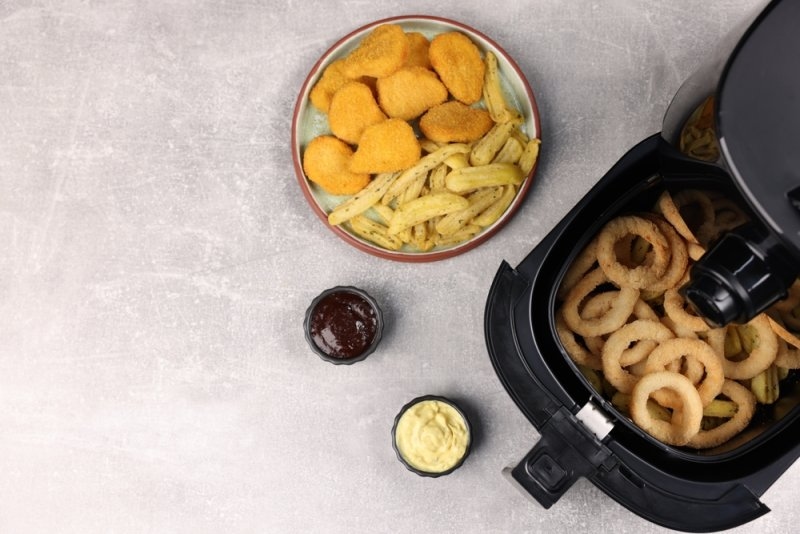
Key TakeawaysAir fryers offer a fast, energy-efficient way to cook crispy meals using significantly less oil than traditional deep frying.Prepping popular kid-friendly staples like chicken tenders and mozzarella sticks in an air fryer reduces cooking time while retaining essential moisture.Utilizing pre-cut vegetables in the air fryer creates appetizing, crunchy side dishes that encourage picky eaters to eat more produce.Compact air fryer baskets heat rapidly, eliminating long oven preheat times and making weeknight dinner prep seamless for busy parents.Teaching older children basic air fryer controls fosters cooking independence under safe, minimal-heat conditions.Finding the balance between delectable and nutritious meals for your kids can often be challenging. However, thanks to the marvel of air fryers, the world of culinary possibilities is right at your fingertips. Market research indicates that air fryer adoption in family households has grown by over 40% in recent years, largely driven by parents seeking ways to reduce cooking oil by up to 75% while keeping kids' favorite crispy textures intact. With the air fryer recipes, you can create mouthwatering, wholesome dishes that kids will love in no time. This comprehensive guide will explore the top 11 air fryer recipes for kids, focusing on quick and crispy creations that will surely be a hit at your family dinner table.11 Best Air Fryer Recipes for Kids Air fryer recipes are healthy, easy, and delicious for kids. Parents can make their kids try them or involve them in interactive cooking skills. Here are the best air fryer recipes:Air-Fried Chicken TendersAir-fried chicken tenders are a delightful transformation of the classic deep-fried favorite. A tasty, healthy, and mass-appealing option. Ingredients:ParmesanPanko breadcrumbsChicken breastGarlic powderPaprikaSaltEggs ButtermilkRecipe:To create these mouthwatering strips, start with high-quality chicken breast or tenderloin, cut into strips or nuggets for kid-sized portions. The secret to that irresistible crunch lies in the coating. For added flavor, consider using panko breadcrumbs mixed with a hint of grated Parmesan, seasoned with garlic powder, paprika, or cayenne for a little kick. A light coating of egg or buttermilk works wonders to bind it all together. Preheat your air fryer to about 400F (200C), and arrange the coated chicken pieces in a single layer in the basket. Tenders typically take around 12-15 minutes, while nuggets may require slightly less time. Don't forget to flip them halfway through for even cooking. Serve these crispy delights with a side of ketchup or a flavorful dip, and you'll have a kid-approved meal that's both scrumptious and guilt-free.Sweet Potato FriesSay goodbye to regular fries and say hello to sweet potato fries, a fantastic way to sneak in extra vitamins and nutrients into your child's diet. IngredientsSweet PotatoesOlive OilSaltRecipe:Begin by washing, peeling, and cutting sweet potatoes into long, thin strips, making sure they're as uniform in size as possible. Toss them gently in a drizzle of olive oil and a pinch of salt for seasoning. Preheat your air fryer to 375F (190C) and carefully arrange the sweet potato fries in a single layer so as not to overcrowd the basket. Cook for approximately 15-20 minutes, flipping them halfway through to achieve that delightful, even crispiness. These fries will surely please even the pickiest eaters and can be a lovely addition to your family's meal.Air-Fried Mini PizzaMaking mini pizzas is the best air fryer recipe and is a fun and creative way to engage your kids in the kitchen. This approach allows for easy customization so each family member can have their favorite toppings. IngredientsFlourCheesePepperoniSausageBell peppers or veggie of choiceMushroomsRecipeBegin with pre-made pizza dough or puff pastry for a speedy option. Roll out the dough and cut it into smaller circles or rectangles, letting your kids add their preferred toppings. Preheat your air fryer to 375F (190C) and arrange the mini pizzas in a single layer in the basket. Cook for about 6-8 minutes or until the crust is golden and the cheese is bubbling. Encourage your kids to experiment with various toppings, from pepperoni, sausage, bell peppers, and mushrooms to pineapple for a sweet twist. You can even create dessert pizzas by adding a layer of Nutella and sliced bananas.Crispy Zucchini FrittersConvincing children to eat their vegetables can be challenging, but crispy zucchini fritters offer a delightful solution. These cakes introduce vegetables into your child's diet, making for a tasty and wholesome treat.IngredientsZucchiniFlourEggsGreen OnionSaltRecipeBegin by grating zucchini and then squeeze out the excess water using a kitchen towel to prevent the cakes from becoming soggy. Mix the grated zucchini with flour, eggs, chopped green onions, and a pinch of salt. Preheat your air fryer to 375F (190C) and shape the zucchini mixture into small patties, placing them in a single layer in the basket. Cook for 12-15 minutes, turning them over halfway through to achieve that beautiful, golden crisp. You can get creative by adding grated carrots or sweet corn to the mixture for extra flavor and serving them with a dollop of Greek yogurt or a sprinkle of Parmesan cheese.Air-Fried Mac 'n' Cheese BitesMac 'n' cheese bites are a delightful way to turn leftover mac 'n' cheese into a fun snack or side dish. These cheesy delights are perfect as a snack or a side dish and make an excellent addition to lunchboxes.IngredientsMac and CheeseHam/BaconSaltRecipeBegin by rolling your leftover mac 'n' cheese into bite-sized balls, and consider mixing in some diced ham or bacon bits for added flavor. Coat each ball with breadcrumbs for that crispy exterior. Preheat your air fryer to 375F (190C) and arrange the mac 'n' cheese bites in the basket in a single layer. Cook for about 8-10 minutes or until golden and crispy. You can never go wrong with mac 'n' cheese!7. Air-Fried Fish SticksFish sticks are often a hit with kids, and the air fryer recipes for kids provide a healthier way to enjoy them. These fish sticks introduce kids to the goodness of seafood and make for an enjoyable meal.IngredientsCod or HaddockBread Crumbs/Cornflakes/PankoTartar sauceKetchupHerbsSpeciesLemonRecipeChoose a mild white fish like cod or haddock for a kid-friendly flavor. Cut the fish into strips or nuggets, depending on your preference. Coat the fish pieces in a light batter or breadcrumb mixture. For an extra crunch, you can use classic breadcrumbs or get creative with panko or cornflakes. Preheat your air fryer to 375F (190C) and place the coated fish sticks in a single layer in the basket. Cook for 10-12 minutes, turning them halfway through until they're crispy and golden.Serve them with a side of tartar sauce, ketchup, or a squeeze of lemon. Adding a dash of herbs and spices to the coating mixture adds flavor.8. Crispy Parmesan Asparagus FriesEncouraging children to eat their greens can be challenging, but crispy Parmesan asparagus fries can change their minds. These tasty fries are an excellent way to sneak some green goodness into your child's diet.IngredientsAsparagusParmesanBreadcrumbsLemon zestGarlicRecipeStart by trimming the tough ends off the asparagus spears, then coat them with a mixture of breadcrumbs and grated Parmesan. You can add a hint of garlic powder or lemon zest for an extra layer of flavor. Preheat your air fryer to 400F (200C) and arrange the coated asparagus spears in a single layer. Cook for about 8-10 minutes or until crispy and lightly browned. To enhance the flavor, serve them with a side of garlic aioli or a squeeze of lemon juice.9. Air-Fried Mozzarella SticksMozzarella sticks are a beloved treat; air-frying recipes for kids provide a healthier way to savor their cheesy goodness. These crispy, cheesy snacks are perfect for kids and adults alike.IngredientsMozzarella Cheese SticksEggsBreadcrumbsHoneyPesto Sauce/Marinara SauceRecipeTo make these, use part-skim mozzarella cheese to reduce the fat content. Cut the cheese into sticks and dip them in beaten egg, followed by a mixture of breadcrumbs. Preheat your air fryer to 390F (200C) and arrange the mozzarella sticks in a single layer. Cook for about 6-8 minutes or until they're golden and gooey inside.Serve them with marinara sauce, pesto, or even a drizzle of honey for a unique twist.10. Air-Fried Mini Corn DogsMini corn dogs are a crowd-pleaser at any age, making them a perfect treat for special occasions or a fun family meal. IngredientsSmall Hot Dogs/Coktail SausageKetchup/Mustard/HoneyRecipeBegin by choosing your favorite mini hot dogs or cocktail sausages and wrap them in a layer of cornbread batter. Use a store-bought mix or prepare your own for that homemade touch. Preheat your air fryer to 375F (190C) and arrange the mini corn dogs in a single layer. Cook for 10-12 minutes until golden brown and the cornbread is cooked through. Pair these delightful treats perfectly with ketchup, mustard, or a dipping sauce like honey mustard for a sweet and tangy contrast.11. Crispy Apple SlicesFor dessert, consider making crispy apple slices, as they are a healthy, delicious alternative to traditional sweets. These crispy apple slices make for a delightful, guilt-free dessert to satisfy those after-dinner cravings.IngredientsApplesCinnamonSuarGreek Yogurt/Vanilla Ice Cream/Caramel SauceRecipeBegin by slicing apples into thin rounds or rings. Toss them with a sprinkle of cinnamon and a pinch of sugar, which brings out the natural sweetness of the apples. Preheat your air fryer to 375F (190C) and arrange the apple slices in a single layer. Cook for about 8-10 minutes or until crispy and lightly caramelized. To add indulgence, serve them with a dollop of Greek yogurt, a scoop of vanilla ice cream, or a drizzle of caramel sauce.Try This: Healthy and Fun Recipes You Can Cook with Your KidsConclusionThe air fryer recipes for kids have transformed how we prepare meals, making it easier for parents to serve nutritious and delicious dishes that kids adore. In this guide, we've explored the top 10 air fryer recipes for kids, emphasizing their quick and crispy nature. Whether it's chicken tenders, sweet potato fries, mini pizzas, zucchini fritters, mac 'n' cheese bites, fish sticks, asparagus fries, mozzarella sticks, mini corn dogs, or crispy apple slices, the air fryer opens up a world of culinary possibilities. These recipes offer a healthier take on classic favorites, ensuring that mealtime is enjoyable and nutritious for the whole family.FAQsWhat is the Best Way to Reheat Kid-Friendly Meals in an Air Fryer Without Drying Them Out?Lightly spritz leftover food like pizza, chicken nuggets, or fries with a small mist of water or oil and reheat at 350°F for two to three minutes to restore crispiness without drying out the interior.Can You Use Standard Aluminum Foil or Parchment Paper in an Air Fryer When Cooking for Kids?Yes, but you should always use perforated parchment paper designed for air fryers or weigh down aluminum foil with food so it does not fly up into the heating element and create a fire hazard.How do You Convert Traditional Oven Cooking Times and Temperatures for Air Fryer Recipes?A reliable rule of thumb is to lower the traditional oven recipe temperature by 25°F and reduce the overall cooking time by roughly 20% to 20% to prevent overcooking.What are the Safest Air Fryer Basket Materials to Look for When Cooking for Young Children?Opt for air fryers featuring non-toxic, non-stick coatings that are free from harmful chemicals like PFOA, PFAS, and PTFE, or choose models with high-grade stainless steel or ceramic-coated baskets.Which Frozen Snacks Can Kids Safely Prepare Themselves in an Air Fryer Under Supervision?Simple items like frozen waffle fries, pre-cooked meatballs, veggie tots, and soft pretzel bites are ideal low-risk foods for older children to cook under adult supervision.

Stay in the Loop