Eating Right


What are the Top Seasonal Health Tips for Kids Around the Year?

Key TakeawaysAdapting children's daily hydration, clothing layers, and outdoor routines to match seasonal climate shifts helps shield them from environmental health risks.Emphasizing proper handwashing techniques during peak fall and winter illness seasons significantly reduces the spread of seasonal viruses.Adjusting daily skincare routines with thick moisturizers in winter and broad-spectrum sunscreen in summer maintains healthy skin barriers year-round.Aligning meal plans with seasonally available produce delivers peak vitamins and antioxidants that naturally strengthen young immune systems.Managing seasonal outdoor pollen exposure by washing hands and changing clothes after outdoor play mitigates childhood allergy symptoms.Parents must prioritize children's health, and with the change of seasons come new challenges and opportunities to ensure their well-being. The diversity of climates in the USA means that children face varying health risks throughout the year. Pediatric public health statistics reveal that seasonal weather changes contribute to an annual 30% surge in childhood respiratory illnesses and seasonal allergies, emphasizing the need for year-round preventive care strategies. Parents must adapt their strategies to meet these seasonal demands, from combating summer heatwaves to preparing for winter chills. By focusing on preventative measures and safety tips, you can help your child thrive no matter the weather. What is the General USA Kids' Health Across Different Seasons?The USA has different kinds of weather and seasons across the country. These health-related issues vary during this time, from humid hot summers in Florida to cold winters in Minnesota. Each season possesses its own health problems, which can inform proactive health care. During spring, flowering plants are in bloom and, in turn, release a huge amount of pollen into the air, leading sensitive children to develop allergic tendencies. The most common are sneezing, itchy eyes, and runny noses. It is also that time of year when youngsters are really eager to spend time outdoors despite the winter's cold. As a result, their exposure to allergens and outdoor injuries increases.Summer fun-filled days, which tend to stretch long, are filled with concerns like dehydration, heat stroke, and sunburn. While going to the beaches, parks, and swimming pools fascinates one, not following the necessary precautions just raises the level of accidents and waterborne diseases. Between the cold and the start of school, there is often an increase in respiratory illnesses during autumn. New germs abound in classrooms, unpredictable weather, and the immunity of a child is really tested, which, in turn, could lead to cases of severe seasonal flu.The air is dry and cold, which can trigger asthma symptoms. Frostbite and hypothermia are some of the risks when children play outside in snow without appropriate clothing. Even inside the house, where most heating systems dry the air, a shortage of humidity can lead to dry skin and nosebleeds.What are the Seasonal Health Tips for Kids?Here is the list of seasonal health tips kids can follow to stay active and fit:Hydration is KeyRegardless of the season, hydration plays a crucial role in maintaining a child's overall health. During summer, children sweat more due to outdoor activities, leading to a higher risk of dehydration. Providing them with plenty of water and electrolyte-rich drinks can help prevent heat-related illnesses. In winter, dehydration may not seem as obvious, but the dry indoor air can still sap moisture from their bodies. Encourage them to drink water regularly, even if they don't feel thirsty.Balanced Nutrition for Every SeasonA nutritious diet tailored to the season can significantly boost your child's immunity. In summer, offer hydrating fruits like watermelon, cucumbers, and oranges. These not only keep kids cool but also provide essential vitamins. In winter, root vegetables like carrots and sweet potatoes, along with citrus fruits rich in vitamin C, help ward off colds and boost energy levels. Seasonal eating ensures your child gets the freshest and most nutrient-dense foods available.Physical Activity Across SeasonsStaying active is essential for a child's growth and development. While summer encourages outdoor sports and swimming, winter can limit opportunities for physical activity. Indoor exercises like yoga, dance, or even household chores can keep kids moving during colder months. For snowy days, sledding or building a snowman can combine fun and fitness.Season-Appropriate ClothingDressing children in season-appropriate clothing can protect them from the elements. In summer, light, breathable fabrics prevent overheating, while hats and sunglasses shield them from harmful UV rays. During winter, layering is key. Start with moisture-wicking base layers, add insulating materials, and finish with a waterproof outer layer to keep them warm and dry.Routine Health CheckupsSeasonal changes can impact a child's immunity and overall health. Regular checkups with a pediatrician can help identify and address potential issues early. For instance, spring allergy tests or flu vaccinations in autumn can prepare your child for the challenges of the upcoming season.What are the Best Ways of Summer Safety for Children?Every parent wants to give proper health and nutrition to their kids. Here is how you can save your kids from extreme summer heat below:Sun ProtectionThe scorching summer rays can be quite bothersome for a child's tender skin. Use broad-spectrum sunscreen with SPF 30 above for children before going outside.Apply every two hours for children, again when swimming and after a sweat build-up. Along with sunscreen, one can offer some added barrier protection with a wide-brimmed hat and sunglasses with UV protection. Teach children to seek shelter from the sun during peak hours because such precautions can also help in reducing the risk of getting sunburns and skin damage later in life.Heat-Related Illness PreventionExcessive heat can drive a child in a dehydrated condition into heat exhaustion or perhaps even lead to heat stroke. Therefore, make it a point that the little ones are filled with water or any other electrolyte drinks throughout the day, especially when they are outdoors. Plan outdoor activities during the cool part of the day, such as early morning or late afternoon, with frequent breaks in the shade or indoors.Healthy Outdoor PlayWhile summer sets forth a plethora of options for exploration and play, parents really need to be quite vigilant about their child's environment. Verify parks and playgrounds for hot metal slides and sharp objects that can make even the most cautious child unsafe. Teach children to recognize unsafe areas and encourage the use of helmets and protective gear while taking part in biking or skating activities.Prevention of Bug BitesSummer brings a looming congestion of pests such as mosquitoes and ticks, which cause the worst diseases. Children must wear insect repellents that are safe for kids and long-sleeved shirts and pants during dusk and dawn to minimize their exposure to bites. Check their bodies immediately with their hands after playing outdoors if any ticks are seen.Water Safety FirstSwimming is a quintessential summer activity, but it comes with risks. Always supervise children near pools, lakes, or beaches. Teach them basic swimming skills and ensure they use flotation devices if needed.Enforce strict rules, such as no running around pool areas and always swimming with a buddy.What are the Best Methods for Winter Wellness?Here are the following:Clothing Essentials for the Winter SeasonClearly defining requirements regarding clothes for winter is a lesson very necessary when teaching kids about layering. A good first layer is a thermal base that wicks moisture away into an insulating layer made of either fleece or wool. Finally, a waterproof outer layer may help block snow and wind. Add to that all accessories like hats, gloves, and insulated footwear to fight frostbite.Enhancing ImmunityColds and flu are diseases most commonly contracted during the winter. When people spend time with one another indoors, the above diseases spread among children most readily. It is essential to boost immunity using a balanced diet that incorporates vitamins and minerals.Consume citrus fruits, leafy vegetables, and yogurt, and include some probiotics. Introduce vitamin D supplements to your child if they have limited exposure to the sun.Maintaining Good HygieneThere is a higher incidence of germs in winter. That is because so many people are confined indoors at that time of the year. Teach the children the importance of washing hands at all times, especially after sneezing and coughing as well as after using the toilet. Carry a sanitizer for those cases where soap and water are not nearby.Moisturizing the SkinCold air and heating in the house can make the skin of children dry. Use a mild moisturizer immediately after bath time, and encourage the use of lip balm to prevent chapping. Humidifiers help maintain moisture levels in the air, thus preventing dryness of skin and making breathing easier for kids who suffer from respiratory problems.Staying Active Indoors and OutdoorsEven in the cold, children need physical activity to stay healthy. Bundle them up for outdoor fun like sledding or building snow forts, but limit exposure during extreme weather. For indoor days, create fun activities like obstacle courses, dance parties, or family yoga sessions to keep them engaged.Must Try: A Parent's Guide For Understanding About Infant VaccinationsConclusionSeasonal changes bring a variety of challenges and opportunities for keeping kids healthy and safe. Whether it's protecting them from summer heat or ensuring their warmth in winter, a proactive approach can make all the difference. By prioritizing hydration, nutrition, appropriate clothing, and regular health checkups, parents can navigate the complexities of seasonal transitions with confidence.FAQsHow Can Parents Help Children Adjust Their Sleep Schedules During Daylight Saving Time Transitions?Parents can ease seasonal light shifts by adjusting bedtime and wake-up routines in 15-minute increments over the week leading up to the clock change while utilizing blackout curtains.What are the Most Effective Ways to Protect Children From Extreme Summer Heat Strain?Schedule intense outdoor activities during cooler early morning hours, enforce mandatory rest breaks in the shade, and offer electrolyte-rich foods alongside frequent water intake.How Does Winter Air Dryness Affect a Child's Upper Airways, and How Can it be Managed?Cold, dry winter air dries out delicate nasal passages and throat linings, making children more vulnerable to nosebleeds and infections, which parents can counteract using cool-mist humidifiers.What Strategies Prevent Seasonal Affective Changes in Kids During Darker Winter Months?Encouraging daily exposure to morning natural sunlight, maintaining regular physical movement indoors, and establishing consistent daily routines help boost mood-regulating neurotransmitters like serotonin.How Should Parents Handle Seasonal Pest Protection Safely for Young Children in the Spring?Apply EPA-registered insect repellents containing low concentrations of DEET or oil of lemon eucalyptus onto clothes rather than bare skin, and perform thorough tick checks after woodland outdoor play.

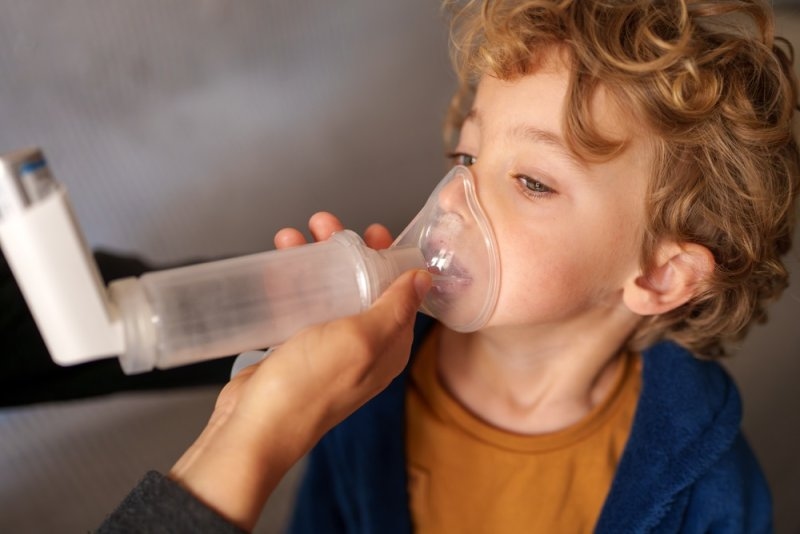
What are the Top 5 Tips for Parents to Control Childhood Asthma?

Key TakeawaysMaintaining a clean indoor environment by utilizing HEPA air purifiers and dust-mite-proof mattress covers helps minimize common household airway irritants.Ensuring your child uses a spacer with their daily controller or quick-relief inhaler maximizes medication delivery directly to the lower lungs.Incorporating anti-inflammatory whole foods like omega-3-rich fish and antioxidant-dense vegetables supports overall respiratory health and lung function.Creating a written Asthma Action Plan with your pediatrician empowers school nurses, teachers, and caregivers to handle early warning signs effectively.Pre-treating with prescribed bronchodilators before physical activity allows children with exercise-induced symptoms to participate safely in sports.Asthma is among the most common chronic conditions of children worldwide. Its distinguishing feature is inflammation and narrowing of the airways, making it hard for them to breathe efficiently. Epidemiological studies indicate that pediatric asthma accounts for millions of missed school days each year, yet consistent trigger management and adherence to daily preventive routines can reduce severe flare-ups by over 60%. Managing a child's asthma can truly overwhelm parents and, at times, pose great difficulty in their lives. However, understanding the disease and its triggers, as well as ways of controlling and preventing it, can lead to a healthier and more active life for their child.What is Childhood Asthma?Childhood asthma occurs when the lungs of children become inflamed, causing wheezing, coughing, and difficulty breathing repeatedly. The airways in children are much more sensitive and reactive than the airways in adults, causing them to swell and produce more mucus.Asthma usually sets in at rather early ages, ranging from mild to severe cases. Some children may 'grow out' of asthma, while most end up suffering from it even in adulthood. For some people, the symptoms may also get better or worse with time. Recognizing common triggers and creating an individual asthma management plan is essential.Learn More: Understanding Pediatric Obstructive Sleep Apnea in ChildrenWhy is Childhood Asthma Concerning?Asthma also may interfere with everyday activities like playing, sports, and school. Uncontrolled asthma may lead to frequent emergency department visits, absence from school, and psychosocial effects because of restrictions that can be associated with this illness. Yet, with appropriate management, children can enjoy full and active lifestyles like any other children. What are the causes of asthma in children?There can be numerous reasons for asthma among children, and here is the list below:AllergensAllergens are one of the main triggers of asthma in children, with many different types of allergens, like pollen, dust mites, molds, pet dander, and cockroach droppings. When a child is exposed to any of these materials, they irritate a child's airways and pose the risk of an asthma attack. At certain times of the year, asthma gets aggravated, with pollen levels reaching heights during certain months, like spring. Respiratory InfectionsCommon colds and other viruses, such as the flu, are the main causes of asthma attacks in children. Children are more prone to asthma, as their immunity has not properly developed. This is because airway inflammation from viral infections makes it much harder to breathe.Environmental Irritants Environmental irritants include exposure to cigarette smoke and air pollution, as well as chemicals in fumes and sometimes strong odors. The most important cause is exposure to secondhand smoke. Physical ExerciseThere are certain exercise and yoga poses that trigger the nasal area and stimulate it. Making it worse for children to breathe. Apart from this, kids can also experience asthma symptoms while playing in the park and performing any outdoor activity. Weather ChangesSudden changes in temperature or humidity act as triggers of asthmatic conditions. Cold, dry air is particularly bad for children with asthma, as it irritates the already sensitive airways, causing them to constrict.What are the asthma symptoms in children?The basic symptoms of asthma in children include the following:Shortness of BreathAsthma patients often find themselves breathless doing physical activities or at night. This may be defined as rapid, shallow breathing, which requires an immediate visit to the emergency room.Persistent CoughingsA chronic cough, which is worse at night or early morning, is one of the most common signs of asthma. It is usually non-productive and dry, but in some patients, it may present with some mucus.Chest TightnessThis leads to a feeling of tightness or pressure in the chest and becomes uncomfortable for a child to take a deep breath.FatigueOxygen intake restriction is usually accompanied by tiredness or fatigue. Children suffering from asthma often appear lazy and less motivated to participate in previously enjoyed physical activities.What are the ways to manage childhood asthma?Asthma is a difficult health issue to beat, but with regular implementation of the following, it can be managed:Create an Asthma Action PlanAn action plan for asthma is a plan that is documented and made together with your healthcare provider. The child's daily medication program will be included in this plan, along with what to do, when to do and when an asthma attack takes place, and when to seek emergency assistance. This plan will act like a roadmap for managing asthma effectively. Also, it becomes an essential tool for both parents and caregivers. Learn to Monitor SymptomsIt is very important to keep track of the symptoms to find out patterns or triggers. Parents could use a portable flow meter to assess their child's lung function. Monitoring on a regular basis leads to early warnings of the symptoms of an impending asthma attack, enabling timely intervention. Avoid Known TriggersTrigger identification and avoidance is one key principle of asthma management. For example, if pollen is found to be the trigger, then keeping windows closed during the high pollen period would be helpful. Other such actions, such as using hypoallergenic bedding and using air purifiers, would help in minimizing exposure to dust mite triggers of asthma. Educate the Child Teaching self-awareness to the young ones concerning their current asthma status would be best. It would include them knowing and distinguishing the physical symptoms, using inhalers, and identifying when they are feeling ill. Older kids could also be taught how to use a peak flow meter. Check-Ups at the Doctor's Office Routine visits to the healthcare provider ensure that the asthma management strategy is efficient and up to date. These visits also provide an opportunity to make necessary changes to a child's medication or strategy according to the child's changing needs.What are the treatments for asthma control?You can try the following for relief from asthma:Relief InhalersThey are commonly known as "rescue inhalers" and can relieve asthma attacks by relaxing airway muscles, thereby restoring normal breathing. Albuterol is the common medication in this inhaler.Controller MedicationsThese are used each day to help by inhaling corticosteroids to reduce airway inflammation and prevent asthma attacks. They are needed, especially with children with persistent asthma.Anti-allergiesIn case of triggering allergies, antihistamines would be given or immunotherapy (allergy shots). Over time, they help in losing their sensitivity to allergens.NebulizersIt mist-administers the medicine so that the medication reaches the lungs because children below four years do not blow the inhalers that well.BronchodilatorsThey maintain airways open for long periods, being combined mostly with corticosteroids for greater efficacy in treatment.What are the best ways to prevent pediatric asthma?Here they are listed below:Suspend all re-enrollment in a Cleansing Haven.Reducing airborne allergens can reduce the chances of asthmatic seizure episodes. Vacuum carpets regularly, wash bedding, use air purifiers, and have regular sessions to limit exposure to dust and other allergens within the house.Prevent Infections of the Respiratory SystemBecause respiratory infections set asthma symptoms in motion, it is very important to maintain proper hygiene practices: handwashing, timely vaccinations, and avoiding anyone sick from your child as much as possible.Control AllergensAllergen control is very important for children with asthma. Consider covering mattresses and pillows with hypoallergenic covers, keeping pets out of bedrooms, and sealing leaks to prevent mold growth.Avoid Smoke ExposureTo ward off asthma, secondhand smoke is an important concern. Make your home smoke-free and avoid exposing your child to places where people gather together to smoke.Encourage Healthy HabitsHealth promotes and strengthens the immune system and keeps the lungs healthy. A well-balanced diet rich in fruits, vegetables, and omega-3 fatty acids, moderate daily activity according to your child's limits, and well-rested sleep are major contributors.Conclusion It requires holistic approaches for childhood asthma management to understand the condition, avoid triggers, and use effective treatments. By implementing the strategy above, parents could do their part in making it possible for the children with asthma to lead a healthy, active life. Early intervention and consistent treatment can make a huge difference in the lives of children suffering from asthma. With the right arms and knowing the tactics to work with, parents would be solidly empowered to fight the thorn that is asthma and enable their children to prosper.FAQsHow Does Indoor Humidity Control Affect Asthma Triggers In A Child's Bedroom?Keeping indoor humidity levels between 30% and 50% prevents the proliferation of dust mites and mold spores, both of which are primary environmental causes of nocturnal asthma attacks.What are the safest cleaning products to use around children with sensitive airways?Parents should opt for fragrance-free, non-volatile green cleaners like diluted white vinegar, baking soda, or microfiber cloths, avoiding harsh aerosol sprays and heavily scented bleach products.Can Seasonal Flu and Viral Vaccines Help Prevent Asthma Exacerbations in Kids?Yes, respiratory viruses like the flu are major triggers for severe pediatric asthma flare-ups, making annual flu shots and up-to-date vaccinations a crucial line of defense.How Do Diaphragmatic Breathing Exercises Benefit a Child Managing Asthma?Practicing deep belly breathing and controlled exhalation strengthens the diaphragm, increases vital lung capacity, and helps children remain calm during mild respiratory distress.What is the Difference Between a Rescue Inhaler and a Controller Medication for Childhood Asthma?Rescue inhalers provide fast-acting, short-term relief by relaxing tightened airway muscles during acute symptoms, whereas daily controller medications work over time to reduce underlying airway inflammation and prevent attacks. 

Top 15 Quick and Healthy Travel Snacks for Kids on the Go

Key TakeawaysPacking a balanced mix of complex carbohydrates, lean proteins, and healthy fats keeps young travelers satiated for longer stretches between stops.Choosing naturally low-mess, non-crumbling ingredients protects car seats and plane trays from difficult-to-clean spills and sticky residue.Utilizing multi-compartment bento boxes or divided organizers gives children appealing food separation and a fun sense of mealtime independence.Pre-portioning perishable items in insulated bags with ice packs maintains safe food temperatures and guards against foodborne illness on the go.Including hydrating produce like cucumber sticks, sliced apples, and berries helps prevent mild dehydration during extended travel. Traveling with children will always be fun and challenging, mainly because you need to feed them and keep them happy constantly. As always, hunger could strike at any time and without any warning, so it is always good to ensure that you have a couple of traveling edibles in your system to help out. Transportation safety and family travel studies indicate that well-planned, mess-free travel snacks can reduce in-transit behavioral disruptions by up to 40% while preventing blood sugar crashes during long road trips or flights. The right types of edibles help prevent hunger during travel and bring a fun aspect to the trip.What do You Mean by Travel Snacks for Kids?When we say travel snacks for kids, we are not simply talking about food; we are talking about a means of controlling and easing the strain of traveling with children. Travel snacks, in general, are not like food because they are cumbersome, heavy, and messy to carry around. Be it a long car drive, airport layover, or a day trip with the kids, the right kind of treats can please your kids without interfering with your plans.The most critical factor about travel snacks is their use. They should be clean, have a long shelf life, and be attractive to children. This means no snacks that can cause spills or leave crumbs capable of soiling the children's clothes. It is better to choose small, wrapped, or hard-cased snacks. For instance, fresh fruits, whole-grain foods, healthy protein snacks, and balanced treats to make it sweet. Snacks are never a waste; rather, they help maintain children's well-being and contentment across countries.What is the Importance of Snacks for Trips?The success of any family vacation or outing, more particularly if a car is involved, is shaped by snacks. It is common for long-distance travel to result in too much time lapse or delay in meal schedules, and kids, being overactive with little tummies, cannot always hold it in. This is why staving off hunger or any low-energy crisis is virtually impossible without the availability of their favorite and convenient cache of food.Snacking has proven to be more than just eating for survival, especially in children, as food is viewed in the psychological aspect of fueling bodies or minds. Children on healthy snacks will get good, healthy energy, which will make them even more active and interactive during the journey. It also helps to stave off the hunger-caused irritability that many of us have experienced occasionally.Parents can also be helped by snacks when travelling, especially the young ones. In such cases, comforting food can be helpful in adverse circumstances since travel is usually full of strange and new sights. In addition, keeping different varieties of snacks can help the children adopt nutritious diets even when they are far from home. Snacks help to ease the tension during long waits or uninteresting parts of the trip, making what otherwise could be a very hard time quite fun. What are the Top 5 Healthy Travel Snacks for Kids?Here is the list of 5 top travel snacks parents can make for their kids along the travel journeys:Fruits in Their Natural StateFresh fruits are one of the most recommended kinds of healthy foods to eat while traveling. They are sweet, full of water, and contain vitamins and minerals that children require. Apple sticks, bananas, grapes, and berries are preferred. These fruits are also easily packed and eaten without causing too much mess. For instance, a light brushing of apple slices with lemon juice will help keep them fresh for some time. For convenience, grapes and berries can be cleaned and stored in a small plastic container.Vegetable Sticks with DipDipping sauces add excitement to vegetable sticks, and these healthy snacks can be carried to school or on picnics. Crunchy carrot sticks and cucumber or celery sticks are also yummy and very nutritious. To make them more flavorful, serve along with dips that children like, such as hummus, yogurt-based dressings, and guacamole. These are good snacking alternatives, as they also contain essential vitamins and fiber, while the crunch allows a nice break when traveling.Nut Butter PacketsThe emergence of prepared, single-serving nut butter packets helps to provide protein and serve as an excellent source of healthy fat in the kids' snacking regimen. They can be spread or used as a dip over whole grain crackers, rice cakes, or cut fruit for a quick nutritious snack. For the healthiest option available, try to find almond or peanut butter with no added sugars or preservatives.Trail MixKids enjoy Trail Mix because it is a snack that can be constructed and contains edible elements. You could also add nuts and seeds, dried fruits, and chocolate chips for a sweet-salty mix suitable for kids. Trail mix includes a good amount of protein, fiber, and antioxidants, making it a great healthy snack for kids and their mothers.Diced Cheese Combined with Whole Grain BiscuitsCubes of cheese and whole-grain crackers make for a nutritious food that has protein as well as carbohydrates as the main components of the food. The energy derived from this combination is sufficient, and hunger is appeased without a lot. Should you be time-constrained, they also have good microwaveable cheese sticks packed individually.Check This Out: Tips To Prevent And Manage Car Sickness Among ChildrenWhat are the 5 easiest snack ideas?Travel snacks might be a good option for kids and parents, but let's get practical. Making travel snacks at home, that too in bulk, is a tedious task. So, here we have brought some of the easy snack ideas you can take for your kids:Granola BarsTraveling with granola bars is almost inevitable because they are easy to carry, ready to eat, and full of energy-giving ingredients. Choose those with whole grains, nuts, and dry fruits, and stay away from overly sweet ones. Definitely, some are too fatty for quick satiation.Yogurt TubesYogurt in tubes can entertain children and is a good source of calcium and probiotics. Keep the tubes in the freezer before going on the trip so that they are handy and refreshing during the trip. The frozen yogurt also serves as an ice pack for some snacks kept in the bag.PopcornLight and airy, popcorn is the air-popped version of the ubiquitous snack. It is a whole grain, light, and easy-to-serve snack. Add a pinch of salt or grated cheese and enjoy the tastier version of the bland, boring 'healthy' snack. That is so much better than giving kids food that might not please their palate.Boiled EggsThese trendy sphere snacks are a great source of protein and are very easy to make, as they just take a few minutes. Just remove the shells and place them in a small container. Season them, and they will taste so good that they will be ideal for carrying while traveling. Adding just a little salt or pepper transforms them into a nutritious and very good filler snack.Rice Cakes with SpreadRice cakes are light and crunchy and can be a great addition to any recipe. To enjoy them, one can smear them with nut butter or cream cheese or spread a thin layer of jam over. Their size and weight make them appropriate for appreciating with travel bags.What are the 5 Best Kid-Friendly Snacks?Snacks that are widely loved by kids and are easy to curate and grab the attention of the kids, and they enjoy them for a long time. Thus, no fuss for the kids, and so for the parents. Here are some options you can try:Mini SandwichesYoung children are fond of small foods, so small sandwiches are highly recommended. Whole grain bread may be used, and basic fillers such as turkey, cheese, or jam and peanut butter may be used. Moreover, shaping them with cookie cutters can also boost their appeal.Fruit SkewersTurning food into skewers is quite interesting and tasty for kids. Poke the pieces of fruit like pineapples, melons, and berries into toothpicks or skewers for a delicious and healthy treat. These are also nice for getting them to eat fruit without making it boring.Cheese SticksCheese sticks that are individually wrapped are very dependable for making a mess-free and fast snack. They are rich in protein and calcium, so the introducer of this goods range has made them available for easy transportation.Homemade muffinsMake some muffins using healthy stuff such as bananas, oats, and blueberries before going on the journey. These hand-baked desserts are tasty, highly fibrous, and sweet thanks to their composition.Gummy Fruit SnacksIf your little one has a sweet tooth, go for organic gummy fruit snacks without hesitation that are made with real fruit juice. They are more advantageous than sweets and offer small vitamins and antioxidants.What are the Top 5 Portable Snacks for Kids?It is essential to carry travel snacks for kids, but more than that, it is even more essential to know which are the snacks that you can actually carry along the journey. Here is the list of portable travel snacks for kids below:Durable Snack PouchesSnack pouches have features that make them ideal for ingredients such as applesauce, smoothies, yogurt, etc., since they may be squeezed or sucked out. They are easy to tuck away, are re-closable, and are mess-free, which makes them a great option for toddlers.Dry CerealSnack options like Cheerios, sweet oatmeal cereal with honey, or other whole-grain cereals have low sugar and high fiber bound to their whole makeup within the grains themselves. A small container or Ziploc bag is convenient to use whenever one needs something that's packed easily and ready to be used in less time.Pre-Packaged Veggie ChipsSome of these chips are designed to imitate sweet potatoes, while others are made of kale. These veggie chips are stuffed with goodness and crunch and are suitable as a replacement for potato chips. They are much healthier and are sold in single servings for ease.Mini PretzelsMini pretzels are a straightforward yet enjoyable snack that can be easily carried and consumed. They are highly portable, delicious, and travel-friendly for kids.Energy BallsEnergy balls contain oatmeal, nut butter, honey, and an optional variety of ingredients like chocolate or dried fruit, making them healthy and lightweight. They are also nice to make ahead of time and ready for child-sized hands.Also Read: Keep Your Child Entertained On Flights With These Fun ThingsConclusionMeal management for minor children traveling is an additional factor that may be painstakingly looked into, though the benefits are trips where children are relatively happy and healthy. You choose healthy, simple, and quick-to-make, packed options so that you can take care of your children during the journey. Whether fresh fruits, homemade snacks, or bought snacks, having the right kind of food for the trip makes it a straightforward and enjoyable trip.FAQsHow Can Parents Safely Pack Dairy Products For Long Road Trips Without A Refrigerator?Parents should pack dairy items like cheese sticks or yogurt pouches in a hard-sided insulated cooler bag lined with frozen gel packs, ensuring temperatures remain below 40°F until consumption.What Are The Best Travel Snack Options For Children Who Get Motion Sickness Easily?Bland, dry, complex-carbohydrate options such as plain whole-grain crackers, pretzels, dry oat cereals, and ginger-infused biscuits help settle delicate stomach linings without triggering nausea.How Do TSA Rules Impact Packing Liquid or Gel-Based Kids' Snacks for Airplane Flights?TSA guidelines allow parents traveling with young children to carry reasonable quantities of liquids, juices, applesauce pouches, and baby food exceeding the standard 3.4-ounce limit, provided they are declared for separate screening at security.What Are Safe Nut-Free Protein Snacks To Pack For Flights With Severe Allergy Restrictions?High-protein, nut-free options include roasted chickpeas, sunflower seed butter packets, pumpkin seeds, string cheese, hard-boiled eggs, and turkey meat sticks.How Can Portioning Snacks In Advance Prevent Overeating And Meltdowns During Travel?Pre-sorting snacks into individual daily containers prevents continuous mindless grazing, controls sugar intake spikes, and establishes predictable routine intervals for rest stops and meal breaks. 

What is the Best Milk for Kids, and How to Pick the Right One?

Key TakeawaysSelecting the right milk for growing children ensures they receive critical essential fatty acids, protein, and bone-building nutrients tailored to their age.Whole cow's milk provides essential fats needed to support rapid brain and nervous system development in toddlers between one and two years old.Fortified plant-based milks like soy or pea milk serve as suitable allergen-friendly alternatives that match the high protein content of dairy milk.Choosing unsweetened milk varieties prevents children from consuming unnecessary added sugars while helping build a preference for natural flavors.Consulting a pediatrician before transitioning young children off breast milk or formula helps identify potential dietary gaps early.Milk has long been a cornerstone of a balanced diet, especially for children. It's a vital source of essential nutrients that support a child's growth and development. Pediatric health research indicates that milk and fortified dairy alternatives supply up to 70% of the daily calcium and 80% of the vitamin D needed for healthy bone development during childhood growth spurts. However, with an ever-expanding array of milk options available today, from traditional cow's milk to various plant-based alternatives, parents may find it increasingly challenging to select the right type of milk for their children.Overview of Milk for KidsMilk is often one of the first foods introduced to children after weaning, providing a rich source of nutrients such as calcium, protein, vitamins, and fats that are crucial for overall health. While cow's milk has been the traditional choice for many generations, dietary restrictions, allergies, and lifestyle choices have led to a broader range of milk options on the market. Each type has a unique nutritional profile and benefits, from goat's milk to plant-based alternatives like soy, almond, and oat milk. What is the Importance of Milk in a Child's Diet?Milk is a crucial element for a kid's physical and overall growth. It provides calcium, vitamins, and various other nutrients. Here are the more important reasons for its inclusion in kids' diets:Bone HealthCalcium and vitamin D are two of the most critical nutrients in milk, essential for building strong bones and teeth. During childhood and adolescence, when bones are growing and developing rapidly, adequate calcium intake is crucial for reaching peak bone mass and reducing the risk of fractures. Vitamin D enhances calcium absorption, making it a powerful combination for promoting bone health.Muscle DevelopmentMilk is an excellent source of high-quality protein for muscle growth and repair. Proteins are made up of amino acids, the building blocks of muscles. Children are often very active, whether in sports or play, and they require sufficient protein to support their muscle development and to repair any muscle tissue that may be broken down during physical activity.Energy SupplyMilk provides a good energy source, mainly through its carbohydrate content in lactose. This energy is vital for children to sustain their activity levels throughout the day, especially in their formative years of learning, playing, and growing.Brain DevelopmentThe fats in whole milk, especially in the early years, are critical for brain development. The human brain is nearly 60% fat, and during the early years of life, the brain grows rapidly, making dietary fat a necessary component of brain development. Omega-3 and omega-6 fatty acids, often found in milk, are essential for cognitive function and overall brain health.HydrationMilk is approximately 87% water, making it a hydrating beverage. It provides essential nutrients and helps keep children hydrated, especially during summer or after vigorous physical activities.Factors When Choosing the Best Milk for KidsNutritional ContentThe nutritional content of milk is the most crucial factor to consider. Ensure your milk provides essential nutrients such as calcium, vitamin D, protein, and healthy fats. Some milk alternatives, especially plant-based milks, may naturally lack certain nutrients in cow's milk, so checking for fortified options is essential. For example, fortified plant-based pints of milk may have added calcium and vitamin D to match the nutritional profile of cow's milk.How Should You Pick the Right Milk for Your Kid?It involves various criteria to follow, like the ones mentioned below:Allergies and IntolerancesFood allergies and intolerances are becoming increasingly common in children. If your child has a known allergy to cow's milk protein or lactose intolerance, you must consider alternative options. The options can include sources like lactose-free, goat's, or plant-based milk like almond, soy, or oat milk. It's important to note that some children allergic to cow's milk protein may also react to goat's milk due to the similar protein structures, so consulting with a healthcare provider is essential.Taste PreferencesChildren are more likely to consume milk that they find palatable. The taste of milk can vary significantly between different types, and flavor variations can occur even within the same category. Some plant-based milks have a naturally sweeter taste, while others may have a more earthy or nutty flavor. Introducing small samples of different types of milk can help you determine which one your child prefers, increasing the likelihood that they will drink it regularly.Age AppropriatenessDifferent age groups have different nutritional requirements, which should guide your choice of milk. Infants and toddlers need higher fat content for brain development, making whole milk a better option. As children grow older and their dietary needs evolve, lower-fat options such as 2% or skim milk may be more appropriate, especially if they get sufficient fats from other nutritional sources.Dietary RestrictionsDietary restrictions can be due to personal, cultural, or religious reasons. Some families may follow a vegan diet and thus opt for plant-based milks. Others may have religious dietary laws that influence their choice of milk. Choosing milk that aligns with your family's nutritional practices is essential while ensuring that your child still receives the necessary nutrients.Learn More: Delicious and Healthy Smoothie Recipes for Kids with a Peanut Butter TwistWhat are the Nutritional Needs of Milk for Children?Children's nutritional needs vary significantly depending on age, activity level, and overall health status. For the first year of life, infants require breast milk or formula as their primary source of nutrition. After the first year, whole milk is often introduced to provide the necessary fats for brain development. As children grow older, their protein and energy needs increase, making milk an essential part of a balanced diet.For toddlers (1-3 years old), whole milk is recommended due to its higher fat content, which is essential for brain development. Preschoolers (4-5 years old) may transition to lower-fat milk options, such as 2% or 1%, as they consume a more varied diet. School-aged children (6 years and up) can usually drink skim or low-fat milk, especially if they get sufficient dietary fats from other sources.Essential Reads: Easy Homemade Cereal Bars for Kids: A Step-by-Step Guide What are the Different Types of Milk for Children?Kids and people with issues with the primary source of milk can try a variety of options available today in the market. There are plenty of options to choose from with specific nutritional value, and they areCow's MilkCow's milk is the most common type consumed worldwide and is rich in essential nutrients like calcium, vitamin D, and protein. It comes in various fat levels, including whole, 2%, 1%, and skim milk, making it easy to find an option that suits your child's nutritional needs.Whole MilkRecommended for toddlers because of its high-fat content, which supports brain development. Whole milk is also a good source of vitamin D, which is necessary for calcium absorption and bone health.Reduced-fat milk This option suits children as they grow older and their dietary fat needs decrease. It provides the same essential nutrients as whole milk but with less fat. It has around 1% or 2% fat in the milk.Skim MilkIdeal for older children who get sufficient dietary fats from other sources. Skim milk provides the necessary calcium and protein without the added fat, making it a good choice for children who need to manage their calorie intake.Lactose-Free MilkLactose-free milk is a good option for children who are lactose intolerant. This milk is treated with lactase, an enzyme that breaks down lactose, making it easier to digest. Lactose-free milk retains all the nutritional benefits of regular cow's milk, including calcium, vitamin D, and protein.Goat's MilkGoat's milk is a popular alternative to cow's milk and has a slightly different nutritional profile. It contains slightly less lactose than cow's milk and is often easier to digest for some children. Goat's milk is rich in calcium and has a unique protein structure that some find less allergenic than cow's milk.What Are the Various Kinds of Plant-Based Milks Available Today?Plant-based milks are derived from various plant sources, including soy, almond, coconut, oat, and rice. These milks are typically fortified with essential nutrients like calcium, vitamin D, and vitamin B12 to match the nutritional content of cow's milk.Soy Milk: Soy milk is the most nutritionally comparable to cow's milk. It offers a similar amount of protein and is often fortified with calcium and vitamin D. It is a popular choice for children with dairy allergies or lactose intolerance.Almond Milk:Almond milk is lower in calories and protein than cow's milk but is often fortified with calcium and vitamin D. It has a slightly nutty flavor that some children enjoy.Oat Milk: Oat milk has a creamy texture and is higher in carbohydrates than other plant-based milk. It is often fortified with essential nutrients and is a good option for children allergic to dairy and nuts.Rice Milk: Rice milk is the least likely to cause allergies, making it a good choice for children with multiple food allergies. However, it is lower in protein and should be fortified to meet nutritional needs.Coconut Milk: It has a distinct flavor and is higher in fat, making it a good option for children who need additional dietary fats. However, it is low in protein and should be part of a balanced diet with other protein sources.Must Try: Make Snack Time Fun with This Kid-Friendly Crack Corn DipConclusionChoosing the best milk for your child involves considering their age, health needs, taste preferences, and dietary restrictions. While cow's milk remains popular due to its rich nutritional profile, many alternatives can meet your child's needs. Whether you opt for a lactose-free, goat's, or plant-based option, ensure that the milk is fortified with essential nutrients to support your child's growth and development.FAQsWhat is the Recommended Daily Amount of Milk for Children Aged One to Three Years Old?Toddlers between one and three years old generally need two 8-ounce servings or roughly 16 to 24 ounces of whole dairy or fortified plant milk daily to meet their nutritional targets.Can Consuming Too Much Milk Lead to Iron-Deficiency Anemia in Young Toddlers?Excessive milk consumption exceeding 24 ounces a day can fill up small stomachs and crowd out iron-rich solid foods, while large amounts of calcium can also inhibit dietary iron absorption.What are the Main Differences Between Whole Milk and Reduced-Fat Milk for a Two-Year-Old?Whole milk contains roughly 3.25% milk fat needed for toddlers' early brain development, whereas reduced-fat 2% or 1% milk lowers total calorie and fat intake for older children over two years old.How Do You Determine If a Plant-Based Milk is Adequately Fortified for Kids?Check the nutrition label to ensure the beverage contains at least 300 milligrams of calcium and 100 to 150 International Units of Vitamin D per 8-ounce cup to match dairy standards.Is Goat Milk a Safe and Suitable Alternative for Children With Cow's Milk Protein Allergies?Goat milk protein structure is very similar to cow's milk, meaning children with a diagnosed cow's milk protein allergy will often react to goat milk as well and require specialized hypoallergenic options. 

How to Make a Fluffy and Delicious Vegetable Frittata at Home?

Key TakeawaysWhisking full-fat dairy milk or cottage cheese into whole eggs incorporates tiny air pockets that create a light, pillowy frittata texture.Pre-cooking watery vegetables like spinach, mushrooms, and zucchini prevents excess moisture from making the egg base soggy or dense.Baking the frittata at a gentle temperature in an oven-safe skillet ensures uniform cooking without scorching the delicate bottom layer.Sneaking finely diced or shredded colorful vegetables into the egg mixture offers a seamless way to boost fiber intake for picky eaters.Preparing a large vegetable frittata ahead of time provides a convenient reheat-and-serve breakfast option for busy weekday mornings.Frittatas are incredibly versatile and can be made with various ingredients, including vegetables, meats, and cheeses. They can be served hot or at room temperature, making them a great entertaining or meal prep option. Plus, they're an excellent way to use up leftover vegetables or other ingredients you have on hand. Nutritional analysis shows that incorporating protein-rich egg dishes like frittatas into a child's morning routine can increase overall satiety by over 30% compared to high-carbohydrate cereals, helping stabilize energy and focus throughout the school day. Vegetable frittatas are a versatile and satisfying dish that can be enjoyed at any meal. Whether you're looking for a hearty breakfast, a light lunch, or a simple dinner, a frittata offers the perfect balance of protein, vegetables, and flavor.What is a Frittata?A frittata is an Italian egg-based dish often compared to an omelet but with a few key differences. Unlike an omelet, which is usually cooked quickly on the stovetop and folded around fillings, a frittata is cooked more slowly and is often finished in the oven. This cooking method allows the eggs to remain light and fluffy and the fillings to be evenly distributed throughout the dish. The result is a thick, hearty meal that is easy to slice and serve.Learn More: Vegetable Recipes for Kids: 10 Creative Ways to Get Your Child to Eat VeggiesIngredients Used in Frittata with Roasted VegetablesHere is the list of their purpose in the fluffy vegetable frittata:EggsEggs are the foundation of any frittata; they provide the structure and protein for the dish. You'll need about eight large eggs for a standard 10-12-inch skillet. The eggs should be well-beaten to ensure they're fully incorporated and will cook evenly.Milk or CreamAdding a bit of milk or cream to the eggs helps create a creamier, fluffier texture. You don't need much-about ¼ cup will do. Whole milk or heavy cream will give you the wealthiest result, but you can also use a lighter option like half-and-half or non-dairy milk.Roasted VegetablesVegetables are the star of this dish, adding flavor, texture, and nutrition. You can use just about any vegetable you like, but some popular choices include bell peppers, onions, spinach, zucchini, and tomatoes. Roasting the vegetables beforehand brings out their natural sweetness and ensures they're fully cooked before being added to the frittata.CheeseCheese adds richness and flavor to the frittata. Feta, mozzarella, cheddar, or Parmesan are all excellent choices. The cheese can be mixed into the egg mixture or sprinkled on top before baking for a golden, bubbly crust.Herbs and SpicesFresh herbs like parsley, basil, or chives can add freshness to your frittata. Seasonings like salt, pepper, garlic powder, and even a pinch of nutmeg or smoked paprika can enhance the overall flavor.Olive Oil or ButterYou'll need a bit of fat to sauté the vegetables and to ensure the frittata doesn't stick to the skillet. Olive oil adds a fruity flavor that complements the vegetables, while butter gives a richer, more indulgent taste.Kitchen Tools Needed in Making Easy Vegetable FrittataMixing Bowls: You'll need two bowls, one for whisking the eggs and another for tossing the vegetables and cheese.Whisk or Fork: A whisk is ideal for beating the eggs, as it helps to incorporate air and ensures a smooth, even mixture. If you don't have a whisk, a fork will do in a pinch.Oven-Safe Skillet: An oven-safe skillet is the most crucial tool for making a frittata. A non-stick or well-seasoned cast-iron skillet is ideal, as it will prevent the eggs from sticking and ensure even cooking. A 10-12 inch skillet is perfect for an 8-egg frittata.Spatula: A silicone or rubber spatula is great for stirring the vegetables and smoothing the egg mixture in the skillet.Knife and Cutting Board: You'll need a sharp knife and a sturdy cutting board to chop the vegetables.Measuring Cups and Spoons: Accurate measurements are essential for achieving the right balance of ingredients, so it's helpful to have measuring cups and spoons on hand.Oven Mitts: Since the skillet will be transferred from the stovetop to the oven, please ensure you have oven mitts or a thick towel to protect your hands from the heat.Must Try: Easy and Delicious Avocado Toast Recipes for KidsPrepare a Recipe for Frittata with VegetablesHere is how you should proceed for making the ultimate veggie frittata:Preheat Your OvenPreheat your oven to 375°F (190°C). This ensures the oven is hot enough to cook the frittata and give it a golden-brown top.Prepare the VegetablesIf your vegetables aren't already roasted, chop them into bite-sized pieces. Toss them in olive oil, season with salt and pepper, and spread them on a baking sheet.Roast the vegetables in the oven for about 20 minutes or until tender and slightly caramelized. Roasting the vegetables before adding them to the frittata enhances their flavor and prevents them from releasing too much moisture during cooking, which could make the frittata soggy.Whisk the EggsCrack the eggs into a large mixing bowl while roasting vegetables. Add the milk or cream, and whisk the mixture until it's well combined and slightly frothy.This step is crucial for incorporating air into the eggs, which will help to make the frittata light and fluffy.Cook the VegetablesOnce the vegetables are roasted, heat a tablespoon of olive oil or butter in your oven-safe skillet over medium heat. Add the roasted vegetables to the skillet and cook for a few minutes to heat them through. If you add additional ingredients like garlic, onions, or spinach, sauté them until they're soft and fragrant before adding the roasted vegetables.Add the Egg Mixture.Pour the egg mixture over the vegetables in the skillet. Use a spatula to stir the mixture and gently distribute the vegetables evenly. Cook the frittata on the stovetop over medium-low heat until the edges start to set, about 5-7 minutes. The center should still be slightly runny, as it will finish cooking in the oven.Add the Cheese.Sprinkle your chosen cheese over the top of the frittata. The cheese will melt, creating a delicious golden crust as the frittata bakes. If you prefer a more integrated cheesy flavor, mix some cheese into the egg mixture before adding it to the skillet.Bake the FrittataTransfer the skillet to the preheated oven and bake for 10-15 minutes until the frittata is fully set and slightly golden. You can test for doneness by gently pressing on the center of the frittata-if it feels firm and no liquid egg mixture seeps out, it's ready. Be careful not to overbake the frittata, as this can cause it to become dry and tough.ServeAllow the frittata to cool slightly before slicing. This will make it easier to cut and help the flavors to meld together. Serve the frittata warm or at room temperature, straight from the skillet, or transfer to a serving plate.Making Vegetable Frittata Recipes Presentable Here is how you can elevate your already-made veggie frittata even more exceptionally:Use Fresh, Vibrant VegetablesThe visual appeal of your frittata starts with the ingredients you choose. Fresh, vibrant vegetables not only taste better but also look more appealing. Choose vegetables with bright colors, such as red bell peppers, green spinach, and yellow zucchini, to create a visually stunning dish.Top with Fresh HerbsGarnishing your frittata with fresh herbs is an easy way to add color and freshness. Sprinkle chopped parsley, basil, or chives over the frittata before serving. The herbs enhance the flavor and make the dish look more elegant and delicious.Slice CleanlyWhen serving the frittata, slice it into even wedges with a sharp knife. Clean the knife between cuts to ensure each slice looks neat. If you're serving the frittata directly from the skillet, consider wiping the edges of the skillet with a damp cloth to remove any drips or spills.Serve in the SkilletPresenting the frittata in the skillet it was cooked in gives it a rustic, homey feel. If you're using a cast-iron skillet, this can also help to keep the frittata warm while serving.Place a trivet or heatproof mat under the skillet to protect your table.Add a Side SaladServing the frittata with a simple side salad adds color and contrast to the plate. A mix of greens with a light vinaigrette or a tomato and cucumber salad pairs perfectly with the richness of the frittata and makes for a well-rounded meal.Also Read: How to Make Veggie Nuggets for Kids: A Step-By-Step RecipeConclusionA fluffy vegetable frittata is more than just a meal; it's a culinary canvas that allows you to express your creativity and enjoy a wholesome, satisfying dish. With its endless variations and simple preparation, the frittata will become a staple in your home cooking repertoire. So gather your ingredients, heat your skillet, and get ready to enjoy the deliciousness of a homemade vegetable frittata!FAQsWhat is the Ideal Ratio of Dairy to Eggs for Achieving a Light Frittata Texture?A dependable guideline for maximum fluffiness is using roughly one to two tablespoons of dairy milk, heavy cream, or full-fat yogurt for every whole egg whisked into the batter.How Can You Tell When a Vegetable Frittata is Fully Cooked Without Overcooking the Eggs?The frittata is finished when the center is just set with a slight jiggle, reaching an internal temperature of 160°F before resting off the heat source.Can You Bake a Vegetable Frittata in Silicone Muffin Tins for Easy Kid-Sized Portions?Yes, pouring the egg and vegetable mixture into muffin cups creates perfectly portioned mini frittata bites that bake quickly and work well for lunchboxes.What are the Best Dairy-Free Substitutes to Keep Frittatas Fluffy for Sensitive Toddlers?Unsweetened almond milk, oat milk, or canned full-fat coconut milk combined with a pinch of baking powder will create a similar airy lift without dairy.How Long Does Leftover Vegetable Frittata Last in the Fridge, and How Should It Be Reheated?Leftover frittata slices keep in an airtight container for up to four days and are best reheated gently in a toaster oven or skillet over low heat to maintain texture.

What are the Kid-Friendly Halloween Food Recipes?

Key TakeawaysTransforming everyday dinner staples like pizzas, hot dogs, and stuffed peppers into spooky shapes makes healthy holiday eating exciting for children.Utilising natural red ingredients like marinara sauce or strawberry puree creates dramatic blood-like effects without resorting to artificial food dyes.Incorporating simple knife techniques turns standard fruits and vegetables into ghosts, jack-o'-lanterns, and monsters with minimal prep time.Preparing savoury Halloween dishes before neighbourhood trick-or-treating helps establish a solid meal baseline that prevents excessive sugar crashes.Involving children in assembling themed food creations boosts their kitchen creativity and encourages picky eaters to try festive new dishes.Halloween is just around the corner, and that means it's time to start planning for the spookiest holiday of the year. If you're hosting a Halloween party for kids, one of the most important things to consider is what to serve. Consumer research indicates that over 70% of parents prefer preparing themed, homemade Halloween meals to balance out trick-or-treating candy overindulgence with nutritious, child-friendly ingredients. But don't worry, we've got you covered with these simple and delicious kid-friendly Halloween food recipes that are sure to impress even the pickiest of little eaters.Top 10 Halloween Recipes Here they are:Section 1: Spooky Spider Deviled EggsKicking off our list of kid-friendly Halloween food recipes is a classic party dish with a spooky twist: Spooky Spider Deviled Eggs. These creepy crawly treats are easy to make and are sure to add a fun and festive touch to your Halloween party spread. Simply hard-boil some eggs, cut them in half, and fill them with a creamy deviled egg mixture. Then, use slices of olives to create the spider legs and eyes. Your little ghouls and goblins will love these deliciously creepy snacks!Section 2: Mummy Hot DogsNext up on our list of Halloween-themed food recipes are Mummy Hot Dogs. These adorable and tasty treats are perfect for a kid-friendly Halloween party. Simply wrap strips of puff pastry around a hot dog to create the mummy's bandages, leaving a gap for the face. Bake until golden brown, then add mustard or ketchup for the mummy's eyes. These mummified hot dogs are sure to be a hit with kids of all ages!Section 3: Witch Hat CookiesNo Halloween party is complete without some spooky sweets, and these Witch Hat Cookies are the perfect treat to satisfy any sweet tooth. To make these adorable cookies, simply top a chocolate cookie with a Hershey's Kiss and add a dab of icing to create the witch's hat. These cute and delicious cookies are a fun and festive addition to any Halloween party spread.Section 4: Monster Rice Krispie TreatsFor a fun and simple Halloween-themed dessert, look no further than Monster Rice Krispie Treats. These colourful and festive treats are easy to make and are sure to be a hit with kids of all ages. Simply make a batch of regular Rice Krispie treats, add some food colouring to create different colours, and use cookie cutters to cut out fun shapes like ghosts, pumpkins, and bats. Your little monsters will love these deliciously spooky treats!Section 5: Jack-O-Lantern Stuffed PeppersFor a healthier Halloween party option, try serving up some Jack-O-Lantern-stuffed peppers. These festive and nutritious treats are a fun twist on traditional stuffed peppers and are sure to be a hit with kids and parents alike. Simply carve a face into an orange bell pepper, fill it with your favourite stuffed pepper mixture, and bake until tender. These adorable Jack-O-Lantern-stuffed peppers are a fun and festive addition to any Halloween party menu.Section 6: Candy Corn Fruit ParfaitsFor a colourful and refreshing Halloween treat, try making Candy Corn Fruit Parfaits. These layered fruit parfaits are a fun and healthy alternative to traditional Halloween sweets. Simply layer orange slices, pineapple chunks, and whipped cream in a clear glass to create the iconic candy corn colours. Your little trick-or-treaters will love these festive and delicious fruit parfaits!Section 7: Pumpkin Cheese BallAdd some savoury goodness to your Halloween party spread with a pumpkin cheese ball. This festive and delicious appetiser is perfect for snacking on while the kids are trick-or-treating. Simply mix cream cheese, shredded cheddar, and seasonings together, shape it into a pumpkin, and coat it in crushed nuts or herbs. Serve with crackers or vegetables for a spooky and scrumptious Halloween treat.Section 8: Witch's Brew PunchNo Halloween party is complete without a spooky beverage, and this Witch's Brew Punch is sure to impress your little witches and wizards. Simply mix together pineapple juice, ginger ale, and green food colouring to create a bubbling and delicious punch that is perfect for Halloween. Add some gummy worms or eyeball-shaped ice cubes for an extra creepy touch. Your little party guests will love sipping on this fun and festive Witch's Brew Punch.Section 9: Frankenstein GuacamoleFor a fun and festive twist on a classic party dip, try serving up some Frankenstein guacamole at your Halloween party. Simply make your favourite guacamole recipe, then use black olives, cherry tomatoes, and tortilla chips to create the iconic Frankenstein face on top. This delicious and creative dip is sure to be a hit with kids and adults alike at your Halloween party.Section 10: Monster Eyeball Cake PopsFor a show-stopping Halloween dessert that is as cute as it is delicious, try making Monster Eyeball Cake Pops. These adorable and spooky treats are perfect for serving at a Halloween party or giving out as party favours. Simply make cake pops using your favourite cake recipe, dip them in candy melts, and add a candy eyeball on top. Your little monsters will love these sweet and spooky Monster Eyeball Cake Pops.Must Try: Drop the Sugary Drinks NowConclusionGet ready to host a spooktacular Halloween party with these fun and easy kid-friendly Halloween food recipes that are sure to impress even the pickiest of little eaters. From spooky snacks to creepy desserts, there's something for every little ghoul and goblin to enjoy at your next Halloween bash. So put on your costume, turn up the spooky music, and get ready for a fang-tastic feast that will have everyone howling with delight! Happy Halloween!FAQsWhat Are The Best Natural Food Dyes For Creating Spooky Halloween Colours?You can achieve vivid colours naturally by using spinach powder for vibrant green, beet juice or raspberry reduction for deep red, activated charcoal or black sesame paste for dark accents, and turmeric for bright orange tones.How Can Parents Make Savoury Halloween Dishes Ahead of Time for Busy Party Nights?Prepare items like mummy meatballs, ghost-shaped mini pizzas, or pumpkin-shaped cheese balls a day early and keep them refrigerated on baking sheets so they are ready to bake or serve right before guests arrive.What Are Some Fun Allergy-Friendly Halloween Food Ideas For School Parties?Great allergen-free party options include mandarin oranges decorated like jack-o'-lanterns using edible markers, rice crispy treats shaped like ghosts, and guacamole dip served inside carved bell pepper monsters.How Do You Keep Fruit-Based Halloween Snacks Fresh On A Party Buffet Table?Toss sliced light fruits like apples or bananas in a mixture of lemon juice and cold water to prevent browning, and place fruit platters over chilled ice trays to maintain crispness throughout the event.What Is The Safest Way To Serve Warm Spooky Soups To Young Children At A Halloween Feast?Serve warm pumpkin or tomato soups in sturdy, heat-resistant cups at a safe lukewarm temperature, allowing kids to draw floating spider webs on top using sour cream or Greek yoghurt squeezes. 

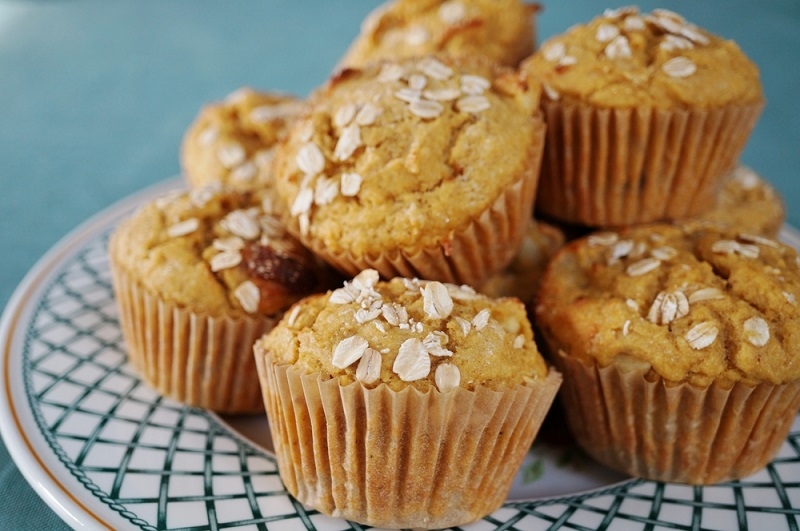
What are the Best Pumpkin Oatmeal Muffin Recipes for Kids?

Key TakeawaysCombining rolled oats with canned pumpkin puree delivers a nutrient-dense breakfast option rich in vitamin A, dietary fibre, and essential minerals.Utilising natural sweeteners like pure maple syrup or honey keeps refined sugar levels low while providing a tender, child-approved sweetness.Prepping a double batch of pumpkin oatmeal muffins provides a convenient grab-and-go option for busy school morning routines.Substituting whole wheat flour or certified gluten-free oat flour creates a customisable snack suitable for children with specific dietary preferences.Storing baked muffins in airtight containers preserves their moisture and fluffy texture for up to a week of healthy snacking.Fall brings a sense of warmth and cosiness as the leaves change colour and the air turns crisp. It's also the perfect time to introduce your kids to the joys of baking with nutritious and delicious ingredients. Nutritional research reveals that incorporating whole-grain oats and pumpkin puree into homemade baked goods increases dietary fibre by over 30% compared to traditional flour muffins, helping support childhood digestion and steady morning energy levels. Pumpkin oatmeal muffins are an ideal fall treat that captures the season's essence while providing a wholesome snack or breakfast option for your little ones. These muffins are bursting with the flavours of pumpkin and warm spices, and they're also packed with healthy ingredients like oats, whole wheat flour, and natural sweeteners.What is the Pumpkin Oatmeal Muffin Recipe?Pumpkin oatmeal muffins are a nutritious and flavourful twist on traditional muffins, making them an excellent option for kids. The star ingredient, pumpkin puree, adds moisture and flavour and brings a wealth of nutrients to the table. Pumpkin is rich in vitamins A and C, fibre, and antioxidants, making it a powerhouse ingredient for growing kids. Combined with the heartiness of oats and the warm, comforting spices of cinnamon and nutmeg, these muffins are a delightful treat that's as healthy as it is tasty.These muffins are also incredibly versatile. You can enjoy them as a quick breakfast on the go, a healthy snack, or even as a dessert with a dollop of Greek yoghurt or a drizzle of honey. They're naturally sweetened with honey or maple syrup, making them a healthier alternative to sugar-laden baked goods. Plus, they're easy to customise with your child's favourite mix-ins, such as chocolate chips, chopped nuts, or dried fruit.Learn More: Make Snack Time Fun with This Kid-Friendly Crack Corn DipIngredients Used in Pumpkin Oatmeal MuffinsPumpkin Puree (1 cup): Pumpkin puree is the heart of this recipe. It adds moisture, flavour, and a vibrant orange hue to the muffins. Rich in beta-carotene, which the body converts to vitamin A, pumpkin supports healthy vision, immune function, and skin health.Rolled Oats (1 ½ cups): Oats are a nutritional powerhouse packed with fibre, vitamins, and minerals. They help create a hearty texture in the muffins and provide long-lasting energy, making them a filling option for kids.Whole Wheat Flour (1 cup): Whole wheat flour boosts fibre and nutrients compared to all-purpose flour. It contributes to the structure of the muffins while keeping them on the healthier side.Honey or Maple Syrup (½ cup): These natural sweeteners provide just the right amount of sweetness without the need for refined sugar. Honey has antibacterial properties, while maple syrup is a good source of antioxidants.Large Eggs (2): Eggs help bind the ingredients and structure the muffins. They also add protein, which is essential for growing bodies.Melted Coconut Oil or Unsalted Butter: These fats add richness and moisture to the muffins. Coconut oil brings a subtle tropical flavour, while butter offers a classic richness.Vanilla Extract (1 teaspoon): Vanilla enhances the flavours of the other ingredients, adding a hint of sweetness and warmth.Baking Powder (1 teaspoon) and Baking Soda (½ teaspoon): These leavening agents help the muffins rise, giving them a light and fluffy texture.Ground Cinnamon (1 teaspoon) and Ground Nutmeg (½ teaspoon): These spices are the essence of fall, infusing the muffins with warm, cosy flavours. Cinnamon is known for its anti-inflammatory properties, while nutmeg adds depth and complexity.Salt (¼ teaspoon): A small amount balances the sweetness and enhances the muffins' overall flavour.Kitchen Tools Needed to Prepare Pumpkin Oatmeal MuffinsMuffin Tin: This recipe calls for a standard 12-cup muffin tin. A non-stick muffin tin can help prevent the muffins from sticking. Alternatively, you can use paper muffin cups or silicone baking cups for easy removal.Mixing Bowls: You'll need at least two mixing bowls-one for the dry ingredients and one for the wet ingredients. It's helpful to have bowls in different sizes, with a large one for mixing the wet ingredients and a medium for the dry.Measuring Cups and Spoons: Accurate measurements are essential to successful baking. Use measuring cups and spoons to ensure you add the proper amounts of each ingredient.Whisk: A whisk is essential for combining the wet ingredients, especially when you're mixing the eggs, pumpkin puree, and honey or maple syrup.Spatula: A spatula is excellent for folding the dry ingredients into the wet mixture. It helps to scrape down the sides of the bowl and ensures that everything is well combined.Cooling Rack: After baking, it's essential to let the muffins cool on a wire cooling rack. This allows air to circulate around the muffins, preventing them from becoming soggy.Ice Cream Scoop or Spoon: An ice cream scoop is a handy tool for portioning the muffin batter evenly into the muffin tin. This ensures that each muffin bakes evenly and is the same size.Step-by-Step Preparation of Pumpkin Oatmeal Muffin Recipe  Preheat the OvenPreheat your oven to 350°F (175°C). Greasing or lining your muffin tin with paper muffin cups ensures the muffins won't stick and are easy to remove.Prepare the Dry IngredientsCombine the rolled oats, whole wheat flour, baking powder, baking soda, cinnamon, nutmeg, and salt in a medium-sized mixing bowl. Use a whisk to thoroughly mix the dry ingredients, ensuring that the baking powder and soda are evenly distributed.Mix the wet ingredients.Whisk the pumpkin puree, honey or maple syrup, eggs, melted coconut oil or butter, and vanilla extract in a large mixing bowl. Whisk until smooth and well combined. The melted fat should be fully incorporated, making the mixture glossy.Combine Wet and Dry IngredientsGradually add the dry and wet ingredients. Use a spatula to fold the mixture together until just combined gently. It's important not to overmix, as this can lead to dense, tough muffins. The batter should be thick but not overly dry; if it seems too thick, add a tablespoon of milk or water to loosen it slightly.Add Mix-Ins (Optional)If you add any optional mix-ins, such as chocolate chips, chopped nuts, or dried fruit, it is time to fold them into the batter. Distribute them evenly throughout the mixture to ensure every muffin has extra flavour.Fill the muffin tin.Use an ice cream scoop or spoon to distribute the batter evenly into the prepared muffin tin. Fill each cup about two-thirds full to allow room for the muffins to rise. You can make a few extra or mini muffins if you have leftover batter.Bake the MuffinsPlace the muffin tin in the oven and bake for 18-22 minutes. The baking time may vary depending on your oven, so watching the muffins is essential. They're done when a toothpick inserted into the centre of a muffin comes out clean or with just a few crumbs clinging to it.Cool and EnjoyOnce baked, allow the muffins to cool in the tin for about 5 minutes before transferring them to a wire cooling rack. This step helps the muffins set and makes them easier to remove from the tin. Serve the muffins warm or at room temperature, and enjoy the comforting flavours of fall.Check This Out: Easy Egg Salad Sandwich Recipe for Kids - Delicious and Nutritious!Perfecting the Recipe for Pumpkin Oatmeal MuffinsYou can try using the following to enhance the muffins more:Use Fresh Pumpkin PureeIf you have the time, making your pumpkin puree from fresh pumpkins can elevate the flavour and texture of your muffins. Simply roast a small sugar pumpkin, scoop out the flesh, and puree it in a blender or food processor. Fresh puree tends to be thicker and more flavourful than canned, giving your muffins a richer taste.Avoid OvermixingBe gentle when combining the wet and dry ingredients and avoid overmixing the batter. Overmixing can develop too much gluten in the flour, leading to tough, dense muffins. Mix just until the ingredients are combined, and no more.Spice It UpDon't be afraid to adjust the spices to your liking. If your family loves warm, spicy flavours, you can increase the amount of cinnamon and nutmeg or add a pinch of ground cloves or ginger for extra warmth.Check for DonenessOven temperatures can vary, so checking your muffins for doneness is essential before taking them out of the oven. Insert a toothpick into the centre of a muffin-if it comes out clean or with a few crumbs, the muffins are done. If the toothpick has wet batter, bake the muffins for a few more minutes and check again.Store and FreezePumpkin oatmeal muffins can be stored in an airtight container at room temperature for up to 3 days. If you want to keep them longer, they freeze beautifully. Place the cooled muffins in a freezer-safe bag or container and freeze for up to 3 months. To enjoy, simply thaw at room temperature or warm in the microwave for a quick snack.Benefits of Pumpkin Oatmeal MuffinsHere are the benefits:Nutrient-RichPumpkin contains essential vitamins and minerals, including vitamins A, C, potassium, and iron. These nutrients support eye health, boost the immune system, and help maintain strong bones and muscles.High in FibreBoth oats and pumpkins are high in dietary fibre, which promotes healthy digestion and helps keep kids feeling full and satisfied. Fibre is also essential for regulating blood sugar levels and supporting heart health.Low in Refined SugarThese muffins are lower in refined sugar than many store-bought muffins, thanks to natural sweeteners like honey or maple syrup. This makes them a healthier option for kids, helping to avoid sugar spikes and crashes.Versatile and CustomisableThese muffins can easily be customised to suit your child's taste preferences or dietary needs. These muffins are incredibly adaptable, whether you add chocolate chips for a sweeter treat, nuts for added protein, or substitute gluten-free flour for a wheat-free version.Easy to MakeWith just a few simple ingredients and tools, these muffins are easy to whip up, even for beginner bakers. Involving your kids in baking can be fun and educational, helping them develop cooking skills and an appreciation for homemade food.Must Try: Delicious and Healthy Homemade Crackers Recipe Your Kids Will LoveConclusionPumpkin oatmeal muffins are an excellent way to embrace fall flavours while providing your kids with a nutritious snack or breakfast. Packed with wholesome ingredients like pumpkin, oats, and whole wheat flour, these muffins are delicious and nourishing for growing bodies. Whether you're enjoying them fresh out of the oven on a chilly morning or packing them in a lunchbox for school, these muffins will become a family favourite.FAQsWhat Type of Oats Works Best for Creating the Right Texture in Pumpkin Muffins?Old-fashioned rolled oats provide the best hearty texture and structure for pumpkin muffins, while quick-cooking oats yield a softer, denser crumble.Can Fresh Homemade Pumpkin Puree Be Substituted For Canned Pumpkin In Muffin Recipes?Yes, but fresh pumpkin puree must be thoroughly drained in cheesecloth first to remove excess moisture that could otherwise make the muffin batter overly dense and gummy.How Do You Safely Freeze Pumpkin Oatmeal Muffins For Long-Term Snack Prepping?Flash-freeze completely cooled muffins on a baking sheet for two hours before transferring them into an airtight freezer-safe bag for up to three months.What Are Healthy Dairy-Free Fat Substitutes To Keep Pumpkin Muffins Moist?Unsweetened applesauce, mashed ripe bananas, or melted coconut oil work exceptionally well to maintain rich moisture without requiring butter or dairy milk.How Can Parents Adapt Pumpkin Oatmeal Muffins For Egg-Free Or Vegan Diets?Swap each egg for a flax egg made by mixing one tablespoon of ground flaxseed with three tablespoons of warm water and letting it thicken for five minutes before mixing into the batter. 

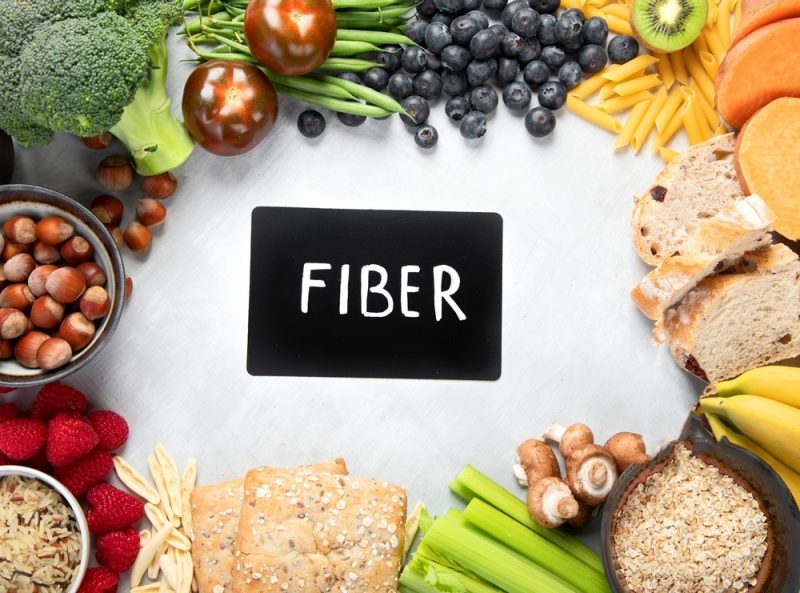
What are the Top Tasty High-Fiber Foods for Kids?

Key TakeawaysUtilising divided bento box compartments helps parents pack balanced, portion-controlled meals containing proteins, grains, fruits, and vegetables in a single container.Separating different food textures and flavours prevents soggy meals and directly appeals to children who dislike their foods touching.Incorporating silicone muffin cups and mini food picks adds vibrant colour and transforms everyday staples into engaging finger-food spreads.Prepping bento box components in advance streamlines busy weekday morning routines while reducing reliance on single-use plastic packaging.Offering small, varied bites of familiar favourites alongside new foods encourages hesitant children to explore fresh flavours at their own pace.Ensuring your child gets enough fibre is critical to their overall health and development. High-fibre foods are pivotal in maintaining a healthy digestive system, preventing constipation, and even lowering the risk of chronic diseases as they grow. School nutrition research demonstrates that multi-compartment bento lunches increase a child's overall meal consumption by up to 25% compared to traditional single-bagged meals, primarily due to enhanced food separation and visual appeal. Yet, many parents struggle to incorporate enough fibre into their children's diets. What are high-fibre foods for Kids?High-fibre foods, predominantly found in plant-based sources like fruits, vegetables, whole grains, and legumes, are essential for children's diets. Dietary fibre is a type of carbohydrate that the body can't digest. While other carbohydrates break down into sugar molecules, fibre passes through the body undigested. It helps regulate the body's use of sugars, helping to keep hunger and blood sugar in check.Soluble FibreThis type dissolves in water to form a gel-like material. It can help lower blood cholesterol and glucose levels. Foods high in soluble fibre include oats, peas, beans, apples, citrus fruits, carrots, barley, and psyllium.Insoluble FibreThis fibre promotes movement through the digestive system and increases stool bulk, benefiting those struggling with constipation or irregular stools. Whole-wheat flour, wheat bran, nuts, beans, and vegetables like cauliflower, green beans, and potatoes are good sources of insoluble fibre.Must Try: The Picky Eater's Playbook: How to Get Kids to Try New FoodsWhy High-Fibre Foods are Important for KidsHere is the list of benefits of high-fibre foods:Promotes Healthy DigestionOne of the most immediate benefits of a high-fibre diet is improved digestion. Fibre adds bulk to the stool, which helps it pass more quickly through the intestines. This is particularly important for children, who can often experience constipation due to dietary changes, dehydration, or inadequate fibre intake. Regular bowel movements prevent the buildup of toxins and reduce the risk of digestive discomfort, making kids feel better overall.Helps Maintain a Healthy WeightHigh-fibre foods are generally more filling than low-fibre foods, which can help children feel full longer after meals. Satiety helps prevent overeating and snacking on unhealthy, low-fibre foods.High-fibre foods are often less calorie-dense; they contribute to a balanced calorie intake while promoting a healthy body weight. This is particularly important in preventing childhood obesity, a growing concern worldwide.Stabilises Blood Sugar LevelsSoluble fibre, found in foods like oats and fruits, slows down the absorption of sugar into the bloodstream. It can help prevent rapid spikes and drops in blood sugar levels, which are not only detrimental to mood and energy but can also lay the groundwork for developing insulin resistance and type 2 diabetes later in life. By including more fibre in your child's diet, you're helping to stabilise their blood sugar levels, contributing to sustained energy and better focus throughout the day.Supports Heart HealthEven at a young age, it's crucial to consider heart health. Diets high in fibre, particularly soluble fibre, can help lower cholesterol levels by reducing cholesterol absorption into the bloodstream. High cholesterol is a risk factor for heart disease, so establishing a fibre-rich diet early on can set the foundation for a healthy heart as your child grows.Reduces the Risk of Chronic DiseasesA fibre-rich diet can help reduce the risk of several chronic diseases, including heart disease, diabetes, and some cancers. Fibre-rich foods also promote a healthy gut microbiome, which is increasingly recognised for its role in overall health, including immune function, mental health, and the prevention of chronic diseases. Encouraging a high-fibre diet in children is an investment in their long-term health and well-being.Daily Fibre Intake Recommendations for KidsToddlers (1-3 years): 19 grams per dayChildren (4-8 years): 25 grams per dayGirls (9-13 years): 26 grams per dayBoys (9-13 years): 31 grams per dayTeenage Girls (14-18 years): 26 grams per dayAdolescent Boys (14-18 years): 38 grams per dayTry This: Tips for Implementing a Low-Carb Diet Safely for KidsTop High-Fibre Foods for KidsHere are top lists of high-fibre foods:OatmealOats are a fantastic source of soluble fibre, which helps reduce cholesterol levels and stabilise blood sugar. A warm bowl of oatmeal can be made even more fibre-rich by adding fruits like berries or a sliced banana. For a fun twist, try overnight oats, which can be prepared the night before and customised with your child's favourite toppings.Apples (with skin)Apples are an easy and convenient snack that most kids love. The skin contains much of the fibre, so be sure to serve them with the skin on. Pair apple slices with peanut butter for a tasty, fibre-packed snack that provides protein.CarrotsRaw carrots are a crunchy, sweet snack rich in fibre. They can be eaten independently, dipped in hummus, or added to salads and other dishes. Carrots also contain beta-carotene, which is converted to vitamin A in the body and supports healthy vision.PopcornWhen air-popped and lightly seasoned, popcorn is a whole grain that offers a decent amount of fibre. It's a fun snack for kids during movie night or as a treat in their lunchboxes. Just be mindful of portion sizes and avoid excessive butter or salt.Whole Grain BreadWhole grain or whole wheat bread is a simple swap that can significantly boost your child's fibre intake. Use it for sandwiches, toast, or as a base for avocado or nut butter toppings. Always check the labels to ensure the bread is made from 100% whole grains.Beans (Kidney, Black, Chickpeas)Beans are one of the best sources of both fibre and protein. They're versatile and can be added to soups, salads, tacos, or even mashed into dips like hummus. Beans also offer good iron, which is essential for growing children.BerriesBerries like raspberries, blackberries, and strawberries are high in fibre and rich in antioxidants. They can be eaten fresh, blended into smoothies, or used as toppings for yoghurt or cereal. Berries are a naturally sweet treat that most kids find irresistible.BroccoliBroccoli is a powerhouse vegetable that's packed with fibre, vitamins, and minerals. Serve it steamed, roasted, or raw with a healthy dip like ranch or hummus. To increase their fibre content, broccoli can also be added to pasta dishes, casseroles, or stir-fries.Pears (with skin)Like apples, pears with the skin on are a great source of fibre. They can be eaten as a snack, added to salads, or cooked into desserts. Pears are lovely and juicy, making them a hit with kids.Sweet PotatoesSweet potatoes are rich in fibre, vitamins, and antioxidants. They can be baked, mashed, or turned into fries as a healthy side dish. For a fun and fibre-rich meal, try making baked sweet potato fries with a sprinkle of cinnamon or paprika.Tips for Encouraging Kids to Eat High-Fibre FoodsHere are things you can try:Make It FunTurn mealtime into a fun experience by getting creative with presenting high-fibre foods. Use cookie cutters to create fun shapes out of fruits and vegetables, or arrange them into colourful patterns on the plate. Allow your child to build their own snack or meal using various fibre-rich ingredients, giving them a sense of control and encouraging them to try new foods.Incorporate Fibre Into Favourite DishesIf your child hesitates to try new foods, add fibre to dishes they love. Mix shredded carrots or zucchini into pasta sauce, add beans to tacos, or use whole-grain bread for sandwiches. Gradually increasing the fibre content in familiar foods can help your child get used to the taste and texture without feeling overwhelmed.Lead by ExampleChildren are likelier to try new foods if their parents eat and enjoy them. Make a point to eat high-fibre foods in front of your child and talk about how delicious and healthy they are. Positive reinforcement from family members can significantly impact a child's willingness to try new foods.Involve Them in CookingInvolving your child in meal preparation can make them more interested in what they're eating. Let them help wash fruits and vegetables, stir ingredients, or assemble salads or sandwiches. When children participate in cooking, they're more likely to eat the foods they've helped prepare.Start with Small PortionsIf your child is reluctant to eat high-fibre foods, start with small portions and gradually increase the amount over time. This approach helps prevent them from overwhelming themselves with too much fibre at once, which can be hard on their digestive system and might lead to resistance. Praise them for trying new foods, even if they only take a small bite.Creative High-Fibre Recipes for KidsHere are the best recipes for kids to try:Banana and Oat Pancakes1 ripe banana, 1 egg, 1/2 cup rolled oats, 1/2 tsp baking powder, and a pinch of cinnamon. Blend all ingredients in a blender until smooth. Heat a non-stick skillet over medium heat and pour the batter into small pancakes. Cook until bubbles form on the surface, then flip and cook the other side. Serve with fresh berries and a drizzle of honey.Rainbow Veggie WrapsWhole-grain tortillas, hummus, shredded carrots, spinach leaves, bell pepper strips, cucumber slices, and avocado. Spread hummus over the tortilla. Layer with veggies and avocado slices. Roll up the tortilla and slice it into halves. These wraps are colourful, crunchy, and full of fibre.Fruit and Yoghurt ParfaitPlain Greek yoghurt, mixed berries, sliced banana, granola, and a drizzle of honey. Layer yoghurt, berries, banana slices, and granola in a glass. Repeat layers and top with a drizzle of honey. This parfait is a delicious way to start the day with plenty of fibre and protein.Sweet Potato Chips2 large sweet potatoes, olive oil, sea salt, and paprika. Preheat the oven to 400°F (200°C). Slice sweet potatoes thinly and toss in olive oil, sea salt, and paprika. Spread on a baking sheet in a single layer and bake for 20-25 minutes, turning halfway through, until crispy. These chips are a healthier alternative to regular potato chips.Chickpea Salad1 can of chickpeas (drained and rinsed), cherry tomatoes, cucumber, red onion, feta cheese, olive oil, lemon juice, salt, and pepper. Combine chickpeas, halved cherry tomatoes, diced cucumber, and chopped red onion in a large bowl. Add crumbled feta cheese. Drizzle olive oil and lemon juice, then season with salt and pepper. Toss everything together and serve chilled.Also Read: Parental Tips for Turning Veggie Haters into Veggie LoversConclusionIncorporating high-fibre foods into your child's diet is essential for their health and well-being. From improving digestion to reducing the risk of chronic diseases, fibre plays a critical role in their growth and development. By understanding the importance of fibre, knowing the recommended daily intake, and using creative strategies and recipes, you can ensure your child gets the fibre they need to thrive. Starting these habits early will set the foundation for a lifetime of healthy eating.FAQsWhat Are The Best Leakproof Bento Boxes For Young Schoolchildren?Look for bento containers made from durable stainless steel or food-grade BPA-free plastic that feature individually sealed silicone lid compartments to prevent dips and yoghurts from leaking into adjacent sections.How Can Parents Safely Keep Warm Foods Hot In A Bento Box Setup?Preheat an insulated thermal container with boiling water for five minutes, empty it, and pack hot items like pasta or nuggets tightly inside before sealing it alongside the cold bento sections.What Are Easy Ways To Prevent Cut Fruit From Browning In A Bento Lunch?Soak fresh apple, pear, or banana slices in a quick bath of diluted lemon juice, salted water, or honey water for five minutes before drying and packing them into compartments.How Do You Keep Crunchy Snacks Crisp Inside A Bento Box With Moist Foods?Place dry items like crackers or pretzels in separate silicone liners or seal them in small inner containers away from high-moisture foods like sliced berries, dips, or cucumbers.Which Bento Box Materials Are Safest And Easiest For Toddlers To Open Independently?Lightweight plastic boxes with single, large front latches are generally easier for small toddler hands to manoeuvre independently during cafeteria lunchtime than stiff, multi-latch stainless steel designs. 

Stay in the Loop