

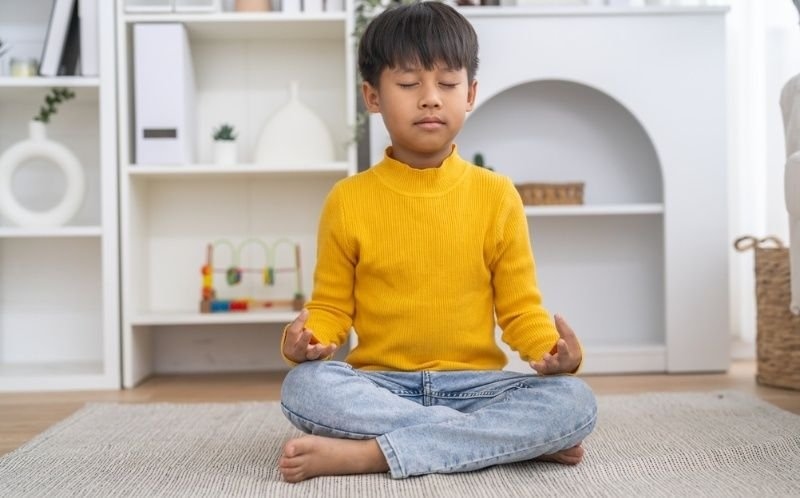
Every parent knows the moment. A snack gets denied, a toy breaks, or a sibling touches something they shouldn't—and suddenly you're in the middle of full-blown chaos. Emotional regulation for kids is the skill that helps them get through those moments without falling apart every single time. It won't happen overnight, but there's a lot you can do to speed things along. Here's what that actually looks like in real life.
At its core, emotional regulation for kids just means noticing a feeling and finding a way to handle it without throwing a shoe across the room. It's not about being calm all the time—no kid manages that. It's more about giving them the tools to ride out the wave instead of drowning in it, and that takes time to build.
Kids who never quite learn this tend to struggle more—whether that's melting down at school, clashing with friends, or having a harder time at home. On the flip side, kids with stronger regulation skills usually handle transitions better and butt heads with parents less often. If you're also dealing with things like defiance or tantrums on a regular basis, our roundup of everyday parenting and behavior topics digs into that a bit more.
Figuring out how to teach emotional regulation doesn't require a curriculum or a special program. It's really about small habits repeated over and over until they stick—none of this happens in one conversation, so don't expect it to.
Before you try to fix anything, just say what you're seeing. Something like "You look really frustrated right now" gives your kid words for a feeling that probably feels huge and confusing to them—and eventually, they'll start naming it themselves.
This one's uncomfortable to admit, but kids copy us way more than they listen to us. If you lose it every time you're stressed, don't be surprised when they do too. Try narrating your own calm-down moments out loud—even something as simple as "I'm going to take a breath first."
Don't wait until your kid is mid-tantrum to introduce a breathing trick. Practice it on a boring Tuesday afternoon when nobody's upset. That way, when things do get heated, the tool already feels familiar—not like one more thing being thrown at them.
Also Read: Family Traditions That Build Stronger Parent-Child Bonds
Different kids respond to different things, so it helps to have a few emotional regulation strategies for kids on hand—not just one go-to move.
| Strategy | Best For | How It Helps |
| Feelings check-in chart | Ages 3 to 7 | Gives kids visual words for emotions |
| Deep breathing routine | All ages | Slows down the body's stress response |
| Quiet corner with comfort items | Toddlers and preschoolers | A safe spot to reset without pressure |
| Problem-solving talk | School-age kids | Builds calmer thinking after the storm passes |
You don't need to use all of these. Picking two that fit your kid and sticking with them usually beats switching strategies every week.
Let's be honest—emotional regulation in preschoolers is a work in progress most days. A four-year-old might still fall apart over the wrong-colored cup, even after weeks of practice. Their brains just aren't fully wired for self-control yet—that's biology, not a parenting failure. Short, simple phrases work far better here than any kind of lengthy explanation, especially mid-meltdown.
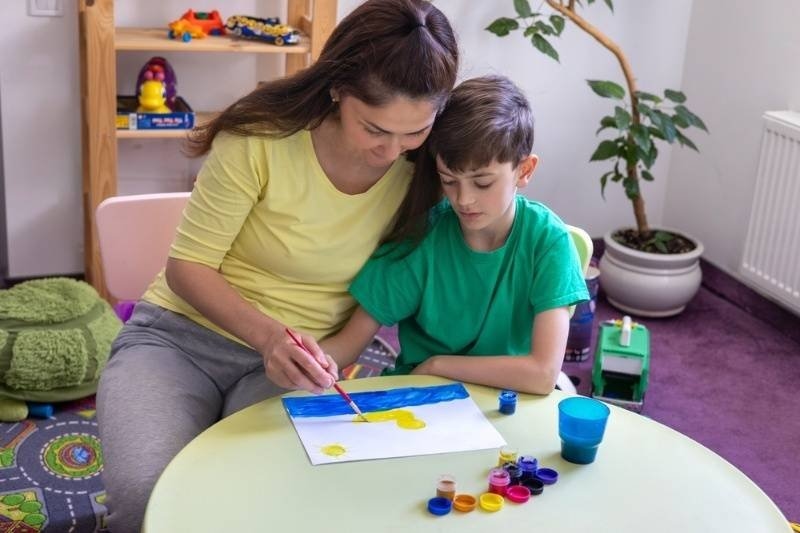
Kids learn through play way more than they learn through being told something. These emotional regulation activities for kids sneak the lesson in without it feeling like one.
If your kid enjoys games that make them think and pause before reacting, that spills over into regulation too—our list of fun decision-making games for kids pairs nicely with this list.
Most meltdowns are just part of growing up, annoying as they are. But if the outbursts are constant, intense, or making everyday life genuinely hard, it's worth bringing up with your pediatrician. Resources like the Child Mind Institute also offer solid, research-backed guidance if you want to dig deeper.
Basic self-soothing starts around age two, but real regulation takes shape between three and seven. It keeps developing gradually through childhood—and steady, patient support from caregivers makes the biggest difference over time.
It really depends on the kid—some parents notice small changes within weeks of consistent practice. Full mastery, though, takes years, since these skills keep developing well into the teenage years and beyond.
Yes, though they usually need more repetition and visual cues to click. Breaking things into smaller steps and pairing them with predictable routines tends to work better for kids who struggle with attention.
Completely normal—illness, big changes, or family stress can send kids right back to old coping habits for a while. Staying patient and getting back to routine usually helps them find their footing again.
A lot of schools already weave social-emotional learning into the day, which reinforces what's happening at home. Keeping communication open between parents and teachers just makes the whole approach more consistent for the kid.
This content was created by AI