

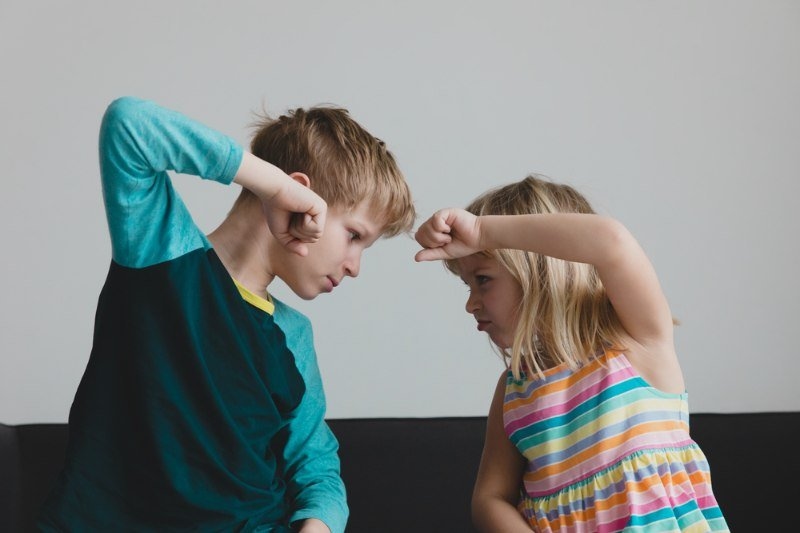
If you've ever separated two screaming kids over a plastic dinosaur, you already know what sibling rivalry feels like. It's loud, it's draining, and it makes you wonder if you're somehow getting parenting wrong. You're not. This is one of the most ordinary struggles families deal with, and once you understand what's actually driving it, the fighting starts to feel a lot less overwhelming.
Sibling rivalry is the jealousy, competition, and everyday friction that pops up between brothers and sisters. Oddly enough, it can start before the younger sibling is even born, once an older child senses that attention is about to shift. From there, it tends to stick around in different forms as kids grow, from toy disputes at three to arguments over the TV remote at thirteen.
Even a baby who can barely sit up changes the whole rhythm of a household. Older kids feel that shift immediately, long before they have words for it. That quiet sense of "things are different now" is often where sibling rivalry actually begins, not the first fight itself.
Ask any parent, and they'll tell you the reasons seem to change daily—a toy, a seat, a look across the dinner table. Underneath it all, jealousy, boredom, and a nagging sense of unfairness usually drive the fighting. Once you spot the real trigger, it's much easier to respond calmly instead of just breaking things up on autopilot.
A toddler will defend a toy like it's the last one on earth, simply because sharing hasn't clicked yet. A little later, kids get obsessed with fairness, and "that's not fair" becomes a daily phrase. Teenagers, meanwhile, just want some space, so being asked to watch a sibling can feel like an imposition.
Put a chilled-out kid next to an intense one, and sparks are almost guaranteed. Neither personality is the problem—it's the mismatch. This kind of clash doesn't mean something's wrong with your family; it just means two very different people are sharing one house.
Kids notice more than we'd like to admit, especially how we handle our own disagreements. Stay calm during conflict, and they'll copy that. Slam a door or raise your voice too often, though, and don't be surprised when that shows up in their own fights.
There's no single right answer for how to handle sibling rivalry, but there is a decent rule of thumb: intervene less than you think you need to. Jumping in every time actually slows down the skills kids need to sort things out themselves. The real goal isn't silence—it's raising kids who can eventually negotiate a fair outcome on their own.
| Situation | Suggested Approach |
| Verbal arguing, no danger | Let them work it out themselves |
| Name-calling or unkind language | Coach better words, don't fully step in |
| Physical safety at risk | Separate them right away |
| Repeated fights over one item | Set up a shared schedule or rotation |
| Ongoing tension between two kids | Hold a short family meeting to reset |
It's tempting to play detective and figure out who "started it," but honestly, it rarely helps. Most fights involve two willing participants, whatever the story sounds like afterward. You'll get further by nudging both kids toward a fix instead of hunting for a guilty party.
Everyone wants the one trick for how to stop siblings fighting, but truthfully, it's less about tricks and more about repetition. Small habits practiced for weeks beat any dramatic one-off conversation. Here's what actually tends to move the needle in real households, not just in theory.
If you're working on calmer responses in general, it's worth pairing these habits with the approach in this guide on disciplining kids without yelling—the two go hand in hand.
Not every squabble deserves the label "sibling conflict" in the worrying sense. Kids negotiate, push back, and bicker as a totally normal part of sharing a house and, often, a bedroom. What actually matters is how intense it gets, how often it happens, and whether the relationship still feels warm outside of the arguments.
If two kids are back to playing together twenty minutes after a blowup, that's a good sign, not a red flag. Quick recovery, the occasional team-up, and real moments of affection all point to a relationship that's fundamentally fine, even with plenty of noise along the way.
Cruelty that doesn't let up, physical aggression, or one child constantly steamrolling the other—that's a different story. When sibling conflict starts chipping away at confidence, sleep, or how a kid does at school, it's time to pay closer attention.
Helping kids see setbacks as things they can work through, rather than personal failures, makes a real difference here too. That mindset shift is explored well in this piece on building a growth mindset in kids, and it quietly lowers the defensiveness that fuels a lot of fights.
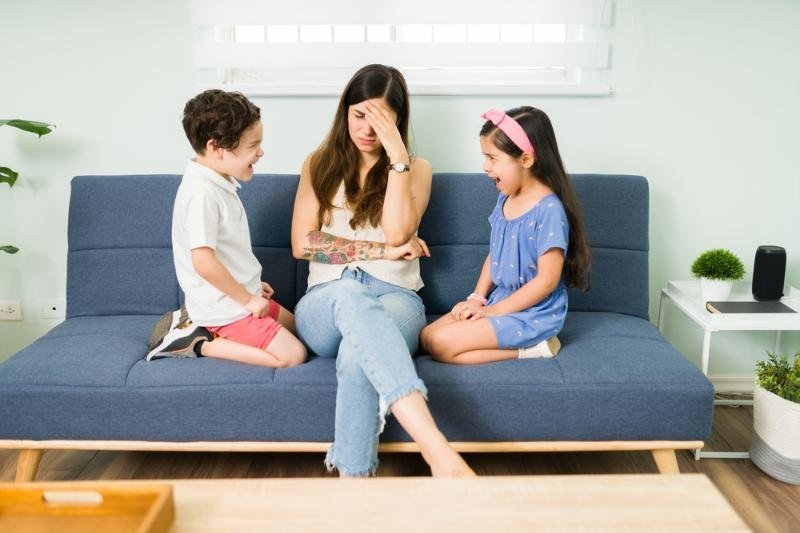
Most sibling rivalry sorts itself out with time, patience, and a bit of routine. That said, it's worth reaching out for professional support if fighting becomes genuinely unsafe, chips away at a child's self-worth, or throws the whole household off balance. A pediatrician or family therapist can offer real guidance when things feel bigger than the usual bickering.
As far as I'm concerned, sibling rivalry is nothing that a parent should feel bad about; it's just part of being a parent to more than one child. Some consistency, a bit of patience, and extra one-on-one time make a lot of difference. What kids need most through all of it is to feel equally seen, loved, and safe at home.
Yes, it's there in many homes that have more than one child. It is a normal part of growing up to be jealous of and a little competitive about a baby sibling, a change of school, or a sudden increase in independence.
It is highest in toddlerhood and school-age years when fairness is a life-or-death proposition. It looks different for teens, and can be expressed in isolation or as resentment about household duties instead of noisy arguments.
Not really. You don't want to intervene every time because you don't want kids to learn to figure things out for themselves. Only intervene when there is actual physical danger; coach quietly otherwise.
It can, particularly if one child is blamed more often or is compared negatively to another sibling. Providing individual time and no comparisons make a huge difference in preserving any sense of self in children.
Somewhat: The oldest children might feel out of place by a new arrival; younger children might feel overshadowed. However, birth order is rarely as significant as temperament and parent reactions to conflict.
This content was created by AI