

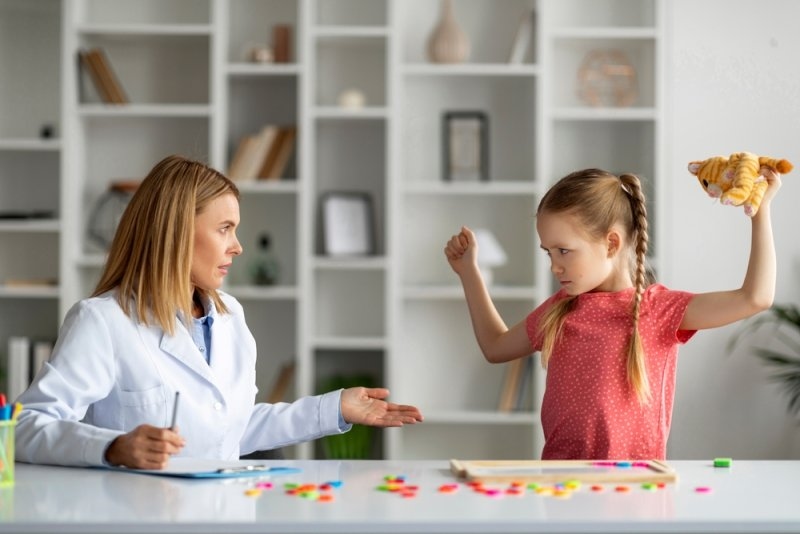
Watching your child hit, kick, or throw a sudden tantrum can leave you feeling helpless and heartbroken. Aggressive behavior in children is a common challenge that many loving families face during early developmental years.
According to clinical data published by the American Academy of Pediatrics (AAP), roughly 60% of toddlers experience occasional outbursts of physical aggression as they learn to navigate complex emotions.
When your little one acts out, they are usually crying for help rather than trying to be difficult. Understanding these sudden emotional spikes helps you stay calm and respond with empathy. In this comprehensive guide, we explore the underlying triggers, practical response methods, everyday preventative strategies, and expert tools to nurture your child toward healthy self-regulation.
Aggression in children refers to physical or verbal behavior intended to express distress, exert control, or react to overwhelming feelings. It commonly manifests as hitting, biting, pushing, screaming, or throwing objects when a child feels frustrated, threatened, or unable to communicate effectively.
Uncovering the root causes of aggression in children helps parents address emotional struggles rather than just punishing surface behaviors.
Young children often experience big emotions long before their speech skills fully develop. When words fail them during play or social interactions, physical actions like pushing become their quick default communication method.
Busy environments, noisy crowds, or missed afternoon naps quickly overwhelm a child's sensitive nervous system. High stimulation levels lower their emotional tolerance, making sudden aggressive reactions far more likely.
Unpredictable daily schedules create underlying anxiety in young children who thrive on structure. Lack of predictable meal, play, and sleep routines makes children feel insecure and quick to react aggressively.
Children absorb ambient tension from household conflicts, violent media content, or hectic environments. Experiencing high adult stress levels often triggers copycat aggressive behaviors in developing minds.
Silent physical stressors like chronic ear pain, poor eyesight, or food sensitivities make toddlers irritable. Unable to explain their internal discomfort, kids often vent physical discomfort through angry outbursts.

Understanding childhood aggression within normal developmental stages gives parents peace of mind and realistic expectations.
As toddlers explore their independence, they naturally test social boundaries to see how caregivers react. Experiencing mild pushback is a normal part of social learning, provided parents respond with consistent guidance.
The brain regions responsible for impulse control develop gradually throughout early childhood. Expecting young kids to regulate intense anger without guidance is like expecting them to read without learning letters.
Young children constantly copy behaviors observed in playgroups, older siblings, or entertainment media. Learning how to navigate shared toys often triggers temporary defensive reactions during group play sessions.
Around age two, children develop a strong concept of personal possession without understanding sharing. Defending toys physically represents a normal developmental milestone rather than intentional cruelty.
Moving away from a fun game to clear the dinner table requires complex mental flexibility. Young brains often struggle with sudden schedule pivots, resulting in reactive defiance or angry meltdowns.
Try This: Consequences of Impulsive Behavior in Kids: How to Help Them
Knowing how to deal with aggressive behavior in children during live meltdowns prevents physical harm and builds mutual trust.
Maintain a calm, firm voice to lower tension immediately. Step in gently to stop any hitting or throwing. Keep your posture grounded and assure your child that everyone is safe while feelings cool down.
Help your child name what they are experiencing. Use simple, soothing phrases like "I see you are angry because it was time to put the toys away." Validating emotions helps children feel truly understood.
Guide them toward an acceptable physical output. Show your child how to express anger safely, such as stomping feet on a rug, squeezing a soft pillow, or taking deep belly breaths.
Effective methods for managing aggression in children focus on positive reinforcement rather than punitive measures.
Praise your child whenever they share toys, use peaceful words, or wait patiently for their turn. Positive feedback encourages kids to repeat gentle behaviors in future social situations.
Set predictable household rules regarding physical boundaries. Knowing that hitting is never acceptable creates a steady emotional safety net for everyone at home.
Designate a cozy corner stocked with soft pillows, picture books, and tactile sensory toys. Inviting kids to rest in a safe, quiet space normalizes self-soothing without resorting to punitive isolation.
Display colorful feeling charts at eye level to help nonverbal kids point out their exact emotion. Visual aids bridge the communication gap and reduce frustration during stressful moments.
Use stuffed animals or puppets during happy playtime to act out peaceful resolution scenes. Rehearsing turn-taking in calm moments prepares young minds to handle real-life sharing disputes smoothly.
Must Try: ADHD Parenting: How to Handle Bad Behavior Without Yelling
Recognizing broader child behavior problems ensures parents can offer targeted support before habits harden.
Some children react strongly to tight clothing tags, loud sounds, or sudden schedule changes. Identifying sensory stressors allows you to adapt home settings and reduce unexpected behavioral meltdowns.
Children sometimes act out to gain parental attention, even if that attention turns negative. Setting aside quiet one-on-one time each day fulfills their emotional cup naturally.
Frequent night awakenings or irregular nap patterns severely compromise executive functioning in toddlers. Chronically tired kids exhibit lower emotional control and higher rates of daytime aggression.
Children who struggle to join group play often express feelings of isolation through disruptive actions. Early guidance in social entry skills prevents defensive aggression during playdates.
Consistently refusing basic requests often points to underlying anxiety or a need for personal agency. Offering limited choices gives kids a healthy sense of control without compromising household safety.
Focusing on preventing aggressive behavior in children creates a peaceful home atmosphere where emotional growth flourishes.
Kids mirror the coping mechanisms they observe in adults every day. Remaining calm during family disagreements shows your child how to handle frustration constructively.
Giving advance notice before switching activities prevents emotional shocks. Simple reminders like "five more minutes of park play before we head home" prepare young minds for upcoming shifts.
Hunger and exhaustion severely drain a young child's emotional coping reserves. Keeping meal times and bedtimes predictable staves off physical irritability before it sparks aggressive tantrums.
Fast-paced video clips and chaotic cartoons overstimulate developing nervous systems. Swapping intense media for calm storytelling preserves attention spans and reduces baseline anxiety levels.
Physical play in green spaces burns off built-up restlessness while releasing feel-good endorphins. Daily outdoor play provides a natural release valve for high-energy toddlers.
Understanding the broader scope of aggression in children helps families recognize when professional guidance brings positive relief.
If aggressive outbursts persist daily or disrupt preschool activities, consulting your pediatrician provides reassuring clarity. Behavioral specialists offer tailored tools suited to your child's unique emotional wiring.
Reading picture books about feelings teaches kids how characters resolve anger peacefully. Discussing storybook situations helps children recognize their own emotional cues earlier.
Helping aggressive behavior in kids transform into positive self-regulation requires patience, time, and loving guidance.
Fun activities like "blowing out birthday candles" teach children how slow exhalations reduce bodily tension. Practicing these calm-down games during happy moments makes them accessible during stressful times.
Running outdoors, kicking a soccer ball, or modeling clay gives children healthy physical avenues to release stored energy. Active play naturally lowers cortisol levels and promotes emotional balance.
Engaging in sensory play like squeezing kinetic sand or painting with fingers calms an overworked nervous system. Tactile grounding activities divert focus away from angry impulses toward creative focus.
Ending each day by sharing favorite moments fosters security and emotional warmth. Loving bedtime connection reinforces family trust, helping children feel valued and emotionally secure.
Navigating childhood emotional outbursts can feel challenging, but consistent support transforms stressful moments into powerful learning opportunities. Throughout this guide, we explored primary emotional triggers, defined childhood aggression clearly, distinguished normal developmental stages, and detailed step-by-step calm response techniques.
We also discussed proactive boundary setting, sensory trigger identification, visual emotion tools, and fun mindfulness activities that encourage peaceful self-expression. Equipping your child with emotional tools builds lifelong resilience, empathy, and self-control. With gentle guidance and patient practice, your home will blossom into a peaceful haven where your child feels fully safe, understood, and supported.
Are you ready to discover creative learning activities, play routines, and expert parenting tools that foster joy and calm at home? Explore our wide array of engaging guides and activity collections to inspire your family every single day! Empower your parenting journey today by discovering inspiring educational activities and gentle guiding tools!
Nutritional balance directly influences energy stability and mood regulation in growing children. Diets high in refined sugars often trigger sharp blood sugar spikes followed by sudden crashes, leading to heightened irritability and poor impulse control. Providing balanced meals with protein, healthy fats, and complex carbohydrates keeps energy steady, supporting emotional stability throughout active days.
Maintaining consistent expectations between home and school accelerates behavioral progress. Schedule regular check-ins with your child's teachers to share effective calming phrases and successful reward strategies. Using similar language across environments provides clear structure, making it much easier for children to understand boundaries and practice gentle social choices everywhere.
Families should consider professional support if physical outbursts pose safety risks to others or persist past early developmental years. Seeking advice is also recommended if behavioral struggles cause severe distress, prevent participation in social activities, or interfere with healthy family bonding, ensuring your child receives comprehensive emotional care.
Excessive screen exposure, especially fast-paced or visually chaotic content, overstimulates young nervous systems. High screen time reduces patience levels and makes real-world social interactions feel frustratingly slow. Setting healthy screen limits encourages imaginative offline play, improving focus, frustration tolerance, and natural social interaction skills.
When one child experiences a heavy emotional meltdown, siblings may feel frightened, overlooked, or upset. Ensure other children remain in a safe, quiet space with a calm adult. Later, offer direct emotional reassurance, listen to their feelings, and dedicate one-on-one quality time to protect their peace and well-being.
This content was created by AI