Raising Kids


Baby Nap Schedule By Age For Easier Daytime Sleep

 Baby sleep would be a lot easier if babies read the same charts adults do. They do not. One baby naps like a dream, another fights sleep like it is a personal mission, and a third somehow does both in the same week. That is why nap advice can feel a little slippery. Still, there are useful patterns. The American Academy of Pediatrics says newborns usually sleep about 16 to 17 hours a day, but often only 1 to 2 hours at a time, while Mayo Clinic says babies from 4 to 12 months generally need 12 to 16 hours in 24 hours, including naps. The NHS also says newborns may sleep anywhere from around 8 to 18 hours in a full day, which is a huge range and a good reminder that normal is wider than many tired parents expect. Baby Nap Schedule BasicsA good baby nap schedule is less about forcing a perfect clock-based routine and more about matching naps to age, wake windows, and the child's cues. Mayo Clinic says that after the newborn period, babies usually nap at least twice a day, often once in the morning and once in the early afternoon, with some babies still needing a late-afternoon nap. The AAP also notes that babies do not have regular sleep cycles right away, so early nap patterns can look messy before they become more predictable. That matters because a lot of parents assume a rough nap day means they are doing something wrong. Usually, it just means the baby is being a baby.Newborns Nap A Lot, But Not On A Clean ScheduleThe newborn nap schedule stage is basically organized chaos. AAP says newborns sleep about 16 to 17 hours per day, but often in short stretches of 1 to 2 hours. NHS guidance says newborns may sleep around 8 to 18 hours in a day, and that wide range is still considered normal. So if a parent is hoping for tidy morning and afternoon naps during the first weeks, that is probably asking too much. Newborns sleep around feeding needs, not around a stylish daytime routine. At this stage, the better goal is not a perfect pattern. It is enough rest overall, safe sleep habits, and some patience with the randomness. The AAP's safe sleep guidance also remains important: babies should be placed on their backs for sleep on a firm, flat surface. Baby Sleep By Age Starts Changing Around Four MonthsThis is usually when things begin looking a little more recognizable. Mayo Clinic says that from 4 months to 1 year, babies generally nap at least twice a day and sometimes still need a third late-afternoon nap. It also suggests trying a morning nap around 9 a.m. and an early afternoon nap around 1 p.m. as a starting rhythm, though the exact timing varies by child. This is where baby sleep by age becomes more helpful than broad advice. Around this stage, babies often begin settling into more structured nap patterns, even if they are still not exactly predictable. Mayo Clinic also says many babies around 3 to 4 months start sleeping at least five hours at a time at night while still needing daytime naps as part of their total 12 to 16 hours of sleep. Infant Sleep Schedule From Four To Twelve MonthsAn infant sleep schedule between 4 and 12 months usually includes two or three naps, depending on the baby's age and temperament. Mayo Clinic says babies in this range often need a morning and early afternoon nap, with some still needing a late-afternoon rest. NHS guidance says babies from 6 to 12 months may sleep around 15 hours total in 24 hours, much of it at night, though daytime naps are still part of that picture. This is also the phase when parents begin asking, "How much sleep do babies need if nights are improving but naps are suddenly messy?" Usually, the answer is still "more than adults wish they needed." A baby may drop from three naps to two somewhere in this period, but there is no magic Tuesday when it happens for everyone.Around Six To Twelve Months, Two Naps Often Make More SenseBy the second half of the first year, many babies settle into a two-nap routine more clearly. The NHS says babies 6 to 12 months may sleep around 15 hours in 24 hours, while AAP notes babies generally need less sleep as they get older, even though individual needs still vary. This is often when a simple baby sleep chart starts becoming genuinely useful. Not as law. More as a rough map. One morning nap, one afternoon nap, a more regular bedtime, and less random catnapping. Some babies still need three naps for a while. Some are very ready to move on. Both can be normal.Check Out: Learn what Causes Separation Anxiety in Babies and SolutionsAfter The First Birthday, Naps Usually Start ShrinkingOnce a baby moves past 12 months, daytime sleep often starts looking a little more manageable. NHS says babies after their first birthday will usually sleep around 12 to 15 hours in total. Some 12-month-olds still take 1 to 2 naps, and a toddler sleep leaflet from Wirral Community Health and Care NHS Foundation Trust says that at 12 months, many children have 1 to 2 naps totaling about 2 to 2.5 hours, though some sleep less. This is where parents start wondering whether the child really needs two naps or is just hanging onto one out of habit. Sometimes the answer changes week to week. Annoying, yes. Normal too.How Much Sleep Do Babies Need OverallThe question "How much sleep do babies need?" sounds simple, but the answer shifts by age. Based on the sources here, newborns often sleep around 16 to 17 hours a day, according to AAP, though NHS says the full normal range can stretch from around 8 to 18 hours. From 4 to 12 months, Mayo Clinic says babies need 12 to 16 hours total, including naps. After age 1, NHS says total sleep often lands around 12 to 15 hours. That range is why parents should be careful not to panic every time their baby misses one textbook number. Sleep needs vary. What matters more is the overall pattern, the child's mood, and whether overtiredness keeps wrecking the day.Signs A Nap Schedule Needs TweakingA nap schedule may need adjusting if the baby fights every nap, falls asleep too easily during feeds, becomes extra fussy before bedtime, or starts waking too early because daytime sleep is off balance. Mayo Clinic notes that if a baby naps too long or too late, nighttime sleep may become harder. That is where a flexible baby nap schedule helps more than a rigid one. If the child is clearly overtired, earlier naps may help. If the last nap is pushing bedtime too late, shortening or dropping it may make more sense. A schedule should support sleep, not become one more thing the whole house is arguing about.Read More: Boost Kids' Knowledge With Simple Home Learning TipsConclusion: Routines Help Even When Babies Stay UnpredictableThe most useful thing parents can usually do is create rhythm. AAP says a regular daily routine with consistent nap and meal times can help children feel secure and support smoother sleep. Mayo Clinic also recommends watching sleepy cues and keeping nap timing reasonably consistent once babies are out of the newborn phase. That does not mean every nap lands perfectly. Some days the stroller nap happens. Some days the second nap vanishes for mysterious reasons. But a predictable rhythm still gives babies a better chance of settling.FAQs1. What Is A Normal Baby Nap Schedule By Age?A newborn often naps in short stretches all day and night. From about 4 to 12 months, many babies take 2 to 3 naps. After age 1, many shift toward 1 to 2 naps with less total daytime sleep. 2. How Much Daytime Sleep Do Babies Need?It varies by age, but naps are part of total daily sleep needs. Newborns often sleep around 16 to 17 hours total, babies 4 to 12 months old need about 12 to 16 hours total including naps, and many 1-year-olds sleep around 12 to 15 hours total. 3. When Do Babies Usually Drop From Three Naps to Two?Many babies move from three naps to two sometime in the second half of the first year, though the exact timing varies. Mayo Clinic notes that babies 4 months to 1 year old often nap at least twice a day, with some still needing a late-afternoon nap. 

Childhood Nostalgia And The Magic Of Grown-Up Adults

 Nostalgia can catch us off guard. We might hear a phone ringtone smell food that reminds us of home or walk by a playground that feels like it belongs to us. Then our mind goes back to when we were kids. We think about those afternoons when time did not seem to matter and every day was a new adventure.This feeling is what we call childhood nostalgia. It is the feeling we get when we remember things that used to be ordinary but now seem really special. We think about things like playing outside with our friends waiting for our favorite cartoon or spending time, with our family on a special night.When we were kids these things did not seem like a deal. They were things we did every day.. As we get older we start to think about these memories in a different way. Childhood nostalgia reminds us of the fun times the times we were curious and the times we used our imagination. Sometimes just thinking about these things can make a normal day feel a little better. Childhood nostalgia is a feeling that comes from remembering childhood and it is something that can make us feel happy. Childhood nostalgia is what makes us think about our childhood and the good times we had when we were kids.What Is Childhood Nostalgia And Why Do Childhood Memories Stay With Us?Childhood nostalgia is the emotional feeling that appears when people think back to experiences from their early years. These memories might include school life, neighborhood friendships, family traditions, or even the games and hobbies that once filled our afternoons.What makes childhood memories special is how vivid they can be. Many people remember small details, like the sound of the school bell, the smell of books in a classroom, or the excitement of opening a lunchbox during recess.Childhood is full of first experiences. The first time riding a bicycle, the first time performing in a school event, or the first sleepover at a friend's house often stays in our memories for years. Because these moments were new and meaningful, the brain tends to hold on to them.Even decades later, a simple reminder can bring those memories back. A familiar cartoon theme song or an old playground can suddenly bring a wave of childhood nostalgia that feels surprisingly emotional.Essential Read: Learn How Puzzles Can Help in Child Development and LearningWhy Is Childhood Nostalgia Important For Emotional Well-Being?People see nostalgia as simply remembering the past. But it can actually have a positive impact on how we feel in the present. Reflecting on childhood memories often reminds us of moments that were filled with happiness and connection.ComfortWhen life becomes stressful or overwhelming, childhood nostalgia can feel like a gentle pause. It can feel like a comforting experience during difficult times. Thinking about carefree afternoons or funny school memories often brings a sense of calm and emotional relief to every individual.DiscoverChildhood memories often reveal how our interests and personality began to form. Looking back at those moments can help people understand their journey and the experiences that shaped them. It helps people understand their personal story.EmotionTalking about childhood memories with friends or family often brings laughter and shared stories. People realize that many experiences, like playground games or favorite TV shows, are surprisingly similar. It strengthens emotional connections.HappinessChildhood nostalgia often reminds people that happiness once came from simple things. A game with friends, a new toy, or a family outing could make the entire day feel exciting. These reflections can encourage people to appreciate small joys even in their adult lives. It reminds us of simple happiness.Must Try: How a Right Parenting Style Shapes a Child's Development?Childhood Nostalgia Examples That Bring Back Childhood MemoriesCertain moments from childhood seem to stay with us forever. However, for everyone, the experiences are the same, and many nostalgic memories share a similar feeling of simplicity and excitement. These childhood nostalgia examples often bring back the feeling of freedom that many people associate with growing up, like the following: Waiting for the ice cream truck and running outside with friends.Watching cartoons early in the morning before school.Building small forts with blankets and pillows at home.Playing hide and seek or tag in the neighborhood.Trading stickers, cards, or small toys with classmates.Listening to grandparents tell stories before bedtime.School lunch breaks are filled with jokes and laughter.Riding bicycles around the neighborhood with no real destination.How Childhood Memories Influence Who We Become?The memories carried from childhood are what we preserve, and they are also something that directs us in the way of life ahead. Early childhood experiences influence confidence, creativity, and even long-term interests among kids. It is natural when a child who enjoys drawing or crafting is in their kid era that they will try to pursue some creative hobbies as an adult. Similarly, someone who loves storytelling or reading might develop a passion for writing or learning.Even friendships that were formed during our childhood often teach us valuable lessons on trust, kindness, and teamwork. These early social experiences often help shape how people build relationships later in life. Therefore, childhood nostalgia can feel so strong and meaningful. It reminds people of the early moments that quietly influenced their personality and outlook.Why Certain Things Instantly Trigger Childhood Nostalgia?One interesting thing about childhood nostalgia is how suddenly it can appear. A smell, a sound, or even a place can instantly bring back memories that seemed forgotten. It is often nothing, but just the smell of rain on the ground might remind someone of playing outside during monsoon days. A cartoon theme song might bring back memories of sitting in front of the television with siblings on a lazy weekend morning.Our brain makes a connection between memories and things we see, hear, and smell. When we see or hear these things again, they bring back the feelings we had at that time. This is why we often remember things from when we were kids clearly. Memories from a time ago can come back really clearly, even after many years have passed. The brain is very good at holding onto memories of our childhood. That is why nostalgia can be so strong. Memories of childhood are often linked to things we saw, heard, and smelled. That is why they can feel so real.Know More: The Role of Solitary Play in Early Childhood DevelopmentConclusionChildhood nostalgia is really something magical. It reminds us of good old days that were simple and peaceful. The games we played as kids, the friends we made, and the little adventures we went on are the only things that will just stay with us forever.Looking back at memories is a great way to feel happy and comfortable. It makes us laugh and remember where we came from. When we get older and things change, these memories are still, with us. They remind us of a time when we were curious, used our imagination, and found joy in things. Sometimes all it takes is something to remind us of childhood nostalgia, and it brings back all those old feelings again. Childhood nostalgia is a thing.FAQsWhy Is Childhood Nostalgia Important For Adults?Childhood nostalgia is important because it reconnects adults with meaningful childhood memories; they can relive the simple moments of life where everything seemed happy and simple. These memories often bring emotional comfort and help individuals reflect on the experiences that shaped them.Why Do Childhood Memories Feel So Real Even After Many Years?Childhood memories often involve strong emotions and first experiences. And these are memories that have been lived. These moments were meaningful, so the brain stores them vividly, making them easier to recall later in life.What Are Some Relatable Childhood Nostalgia Examples?Common childhood nostalgia examples include playground games, cartoons, school lunch breaks, trading small collectibles, bedtime stories, and neighborhood bicycle rides.

Traveling With Babies, Toddlers: What Parents Should Know

 Family travel is not a relaxing spa retreat. It's a moving operation. Bags, snacks, bathroom breaks, tiny shoes that disappear, a teen who needs Wi-Fi, and a baby who decides the hotel room is the perfect place to practice new screaming skills. Still, families keep traveling because the memories are worth it.The trick is planning for real life, not perfection. Parents who have the smoothest trips aren't "luckier." They just build a simple system, pack smarter, and lower expectations in the right places.This guide covers babies, toddlers, and teens in one place. Because most families have more than one age group, and advice that only works for one stage is not always helpful.Traveling With Kids, Toddlers Without Losing The PlotLet's start with the most unpredictable travel companion: the toddler.traveling with toddlers is basically a negotiation between routine and chaos. Toddlers want independence, snacks, and attention. They also have zero interest in adult timelines. The good news is they are easy to entertain if the environment is built around movement and small rewards.Toddler travel priorities:Movement breaks, even short onesFood access, because hunger triggers dramaSleep protection, because overtired toddlers become tiny tornadoesSimple choices, like "blue cup or red cup," to reduce power strugglesA smart travel day includes planned "burn energy" moments. Airports, rest stops, hotel hallways. Let them move. It prevents the meltdown later.The Packing Mindset That Saves EveryoneMost parents overpack clothes and underpack comfort.A good packing strategy focuses on:Comfort items that support sleepSnacks that actually get eatenA small first-aid kit, especially for kids prone to fevers or motion sicknessSpare clothes for the child and one spare shirt for the adult, because surprises happenWipes, always wipesThe goal is not being prepared for every possible scenario. The goal is being prepared for the most common ones without carrying a suitcase that feels like a gym workout.Traveling With A Baby: Keep It Simple And PredictableTraveling with a baby is easier than people expect in some ways, because babies don't need entertainment schedules. They need feeding, sleep, and comfort. If those three things are supported, the trip goes smoother.Baby travel essentials:Feeding plan and backup suppliesComfort items like a familiar blanket or sleep sackA predictable sleep setup if possibleCar seat strategy, since rental car seats are not always idealPatience during transitionsThe biggest win is building one calm routine that works anywhere. Same sleep cues. Same feeding rhythm. Similar bedtime steps. Babies love repetition, even in new places.Flying With Kids: The Rules That Actually MatterAir travel is where parents feel the most pressure. Everyone worries about bothering other passengers. It's understandable. But kids are allowed to exist in public spaces, including planes.Flying with kids goes better with a few practical choices:Boarding strategy based on the child's personality, not a universal ruleSnacks and drinks for pressure changes and distractionA surprise toy or new activity, especially for toddlersComfort layers, because cabins can be coldExtra time for bathroom breaks before boardingFor babies, feeding during takeoff and landing can help with ear pressure. For toddlers, chewing snacks or sipping water can help too.Parents don't need perfection. They need a plan for the hardest moments: waiting, transitions, and tiredness.How To Handle Hotel Sleep Without A Full ResetSleep disruption is what usually makes family travel feel brutal. A tired child ruins the next day, and then the whole trip starts feeling like survival.For babies and toddlers, keep a mini version of the home bedtime routine:Dim lightsSame order of stepsFamiliar sleep itemWhite noise if used at homeFor toddlers, it helps to do a "room tour" and set boundaries early. Show where they sleep, where toys go, where the bathroom is. Toddlers calm down when the environment feels understood.If sleep is rough one night, don't panic. Adjust the next day with earlier bedtime and calmer evening pacing.Family Travel Tips That Reduce MeltdownsSome family travel tips sound too basic, but they work because kids run on rhythms.Helpful habits:Feed before hunger hitsSchedule one calm break dailyLimit screen time strategically, not as a constant defaultBuild small rewards into hard momentsPlan one "kid-friendly win" per day, like a park or poolAdults often plan trips around adult interests only, then wonder why kids struggle. A kid-friendly anchor each day makes everything smoother.Traveling With Toddlers: The Second Day TrickHere's a pattern parents notice: day one is messy, day two feels better. That's normal.The second day is when toddlers begin understanding the new environment. They stop feeling as overwhelmed. That's why the second mention of traveling with toddlers matters. It's a reminder not to judge the trip by the first 24 hours.If day one is chaos:Lower the scheduleFocus on meals and napsUse outdoor timeKeep evening calmDay two often feels dramatically easier.Check Out: How To Understand Your Child's Behavior?Travel Tips For Teens: Respect, Autonomy, And A Little Wi-FiTeens travel differently. They don't melt down the way toddlers do, but they can shut down emotionally if the trip feels like it's happening to them rather than with them.Useful travel tips for teens include:Give them some control, like choosing one activity dailyBuild in downtime, because constant sightseeing is exhaustingLet them bring their own entertainment setupUse clear expectations about wake times and meeting pointsMake space for privacy, even in shared accommodationsTeens also care about relevance. They want experiences they can connect to: unique food, local culture, interesting neighborhoods, and moments that don't feel like a forced family photo session.How To Avoid The "Everyone Is Annoyed" MomentFamily travel tension usually spikes for predictable reasons:Overpacked schedulesHungerSleep deprivationToo much togethernessToo many decisionsThe fix is simplifying. Reduce choices. Pre-plan meals sometimes. Use grocery stores. Keep one flexible day. Don't cram everything into every day.It's better to experience five things calmly than ten things in a stressed blur.Flying With Kids: Make The Plane Time A "Yes Zone"This is where the second mention of flying with kids fits naturally. Flights are not the time to enforce every rule. It's the time to survive comfortably.Plane-friendly "yes" strategies:Screens are allowed without guiltSnacks happen more often than usualComfort items are always okaySmall movement breaks if possibleNew toy reveals at peak boredom momentsParents can return to normal routines after landing. During the flight, the goal is calm.Traveling With A Baby: A Simple Three-Bag SystemThe second mention of traveling with a baby is a good time to share a practical system:One "access" bag for the next two hours: diapers, wipes, bottle, change of clothesOne backup bag: extra supplies and medicineOne adult bag: chargers, documents, snacksThis prevents frantic digging at the worst moment. When baby needs something, it needs to be reachable fast.Family Travel Tips For Blended Age GroupsThe second mention of family travel tips matters for families traveling with multiple ages at once.A workable structure:Morning: activity for everyoneMidday: food and restAfternoon: split options if possible, teen choice and toddler choiceEvening: calm dinner, early wind-downThis reduces conflict because each age group gets something that fits their energy and interests.Travel Tips For Teens That Prevent ArgumentsSecond mention of travel tips for teens because the biggest win is involving them early. Ask what they actually want from the trip. Food? Shopping? Adventure? Museums? Local culture?When teens feel heard, cooperation rises. When they feel dragged around, resistance rises. It's that simple.Read More: 5 Learning Toys That Teach Kids About Healthy FoodsFinal Thoughts: Family Travel Works When Expectations Are RealFamily travel is not about perfect schedules. It's about shared memories and manageable days.The best trips usually include:One or two memorable experiencesA few quiet moments that feel like real connectionSome laughter from unexpected chaosA flexible plan that can adapt to tired kidsParents don't need to control everything. They need to support needs, protect sleep, and keep the pace human. That is the real secret to traveling with kids at any age.FAQsWhat Is The Hardest Age To Travel WithMany parents find toddlers the hardest because they crave independence but have limited patience and emotional regulation. Planning movement and snacks helps a lot.How Can Parents Make Flights Easier With KidsBring snacks, new activities, comfort layers, and allow extra flexibility with routines. Feeding or chewing during takeoff and landing can help ear pressure.How Do Families Balance Toddlers And Teens On One TripBuild a daily structure with shared activities plus optional split time. Give teens some control and keep toddler routines steady around naps and meals.

Boost Kids Knowledge With Simple Home Learning Tips

Parents want their kids to be curious, confident and aware of the world. School teaches a lot, but learning grows faster when the home supports it. When you focus on kids knowledge development, you give your child strong thinking skills, better memory and the freedom to ask questions.Most parents think learning means textbooks. It is bigger than that. Kids learn when they explore, talk, read, play and connect their ideas with real life.This guide gives simple actions to boost kids knowledge at home. It uses clear steps, short points and practical tips. No complicated theory. Just things you can apply today.Why Kids Knowledge Development Must Start At HomeChildren spend more time at home than at school. The home environment affects attention, confidence, curiosity and discipline. When a child sees learning as natural, not forced, they stay engaged.Strong knowledge helps children:Understand concepts fasterAsk better questionsBuild problem-solving skillsStay interested in learningIf you want to improve kids learning, consistency matters more than pressure. Do small activities every day. Make learning simple and enjoyable.Top Pick: Discover 5 Education Trends that are Shaping the FutureSimple Ways To Boost Kids KnowledgeHere are strategies that work. These ideas blend fun and learning so your child does not feel overwhelmed. Focus on small daily habits.1. Build a daily reading habitReading improves vocabulary, memory and imagination. It is the easiest way to boost kids knowledge without pressure.How to apply it:Keep a small book corner at homeLet kids choose what they want to readMix storybooks, comics, picture books and short articlesTalk about what they read. Ask what they liked and what they learned. This builds thinking and confidence.Why this works:Reading introduces new topics every day. It naturally supports kids knowledge development and sharpens their language skills.Use 20 minutes a day. Small and consistent wins.2. Add educational games for kidsLearning becomes interesting when kids play. Games improve logic, attention and strategy. This is one of the strongest ways to improve kids learning without boredom.Examples of simple educational games for kids:Scrabble for vocabularyChess for planningAtlas or world map games to build general knowledgePuzzle books to sharpen focusMemory card games for quick thinkingKeep one game night per week. Make it a family activity. The goal is not winning. It is about engagement.When you use educational games for kids, they learn faster because they enjoy the process. It feels like play, not pressure.3. Use everyday conversations as learning triggersKids learn more when they talk and ask questions. Encourage them to connect daily activities with learning.Ask questions like:Why do you think this happenedWhat did you notice todayWhat could be done differentlyThese simple talks build communication skills and boost kids knowledge because children start thinking instead of memorizing.When children feel heard, they open up and become curious.4. Learning project of the weekGive your child one topic to learn each week. Let them pick the topic. This strengthens independence and attention.Some weekly project ideas:Solar systemAnimals and their habitatsSimple science experimentsCountries and capitalsArt, craft or DIY buildingProcess:Pick a topicResearch using books, videos or kid magazinesLet them explain what they learned at the end of the week.This improves kids learning because they explore, think and present information in their own words.This also builds confidence in speaking.5. Apply home learning tips for kidsHome routine affects learning speed. The goal is not to create a strict schedule, but a balanced one.Practical home learning tips for kids:Create a clean study cornerReduce background noise during study timeKeep learning sessions short approximately 25 minutesAllow breaks to avoid burnoutMake the environment calm. Kids focus better when surroundings are structured.These simple home learning tips for kids help them stay consistent without pressure.6. Encourage general awareness and current topicsKids need more than academics. Awareness builds confidence.Actions that support kids knowledge development:Read kid-friendly newspapers or magazinesWatch documentaries or short educational videosDiscuss current events in a simple wayAsk kids to share facts they learned during the dayInstead of telling children what to learn, let them tell you what they learned.This boosts memory and helps improve kids learning naturally.Don't Miss: Making Learning Fun: Top Vocabulary Activities for KidsAdd Learning Into Daily LifeYou do not need extra time. Just use daily routines as small learning moments.Daily opportunities to boost kids knowledge:RoutineLearning IdeaGrocery shoppingAsk kids to compare prices and identify fruits and vegetablesCookingLet them measure ingredients to build math skillsTravel timePlay word games or guess the animal or countryBedtimeTalk about one new thing learned during the dayThese activities are simple. They activate thinking. Kids knowledge development grows one tiny moment at a time.Weekly Structure For ParentsHere is a sample weekly plan you can copy:DayFocus ActivityMondayReading time + one discussion questionTuesdayEducational games for kids (board game or puzzle)WednesdayWeekly project researchThursdayShort documentary or educational showFridayQuiz night based on weekly projectWeekendOutdoor activity or museum visitRepeat weekly. Keep sessions short. The goal is consistency, not perfection.Proven tips to improve kids' learning fasterPraise efforts, not resultsReduce screen time for entertainmentEncourage questionsLet them make mistakes and learn from themFocusing only on marks creates fear. Focusing on learning builds confidence.More to Discover: How To Understand Your Child's Behavior?Final ThoughtsKnowledge grows when kids explore, talk, read, and play. You can boost kids knowledge without pressure. Use educational games for kids. Use simple home learning tips for kids. Use children's learning activities that are fun and easy.When learning is enjoyable, kids stay curious. Curiosity drives growth. And growth builds confidence.If you want, I can create a printable weekly learning plan you can stick on the wall. Just say: "Create the printable plan"

How the Right Parenting Styles Shape a Child's Development?

 You will often hear that children reflect exactly how their parents are, this is because every child grows up listening and learning from their mother and father's actions. This is why parenting styles are so important in shaping a child's character and personality.Researchers believe there are 4 parenting styles that show how a parent's decision today can impact a child in the future. In this blog, you will learn everything about these parenting styles and find out why proper parenting is essential for every child.Understanding the 4 Parenting StylesIt is extremely important for you to understand the 4 parenting styles to find out the one that will help your child the most. The following list explains the 4 common styles among parents all over the world:1. Authoritarian ParentingParents who are extremely strict with their children and are have some set rules that the child needs to obey.2. Authoritative ParentingThis is a more balanced form of parenting when compared to the previous style. In this style, parents have a strict structure for their children, but also provide them the room to do something on their own.3. Permissive ParentingIn this type of parenting, the guardians are relaxed and offer their children a lot of freedom, instead of setting strict rules. This style has a very inconsistent impact, as some children use the freedom correctly and others move to the wrong path.4. Uninvolved ParentingThis is the most inconsistent form of parenting as it creates a distance between the child and the parents. In this form, parents do not give enough attention to their child and there is also a lack of guidance.All these types of parenting styles tell a different story of how children are guided. Some grow up in households where discipline is the main focus, while others grow up in homes where independence and freedom take the lead.Diana Baumrind Parenting StylesThe idea of Diana Baumrind parenting styles changed how people understand child development. Through her studies, she showed that two main factors shape parenting:1. ControlIt explains how much structure or discipline parents use.2. ResponsivenessThis represents how much warmth and support is provided by the parents to their child.By combining these, she explained why some children grow up more confident, while others may become more dependent or uncertain.Her framework of Baumrind parenting styles introduced the world to a clear way of understanding parenting. And even today, her ideas remain a guide for families who want to reflect on their choices.Authoritarian Parenting StyleAmong the different parenting styles, the authoritarian parenting style stands out for its strong focus on rules. In these homes, discipline is the priority. Parents often expect obedience without much discussion.Children raised in this way often become respectful of authority and disciplined in their behavior. But they may also struggle with self-expression or confidence in making independent decisions.The authoritarian parenting style can create order and safety. But without emotional warmth, children may feel pressure rather than encouragement.Comparing Different Parenting StylesEach of the different parenting styles shapes children in its own way. Comparing them makes the differences clearer:Authoritative ParentingThis style allows children to grow up and become confident, balanced, and independent.Authoritarian ParentingChildren learn discipline but may lack emotional support under this parenting style.Permissive ParentingSome children enjoy freedom and make the right use of it, but some struggle with self-control.Uninvolved ParentingChildren may face challenges in focus, confidence, and responsibility because of the lack of guidance and attention from their parents.Looking at these types of parenting styles, one thing that becomes clear is that children need both structure and warmth. Thus, finding the right balance between these two things are a sign of positive parenting.Types of Parenting Styles and Child OutcomesWhen parents use different methods, children grow in different directions. These types of parenting styles often affect outcomes in four important areas:1. Emotional GrowthChildren with supportive parents handle feelings better and build stronger self-esteem.2. Social SkillsParenting that encourages communication helps children make friends and connect with others.3. Academic SuccessBalanced parenting often leads to stronger focus and better school performance.4. IndependenceSupport with guidance allows children to make decisions and take responsibility.These outcomes show why the Baumrind parenting styles remain so useful today. They are not about judging parents but about showing how choices shape futures.Practical Lessons from Baumrind Parenting StylesParents often wonder how to use the Diana Baumrind parenting styles in everyday life. The lesson is not to stick to one style but to find balance.Here are some simple takeaways:Be warm but set clear rules.Allow independence but offer guidance when needed.Discipline fairly, not harshly.Stay involved without being controlling.Children benefit when parents combine care with structure. And parents benefit too, because they build stronger relationships with their children.Why Parenting Styles Matter for the FutureThe story of parenting styles does not end in childhood. The lessons learned at home stay with children as they grow.The authoritarian parenting style, for example, may raise disciplined adults who follow rules but sometimes struggle with creativity. Authoritative parenting, on the other hand, often creates adaptable adults who can handle both freedom and responsibility.Looking at these different parenting styles shows that parenting is not just about today. It is about shaping how children will live, think, and build their own families in the future.Journey of Parents and ChildrenParenting is often a journey filled with questions and learning. Every day, parents make choices that influence how their child feels and grows. Sometimes they are strict. Sometimes they are gentle. Often, they are a mix of both.By reflecting on the types of parenting styles, parents can better understand themselves. It is not about being perfect but about being mindful. And when children see that their parents care, guide, and listen, they carry that trust into the world.The Diana Baumrind parenting styles remind us that the right mix of support and discipline often works best. It is not about choosing one extreme but finding balance.ConclusionParenting is one of the most important roles anyone can take on. The 4 parenting styles show you that finding the right balance between warmth and strictness is extremely important for shaping a child's future.The framework of Baumrind parenting styles remains a reminder that balance matters most. Parenting styles may differ, but when parents find harmony between guidance and care, they give their children the strongest foundation to grow.

Learn what Causes Separation Anxiety in Babies and Solutions

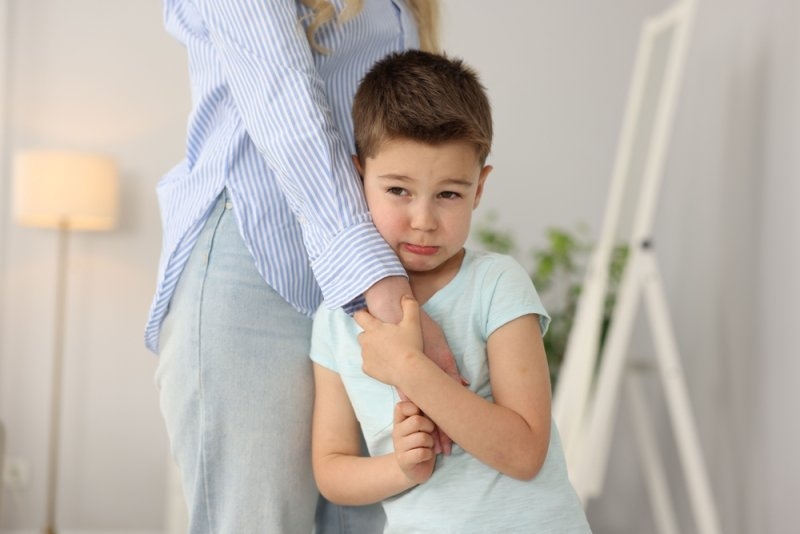
 Separation anxiety in babies results from the emotional response to being away from a primary caregiver, usually the mother or father. The babies develop strong attachments to their caregivers, who provide daily sustenance, comfort, and security. When such a familiar figure is absent, even for a short period, the baby might feel quite exposed, apprehensive, and uncertain.What Is Separation Anxiety in Babies?Separation anxiety is related to a baby's mental and emotional development. For several months after birth, a newborn baby has no conception of permanence; once something or someone is out of sight, they consider they have ceased to exist. This is the reason behind the fact that very young infants are apparently not likely to suffer from separation anxiety. As they develop and the brain matures, however, they begin to learn that people and objects still exist, even when hidden. This marks a landmark in cognitive development called object permanence, and it initiates separation anxiety. Learn More: Ways to Teach Your Child How to Build Emotional ControlA baby will start to react with distress when a separation takes place once they realize that their parents can leave and exist elsewhere. Your little one may feel anxious when you leave the room, unable to know if and when you will return. It may be a troubling phase, but it is a good sign of healthy development emotionally and cognitively.When Does Separation Anxiety Start in Babies?Separation anxiety does not usually appear in newborns but starts developing between 6 to 8 months of age. This is when babies begin to grasp the concept of object permanence and recognize that their caregivers can leave them. During this time, they become more aware of their surroundings and the people around them, increasing their preference for familiar faces.At around 9 to 12 months, separation anxiety often becomes more intense. Babies may cry or become clingy when their caregiver leaves, even briefly. This period is particularly challenging because babies also become more mobile-crawling or even attempting to walk-which can make them more anxious about being separated from their caregivers.For some babies, separation anxiety can peak between 12 to 18 months, when they are still learning to regulate their emotions. By this stage, toddlers may experience separation anxiety in more situations, such as when a parent drops them off at daycare, leaves them with a babysitter, or puts them down for bed.How Long Does Separation Anxiety Last in Babies?Separation anxiety starts to fade by age 2 or 3 as toddlers become more independent and confident in navigating their surroundings. By this age, they also develop a better understanding of time, which helps them realize that when a parent leaves, they will return.However, it is essential to note that separation anxiety can resurface at different developmental stages, particularly during major life changes such as starting daycare, moving to a new home, or the arrival of a new sibling. If a child continues to show intense distress beyond the toddler years, it may be helpful to consult a pediatrician to rule out any underlying anxiety disorders.Signs of Separation Anxiety in Babies at Night1. Increased Crying and Fussiness at BedtimeBeing among the most hallmarks of night separation anxiety increase from crying, fussing, or perhaps resistance when bedtime approaches. A baby that was once absolutely calm and peaceful when it was time to head for bed might suddenly protest: crying as soon as it is put in a crib or refusing to settle. This behavior occurs during the period where babies start linking sleep with separation, the moment they feel some form of separation with their caregivers; anxiety sneaks in, and it takes their ability to relax and sleep.2. More Waking from Sleep at NightAnother significant indication of separation anxiety making itself felt at night is that those babies who used to sleep through the night now wake up repeatedly multiple times. This waking is no longer just in answer to hunger, dirty diaper, or discomfort; it now becomes an insistent search for reassurance by a caregiver. They may cry or call out until their parent attends, and too often to get back to sleep without the comfort they really need.3. Clinginess During the Bedtime RoutineThey become especially clingy and attached during sleep hours, perhaps the most definitive signs that separation anxiety is drawing close in development. They might just scream their lungs out, cling to you for dear life, or demand extra rocking or nursing in place of proceeding quietly through their bedtime routine. Getting them set down in their crib tends to be a bigger challenge than moving from your hold and putting them down. That extra clinginess is one clear indication that your baby is feeling insecure about being left alone and is extending time with you.4. Fearful Reactions When You Leave the RoomA baby experiencing nighttime separation anxiety may let out a cry of distress the moment a caregiver leaves the room. You can see it even when the baby is not asleep-she may cry and reach out for you because she has not settled yet when she has been placed in the crib while still awake. For some babies, just the light turning off or a step toward the door is enough to send them into a panic. They're learning that you can leave them, and then the fear of separation attached becomes enormous.5. Struggling to Settle by Perhaps Needing Comfort Most of the babies with separation anxiety do not seem to be very good at self-soothing their way back to the sleep they once had at night. Instead of learning to turn and go back to sleep once they wake up, they cry out for a caregiver to come back to them. Most times they will have to be rocked, patted, or even picked up before they can feel secure enough once again to fall asleep. This leads to sleepless nights for parents, who feel that they must always be at the "beck and call" of the baby.Check This Out: Separation Anxiety In Children And How Parents Can helpHow to Deal with Separation Anxiety in Babies1. Gradual Short Separations to Build TrustOne of the best ways to help your baby overcome separation anxiety is by introducing short, manageable periods of separation during the day. Start by leaving them with a trusted caregiver for a few minutes and gradually increase the time. For example, you can leave the room while they play and reassure them when you return. This practice helps your baby learn that separations are temporary and that you will always return. Over time, their confidence will grow, making longer separations easier to handle.2. Repetitive and simple goodbye ceremony.To assure your little one, consistently rely on a simple yet general farewell ritual. Perhaps hugging, kissing, and saying, "I'll be back soon," suggested that leaving is quite normal and momentary. Keep those short and sweet, however-control avoiding overly long and hesitating time that would magnify anxiety for your child. If you leave confidently, your baby will feel reassured and less distressed. 3. Keep it cool and reassure while parting.Babies are susceptible to their caregivers' emotions. If you seem nervous, guilty, or upset when leaving, your baby would pick that behavior up and get much more anxious about the whole thing. Remain calm yet confident when reassuring. Cheerful goodbye coupled with a relaxed demeanor will help your baby understand that it's nothing to worry about. It will teach him that indeed there are parts of life wherein you must leave, but these are not things that should be feared.4. Encourage Independent PlayingLet your baby have opportunities to play all alone while you are around. Start by sitting close to him/her while he/she plays, then gradually move some distance away. He/she will get accustomed to entertaining himself/herself with time without requiring continued physical contact with a person.5. Introduce the Comfort ObjectMost babies incorporate a well-known stuffed animal, blanket, or another named object into a feeling of safety that can be soothing for them when their caregiver is not around. Introducing the comfort object can give you that sense of security when the baby separates, such as at bedtime or when being left with a babysitter. Under one year old, make sure that it is sleep-safe by not having anything that could suffocate it.How to Deal with Separation Anxiety in Babies at Night1. Maintain a Consistent Bedtime RoutineA predictable and calming bedtime routine can signal to your baby that it is time to sleep. This routine might include a warm bath, a bedtime story, gentle rocking, and soft lullabies. By following the same sequence of events each night, your baby will begin to feel more secure and understand that bedtime is a normal part of the day.2. Offer Comfort Without Over-RelianceIf your baby wakes up crying due to separation anxiety, it is important to comfort them-but without creating a dependency on your presence. Instead of picking them up immediately, try soothing them with a gentle pat on the back or soft words of reassurance. Gradually reduce the amount of intervention you provide so that they learn to settle themselves back to sleep.3. Leave a Familiar Scent for ReassuranceLeaving your odor on something like a shirt you have worn recently will increase a sense of security for the child. The comfort of the familiar scent will soothe a child into believing that you are somehow there, even if you are not physically present. This is especially beneficial for babies who are strongly attached to particular caregivers.4. Use White Noise or Night Light for ComfortMost babies sleep better when the environment is steady and soothing. For those little ones, white noise machines can be handy in blocking out household sounds that might be bothersome, whereas dim nightlights can help prevent total darkness from being frightening. These tiny additions to the baby's sleep routine can go a long way in making the environment calming and reassuring. 5. Gradually Teach Self-Soothing SkillsTeaching your baby to drift off to sleep alone is an important aspect to take in battling separation anxiety at night. Place them in the crib when drowsy but not asleep. This will allow them to learn how to fall asleep on their own without being rocked, nursed, or held. Over the course of some time, they will learn how to become independent sleepers, thereby decreasing their night-waking due to separation anxiety.Also Read: 5 Activities to Promote Emotional Well-Being in ChildrenConclusionSeparation anxiety is a normal stage in the development of most babies. Though this stage can surely be trying for both parent and child, there are gentle and consistent ways to teach security to a little one. With time, reassurance, and a soothing bedtime routine, a baby will ultimately learn to peacefully sleep while knowing their caregiver will always return.

How To Understand Your Child's Behavior?

One of life's most satisfying and difficult jobs is that of a parent. Each child is different: with their character, emotions, reactions to the external world, etc. Sometimes deciphering a child's behavior seems like an equation of great complexity. One moment they are being loving and delightful, and the next, they are in tears over an explanation that seems trivial to adults. But every behavior has a cause, some psychological trigger behind it. The secret to raising a happy child is to overcome child behavior issues by identifying patterns, understanding triggers, and coaching children on the appropriate expression of their feelings. Understand Your Child's Behavior 1. Developmental Stages and MilestonesA toddler throwing a tantrum in the middle of a store is not being intentionally difficult; the child is just overwhelmed with emotions and lacks the ability to regulate them. Likewise, a teenager may appear disrespectful when challenging authority, but the adolescent is actually testing limits in the journey toward independence.Each developmental phase possesses its own peculiar set of behavioral characteristics. Newborns cry as their way to communicate; toddlers are pushing for autonomy and independence by being willful; school-aged children are now beginning to understand social bonding; and teenagers months are used up with programs and sports but few days are spent in class-are all trying to be as autonomous as possible. Recognizing behavior that matches a specific age will enable parents to respond with understanding and empathy, as opposed to frustration.  Learn More: Recognizing Narcissistic Behavior in Kids and Intervention 2. Emotional Triggers and NeedsHuman beings generally have emotions, while children show emotions through behaviors. Triggers for behaviors are anxiety, frustration, sadness, delight, and boredom. A child might become clingy when anxious about starting school, whereas another child might throw a tantrum when frustrated with his homework.Understanding emotional triggers and causes pave the way for parents to remediate behavior that they deem undesirable. Expressing one's emotions in words, through artistic activities, or even in words combined with action can help the child regulate those emotions.3. Environmental InfluencesAnother major influence in shaping the behavior of the child is the environment in which they find themselves. Family dynamics, school environment, friends, and media act as acts of influence on behavioral tendencies. A child raised in a structured, predictable, and reinforceable way is more likely to show desirable behaviors, whereas a child from an environment of inconsistency may show symptoms of emotional distress.Behavior issues in children can be done with a model of the behavior that they see. Caregivers' kindness, patience, and problem-solving are likely to be seen in the child, while aggression and negativity may foster behavioral problems.4. Basic Needs Not MetSometimes, an apparent behavioral problem is just a manifestation of a need for something concrete. For instance, the very basic needs of a child, such as hunger or sleeping needs or overstimulation or attention-seeking, can elicit a behavior from the child. An overtired child may be difficult and uncooperative, while a hungry child is more likely to cry or throw a tantrum. Making sure that some of the basic needs are met could deter many usual behavioral problems from escalating into a bigger problem. Common Behavior Issues in Children 1. Tantrums and Emotional OutburstsTantrums are a normal part of early childhood development, particularly in toddlers who are still learning how to manage their emotions. A tantrum may involve crying, screaming, kicking, or even throwing objects. While these outbursts can be frustrating for parents, they usually stem from feelings of frustration, overstimulation, or the inability to communicate effectively.Instead of punishing a child for a tantrum, it's important to help them navigate their emotions. A calm and reassuring approach, such as offering a hug or using soothing words, can make a significant difference. Over time, teaching them simple emotional regulation strategies-like taking deep breaths or using words to express their feelings-can help reduce tantrums.2. Defiance and OppositionJust as the child grows, the child begins to feel his or her independence is under issue. Thus, there are defiant behaviors like outright refusal of orders, back-talking, and intentional noncompliance. While some level of defiance is acceptable, consistent oppositional behavior may suggest that deeper issues exist: these could entail difficulty in fitting with rules or emotions. Parents may find the best way of handling defiance by considering the establishment of clear limits with consistent execution and providing options whenever possible. Instead of saying, "Put your shoes on now," a wiser method would be, "Do you want to wear the blue shoes or the red ones?" Giving the child a sense of choice helps them feel empowered while also complying with the rules.3. Aggressive or Violent BehaviorSome children express their frustrations through physical aggression, be that hitting or biting or some very loud yelling. Such expressions are at times reactions to extreme feelings rather than any consideration of intent to hurt. Impulse control may be a problem for very young children, while older children may adopt aggressive behavior in response to stress or peer pressure. When dealing with aggression, it remains paramount to teach behavior issues in children through alternative ways of expressing their feelings. Alternatives include developing solutions together, role-playing appropriate behaviors and responses, and rewarding appropriate behavior. Should this behavior continue, it may be necessary to seek assistance from an appropriate professional. Check This Out: How Cognitive Behavioral Therapy Helps Teens Manage Anxiety 4. Attention-seeking behaviorSome children act out in order to gain attention from parents, teachers, or peers. This may involve interrupting conversations, exaggerating their emotions, or behaving disruptively. Although it can be frustrating, attention-seeking usually means some need for connection. If positive attention is offered to children in forms of quality time, praise, and active listening, attention-seeking behaviors are diminished. A child who feels valued and heard will be less likely to act out. 5. Lying or Dishonesty.Lying is more or less universal behavior issues in children as they are developing a sense of what truth means and of its consequences. Younger children lie to avoid punishment or impress someone, while older ones use lying as a defense mechanism. Instead of bringing down the hammer on the child when he expresses himself oddly by lying, parents should use that as a great opportunity to teach. By fostering open communication and emphasizing how much honesty is valued, children learn the importance of honesty and develop integrity as they grow. Child Behavior Issues Help 1. Open Communication and Active Listening Communication should remain open so that children feel understood and supported. During times of sadness, acknowledge the child's feelings by asking, "What is wrong?" or "How are you feeling?" Understanding means listening with no judgment; active listening creates an environment in which they feel safe to communicate well. 2. Be Clear About the RulesChildren thrive on structure and routine. Children need to understand clear expectations and consequences in order to know what behaviors are acceptable and what behaviors are unacceptable. These boundaries should remain in place once established-if you change the rules constantly, your children become confused and frustrated.3. Teach Emotional RegulationTeach them about their emotions and calming strategies. Such strategies may include deep breathing, counting to ten, or using their words rather than their actions. That empowers children to respond to challenging situations. 4. Role Model Positive BehaviorChildren learn from the modeling of their parents and caregivers. These models include patience, kindness, and problem-solving. If parents and caregivers model such behavior, children are likely to lend themselves to these behaviors when interacting with peers.5. Seek Professional Help When NeededIf these behavior issues persist and are affecting the child's well-being, the pediatrician, therapist, or child behavior issue specialist is the option to consider for extra help. Getting involved early can lessen the chance of long-term repercussions while teaching the child healthier coping strategies. Also Read: Understand How to Manage Your Child's Behavior in Public Conclusion It is important to understand your Child's Behavior with time, patience, and empathy. Every action, whether positive or challenging, is a way for them to communicate their needs. Parents can nurture their children's emotional and social growth by recognizing developmental stages, addressing emotional triggers, and implementing positive discipline. Parenting isn't about achieving perfection but guiding children with love, consistency, and understanding. Frequently Asked Questions 1. Why do tantrums happen with children, and how should I respond?Tantrums happen when children are struggling to express emotions. Keep calm and validate their feelings, and teach them some techniques for emotional regulation like deep breathing or using words to express how they are feeling. 2. How can I tell if my child's behavior is normal or if there's something deeper causing it?A child misbehaving now and again is quite normal; however, unprovoked aggression, extreme defiance, or withdrawal frequent enough to interfere with life may well indicate deeper emotional difficulties. Consulting with a child psychologist can clarify and guide you.3. How do I respond if my child is a constant liar?What is the need for the lies? Is it to avoid punishment? To be noticed? A struggle for control? Create an atmosphere where he is not punished for an honest mistake.4. How do I manage my childĀ“s defiance without being too strict or too permissive?The key is to be firm and empathetic. Set clear expectations for behaviors, allow choices to enhance independence, enforce consequences in a consistent way, and validate their feelings while offering opportunities for problem-solving.5. If I feel that my child's behavior is disorderly, under what conditions should I seek professional help?If the behavior impacts daily life and schooling to the extent that those areas are bothersome, it would be time to consider outside help. The earlier the intervention, the more opportunity the child has to work out healthy coping mechanisms for well-being in the longer term.

Top Fun Activities Needed For Nurturing creativity in Kids

 Imagination is an essential element of development in children. It becomes the basis of problem-solving and innovation and learning for adaptation to changing and challenging environments. Creativity is entirely different from the other kinds of skills one learns, like riding a bicycle or solving mathematics problems. It is general in character-it permeates a way of thinking and exploring much of life. When parents actively stimulate the creativity of their children, they prepare them to deal competently and curiously with an ever-changing world.Overview of Nurturing Creativity in KidsCreativity has not only everything to do with an art; it is also a way of looking at the world and finding innovative solutions. For kids, creativity is a natural part of their development. They imagine new worlds, develop original ideas, and use their environment as a canvas to express their thoughts. However, it is intentionality from parents that makes creativity happen.First, creativity thrives in an environment where a child feels safe to explore with the knowledge that failure is not going to go along with it. It is important to let a child try and fail: for instance, if a child paints outside the lines or builds a tower that ultimately collapses, learning takes place: resilience, adaptability, and the joy of asking why.Creativity will need to be nurtured through accessing a wide variety of resources. This means having materials and opportunities for experimentation in all domains-from art to music, from science to storytelling. Of course, another excellent way to promote creativity in children is modeling the behavior themselves-parenting by abnormal problem-solving or taking part in hobbies themselves. Learn More: Combining Fun and Fitness: Healthy Activities for Kids Fun Activities for Kids to Nurture CreativityArt and Craft ProjectsArt and craft projects provide an open-ended way for kids to express themselves. When children can access supplies like colored paper, paints, glue, markers, and recycled objects, their imagination knows no bounds. These projects don't have to be overly structured; the key is to let kids take the lead. For example, instead of giving them a template for a drawing, encourage them to draw what makes them happy or imagine a new world on paper. Crafting also develops fine motor skills and the ability to plan and execute ideas.Storytelling SessionsBring your kids into storytelling. It's a great activity for developing creativity and communication skills. Ask your child questions like, "What would it be like if animals could talk?" or "What if you woke up on another planet?" to touch off their imagination and allow them to think of their own stories as they'd like to narrate them, write them down or illustrate them. Undoubtedly, parents can get in touch with their kids by asking them for further details regarding the imaginary tale or by co-creating it with them. It awakens the creative part in them as well as encourages confidence while sharing their ideas. Storytelling teaches the right way to process emotions; learning about narrative structures and getting them to speak critically about characters and environments.Science ExperimentsLittle kids are natural scientists. They ask "why" and "how." These questions can be solved with very easy experiments to get them to learn about science through their experiences. Simple baking soda volcanoes, slime making, or growing crystals are amazing activities that have the potential to fuse play with science. It teaches children to observe, forecast results, and analyze. Encourage discussions around a wider canvas-the cause-and-effect link, properties of materials, and an introduction to chemistry.Nature ArtTo get your child involved with external activity, nature is one of the very few sources for creative inspiration. Just walking outside can turn into an artistic adventure. Collecting leaves, rocks, twigs, or flowers with your child and then using them for collage, sculpture, or other nature-inspired drawings teaches an appreciation of the natural world. Nature art is both inspiring and strengthens a child's roots in the environment, as they are learning to see beauty and possibility in the world around them while learning about self-sufficiency and sustainability.Music and Dance ImprovisationMusic and movement are incredible outlets for creativity. Whether your child has access to musical instruments or uses pots and pans as drums, they can create their own rhythms and songs. Similarly, turning on music and encouraging free-form dancing helps them express themselves physically and emotionally. Improvisation in music and dance also helps children build coordination, rhythm, and self-confidence. Check This Out: Exploring Gymnastics: From Basics to Benefits and Beyond Imaginative Play Ideas  Pretend PlayPretend Play Making Children love to play roles stepping into shoes of someone else. They can have fun pretending to be someone else in a pretend world for the purpose of exploring a perspective, developing empathy. Whether it is pretending to be a chef working in a restaurant, an astronaut exploring outer space, or a doctor caring for patients, they are involved in problem-solution and critical thinking.DIY Puppet TheatreMaking and performing puppet shows is a really catching activity for kids who are discovering how to tell stories or create characters. Puppets can be made with socks, paper-bag puppets, and even with their hands. When the puppets are ready, they can also allow the children to design a stage with a curtain or create a performance area by using a table.Cardboard Creations These giant cardboard boxes are an empty page on which children can paint their imagination with anything they'd like to. From castles to spaceships, cars, forts-they are building. Painting, pasting stickers, or drawing with markers on these creations adds another dimension to the fun. This also gives a taste of engineering as it gets them thinking about how to have solid structures or moveable parts. Parents may get involved to make it a joint activity.Treasure HuntsA treasure hunt includes creativity, problem-solving, and a physical workout. Objects could be hidden all over the house or even in the yard, and then, parents create clues, or riddle-related mind games that lead children from one place that would hold treasure to the next. Treasure hunts can also be theme-based - pirates, fairies, explorers, etc. - so they are a great activity for all ages.Imaginary Travel AdventuresChildren love to imagine far-off places, and parents can guide them in creating "travel adventures" to fictional lands or real countries they'd like to explore. Research together what people in those places might eat, wear, or do, or completely invent a world with its own rules and culture. This activity introduces kids to geography and culture while expanding their understanding of diversity and creativity.Tips for Parenting Creative ChildrenEmbrace New ConceptsReward the novelty of their ideas. When they try something new, praise their work: if they build with blocks a not very advisable building, praise it for the imaginative model that it is instead of how functional it is. This will hone their skill in encouraging further experimentation, thereby boosting confidence.Limit Considerable Schooling freeIn unfettered times, children have to air out their imagination. Creative juices do get dried when the school schedule is jampacked by classes and extracurricular activities. Allow opportunities between structured learning and doing nothing at all so that they can just play and daydream freely.Encourage Collaboration Creativity often thrives in group settings. Encourage your child to work on joint projects with siblings, friends, or classmates. This may be duos in building a model, staging a play, or writing a story together: such activities teach kids teamwork on how to see different viewpoints.Value Your Time Online Technology is a tool for many creative individuals but overexposure to it has been associated with people merely becoming passive consumers. Ensure that your child pursues practical creation rather than merely viewing or playing games. If your child does draw with an app or writes programs, these may be exceptions.Positive Reinforcement Focus more on the act instead of the result. So, with a creative project that your child is working on, recognize the effort, perseverance, and ingenuity used rather than critiquing the final product as it takes on a growth-oriented viewpoint. Also Read: 10 Fun Daily Physical Activities and Games for Kids to Stay Active and Healthy ConclusionCreativity is a vital skill that children need to navigate and thrive in today's world. By creating an environment that encourages exploration, providing diverse opportunities for creative expression, and engaging in activities that ignite the imagination, parents can help their children develop a lifelong love for creativity. Whether through art, storytelling, pretend play, or simple experiments, these activities entertain and equip children with skills like critical thinking, problem-solving, and collaboration.

Stay in the Loop