Raising Kids


Make your child's first day of preschool a memorable one

The first day of preschool is a significant milestone for children and their parents. It marks the beginning of a new chapter in a child's life, transitioning from the home environment to a more structured educational setting. This day is filled with excitement, anticipation, and, often, a bit of anxiety. Preschool is a place for children to make new friends, explore new activities, and embark on their learning journey. For parents, it's a moment of pride mixed with the bittersweet realization that their little one is growing up.Anxiety of a Child and Parents for the First Day of PreschoolIt's normal for children and parents to feel anxious about the first day of preschool. Children may fear being separated from their parents, facing unfamiliar surroundings, or meeting new classmates. They might wonder if they will make friends or if their teacher will be excellent. Parents can have many concerns: Will my child fit in? Will they be safe? Will they enjoy it? Open conversations about these anxieties can help both parties prepare mentally and emotionally for this significant day. Creating an understanding environment where feelings are acknowledged and reassurances are plentiful is essential.Learn More: Understanding Insecure Attachment Style in ChildrenPrepare Your Child for the First Day of PreschoolVisit the Preschool TogetherBefore the first day, arrange a visit to the preschool with your child. Touring the facility can help them become familiar with the environment, easing their anxiety. Walk through the classrooms, playground, and areas where their belongings will be kept. Encourage questions and explore together.Meet the TeacherSchedule a meeting with the teacher beforehand. This personal connection can help your child feel more comfortable. Discuss their teaching style and what your child can expect in the classroom.Read Books About PreschoolUtilize children's literature to discuss starting preschool. Books like "The Kissing Hand" or "Llama Llama Misses Mama" can help children relate to their feelings and understand the preschool experience. Reading together can also ignite excitement about this new adventure.Practice Independence SkillsEncourage your child to practice basic self-care skills. This includes using the bathroom independently, washing their hands, and putting on or removing their coats. Building these skills can boost their confidence and ease their worries about managing in a new environment.Discuss Feelings OpenlyInitiate conversations about their feelings regarding starting preschool. Ask open-ended questions like, "What are you most excited about?" or "What are you worried about?" Reassure them that it's perfectly normal to feel excited and nervous and that many other children share these feelings.Ways to Deal with a Child's Emotions on the First DayAcknowledge Their FeelingsIt's essential to validate your child's emotions. Let them know feeling scared or sad about the first day is okay. Acknowledging their feelings can help them feel understood and supported.Stay Positive and EnthusiasticYour attitude can significantly influence your child's outlook. Show excitement about preschool, talk about all the fun activities they will do, and encourage them to look forward to making new friends.Create a Goodbye RitualEstablishing a special goodbye ritual can ease the transition. Whether it's a special handshake, a hug, or a fun saying, having a consistent way to say goodbye can make parting feel more secure.Reassure Them About Your ReturnRemind your child that you will pick them up at the end of the day. Discuss what they might do while you're apart and reassure them that preschool is a safe place.Keep Goodbyes Short and SweetProlonged goodbyes can increase anxiety for both the child and the parent. A quick and loving farewell helps make the transition easier. Prolonging the goodbye often leads to more tears and can set a negative tone for the day.Must Read: Expert Tips for Dealing with Toddler Tantrums in Any SituationMost Common Preschool Fears and How to Ease ThemFear of SeparationSeparation anxiety is one of the most common fears. To help ease this fear, practice short separations before the big day. For instance, arrange playdates where you can step away for a little while, allowing them to get used to being apart.Fear of the UnknownChildren often fear what they don't know. Familiarizing them with the preschool environment, the daily routine, and what they will learn can help alleviate this fear. Role-playing can also help children visualize their day.Fear of New PeopleMeeting new teachers and classmates can be daunting. Please arrange playdates with future classmates. Getting to know other children beforehand can significantly reduce feelings of isolation on the first day.Fear of FailureYoung children often worry about their abilities and may feel anxious about trying new things. Encourage a growth mindset by praising their efforts and trying new activities together. Remind them that making mistakes is part of learning.Fear of Missing HomeChildren may worry about being away from home. Give them a small, comforting object to take with them, such as a family photo or a favorite toy. This can be a tangible reminder of home and provide comfort throughout the day.First Day of Preschool Signs to KnowExcitement: Your child might express enthusiasm about starting preschool by talking about it frequently or showing eagerness to go.Nervousness: On the other hand, they might show signs of anxiety, such as clinging to you or crying when discussing the first day.Curiosity: Children often ask many preschool questions, showing interest and apprehension about the new experience.Sleep Changes: Changes in sleep patterns, such as difficulty falling asleep or waking up frequently during the night, can indicate anxiety about the upcoming transition.Physical Symptoms: Complaints of tummy aches, headaches, or other bodily symptoms can be signs of anxiety manifesting in your child's body.Best Ways to Handle Preschool Drop-OffStay Calm and Collected: Your emotions can significantly impact your child's feelings. Stay calm and positive during drop-off. If you appear anxious, your child may mirror that emotion.Be Consistent: Develop a drop-off routine that you can stick to daily. Consistency helps children feel secure and understand what to expect.Keep Goodbyes Short: Prolonged goodbyes can increase anxiety for both the child and the parent. A quick and loving farewell is often more effective.Trust the Teachers: Remember that preschool teachers are experienced in helping children transition into school life. Trust their ability to support your child and ease their fears.Communicate with the Staff: If your child is struggling with anxiety, don't hesitate to inform the teachers. They can provide additional support and monitor your child's feelings throughout the day.Check This Out: Etiquette Essentials: Nurturing Manners from Childhood LevelFirst Day of Preschool Ideas for TeachersWelcome Signs: Create colorful, welcoming signs with each child's name to display on their cubby or classroom wall. This small gesture can make children feel recognized and valued from the very start.Personalized Name Tags: Provide fun and creative name tags for each child to wear. This helps with name recognition and promotes social interactions among the kids.Interactive Activities: Plan engaging activities that encourage children to interact and get to know each other. Icebreakers can help break the initial awkwardness.Comfort Corners: Set up a cozy area with books, stuffed animals, and calming toys for children needing a quiet space to regroup during the day.Parent Communication: Send reassuring notes or emails to parents about how the first day went. This helps keep parents informed and reassured about their child's experience.Activities for the First Day of PreschoolName Games: Introduce fun games to help children learn each other's names, such as passing a ball around and saying their names.Story Time: Kick off the day with a story about starting school. Engaging stories can set a positive tone and ease anxieties.Art Projects: Simple craft projects that allow for creativity can help children express themselves and take home a souvenir from their first day.Circle Time: Gather everyone for circle time, where you can sing songs, share stories, and discuss the day's activities.Outdoor Play: Allow time for outdoor exploration and play. This helps children burn off energy and feel more comfortable in their new environment.Snack Time: A relaxed snack time can allow socialization and help children recharge during the day.Show and Tell: Encourage children to bring something from home to share. This activity promotes sharing and communication among classmates.Building Blocks: Set up an area with building blocks or Legos where children can collaborate and collaborate creatively.Music and Movement: Incorporate fun, interactive music sessions where children can sing and dance, promoting physical activity and engagement.Goodbye Circle: End the day with a particular goodbye circle, where children can share their favorite part of the day and reflect on their experiences.Also Read: Kids Against Maturity: The Ultimate Family Bonding GameConclusionThe first day of preschool is a significant step for children and parents. With the proper preparation, understanding, and support, it can be a positive and memorable experience that sets the stage for a love of learning and social engagement that lasts a lifetime. Following these tips and reassurance can help ensure a smooth and enjoyable transition for everyone involved.FAQsHow can I help my child adjust to preschool?Preparation is key. Visit the preschool beforehand, meet the teacher, and discuss what to expect. Establish a positive routine leading up to the first day and engage in activities that promote excitement about this new adventure.What should I do if my child cries at drop-off?It's common for children to cry initially. Keep goodbyes short and reassure them that everything will be okay. Trust the teachers to handle the situation; they are trained to comfort and support children. Often, children settle down quickly once their parents leave.How can I stay informed about my child's day at preschool?Maintain regular communication with the teacher. Ask about your child's progress, daily activities, and social interactions. Attend parent-teacher meetings or events and utilize any communication tools the school may provide, such as newsletters or parent portals.

Solitary Play for Kids and It's Role in Their Development

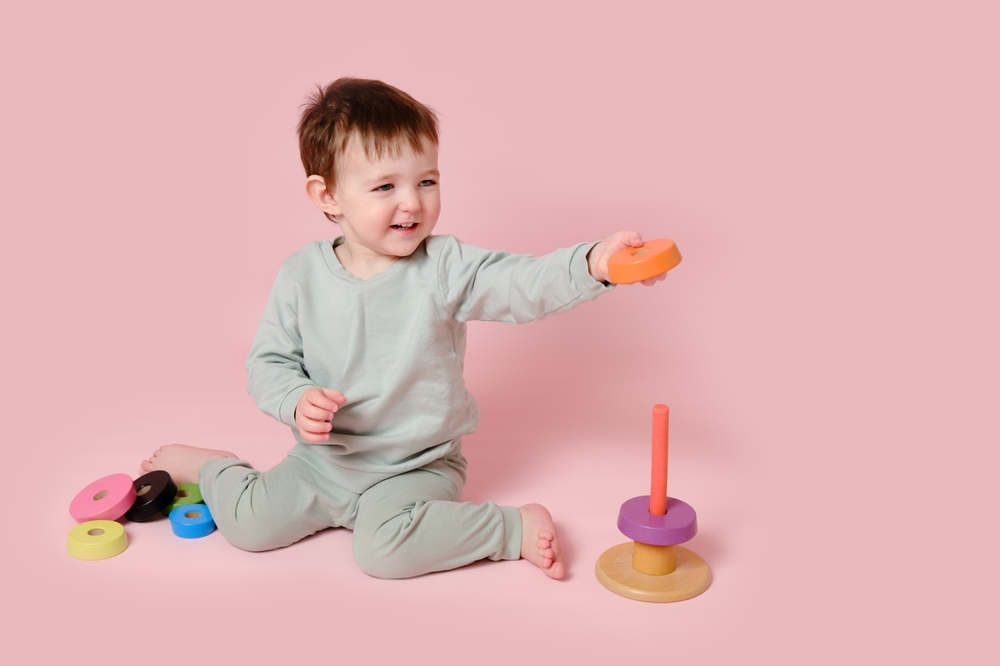
Solitary play, also known as independent play, is a fundamental stage of childhood development where children engage in activities alone, without interaction from peers or adults. This type of play allows children to explore their interests, use their imagination, and learn independently. It begins in infancy and continues through early childhood, evolving as children grow and develop new skills.When Does Solitary Play Begin?Solitary play emerges naturally in infancy as babies independently explore objects and their surroundings. It becomes more pronounced during the toddler years when children actively engage in solitary activities such as stacking blocks, drawing, or playing with toys on their own. As children mature, solitary play evolves into more complex forms involving imaginative scenarios, problem-solving challenges, and creative endeavors.Learn More: Improve Decision-Making In Kids: 11 Exciting And Fun GamesImportance of Solitary PlayCognitive DevelopmentSolitary play is crucial for mental development as it stimulates problem-solving skills, spatial awareness, and logical thinking. Children playing alone can experiment with different ideas and outcomes without external influences.Emotional RegulationPlaying alone helps children manage their emotions independently. It provides a safe space for them to explore feelings, cope with frustration, and develop resilience when faced with challenges.IndependenceEngaging in solitary play develops independence and self-reliance in children. They learn to entertain themselves and initiate activities without relying on constant guidance or interaction from others.Imagination and CreativitySolitary play encourages imaginative thinking and creativity. When left to their own devices, children often create elaborate storylines, build intricate structures, or invent new games, stimulating their imagination and expanding their imaginative boundaries.Focus and ConcentrationSolitary play promotes focused attention on a task or activity. Children learn to sustain their concentration and see tasks through to completion, which is essential for academic success and personal achievement.Benefits for Children Playing Alone at SchoolCognitive DevelopmentSolitary play stimulates cognitive development by encouraging children to explore, experiment, and problem-solve independently. Children playing alone can manipulate objects, test theories, and discover cause-and-effect relationships without external interference.Emotional RegulationSolitary play provides children with a safe space to manage emotions and develop emotional resilience. They learn to cope independently with frustration, boredom, or excitement, which is crucial for emotional maturity. Through solitary play, children practice self-soothing techniques and learn to regulate their emotional responses without relying on external validation or support.Independence and Self-ConfidenceEngaging in activities alone gives children a sense of freedom and self-reliance. They learn to initiate and complete tasks without constant supervision or guidance from adults, which boosts their self-confidence and positive self-concept. Successfully mastering challenges during solitary play builds a sense of achievement and reinforces their belief in their abilities.Creativity and ImaginationSolitary play encourages children to tap into their creativity and imagination freely. Without the constraints of peer influence or structured rules, children can invent new games, create imaginary worlds, and explore limitless possibilities. This imaginative play nurtures creativity, innovation, and the ability to think outside the box, which are essential problem-solving and artistic expression skills.Focus and ConcentrationPlaying alone helps children develop sustained attention spans and concentration skills. They learn to fully immerse themselves in an activity, whether building with blocks, solving puzzles, or engaging in imaginative play scenarios. This focused attention promotes deep learning and allows children to delve deeply into tasks, leading to greater mastery and understanding.Check This Out: Unlocking Potential: Top Extracurricular Activities For KidsSelf-Directed LearningSolitary play encourages self-directed learning, where children take the initiative to explore topics of interest independently. Books, conducting simple experiments, or practicing skills like drawing or writing, children actively seek out knowledge and skills that captivate their curiosity.Problem-Solving SkillsThrough solitary play, children encounter challenges and obstacles that require problem-solving skills. They learn to analyze situations, devise strategies, and experiment with different approaches to achieve their goals. This trial-and-error process builds resilience and enhances their ability to think critically and creatively when faced with complex problems.Language and Communication SkillsWhen engaged in solitary play, children often engage in self-talk and narration. They may describe their actions, create dialogue for their toys or characters, or engage in storytelling. This imaginative play enhances language development, vocabulary acquisition, and communication skills as children practice expressing themselves verbally and non-verbally.Risk-Taking and ExplorationSolitary play encourages children to take risks and explore their physical and social boundaries in a safe environment. Children learn about their capabilities and limitations, whether climbing, experimenting with new materials, or engaging in adventurous play scenarios.Social Skills DevelopmentWhile solitary play primarily focuses on independent exploration, it indirectly supports the development of social skills. Children learn to negotiate, compromise, and interact with others through the scenarios they create or the stories they tell during imaginative play. They also develop empathy and perspective-taking skills as they imagine themselves in different roles or situations, enhancing their ability to understand and relate to others.Top Examples of Kids Playing AloneChildren construct elaborate structures using building blocks, experimenting with balance, symmetry, and spatial relationships. They immerse themselves in drawing or coloring activities, expressing their creativity through colors, shapes, and artistic expression. Solving puzzles independently challenges children's problem-solving abilities and enhances their spatial reasoning skills. Engaging in imaginative play scenarios with dolls, action figures, or stuffed animals allows children to create and act out stories with creativity and social understanding. Children hook to books or picture stories, exploring new worlds, characters, and ideas while enhancing their literacy skills and love for reading.How to Help Children in the Solitary Play StageYou can create a designated play area that is safe and free from hazards, where children can explore and play independently. Alternatively, you can arrange for rotating toys and provide diverse materials that encourage different types of play, from building sets to art supplies and books. Set aside regular times for solitary play to help children understand its importance and develop a sense of structure and predictability. Encourage children's natural curiosity by allowing them to independently explore new activities and interests. Observe children during solitary play to understand their preferences and interests. Offer encouragement and praise for their efforts and accomplishments.Tips for Parents to Help Children in the Solitary Play StageObserve and Participate: Observe your child's solitary play sessions. Offer to participate when invited but also respect their need for independent exploration.Avoid Overstimulation: Avoid overwhelming your child with too many toys or activities. Provide options but allow them to choose and focus on one activity at a time.Create a Playful Environment: Creativity by providing open-ended toys that encourage imagination and problem-solving, such as blocks, art supplies, or dress-up clothes.Encourage Outdoor Play: Outdoor environments are ideal for solitary play, from exploring nature to physical activities like climbing, running, and playing in sand or water.Model Independent Play: Demonstrate the value of solitary play by engaging in hobbies or activities you enjoy alone, such as reading, gardening, or crafting.Balance with Social Play: While solitary play is essential, encourage social interactions through playdates, group activities, and opportunities to collaborate with peers.Support Transitions: Help children transition smoothly between solitary play and other activities by providing gentle reminders and setting expectations.Promote Healthy Screen Time: Limit screen time and encourage activities that promote active engagement and creativity, such as building, drawing, or storytelling.Celebrate Achievements: Acknowledge and celebrate your child's achievements during solitary play, whether they complete a challenging puzzle or create a masterpiece.Respect Individual Differences: Recognize that every child is unique in their preferences and pace of development. Allow space for them to grow and explore at their speed.Also Read: Discover the Amazing Benefits of Martial Arts for KidsConclusionSolitary play is a vital component of childhood development that supports cognitive, emotional, and social growth. Parents can nurture their children's independence, creativity, and overall well-being by understanding the benefits and providing opportunities for solitary play. Encouraging and celebrating solitary play allows children to thrive as they explore their interests, build skills, and develop a strong sense of self.FAQsIs it normal for children to prefer playing alone?Yes, it is normal for children to enjoy solitary play at times. It allows them to develop independence, creativity, and problem-solving skills essential for their development.How long should a child engage in solitary play?The duration of solitary play varies depending on the child's age, temperament, and interests. Depending on the child's engagement and focus, it can range from short periods to more extended sessions.Can solitary play improve a child's social skills?While solitary play focuses on independent exploration, it indirectly supports social skill and enhances confidence, creativity, and emotional regulation. These skills are essential for successful social interactions with peers.

Expert Tips for Dealing with Toddler Tantrums At Anytime

Toddler tantrums are a normal part of child development, typically occurring between the ages of 1 and 3. These emotional outbursts can include crying, screaming, kicking, and other intense frustration. Understanding the underlying reasons behind these tantrums is crucial for parents to manage them effectively. Tantrums are a child's way of expressing feelings and coping with new experiences. They also indicate that your child is developing independence and learning to manage emotions. Reasons Why Children Throw Tantrums Communication DifficultiesToddlers often lack the verbal skills to express their needs and emotions, leading to frustration and outbursts. They may want something but don't have the words to ask for it, or they may feel a complex emotion they can't yet name. This communication gap is a significant source of frustration for young children. Learn More: Exploring New Horizons: Help Your Child to Try New Things Desire for IndependenceAs children grow, they seek more autonomy and may throw tantrums when they can't do things independently. This desire for independence is a normal part of development, but it can lead to frustration when their abilities don't match their ambitions. OverstimulationAn overload of sensory input from their environment can overwhelm toddlers, resulting in tantrums. Loud noises, bright lights, or too many activities can be too much for a young child's developing nervous system. FatigueTired children are more prone to emotional outbursts due to their reduced ability to cope with frustration. A lack of sleep can significantly affect a toddler's mood and ability to manage emotions. HungerLow blood sugar levels can make toddlers irritable and more likely to have tantrums. Ensuring regular meals and snacks can help maintain a stable mood and reduce the likelihood of hunger-induced tantrums. Signs and Symptoms of Toddler TantrumsThese are the most common and noticeable signs of a tantrum. This vocal expression is a way for toddlers to release their frustration and signal their need for help. An attempt to express frustration physically. Toddlers may throw toys, food, or other objects to show their displeasure or to get attention. Physical expressions of anger or frustration. This behavior can be directed at parents, siblings, or even themselves. A dramatic expression of distress. This can be a way for toddlers to act out their intense emotions physically. Some toddlers may hold their breath during intense tantrums. This can be alarming for parents, but it is usually not harmful and resolves independently. Causes of Toddler TantrumsWhen toddlers feel intense emotions, they cannot manage. This can happen when they are excited, scared, or frustrated. Basic needs like hunger, thirst, or sleep deprivation. Ensuring these needs are met can help prevent many tantrums. Difficulty in accomplishing a task or activity. When toddlers can't do something they want to do, they may express their frustration through a tantrum. Unexpected changes can lead to feelings of insecurity and tantrums. Toddlers thrive on routine, and disruptions can be unsettling. Toddlers may throw tantrums to gain their parents' attention. This can happen if they feel they need more positive interaction from their caregivers. The Normality of Toddler TantrumsTantrums are a typical part of toddlerhood and a normal developmental phase. They are a child's way of expressing their feelings and learning to navigate their emotions. Most children outgrow tantrums as their communication skills and emotional regulation improve. Understanding that tantrums are a normal part of development can help parents respond with patience and empathy. Social Causes of Toddler TantrumsPeer Interactions: Conflicts with other children can trigger tantrums. Learning to share and play cooperatively is a challenge for many toddlers.Parental Reactions: Children may model their behavior based on how their parents handle stress and frustration. Children may mimic this behavior if parents react to stress with anger or frustration.Environmental Changes: Moving to a new home or starting daycare can cause stress and lead to tantrums. These changes can be overwhelming for toddlers, who rely on familiarity and routine for comfort.Parental Attention: Lack of sufficient positive interaction with parents can result in tantrums as a means of seeking attention. Ensuring regular, positive interaction can help reduce the need for attention-seeking tantrums.Sibling Rivalry: Competition for parental attention between siblings can cause tantrums. This is especially common when a new sibling is introduced to the family.Scientific Reasons for Toddler TantrumsBrain Development: The prefrontal cortex, responsible for impulse control and emotional regulation, is still developing. This part of the brain matures throughout childhood and into early adulthood.Neurological Immaturity: Toddlers' brains cannot manage complex emotions. Their ability to control impulses and regulate emotions is limited, leading to frequent outbursts.Hormonal Changes: Fluctuations in hormones can affect mood and behavior. Just like adults, toddlers can experience mood swings due to hormonal changes.Sensory Processing Issues: Some children may have difficulty processing sensory information, leading to overload and tantrums. This can include sensitivity to noise, light, or touch.Stress Response: Elevated cortisol levels in stressful situations can trigger tantrums. Cortisol is a stress hormone, and high levels can affect mood and behavior.Check This Out: Effective Strategies for Dealing with a Whining Child When to Worry About Toddler TantrumsTantrums are very frequent or severe: This could indicate underlying issues such as developmental delays or sensory processing disorders.Child hurts themselves or others: Self-injurious behavior or aggression toward others is a red flag and may require professional intervention.Tantrums persist beyond age 4: Most children outgrow tantrums by this age. Persistent tantrums may indicate a need for additional support.The child has difficulty recovering: The inability to calm down after a tantrum may indicate emotional regulation problems.Impact on daily life: If tantrums significantly disrupt daily activities or family functioning, it may be time to seek professional help.Ways to Deal with Toddler TantrumsStay Calm: Maintain a calm demeanor to help your child feel secure. Your calmness can help de-escalate the situation and provide a model for handling stress.Acknowledge Feelings: Validate your child's emotions to show understanding. Saying "I see you're upset" can help your child feel heard and understood.Set Limits: Clearly and calmly enforce boundaries and rules. Let your child know what behavior is acceptable and what is not.Distract and Redirect: Offer an alternative activity to divert attention from the source of frustration. This can help shift your child's focus and reduce their frustration.Use Time-Outs: If needed, provide a quiet space for your child to calm down. Time-outs should be brief and intended to help your child regain control, not as a punishment.Things to Do During Toddler TantrumsEnsure Safety: Remove any objects that could cause harm. Ensure your child is in a safe space where they can't hurt themselves or others.Stay Close: Be present and available for comfort, but do not give in to unreasonable demands. Your presence can be reassuring, even if your child doesn't want to be touched or held.Speak Softly: Use a soothing voice to help de-escalate the situation. Loud or harsh tones can escalate the tantrum.Offer Comfort Items: A favorite toy or blanket can provide reassurance. These familiar items can help soothe your child.Avoid Bribery: Do not offer treats or rewards to stop the tantrum, as this can reinforce the behavior. Instead, focus on comforting and calming your child.Things to Do After Toddler TantrumsReassure Your Child: Once they have calmed down, offer hugs and comforting words. Let them know that you still love them and that having big feelings is okay.Discuss Emotions: Talk about what happened and name the emotions your child experienced. This helps your child learn to identify and express their feelings.Teach Problem-Solving: Help your child find solutions for similar situations in the future. This can include offering alternative ways to express their frustration.Praise Positive Behavior: Reinforce good behavior with positive feedback. Acknowledge when your child handles a situation well.Reflect and Adjust: Consider any changes to routines or approaches that help prevent future tantrums. Adjusting nap times, meal schedules, or activities can make a big difference.Ways to Prevent Toddler TantrumsEstablish Routines: Consistent daily routines provide a sense of security. Predictable schedules help children know what to expect and reduce anxiety.Ensure Basic Needs: Regular meals, snacks, and naps can prevent hunger and fatigue-related tantrums. Keeping your child's basic needs met can significantly reduce the likelihood of tantrums.Teach Communication: Encourage your child to use words to express their needs and feelings. This can reduce frustration and help your child feel understood.Provide Choices: Offer limited choices to give your child a sense of control. This can help them feel more independent and reduce power struggles.Prepare for Transitions: Give advance notice before changing activities to help your child adjust. Transition times can be challenging for toddlers, so giving a warning can help them prepare.Ways to Address Aggression During Toddler TantrumsExplain that hitting, kicking, and biting are unacceptable. Use simple language and be consistent with your message. Show your child how to express anger in non-violent ways. Demonstrate deep breathing or use words to express frustration. Channel aggressive energy into appropriate activities like jumping or squeezing a stress ball.  Physical activity can help safely release pent-up energy. A brief time-out can help your child calm down and reflect on their behavior. Time-outs should be short and followed by a discussion about what happened. Help your child understand how their actions affect others. Discuss how hitting or kicking can hurt and encourage them to consider others' feelings. Parenting Strategies for Tantrum-Prone ChildrenReward good behavior to encourage repetition. Praise your child for using words to express their feelings or staying calm in a frustrating situation. Apply rules and consequences consistently. This helps your child understand what to expect and what is expected of them. Help your child understand and label their emotions.  Use books, games, and conversations to teach about feelings. Respond with understanding and patience. Remember that tantrums are a normal part of development and that your child is still learning to manage their emotions. If needed, don't hesitate to ask for help from professionals. Pediatricians, child psychologists, and parenting classes can provide valuable guidance and support. Also Read: Signs of a Bad Babysitter: Recognizing The Red Flags ConclusionHandling toddler tantrums requires patience, empathy, and consistent strategies. Parents can confidently navigate this challenging phase by understanding the reasons behind tantrums and applying effective techniques to manage them. Remember that tantrums are a normal part of development and that your child will learn to express their emotions healthier with time and guidance. A loving and supportive environment will help your child develop the emotional skills they need to thrive.

Children's Cosplay: Creative Ideas, Safety Tips, and More

Image Source:  USA TodayCosplay, short for "costume play," is a vibrant, creative activity where individuals dress up as characters from various media, including movies, TV shows, books, and video games. For children, cosplay is more than just playing dress-up; it's an opportunity to unleash their imagination, develop valuable skills, and bond with family and friends. Cosplay with ChildrenCosplay with children involves helping them transform into their favorite characters through costumes, makeup, and props. This can range from simple dress-up activities at home to more elaborate participation in events like comic conventions. Cosplay encourages children to express their creativity and brings their favorite stories and characters to life. It also provides a unique way for children to explore their interests, engage in imaginative play, and build confidence. Learn More: The Role of Solitary Play in Early Childhood Development Importance of Cosplaying with Children Image Source: Closer MagazineBoosts Creativity and ImaginationCosplay allows children to invent and embody characters, boosting their creative thinking and imaginative play. Children who create costumes learn to think outside the box, solve problems, and use materials innovatively. Enhances Social SkillsParticipating in cosplay events helps children interact with others with similar interests, promoting socialization and teamwork. They learn to communicate, collaborate, and build relationships, which are essential personal and academic growth skills. Develops Crafting SkillsCreating costumes and props involves various crafting techniques, which can improve fine motor skills and teach children about art and design. This hands-on experience can be educational and therapeutic, offering a productive outlet for their energy and creativity. Builds ConfidenceDressing up as their favorite character can empower children, giving them the confidence to perform and present themselves publicly. Whether posing for photos or participating in costume contests, these experiences can significantly boost a child's self-esteem. Encourages Family BondingCosplay can be a family activity where parents and children collaborate on costume projects, strengthening their bond. Working together on costumes, attending events, and sharing a common interest can create lasting memories and deepen family connections. Process of Cosplay Tutorials for Kids Character Selection: Help your child choose a character they love and want to portray. This can be from their favorite movie, TV show, book, or video game. The character selection process is necessary because it fuels their excitement and motivation.Research: Look for reference images and videos of the characters to understand their appearance and attributes. Pay attention to details such as clothing, accessories, and colors. This will help in creating an accurate and recognizable costume.Material Gathering: Collect the materials needed for the costume, such as fabric, foam, paint, and accessories. Make a list of everything you need and explore craft stores and household items that can be repurposed.Creating the Costume: Follow step-by-step tutorials to assemble the costume. This can involve sewing, cutting, painting, and gluing. Numerous online resources, including videos and blogs, offer detailed instructions for various cosplay projects.Final Touches: Add makeup, wigs, and props to complete the look. These finishing touches can make a big difference in bringing the character to life. Practice applying makeup and styling wigs to achieve the desired effect. Pros of Kids' Cosplay Enhances Creativity: Cosplay encourages artistic expression and imaginative play. Children get to design and create costumes, which can be a highly fulfilling creative outlet.Improves Skills: Children learn crafting, sewing, and design skills. These skills can be helpful in other areas of life and help them become self-reliant.Promotes Social Interaction: Cosplay events allow children to make new friends. They can share their interests, collaborate on projects, and participate in group activities.Boosts Confidence: Children gain confidence by performing and showcasing their costumes. Positive feedback and encouragement from peers and adults can further enhance their self-esteem.Family Activity: Cosplay can be a fun and collaborative family project. It provides a unique way for families to spend time together and create lasting memories. Cons of Kids' Cosplay Time-Consuming: Creating detailed costumes can be time-consuming. Balancing cosplay with schoolwork and other responsibilities can be challenging.Cost: Purchasing materials and attending events can be expensive. It is important to set a budget and find cost-effective ways to create costumes.Complexity: Some costumes may be too complex for young children to manage. Parents may need to assist with more challenging aspects of the costume-making process.Safety Concerns: Props and materials must be safe and age-appropriate. Always prioritize safety when selecting materials and supervising the creation process.Peer Pressure: Children may feel pressured to match the quality of others' costumes. Please encourage them to focus on having fun and being creative rather than comparing themselves to others. Check This Out: Unlocking Potential: Top Extracurricular Activities For Kids Children's Cosplay Ideas Superheroes: Characters like Spider-Man, Wonder Woman, and Batman are always popular. Depending on your child's preference and skill level, these costumes can be simple or elaborate.Disney Characters: Princesses, pirates, and animated heroes like Elsa and Moana are great choices. Disney characters offer a wide range of recognizable and beloved costumes.Harry Potter: Wizards and witches from Hogwarts make for exciting and magical cosplay options. Consider creating custom wands and robes to complete the look.Anime Characters: Popular choices include characters from Pokémon, My Hero Academia, and other anime series. These costumes often involve vibrant colors and unique accessories.Star Wars: Jedi, Sith, and other iconic characters from the Star Wars universe are timeless cosplay options. Lightsabers and robes are essential elements of these costumes. Popular Characters or Themes to Be Played Image Source: TLC.comMarvel and DC Superheroes: Iron Man, Captain America, Wonder Woman, and Batman are perennial favorites.Disney Princesses and Villains: Characters like Cinderella, Maleficent, and Ariel are always a hit.Harry Potter: Dress up as Harry, Hermione, Ron, or other beloved characters from the wizarding world.Star Wars: Choose from various characters, including Luke Skywalker, Princess Leia, Darth Vader, and Rey.Anime Characters: From Naruto to Sailor Moon, anime offers a plethora of colorful and unique characters to cosplay.Video Game Icons: Characters like Mario, Link, and characters from Fortnite provide endless possibilities for creative costumes. How Can Teachers and Parents Support Kids Encourage Participation: Show enthusiasm and support for their cosplay interests. Positive reinforcement and encouragement can motivate children to pursue their hobbies with confidence.Provide Resources: Help children find tutorials, materials, and events. Guide them to age-appropriate and skill-level-appropriate resources to ensure a positive experience.Ensure Safety: Supervise using tools and materials to ensure safety. Teach children proper handling techniques and always prioritize their well-being.Inclusivity: Promote an inclusive environment where all children feel welcome. Encourage acceptance and respect for different characters and styles of cosplay.Celebrate Achievements: Acknowledge and celebrate their efforts and achievements. Praise their creativity, effort, and final results, regardless of perfection. Cosplay Guidelines for ParentsChoose non-toxic materials and ensure costumes are safe and comfortable. Avoid sharp objects, small parts that could be choking hazards, and materials that may cause allergic reactions. Select costumes and characters suitable for the child's age. Ensure the themes and content of the chosen characters are appropriate for their maturity level. Teach children about respecting others' costumes and personal space. Encourage them to ask for permission before touching or photographing other cosplayers. Set a budget for cosplay activities and stick to it. Look for cost-effective materials and consider DIY options to keep costs manageable. Start costume preparations early to avoid last-minute stress. Allow ample time for creating, fitting, and making necessary costume adjustments. DIY Kid's Cosplay CostumesCreate a robot costume using cardboard boxes, paint, and duct tape. This project is budget-friendly and allows for extensive creative customization. Make fairy wings with wire hangers, pantyhose, and glitter. Add a tutu and a wand for a complete fairy look. Assemble a pirate outfit with old clothes, a bandana, and a cardboard sword.  This simple costume can be enhanced with face paint and accessories. Craft a wizard robe from a large piece of fabric and a paper hat. Add a homemade wand and some magical accessories. Design a costume using colored fabric, felt, and a cape. Personalize the costume with your child's superhero emblem and colors. Cosplay Events for KidsSignificant events with cosplay competitions and activities. These conventions often have special programming and activities. These are smaller, community-based contests. Check community centers, libraries, and local businesses for costume contest events. School fairs and themed days offer opportunities for children to showcase their costumes.  Encourage your child's school to host a cosplay day, event, and storytime with character dress-ups. Libraries often host themed events and can be an excellent place for children to meet others who share their interests. Virtual cosplay contests and showcases. With the rise of online communities, many events offer virtual participation, allowing children to join in from home. Also Read: Flipping Through Gymnastics: From Basics to Benefits and Beyond ConclusionChildren's cosplay is a fantastic way to engage their creativity, skills, and social connections. With the proper guidance and support, it can be a safe, educational, and enjoyable activity for the whole family. Whether you're helping your child craft a simple costume at home or attending a major cosplay event, the benefits of cosplay extend far beyond the costumes themselves. It's about imagination, creativity, and the joy of bringing favorite characters to life. FAQs What age is appropriate for children to start cosplaying?Children can start cosplaying at any age if the activities and costumes are age-appropriate and safe. Young children may need more assistance and supervision, while older children can take on more complex projects. How can I find local cosplay events for my child?Check community bulletin boards, social media, and local event listings for cosplay events. Libraries, schools, and community centers often host themed events and costume contests. Is it necessary to buy expensive costumes for cosplay?No, many amazing costumes can be created with DIY methods using affordable and readily available materials. Encouraging children to create their costumes can also be a valuable learning experience.

Keep Your Child Entertained On Flights With These Fun Things

Traveling with children can be both an exciting adventure and a challenging endeavor. The prospect of exploring new destinations as a family is exhilarating, but the journey itself, especially when it involves long flights, can pose significant hurdles. Keeping kids entertained during the flight is crucial to ensuring a smooth and enjoyable travel experience for everyone on board. Let's look through the creative ideas to help parents keep their children happily engaged from takeoff to landing. Why Kids Need Entertainment on Flights Attention SpanYoung children, especially toddlers and preschoolers, typically have short attention spans. They can quickly become bored if they don't have something engaging to do, leading to restlessness and possible disruptive behavior. Energy LevelsKids are naturally energetic. Sitting still for extended periods can be challenging for them. They may become fidgety and irritable without adequate activities to channel their energy. Familiar EnvironmentAt home, children have a variety of toys, books, and activities to keep them entertained. On a flight, they are in an unfamiliar environment with limited space and resources. Entertainment helps to recreate a sense of normalcy and comfort. Routine DisruptionTraveling often disrupts a child's nap, meal, and play times. Engaging activities can help mitigate the impact of these disruptions. Learn More: Cultivating an Attitude of Gratitude: Activities for Kids The Importance of Keeping Kids Entertained on an Airplane  Maintains Calm and OrderEngaged children are less likely to become restless or disruptive. This helps maintain a peaceful and orderly environment on the plane, benefiting the family and other passengers. Reduces StressKeeping kids occupied can reduce stress for both parents and fellow passengers. Parents can relax when they know their children are happy and busy, and other passengers can enjoy a quieter, more pleasant flight. Enhances the Travel ExperienceAn enjoyable flight can make the entire travel experience more pleasant for the family. Positive flight experiences can create lasting memories and make future travels easier and more anticipated by children. Prevents TantrumsAdequate entertainment can help prevent meltdowns and tantrums. By providing engaging activities, parents can avoid or quickly diffuse potential tantrum triggers. Promotes Learning and CreativityThoughtful activities can be educational and stimulate creativity. Travel time allows children to learn new things and explore their creativity. Benefits of Kids' Entertainment on Flights  Improved BehaviorEntertained children are generally better behaved, making the flight smoother for everyone. They are less likely to exhibit disruptive behaviors like crying, yelling, or kicking seats. Less Stress for ParentsParents can relax when their children are occupied and content. This reduces the stress and anxiety of managing bored or restless kids in a confined space. Positive MemoriesA well-entertained child is likelier to have positive journey memories. These positive experiences a love for travel and make future trips more enjoyable. Learning OpportunitiesEducational activities can provide valuable learning experiences. Travel time can be used to teach children about new places, cultures, and concepts, turning downtime into productive learning time. Social Skills DevelopmentInteractive activities help develop social skills, as kids may interact with siblings or nearby children. Playing games, sharing toys, and participating in group activities can enhance their social interaction skills. Best Activities for Kids' Entertainment on Flights Coloring Books and CrayonsColoring books are simple and mess-free, and they can keep kids busy for hours. They can choose their favorite colors, create artwork, and even color characters from their favorite stories. Portable Games and ToysTravel-friendly board games or magnetic toys are great options. Compact and easy to carry, they provide endless entertainment without taking up much space. Tablets with HeadphonesTablets are a lifesaver. They are preloaded with movies, educational apps, and games, and they offer various entertainment options for children of various interests and ages. Reading BooksBring some favorite storybooks or new ones to spark interest. Reading can be entertaining and educational, helping pass the time while improving literacy skills. Sticker BooksStickers are engaging and can be used creatively on paper or in books. They are easy to carry and can keep children occupied with minimal mess. Activity PacksPacks with puzzles, mazes, and crosswords can be fun and educational. They challenge the child's mind and provide a sense of accomplishment upon completion. Drawing PadsLet kids express their creativity by drawing their surroundings or imaginations. Drawing can be a calming activity that also enhances fine motor skills. Card GamesCard games like Go Fish or Snap can be played on the tray table. They are easy to learn, require minimal space, and can be played repeatedly without losing interest. Interactive AppsInteractive educational apps can keep kids entertained while they learn. These apps often include games, quizzes, and other activities that make learning fun. Snacks and TreatsSometimes, a special treat or snack can be an exciting break from activities. Healthy snacks can also keep hunger at bay and provide comfort. Check This Out: Fun and Engaging Printable Games to Keep Kids Entertained Detailed Guide on Each Activity Coloring Books and CrayonsChoose coloring books with various themes, such as animals, fairy tales, or favorite characters. Crayons are preferred over markers as they are less likely to create a mess. Ensure you have a hard surface like a clipboard for coloring. Portable Games and ToysConsider compact games like travel-sized chess, checkers, or magnetic puzzles. Magnetic toys, such as building blocks or dress-up dolls, are great because they don't easily fall apart and are easy to manage. Tablets with HeadphonesPre-load the tablet with age-appropriate content. Include a mix of movies, educational apps, and games. Invest in a good pair of child-friendly headphones with volume control to protect their hearing. Reading BooksPack a selection of books that appeal to your child's interests. Picture or interactive books with flaps are great for younger kids, while chapter books or adventure stories might appeal to older kids. Sticker BooksChoose sticker books with reusable stickers for prolonged use. Themes can range from animals and vehicles to princesses and superheroes. Stickers can create scenes, tell stories, or complete puzzles. Activity PacksBuy or create activity packs that include a variety of puzzles, mazes, and crosswords. Some packs are designed specifically for travel and can consist of educational and fun activities. Drawing PadsBring a sturdy drawing pad and a set of colored pencils or crayons. You can also include prompts to inspire creativity, such as drawing their dream vacation or favorite animals. Card GamesPack a set of playing cards or specific card games for kids. Simple games like Go Fish, Old Maid, and Crazy Eights can be played multiple times. Interactive AppsDownload apps that combine learning with fun. Apps that teach math, reading, or languages through interactive games are great choices. Ensure the apps are suitable for offline use, as Wi-Fi may not be available. Snacks and TreatsPack healthy snacks like fruit slices, cheese sticks, crackers, and granola bars. When the child needs an extra incentive or reward, include special treats like gummies or cookies. Support from the Airline In-Flight Entertainment SystemsSome airlines provide individual screens with children's movies, TV shows, and games. Check with your airline beforehand to see what entertainment options are available and if you need to bring any additional equipment, like headphones. Kids' Activity KitsAirlines may offer free activity kits that include coloring books, crayons, puzzles, and more. These kits are often themed and designed to keep children engaged most of the flight. Pre-Boarding for FamiliesFamilies with young children often get to board early, allowing them to settle in and organize their entertainment items. This extra time can help reduce stress and ensure everything is in place before the flight. Special MealsKid-friendly meals can be pre-ordered to ensure children have meals they enjoy. These meals often include child-friendly portions and familiar foods that are more likely to be eaten. Flight Attendant AssistanceDon't hesitate to ask flight attendants for help. They can provide additional activities or suggestions and are often experienced in handling restless children. Also Read: 10 Fun Ideas to Keep Kids Entertained During Family Dinners ConclusionNavigating air travel with children presents unique challenges, but with careful planning and creativity, it can also be a rewarding experience. Ensuring that kids are entertained during flights makes the journey more pleasant and contributes to a harmonious environment for fellow passengers. By understanding the importance of entertainment, exploring various activities, and leveraging support from airlines, parents can transform long flights into opportunities for learning, bonding, and fun. FAQs What if my child is too young for most activities?Consider bringing soft toys, pacifiers, and comfort items like blankets for young children. Interactive toys with lights and sounds can also be engaging. Consider baby-friendly apps on your tablet and simple, interactive board books. How can I manage screen time for my child on a long flight?Balance screen time with activities like coloring, reading, or toy play. Set specific times for screen use and include breaks for snacks and movement. Create a schedule to ensure a variety of activities throughout the flight. What should I do if my child becomes restless despite the activities?If allowed, take them for a walk up and down the aisle. Engage them in conversation, tell stories, or play simple verbal games like "I Spy" to keep their minds occupied. Consider gentle stretching or seat exercises to release some energy.

Etiquette Essentials: Nurturing Manners from Childhood Level

Image Source: The Champs InternationalMannerism refers to the habitual way of behaving, speaking, and interacting with others that reflects politeness, respect, and social awareness. It encompasses many behaviors, from saying "please" and "thank you" to showing empathy and consideration for others. Mannerisms are not innate; they are learned behaviors crucial for navigating social environments successfully. The Role of Mannerism in SocietyManners are vital in maintaining harmony and mutual respect in any society. They act as social lubricants, smoothing interactions and reducing friction. With manners, social interactions become more manageable and pleasant. Teaching children good manners from a young age prepares them for positive and respectful interactions. Learn More: How To Teach Your Kids About Healthy Relationships: 10 Tips Importance of Mannerisms in Kids Image Source: First Cry ParentingSocial Skills DevelopmentMannerisms help children learn how to interact positively with others with solid social connections and friendships. Social skills are essential for building relationships, working collaboratively, and resolving conflicts amicably. Children who practice good manners are likelier to be accepted and respected by their peers. Respect for OthersTeaching kids manners instills a sense of respect for others, which is crucial for harmonious social interactions. Respectful behavior includes acknowledging others' feelings, listening when others speak, and valuing different perspectives. These skills are vital for developing empathy and understanding. Self-DisciplineGood manners often require self-control and discipline, helping children manage their impulses and behave appropriately in different situations. For example, waiting for their turn to speak or share demonstrates patience and consideration for others. Confidence BuildingKnowing how to behave appropriately in various scenarios can boost a child's confidence and self-esteem. Children who understand and practice good manners are more likely to feel comfortable and secure in social settings, from classrooms to playgrounds to family gatherings. Positive First ImpressionsChildren with good manners will likely make positive first impressions, which can benefit educational and social settings. First impressions often set the tone for future interactions, and well-mannered children are more likely to be seen as polite, respectful, and likable. Benefits of Mannerism Image Source:  Sanskruti Vidya SankulImproved RelationshipsGood manners create mutual respect and understanding, strengthening personal and professional relationships. Polite behavior can prevent misunderstandings and conflicts, making interactions more pleasant and productive. Enhanced CommunicationPolite and considerate behavior enhances communication, making it more effective and less aggressive. When people feel respected and valued, they are more likely to listen and respond positively. Professional SuccessGood manners can set individuals apart in the professional world, leading to better job opportunities and career advancement. Employers value respectful, considerate employees who can work well with others. Cultural AwarenessMannerisms often vary across cultures. Understanding and practicing good manners promotes cultural sensitivity and awareness. They also help individuals navigate diverse social environments and connect with people from different backgrounds. Personal SatisfactionPracticing good manners contributes to a positive self-image and personal satisfaction, as one knows one contributes positively to society. Good manners often lead to positive feedback from others, reinforcing a sense of accomplishment and well-being. Different Scenarios of Mannerism At the Dinner TableUsing polite table manners, such as saying "please" and "thank you," chewing with your mouth closed, and not interrupting others while they speak. Proper table etiquette also includes using utensils correctly, waiting for everyone to be served before eating, and engaging in polite conversation. In Public PlacesShowing consideration by not being loud or disruptive, keeping public spaces clean, and respecting others' personal space. This includes holding doors open for others, saying "excuse me" when passing by someone, and not littering. In SchoolGood manners in school include respecting teachers and classmates, waiting your turn to speak, and showing appreciation for others' contributions. They also involve following rules, participating constructively in group activities, and being punctual. During ConversationsListening actively, not interrupting, and responding thoughtfully to what others say. Effective communication involves maintaining eye contact, nodding to show understanding, and asking relevant questions to show interest. Online InteractionsPracticing netiquette by being respectful in online communications, avoiding cyberbullying, and maintaining a polite tone. This includes not using all caps (which can be interpreted as shouting), respecting others' opinions, and being mindful of online content. Examples of Lack of Manners Interrupting Others: Cutting someone off while speaking shows a lack of respect and consideration. It can make the speaker feel undervalued and frustrated.Ignoring Greetings: Please greet others or acknowledge their presence to be polite and respectful. Simple greetings like "hello" or "good morning" help build rapport and show respect.Public Disruption: Being loud or disruptive in public places shows a disregard for others' comfort and peace. This behavior can be particularly annoying in libraries, cinemas, and restaurants.Poor Table Etiquette: Talking with a full mouth, reaching across the table, or not saying "please" and "thank you" during meals. Poor table manners can make dining experiences unpleasant for everyone involved.Negative Online Behavior: Engaging in cyberbullying, trolling, or being disrespectful in online forums and social media. Negative online behavior can harm others emotionally and damage one's reputation. Crucial Manners Kids Must Learn Saying "Please" and "Thank You"Basic expressions of gratitude and politeness. Teaching children to use these phrases regularly helps them understand the importance of being appreciative. Greeting PeopleSaying "hello" and "goodbye" politely. Proper greetings create a welcoming atmosphere and show respect for others. Table MannersUse utensils, chew with the mouth closed, and wait for everyone to be served before eating. Good table manners are essential for social and family gatherings. Listening Without InterruptingShowing respect by letting others speak without interruption. Active listening demonstrates empathy and consideration for others' viewpoints. Apologizing SincerelyUnderstanding the importance of a genuine apology. A sincere apology acknowledges mistakes and helps repair relationships. Sharing and Taking TurnsPlaying and interacting reasonably with others is crucial for cooperative play and teamwork. Learning to share and take turns is also vital. Covering Mouth When Coughing or SneezingPracticing hygiene and consideration for others. This simple act helps prevent the spread of germs and shows respect for others' health. Respecting Personal SpaceUnderstanding boundaries and not invading others' personal space. Respecting personal space helps others feel comfortable and safe. Being Kind to EveryoneShowing kindness and respect to everyone, regardless of status or role. Using Appropriate LanguageAvoid rude or offensive language and speak politely. Appropriate language shows respect and helps maintain a positive social environment. Modern Manners for Today's Teens Digital EtiquetteRespect others online, avoid oversharing, and be mindful of privacy. Digital manners include not posting inappropriate content and respecting others' digital boundaries. Phone MannersDo not use the phone during meals or conversations; speak softly in public places. Good phone manners ensure that technology does not disrupt personal interactions. InclusivityBeing inclusive and respectful of diversity, avoiding discriminatory behavior. Inclusive behavior promotes equality and helps build a diverse and accepting community. Respecting TimeBeing punctual and valuing others' time in social and professional settings. Punctuality shows respect for others' schedules and commitments. Social Media ConductResponsible social media use includes posting responsibly, avoiding negative comments, and respecting others' opinions. This helps maintain a positive online reputation and community. Check This Out: Unlock Your Child's Potential: Discover Their Learning Style How to Practice Mannerisms in Kids Model Good BehaviorChildren learn by observing, so consistently model good manners yourself. Demonstrating polite behavior in everyday interactions sets a powerful example for children. Positive ReinforcementPraise and reward children when they display good manners. Positive reinforcement encourages repeat behavior and helps children associate good manners with positive outcomes. Role-PlayingUse role-playing scenarios to teach and practice manners. Role-playing allows children to rehearse polite behavior in a fun and supportive environment. Consistent RulesEstablish and consistently enforce rules about manners in your household. Consistency helps children understand expectations and develop good habits and manners. Explain the WhyHelp children understand why manners are important and how they affect others. Understanding the reasons behind manners motivates children to practice them willingly. Tips for Parents to Implement Mannerism Start Early: Begin teaching manners at a young age to instill these habits early on. Early education sets a strong foundation for lifelong polite behavior.Be Patient: Teaching manners is an ongoing process that requires patience and repetition. Be prepared to reinforce lessons regularly and address lapses with understanding.Create Teachable Moments: Use everyday situations to teach and reinforce manners. Teachable moments can occur during meals, playtime, or family outings.Set Clear Expectations: Communicate what is expected regarding behavior and manners. Clear expectations help children know what is required and guide their behavior.Use Stories and Books: Utilize children's books and stories that emphasize the importance of good manners. Stories can illustrate the benefits of good manners and make learning engaging. Parent's Toolkit Books on MannersInvest in age-appropriate books that teach children about manners. Books provide relatable examples and engaging stories to reinforce polite behavior. Educational GamesUse games and activities designed to reinforce good manners in a fun way. Educational games make learning manners enjoyable and interactive. Visual AidsCreate charts or posters that outline key manners and display them in common areas. Visual reminders help children remember and practice good manners. Role-Playing ToolsUse dolls, puppets, or role-playing cards to practice manners with your child. Role-playing tools make learning manners hands-on and practical. Family DiscussionsDiscuss manners and their importance regularly during family meetings or meals. Family discussions reinforce the significance of manners and provide a platform for addressing any concerns. Also Read: Understanding Insecure Attachment Style in Children ConclusionNurturing good manners in children is an essential aspect of their overall development. Parents can help their children grow into respectful, considerate, and socially aware individuals by instilling these habits early on and consistently reinforcing them. Good manners enhance personal interactions and contribute to a more harmonious and respectful society. FAQs At what age should I start teaching my child manners?You can start teaching basic manners as soon as your child begins to speak and interact with others, typically around 2-3. The early introduction helps embed these behaviors as natural parts of their interactions. What if my child refuses to use good manners?Stay consistent with your expectations and reinforce the importance of manners through positive reinforcement and gentle reminders. Patience and persistence are key. Address refusals calmly and explain the benefits of good manners for everyone involved. How can I teach my child digital manners?Monitor your child's online activity, set clear rules about respectful online behavior, and model good digital manners yourself. Discuss the importance of privacy, respectful communication, and the impact of their digital footprint.

Effective Strategies for Dealing with a Whining Child

Every parent has encountered the grating sound of a child whining, a high-pitched plea that can test even the most patient among us. Whining is an expected behavior in young children, often a normal part of development, but it can still be challenging. This comprehensive guide explores the reasons behind whining and its implications and offers practical tips and advice for parents to stop their kids from complaining. Understanding Whining in Kids DefinitionWhining is a form of communication children use to express dissatisfaction, discomfort, or a need for attention. It is typically characterized by a high-pitched, prolonged sound that conveys distress or frustration. Unlike crying, which can indicate immediate physical discomfort or pain, whining often signals a need for emotional support or attention. Understanding this distinction can help parents address the root cause of the behavior rather than merely the symptom. Issues with KidsChildren whine for various reasons, including hunger, fatigue, discomfort, or a need for attention. It's their way of expressing needs when they lack the vocabulary or emotional regulation to do so otherwise. For instance, a child might whine because they are too tired to articulate that they need a nap or feel ignored and seek engagement. This behavior can be particularly challenging because it often occurs at inconvenient times, such as during important phone calls or when parents try to complete tasks. In addition to being a normal part of development, frequent whining can signal underlying issues. It may indicate that a child is struggling with emotional regulation, stress, or even anxiety. In some cases, consistent whining can disrupt family dynamics, causing tension and frustration among family members. Recognizing the potential issues associated with whining is the first step toward addressing it effectively. How Serious is Whining?While occasional whining is a normal part of childhood, persistent or severe whining can be a sign of underlying issues such as childhood anxiety, stress, or unmet emotional needs. In some cases, it can also indicate developmental delays in communication skills. If whining is accompanied by other concerning behaviors like aggression, sleep disturbances, or regression in previously acquired skills, it may be necessary to consult a pediatrician or child psychologist. These professionals can help determine if a more profound issue needs to be addressed and can guide how to support the child. Kids Whining and Thrashing in Sleep Image Source: Medical News Today It's not uncommon for children to whine or even thrash in their sleep. Night terrors, discomfort, or an overstimulated nervous system can cause this behavior. Night terrors, unlike nightmares, occur during deep sleep and can cause a child to cry, whine, or move violently without fully waking up. Discomfort, such as being too hot or cold, can lead to restless sleep and whining. Ensuring a calm bedtime routine and a comfortable sleep environment can help minimize these episodes. A consistent bedtime routine with calming activities like reading, a warm bath, or gentle music can signal the child that it's time to wind down. Additionally, ensuring the sleep environment is comfortable, with appropriate bedding and room temperature, can help reduce whining and thrashing during sleep. If your child has frequent or severe sleep disturbances, seek advice from a healthcare professional. They can assess for sleep disorders or other underlying conditions affecting your child's sleep quality. How to Stop Your Kids from Whining: Parental Tips Image Source: ParentsUnderstand the TriggersIdentify the everyday situations that lead to whining. Is your child tired, hungry, or seeking attention? Addressing these basic needs can often prevent whining before it starts. Keeping a journal of when and where whining occurs can help you identify patterns and triggers. Once you know what triggers impulsive behavior in kids, you can proactively address them, such as ensuring your child gets enough rest and regular meals. Teach Communication SkillsEncourage your child to express their needs and feelings using words. Role-playing different scenarios can help them learn appropriate ways to communicate. For example, you can practice asking for help or expressing feelings calmly. Using books and stories that illustrate healthy communication can also reinforce these lessons. Set Clear ExpectationsEstablish clear rules about whining. Explain to your child that whining is not an acceptable way to ask for things and consistently enforce this rule. For instance, you might say, "I will listen when you speak to me in a calm voice." Be sure to model this behavior yourself and provide positive reinforcement when your child follows the rule. Positive ReinforcementPraise and reward your child when they communicate appropriately without whining. Positive reinforcement can motivate them to adopt better behaviors. This can include verbal praise, a hug, or a small reward like a sticker. Make sure to acknowledge their effort and success in using appropriate communication methods. Stay Calm and ConsistentRespond to whining with calmness and consistency. Avoid giving in to whining, as this reinforces the behavior. Instead, acknowledge their feelings and guide them towards a better expression. For example, you might say, "I understand you're upset because you can't have the toy right now. Can you tell me how you're feeling in a calm voice?" Model Good BehaviorChildren learn by observing adults model calm and effective communication in their interactions with them and others. Show them how to handle frustration and disappointment constructively. Your behavior sets an example for how they should communicate their own needs and emotions. Provide Attention and EngagementSpend quality time with your child, engaging in activities that make them feel valued and heard. Often, children whine because they feel overlooked. Regularly scheduled one-on-one time can help fulfill their need for attention and reduce the frequency of whining. During this time, focus on activities your child enjoys and let them lead the interaction. Learn more: Key Insights On Disinhibited Social Engagement Disorder ConclusionWhining in children, while common, can be managed effectively with the right strategies. By understanding the underlying causes and implementing consistent, positive techniques, parents can help their children develop better communication skills and reduce whining. Patience, understanding, and the willingness to seek help when needed are essential in navigating this challenging aspect of parenting. Parents and children can enjoy a more harmonious, less whiny relationship with time and effort. Parents can foster a positive and supportive environment that promotes healthy emotional development and solid parent-child bonds by addressing whining constructively. FAQs Is whining normal for all kids? Yes, whining is typical for young children as they develop communication skills. It's their way of expressing unmet needs or frustrations. While it can be challenging, understanding that it's a natural part of development can help parents approach it with more empathy and patience. How can I prevent my child from whining in public or embarrassing situations? Addressing whining in public settings requires preparation and consistency. Before going out, ensure your child is well-rested and has had a snack to minimize triggers like fatigue or hunger. Establish clear expectations and consequences for whining beforehand, and offer positive reinforcement when they communicate appropriately. Should I ignore my child's whining or address it immediately? Ignoring whining can sometimes extinguish the behavior, but it's essential to differentiate between genuine needs and attention-seeking. Address persistent whining calmly, emphasizing positive communication and problem-solving skills.

Making Learning Fun: Top Vocabulary Activities for Kids

Image Source: YouTubeAre you looking for creative ways to expand your child's vocabulary while keeping them entertained? Look no further! In this blog post, we'll explore various engaging vocabulary activities for kids of all ages, from kindergarten to high school. These fun and interactive exercises enhance your child's language skills and spark their curiosity and love for learning. So, let's dive in and discover the top vocabulary activities that will keep your child engaged and educated! What Are Vocabulary Activities?Vocabulary activities are interactive and engaging exercises designed to help children learn new words and their meanings. They can range from simple word games to complex writing exercises, enhancing a child's language skills and comprehension. Top Fun Vocabulary Activities for Kindergarten Kids Image Source: Imagination SoupFlashcards: Use colorful flashcards with pictures and words to help children associate words with images, making it easier for them to remember and understand new vocabulary.Matching Games: Create matching games where children pair words with corresponding images or synonyms, reinforcing word recognition and meaning in a fun way. You might also want to check out: 10 Memory Games to Boost Your Child's Learning Potential Top Vocabulary Activities for Elementary Kids Word Searches: Provide word search puzzles focusing on specific vocabulary themes or subjects studied in class. This activity helps with word recognition and spelling.Crossword Puzzles: Use age-appropriate crossword puzzles that require children to use clues to find the correct words, enhancing their problem-solving skills and vocabulary knowledge.Name Place Animal Thing: a classic word game that encourages players to think quickly and expand their vocabulary. The game is simple and can be played with two or more participants.Vocabulary Bingo: Create bingo cards with vocabulary words and call out definitions. Children must match the definitions with the words on their cards, making learning interactive and competitive.Storytelling: Encourage kids to create their own stories using new vocabulary words. This not only enhances their vocabulary but also sparks creativity and imagination. You might also like to read: Why Storytelling is Critical for Early Childhood Development Top Vocabulary Activities for Middle School Kids Word Mapping: Teach students to create word maps that include definitions, synonyms, antonyms, and example sentences. This helps deepen their understanding of each word and its usage.Context Clues Exercises: Provide passages where students must use context clues to determine the meanings of unfamiliar words. This improves their inferencing skills and vocabulary comprehension.Vocabulary Journals: Encourage students to keep a journal where they write down new words, their definitions, sentences using the words, and reflections on how they encountered the words. This promotes active engagement with vocabulary learning. Top Vocabulary Activities for High School Kids SAT Prep Vocabulary Lists: Have students study and practice vocabulary lists commonly found on the SAT. This helps prepare them for standardized tests and enhances their academic vocabulary.Debate Preparation: Assign debate topics and have students research and prepare arguments, incorporating advanced vocabulary related to the topic. This enhances their speaking and critical thinking skills.Advanced Writing Prompts: Provide writing prompts that require the use of specific vocabulary words. Encourage students to write essays, stories, or reports incorporating these words, improving their writing skills and vocabulary usage. Making Learning Fun: Tips for Effective Vocabulary Activities Use a Variety of MethodsIncorporate different types of activities to keep children engaged. Variety prevents monotony and caters to different learning styles, ensuring each child finds something enjoyable and effective. For example, combine word games, writing exercises, and interactive tasks. Be ConsistentRegular practice is critical to vocabulary building. Integrate vocabulary activities into daily routines to reinforce learning continuously. Consistency helps solidify new words and their meanings, making them a permanent part of a child's vocabulary. Encourage ReadingReading is one of the best ways to learn new words. Encourage children to read books, magazines, and articles that interest them to expand their vocabulary naturally. Choose materials that are age-appropriate and engaging to foster a love for reading. Make It InteractiveInteractive activities, like word games and group discussions, make learning more enjoyable and memorable for children. Activities that involve movement or collaboration can be particularly effective. For example, playing charades with vocabulary words or having a family word of the day challenge can be fun and educational. Incorporate TechnologyUse educational apps and online games that focus on vocabulary building. Many digital tools offer interactive and gamified experiences that can motivate children to learn. These tools often provide instant feedback, helping children better understand and retain new words. Praise and EncouragePositive reinforcement helps children stay motivated. Praise their efforts and progress to encourage a love for learning new words. Celebrate small victories, such as correctly using a new word in a sentence, to build confidence and enthusiasm. The Power of Words: Benefits of Vocabulary Activities Image Source: Vocabulary.comEnhanced Reading SkillsEngaging in vocabulary activities helps children recognize and understand words better, improving their reading comprehension and fluency. A strong vocabulary enables children to decode and make sense of texts more easily, fostering a love for reading. Improved Writing AbilitiesA rich vocabulary allows children to express their thoughts and ideas more clearly and creatively, enhancing their writing skills. Children can write more descriptively and persuasively with a broader range of words. Better CommunicationVocabulary activities help children articulate their thoughts and emotions more effectively, improving their verbal communication skills. This is crucial for participating in discussions, giving presentations, and interacting with peers and adults. Academic SuccessA strong vocabulary is linked to better school performance, as it aids in understanding instructions, comprehending reading materials, and performing well in exams. Vocabulary knowledge is foundational to success in English, social studies, and science. Boosted ConfidenceKnowing a wide range of words helps children feel more confident expressing themselves and participating in discussions. This confidence can lead to greater participation in classroom activities and social interactions. Real-Life Applications: Scenarios for Vocabulary Activities At HomeIncorporate vocabulary activities into daily home routines to make learning seamless and practical. Create an age-appropriate chore list, and during the activities, you can use this time to introduce and reinforce new words. For example, label different cleaning supplies and discuss their uses, create a checklist with new vocabulary words for tasks, and describe the cleaning process using specific adjectives and verbs like scrubbing, polishing, and dusting. Additionally, meal times provide an excellent opportunity to discuss ingredients and the cooking process, introducing new vocabulary. Name and describe different vegetables, fruits, and spices; talk about cooking techniques such as chopping, sauteing, and boiling; and encourage children to think more critically to describe the taste and texture of the food. In the ClassroomTeachers can use vocabulary activities to enhance their lessons and make learning interactive. Vocabulary bingo is a fun way to reinforce word meanings. Create bingo cards with vocabulary words related to the current lesson, call out definitions, and have students match them with the words on their cards. Another effective activity is word mapping, where students create word maps that include definitions, synonyms, antonyms, and example sentences. This helps deepen their understanding of each word and its usage. Interactive storytelling is also beneficial; it encourages students to write and share stories using new vocabulary words, enhancing their vocabulary and writing and speaking skills. During PlaytimePlaytime offers a unique opportunity for vocabulary building through word games. Games like Scrabble, Pictionary, and charades make learning new words a fun and engaging experience, encouraging children to think creatively and use their vocabulary in different contexts. Outdoor activities like grocery shopping can be turned into a vocabulary-building adventure. Create a shopping list with new vocabulary words. Ask children to find items that start with a specific letter or have them describe the items using new words. Discuss different products' nutritional information and ingredients to expand their vocabulary further. Nature WalksNature walks provide an excellent opportunity to introduce new words related to plants, animals, and natural phenomena. Name and describe the different types of trees, flowers, and insects you encounter. Discuss the weather and its environmental impact, and encourage children to use descriptive words to discuss their observations. These real-life applications make vocabulary building a seamless and enjoyable part of everyday life, helping children to apply what they learn in practical settings. Recommended read: Explore Nature with Your Kids: Best Outdoor Scavenger Hunt Ideas ConclusionTailoring vocabulary activities to different age groups ensures that children are engaged and challenged appropriately. From playful games for kindergarteners to complex writing exercises for high school students, there are numerous ways to enhance vocabulary skills at every stage of development. By incorporating these activities into daily routines, educators and parents can help children build a strong and versatile vocabulary that will serve them well throughout their academic and personal lives. FAQs How often should my child engage in vocabulary activities?Daily practice is ideal for building a solid vocabulary. Even short, regular sessions can make a significant difference over time. What are some fun vocabulary activities for kids?Fun vocabulary activities include word games like Scrabble, crossword puzzles, vocabulary bingo, and interactive storytelling. These activities make learning new words enjoyable and engaging for kids.

Stay in the Loop