Kids Health


Is Sleep Bruxism in Children a Cause for Concern?

Sleep bruxism in Children is not as uncommon as you might think. Studies have found that between 15% and 30% of children experience some degree of nighttime tooth grinding or clenching at some point in their lives. Although isolated events may have no long-term effect on a child's teeth, frequent grinding can result in tooth wear, jaw pain, headaches, and poor sleep quality.Hearing your child grind their teeth at night can be distressing, especially if it's loud and frequent. For many children, bruxism is something that they outgrow on their own, but identifying the cause and seeking professional help can be crucial for avoiding complications. In this article, we'll cover the causes, common symptoms, potential risks, and how to stop bruxism at night in children.What is Sleep Bruxism in Children?Sleep bruxism in Children is when your child involuntarily clenches or grinds their teeth in their sleep.It differs from teeth clenching during the day, as children are unaware that they are doing it. In most cases, parents only discover that their child grinds their teeth in their sleep if they hear grinding sounds at night or if the dentist identifies tooth wear during an examination.Although any age can be affected, Nighttime Teeth Grinding in Children is most prevalent during the preschool and primary school years.Why do Children Grind their Teeth at Night?There is not always one specific reason why children suffer from nighttime teeth grinding; it is often down to a combination of factors.Anxiety and StressJust as adults do, children experience emotional stress. This could be related to a number of things: family issues, problems at school or with their social interactions, significant changes, or life events.Some children cope with emotional tension during sleep and, as a result, grind their teeth.Teeth Not AligningMalocclusion, or poorly aligned teeth, is sometimes associated with sleep bruxism.Children can't physically bring the top and bottom teeth together comfortably, so unconscious teeth grinding occurs during sleep.Sleep DisordersSleep bruxism has been identified in some sleep-related conditions, including snoring, sleep-disordered breathing, and obstructive sleep apnea.Interrupted sleep patterns can cause children to clench their teeth during the night.Hyperactivity and Behavioral ProblemsSome studies have found links between bruxism and behavioral problems like ADHD, although the exact reasons are unclear.Some believe that children with high energy levels or difficulty relaxing are more likely to grind their teeth in their sleep.Family HistoryGenetics could also play a role. Some children may be genetically predisposed to bruxism, having had one or both of their parents suffer from the condition at some stage in their childhood.Signs and Symptoms of Sleep Bruxism in ChildrenMany children themselves are not even aware that they grind their teeth; parents are normally the first to spot something.The signs to look out for are:The sound of grinding teeth during the night.Worn or flat teeth.Sore jaw on waking.A headache when they wake up.Tooth sensitivity.An ache in the ear that does not feel like it could be caused by an infection.A disturbed sleep pattern.It's also worth remembering that some children will not exhibit any overt symptoms, making regular dental check-ups essential.Can Sleep Bruxism Harm a Child's Teeth?In mild cases of teeth grinding, sleep bruxism may not cause long-term issues.However, in more severe cases, grinding may gradually wear away tooth enamel. The long-term effects may include increased tooth sensitivity, cracks, and an increased risk of decay and other dental complications.Children with a history of bruxism may also suffer from jaw aches and a strain of the muscles involved in mastication.It is easier to address issues relating to excessive teeth grinding in children early on, thus minimizing the risk of permanent damage to the teeth and jaw.How to Stop Bruxism at Night in Children?"How to stop bruxism at night in children?" This is a common query among parents, and the answer lies in identifying and managing contributing factors.Establish a Calming Pre-sleep RoutinePromote relaxed and stress-free pre-bedtime habits. Books, soft music, and a warm bath are great ways to get children wound down before they sleep. It's a good idea to remove stimulating activities and screens at least one hour before bed.Encourage Ways to Manage StressIf anxiety and stress appear to be behind the condition, encourage conversations to help your child identify and voice their concerns. Relaxation exercises, age-appropriate mindfulness activities, and physical activity throughout the day can help reduce overall tension.Visit your Pediatric DentistYour dentist will examine your teeth and bite, look for potential signs of tooth wear, and diagnose whether your child's misaligned teeth are the culprit. They will keep a watchful eye on any symptoms.Improve Sleep QualitySome dentists have found that providing children with plenty of sleep helps alleviate bruxism. Stick to strict bedtimes, ban drinks with caffeine, and keep children's rooms dark and airy.When to Seek Medical HelpIsolated incidents of teeth grinding are perfectly normal for children and do not need to cause alarm.You may need to seek professional advice if:The teeth are ground frequentlyTeeth begin to look worn or flatYour child complains of jaw achesTheir sleep quality is poorThey get headaches every dayThey are excessively tired during the dayEither a pediatric dentist or a doctor should be consulted to determine the best course of action.Treatment Options for Sleep Bruxism in ChildrenTreatment depends on the cause and severity of symptoms. It is not a matter of worry for parents, as today there are various treatments available, such as the following:Monitoring and ObservationIn some children, the habit is simply a childhood phase, and they naturally stop grinding as they grow up. In these cases, where no symptoms are present and no damage to the teeth occurs, no treatment is necessary, and the child's teeth can be simply monitored.Dental TreatmentIn severe cases of bruxism-related tooth wear, children's teeth can be protected. Treatments vary depending on your child's age and specific dental needs. It can help protect your children's teeth and smile.Treatment of Underlying Medical ConditionsIf you know or suspect your child is suffering from another condition, such as sleep apnea or a form of anxiety, then getting this diagnosed and treated will often resolve sleep bruxism.Prevention of Sleep BruxismIt is not always possible to prevent children from grinding their teeth at night, but promoting good sleep hygiene and helping your child manage stress effectively will lower their risk of developing a severe case. It is also crucial to take them for regular dental checkups so you can address issues early, before significant wear occurs.ConclusionSleep Bruxism in Children is a common and understandable worry for a lot of parents. Throughout this article, we have explored the causes of bruxism in children, common symptoms, potential risks, and practical answers to how to stop bruxism at night in children? While many children will naturally grow out of this habit, children who grind their teeth too frequently need careful attention and treatment to minimize the risk to their oral health and the impact on their sleep.By recognizing early signs and seeking appropriate professional help, parents can protect their child's teeth and well-being. For parents seeking dependable medical advice and information on childhood ailments such as Sleep Bruxism, a resource like drgptmd.com can help you better understand the condition and prepare a comprehensive list of questions for a medical professional.FAQsCan Diet Affect Sleep Bruxism in Children?There is no specific food identified as being directly responsible for bruxism, but diet can influence sleep quality. Children who consume a lot of sugary foods or stimulants shortly before they go to sleep could have compromised sleep patterns and, in turn, be more likely to suffer from bruxism. Providing your child with a balanced diet and ensuring they do not consume rich foods too close to bedtime is important for their oral health and the quality of their sleep.Can Sleep Bruxism Affect Permanent Teeth?Yes. It's possible to damage a permanent tooth if you heavily grind it during its growth. Over time, this persistent pressure wears down enamel and makes teeth more sensitive. Although it is an occasional habit, excessive tooth grinding can chip or crack a tooth, leading to breakage or sensitivity.At What Age does Bruxism Usually Occur? Sleep bruxism is more prevalent in young children and children of elementary school age. Many children suffer through "growing pains" by having transient episodes of bruxism. Bruxism generally tends to subside as children get older. If there are underlying etiologies, some people may have Bruxism throughout their adolescent or adult lives.

What is Kids Teeth Grinding, Its Causes and Early Signs?

 Kids teeth grinding is when a child clenches or rubs their teeth together, mostly during sleep. It may not look serious at first, but it can slowly affect the teeth and comfort.This blog will help you understand the different causes of kids' teeth grinding and list the early warning signs. It will also cover how to stop a child from teeth grinding.Must Read: Kids Nutrition 2025: Healthy Food Ideas for ChildrenWhat is Kids Teeth Grinding?It usually starts quietly without giving you any warning and clear reason. This is why most parents only notice it much later.1. A Habit That Happens Without AwarenessKids teeth grinding happens when a child moves their teeth against each other without chewing food. It is not done on purpose. In most cases, it occurs during sleep, when the body is relaxed, but the jaw remains active.2. Linked With Growth PhasesChildren go through many changes as they grow. Teeth shift, new ones come in, and the jaw adjusts. During this time, grinding may happen without any serious issue behind it. It feels temporary, but sometimes it stays longer than expected.3. Not Always Painful at FirstMany children do not feel pain at first. That is what makes it tricky. The signs are quiet, and parents may only notice small changes, like sounds at night or slight wear on teeth.Top Pick: What is a Bedwetting Alarm & How to Use It in Daily Life?What are the Most Common Kids Teeth Grinding Causes?The causes are not always clear. Sometimes it is one reason. Sometimes, it is a mix of small things happening together.1. StressChildren feel stress too, even if they do not explain it clearly. School pressure, new routines, or even small emotional changes can lead to grinding. It becomes a silent response to what they are feeling inside.2. Improper Layout of TeethWhen teeth do not align well, the jaw may try to adjust itself. This can lead to grinding. It just happens over time and cannot be controlled by a child.3. Sleep That Is Not Deep or CalmPoor sleep plays a big role. If a child wakes often, moves a lot, or has disturbed sleep, grinding may happen more. The body is not fully at rest, and the jaw stays active.4. Physical DiscomfortPain in the mouth, gums, or even ears can trigger grinding. The child may not say it clearly, but the discomfort shows up in this way.5. Energy and Behavior PatternsSome children are naturally more active. They may show habits like grinding more often. This is why kids teeth grinding causes are sometimes linked with behavior patterns as well.What are the Early Signs of Bruxism in Children?These signs are easy to miss. They are small, but they build over time. You can find the early signs of Bruxism in children listed below: 1. Grinding Sounds at NightA rough, scraping sound during sleep is often the first clue. It may not happen every night, but when it does, it is quite noticeable. This is one of the most common signs of bruxism in children.2. Jaw Tightness or Mild PainA child may wake up and say their jaw feels strange or tired. They may not use exact words, but the discomfort is there. It may come and go.3. Teeth That Look Worn DownTeeth may lose their natural shape over time. They may look flat or slightly chipped. Sensitivity to food can also increase slowly.4. Sleep That Feels BrokenRestless sleep, sudden waking, or unusual movement during the night can be linked with grinding. It affects rest more than people expect.How to Stop a Child from Teeth Grinding?There is no single fix. But small changes, done regularly, can help reduce the habit.1. Build a Calm End to the DayA quiet bedtime routine helps more than expected. Less noise, less screen time, and a relaxed setting can settle the mind. This makes a difference when thinking about how to stop a child from grinding their teeth.2. Talk Without PressureChildren may not open up easily. But simple daily conversations help. Asking about their day, without forcing answers, can reveal small stress points.3. Fix Sleep Timing SlowlyIrregular sleep patterns make things worse. A steady sleep schedule helps the body relax properly, and grinding may reduce on its own.4. Observe Dental Changes EarlyA quick dental check can show if teeth alignment is causing the issue. Fixing it early avoids bigger problems later.5. Reduce Stimulation Before SleepBright screens and active games close to bedtime keep the brain alert. Reducing this helps the body slow down naturally.Is Teeth Grinding an ADHD Symptom: Understanding RealityThis question comes up often. And the answer is not simple. You can find it explained below:1. Not Always ConnectedTeeth grinding does not automatically mean attention issues. Many children with no behavioral concerns still grind their teeth.2. Sometimes Seen TogetherChildren with high activity levels may show grinding more often in some cases.3. Needs Careful ObservationJumping to conclusions does not help. It is better to look at overall behavior, sleep, and daily habits before making any assumptions.ConclusionKids teeth grinding may seem small in the beginning, but it can affect comfort and sleep over time. Not every case is serious, yet it should not be ignored if it continues. With early observation and simple steps, parents can manage it well and support healthy growth.Frequently Asked Questions1. Is kids teeth grinding common in children?Yes, it is quite common, especially during growth stages. Many children go through it without long-term effects. Still, if the habit continues for a long time or leads to discomfort, it should be observed carefully and managed with simple daily changes.2. What triggers teeth grinding in children the most?The most common triggers include stress, sleep disturbances, and teeth alignment issues. Sometimes, even small emotional changes can lead to grinding. It is rarely one single cause, and usually a mix of factors plays a role.3. How do parents notice grinding if the child sleeps alone?Parents may notice signs like worn teeth, jaw discomfort, or disturbed sleep. Even without hearing the sound, these small changes give clues. Regular observation helps identify the issue early without needing complex checks.

Ringworm in Children: Symptoms, Causes & Treatment Guide

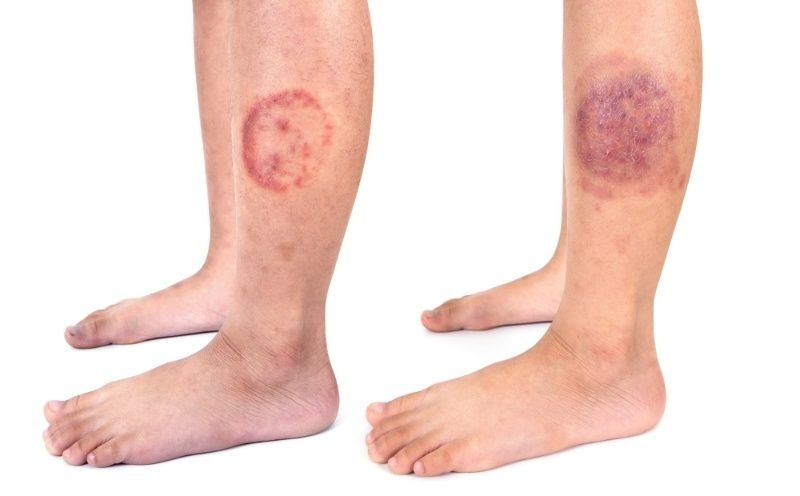
Kids get skin infections easily, especially when they play outside or are around other people a lot. One thing that really worries parents is when their kids get ringworm. Ringworm, in children, is something that parents do not like to see. Ringworm is not actually caused by worms; it is an infection that gets on the skin, the scalp, or the nails of children.It is usually not a big deal, but ringworm can spread quickly if you do not take care of it. If you know what the symptoms of ringworm are, what causes ringworm, and how to treat ringworm, then you can help your kids feel better and stop ringworm from spreading to other people.What is Ringworm in Children?Ringworm is a kind of infection that can spread from person to person. It is caused by fungi that live on the skin, hair, and nails of people. Ringworm usually shows up on the scalp, body, or feet of kids. The reason it is called "ringworm" is that it often looks like a circle with a spot in the middle, which makes it look like a ring.People can get ringworm by touching someone who already has it or by animals or things that have the infection on them, like towels, toys, or clothes. Kids are more likely to get ringworm because they are always on the go, and they touch each other a lot at school or on the playground.Know More: Discover Top Immune-Boosting Foods for Kids in 2025Symptoms of Ringworm in KidsRingworm in kids can be treated quickly if you notice the symptoms early. This helps to stop it from spreading. The main symptom of ringworm is a rash that is circular in shape and has raised edges. The area that is affected by ringworm may be itchy, dry, or scaly. Sometimes the skin in the middle of the ring looks clearer than the edges.When ringworm is on the scalp of kids, it can cause hair to fall out in patches. It can cause flakes like dandruff or small spots where there is no hair. The skin on the scalp may also become sore or red. If ringworm is on the feet or in the groin area, it can cause itching or burning. The skin may crack. Because the symptoms of ringworm can be different, you need to check for them to take good care of the kids with ringworm.How to Treat Ringworm in Children Naturally?Many parents want to find ways to help their kids when they have skin problems. It is good to know how to treat ringworm in children in a way in addition to what the doctor says.The first thing to do is to keep the area that is affected by ringworm dry. Ringworm likes to grow in places, so it helps to keep it dry. This will help stop ringworm from getting worse.Some people use things like tea tree oil or coconut oil to help get rid of ringworm because they have properties that fight fungus. You have to be careful when you use these things, and you should talk to a doctor first, especially if you are talking about ringworm in young children.It is also important to do things like wash your hands a lot and not share things that you use on your body. This helps your child get better from ringworm. While natural things can help with ringworm, if the ringworm is really bad, your child will probably need cream or medicine from the doctor to get rid of the ringworm.Ringworm in Children: How Long is it Contagious?A common concern for parents is ringworm in children. How long is ringworm in children contagious?Ringworm in children is contagious as long as the ringworm fungal infection is active. Without treatment for ringworm, it can remain contagious for weeks or even months.However, once treatment for ringworm begins, the risk of spreading ringworm reduces significantly within 24 to 48 hours. It is still important to continue the course of treatment for ringworm to ensure complete recovery from the infection.Children with ringworm should avoid contact with others and refrain from sharing personal items until the ringworm infection has cleared. This helps prevent reinfection of ringworm and protects others from getting infected with ringworm.Must Try: Learn Causes, Symptoms, and Treatments for Eczema in KidsCauses and Risk Factors of RingwormRingworm in kids is caused by a lot of things. When kids are around people who have ringworm, they can get it too. If kids share things, like combs, towels, or clothes, with someone who has ringworm, they can get ringworm.Kids can even get ringworm from pets like cats and dogs. Playing in places that are damp, like locker rooms or swimming pools, is not good because it can help ringworm spread.Kids who do not have body defense or do not keep themselves clean may get ringworm more easily. Knowing what makes kids get ringworm helps us stop it from happening.Prevention Tips for ParentsPreventing ringworm is usually easier than treating ringworm. So it is really important to encourage hygiene habits. You should teach kids to wash their hands a lot and keep their skin clean and dry. They should use their towels, clothing, and other personal things.You need to clean and disinfect things that people use a lot daily. If you have pets, you have to make sure they do not have infections, and you have to treat them if they do have ringworm.Wearing clothes that let air in and not keeping your skin wet for a time can also help reduce the risk of getting ringworm.When to See a Doctor?When you have a case, you can take care of it at home. You need to know when you should go see a doctor. If the rash is spreading fast or is not getting better with the things you are doing to take care of it, or if it is on your scalp, you should go see a doctor.Scalp infections are bad. You will probably need to take medicine that you swallow, not just put stuff on your scalp.If the rash is itching all the time. It hurts, or if it is swollen or has pus on it, you should go see a doctor. The doctor can help you get faster and stop anything bad from happening to the rash.ConclusionRingworm in children is something that happens a lot. It is not too hard to deal with. If you find out about it early, keep your child clean and get the treatment. You can make it go away.It is an idea to know what the symptoms of ringworm in children are, how to treat ringworm in children without using medicine, and how long ringworm in children is contagious so you can do what is best for your child.If you know what to do and take care of ringworm in children, you can help your child feel good, stay healthy, and not get ringworm in children again.Essential Reads: Understanding Causes And Symptoms Found in Kids' AllergiesFAQsCan Ringworm Go Away on Its Own in Children?Ringworm does not go away by itself. You need to treat it to get rid of it completely. If you do not take care of it, the infection can. Get worse. Using medicine that fights fungus and keeping yourself clean helps you get faster. It also stops the infection from spreading to parts of your body. You have to take care of the ringworm infection so that it does not spread. Ringworm needs treatment to clear up.Can My Child Go to School With Ringworm?Children can go back to school after they start treatment. This is because the risk of spreading the infection gets lower in 24 to 48 hours. They need to cover the affected area. They must follow hygiene practices. This helps stop the infection from spreading to kids at school or in shared spaces.How Can I Prevent Ringworm From Spreading at Home?To prevent spread, avoid sharing personal items like towels, clothing, or bedding. Wash infected items separately and keep the affected area clean and dry. Regular handwashing and cleaning surfaces help reduce the risk of infection spreading to other family members.

How To Increase Iron In Picky Toddlers Without Daily Drama

 Toddlers can turn mealtime into theater. One day they love eggs. The next day eggs are apparently offensive. A bean gets touched, the plate is ruined, and everyone at the table suddenly feels tired. So when parents start wondering about iron, the stress gets real fast.That worry is understandable. Children ages 1 to 3 need 7 mg of iron per day, according to the NIH Office of Dietary Supplements, and toddlers who drink too much milk or eat a very limited diet can miss the mark. The good news is that improving iron intake usually does not require turning every meal into a battle. It works better when parents think in patterns, not perfection. A few smart food swaps, better pairings, and less pressure can go a long way.Why How to Increase Iron in Picky Toddlers MattersIron helps the body make hemoglobin, which carries oxygen in the blood. When toddlers do not get enough iron, they can develop iron deficiency and sometimes iron-deficiency anemia. The American Academy of Pediatrics also recommends screening for iron deficiency and iron-deficiency anemia at 12 months of age. Parents do not need to panic over one picky week. But if a toddler is living on crackers, milk, yogurt, and vibes, it is worth paying attention. Iron is one of those nutrients that is easy to overlook until a child starts seeming pale, irritable, tired, or less interested in food. HealthyChildren lists pale skin, irritability, mild weakness, and tiring easily among common anemia signs. Start With The Easiest Iron WinsThe first step is not usually a fancy recipe. It is choosing foods that give more iron without requiring a toddler to suddenly become adventurous.Some of the most practical Iron-Rich Foods for Toddler meals include iron-fortified cereals, beans, lentils, eggs, tofu, meat, poultry, and fish. CDC lists iron-fortified cereals, tofu, beans, lentils, and dark green leafy vegetables as non-heme iron sources, while HealthyChildren points to meat, poultry, fish, beans, eggs, and fortified grains as useful sources too. That does not mean a toddler needs to eat a bowl of spinach and lentils with a smile. It means parents can sneak a little more iron into foods the child already accepts. Think fortified oatmeal, turkey meatballs, black beans mashed into quesadillas, or egg mixed into fried rice.Pair Iron With Vitamin C So More Of It Gets AbsorbedThis part matters a lot and gets missed all the time. Iron from plant foods is absorbed better when it is eaten with vitamin C. CDC specifically recommends pairing non-heme iron foods with vitamin C-rich fruits and vegetables such as oranges, berries, tomatoes, broccoli, cabbage, papaya, and sweet potatoes. So if a toddler will eat fortified cereal, add strawberries. If they like beans, serve them with tomatoes. If they tolerate chicken nuggets but not much else, offer fruit on the side instead of making the whole meal a negotiation. Tiny pairings count.That is one of the most useful answers to How to get a picky toddler to eat iron? Make iron easier to absorb instead of obsessing only over the number of bites.Watch The Milk Before Blaming Everything ElseA lot of toddlers fill up on milk and then have almost no appetite left for solid foods. That can push iron-rich foods out of the day without anyone fully realizing it.CDC says too much cow's milk can make it harder for children's bodies to absorb needed iron from foods and may reduce hunger for other nutrient-rich foods. Mayo Clinic advises that between ages 1 and 5, children should not drink more than 24 ounces of milk a day. Nemours also suggests about 16 to 24 ounces daily for toddlers. So if a toddler is drinking milk all day and barely touching meals, this is worth adjusting. Not because milk is bad. It is not. But too much milk can crowd out better iron sources fast.Offer Small Portions And Repeat OftenParents often assume that if a toddler rejected a food twice, that food is dead forever. Not true. Toddlers frequently need repeated low-pressure exposure before accepting something new.That means smaller portions work better than loaded plates. A teaspoon of lentils next to familiar food. One slice of turkey. A couple spoonfuls of iron-fortified cereal. Repetition without pressure is usually more effective than "just take three bites." HealthyChildren notes that selective eating is common in toddlers, and balanced food groups over time matter more than one perfect meal. This is where How to increase iron in picky toddlers becomes less about one magic food and more about giving good options again and again without turning the table into a power struggle.On a Similar Note: Essential Kids Vitamins That Support Growth And Daily HealthUse Familiar Foods As The Delivery SystemA toddler does not care that quinoa is a "great nutrient-dense base." They care whether the food feels familiar.So build around accepted foods. Mix finely shredded beef into pasta sauce. Stir mashed beans into mac and cheese. Use iron-fortified oatmeal in muffins. Add ground turkey to grilled cheese filling. Serve hummus with crackers if that is less threatening than beans on a spoon.These kinds of toddler-friendly Iron-Rich Foods for Toddler ideas work because they meet the child where they already are. CDC and HealthyChildren both point to fortified grains, beans, eggs, meats, and soy foods as useful options, so parents have room to work with what their child already likes. Not every meal has to look healthy in a dramatic Instagram way. It just has to help.Keep Mealtimes Calm, Even When It Is AnnoyingPicky toddlers are experts at sensing pressure. The more adults plead, bribe, bargain, or stare, the more tense the meal can become.A calmer approach usually works better. Put one iron-containing food on the plate with accepted foods. Let the child see it. Touch it. Ignore it. Eat it or not eat it. Then try again another day. That is how many toddlers slowly become less resistant to new foods. HealthyChildren's toddler nutrition guidance emphasizes offering a range of foods and recognizing that selective eating is normal at this age. This is also the most honest answer to How to get a picky toddler to eat iron? Less pressure, more routine, more repetition. Not glamorous. Usually effective.Know When It Is Time To Call The PediatricianFood strategies help, but sometimes a toddler needs medical evaluation too. If a child seems unusually pale, tired, weak, cranky, short of breath, less active, or is drinking huge amounts of milk while barely eating solids, it is worth checking in. HealthyChildren lists pale skin, irritability, weakness, and tiring easily as common anemia signs. MedlinePlus also includes tiredness, irritability, poor appetite, and pale skin. Parents should also be careful with iron supplements. The NIH notes that too much iron can be dangerous, so supplements should not be started casually or dosed like vitamins-for-fun. If there is concern about iron deficiency, testing and treatment decisions belong with the child's clinician.Read More: Top Choices of Food For Brain Development Of 6 Month BabyConclusion: Focus On Weekly Patterns, Not A Perfect DayThis may be the biggest sanity saver. Toddlers are inconsistent eaters. One day they survive on toast and stubbornness. The next day they eat half the fridge.So the goal is not perfect iron intake at every meal. It is building a week that includes more iron-rich opportunities, less milk overload, and better pairings with vitamin C. That pattern matters much more than one failed lunch.Parents trying to figure out how to increase iron in picky toddlers do not need to become short-order chefs or nutrition calculators. They just need a handful of reliable foods, steady repetition, and enough patience to let change happen slowly.And yes, slowly is still progress.FAQs1. Can Cast-Iron Cookware Help A Toddler Get More Iron?It can add a small amount of iron to some foods, especially moist or acidic dishes, but it should be treated as a bonus rather than the main plan. HealthyChildren notes that iron cooking pots may make a small contribution to iron intake. 2. Are Plant-Based Iron Foods Enough For Toddlers?They can be, but they need more planning because non-heme iron from plant foods is absorbed less efficiently than heme iron from animal foods. Pairing plant-based iron foods with vitamin C-rich foods helps improve absorption. 3. Is Iron-Fortified Cereal Still Useful After Babyhood?Yes, it can be. Nemours suggests serving iron-fortified infant cereal until about 18 to 24 months, and fortified cereals remain one of the easier iron sources for selective eaters.

Sun Safety For Kids: Easy Habits That Actually Work

 Kids and sunshine go together like snacks and car seats. The moment the weather looks nice, they want to run outside, climb something dangerous, and "just play for five minutes." Then an hour passes. Then two. Then someone comes in looking pink and miserable.That's why sun safety for kids matters so much. Not in a scary way. In a practical way. Kids have sensitive skin, they don't notice sunburn until it hurts, and they're not exactly known for sitting still while a parent re-applies sunscreen. So the goal is simple: protect them without turning summer into a daily argument.This guide covers the basics of sun protection for children, including what SPF to choose, how to apply sunscreen correctly, and how to build habits that actually stick.Sun Safety For KidsSun safety for kids starts with one idea: the sun doesn't need to be "super hot" to cause damage. UV rays can be strong on cloudy days, breezy pool days, and even during quick playground trips.The tricky part is that kids often don't feel heat the same way adults do. They don't notice redness building. They just keep playing. And then bedtime comes, and suddenly the shoulders are burned, the cheeks are hot, and everyone's having a rough night.Good sun habits help avoid all that. They also lower long-term skin damage risk. It's one of those "small steps now, big benefit later" situations.Why Kids Burn Faster Than AdultsKids have thinner, more sensitive skin. They also have less natural protection from melanin, especially younger children with lighter skin tones. That makes it easier for UV rays to cause irritation and burns.Add in the fact that kids:sweat more while playingget wet from sprinklers or poolsrub their faces constantlyforget to stay in shadeAnd sunburn becomes almost predictable.Sun protection isn't about being strict. It's about being realistic.Kids Sun Protection Is More Than Just SunscreenYes, sunscreen matters. But sunscreen alone often fails because it rubs off, washes off, or gets applied too lightly.Strong kids sun protection includes a mix of:shade breaksprotective clothinghats and sunglassesproper timing for outdoor playsunscreen as the final layerThink of sunscreen as the backup plan, not the only plan.That mindset helps parents feel less stressed when sunscreen gets missed once. Because the child still has other protection in place.What SPF Is Best For Kids?This question comes up all the time, and it's fair. Parents see SPF 15, SPF 30, SPF 50, SPF 100, and it starts to feel like a math problem.So, what spf is best for kids? Most pediatric experts recommend using at least SPF 30 for everyday outdoor play. SPF 50 is often chosen for extended time outside, especially near water or during peak sunlight hours.The more important part is not chasing the highest number. It's applying enough and reapplying on time.Because SPF 50 applied once in the morning won't save anyone at 3 PM. It just won't.Sunscreen For Children: Choosing A Safe, Easy OptionWhen picking sunscreen for children, parents usually want three things:It protects wellIt doesn't irritate the skinThe child won't fight it every timeMineral sunscreens (with zinc oxide or titanium dioxide) are often recommended for sensitive skin because they sit on top of the skin and reflect UV rays. They can be a little thicker and may leave a white cast, but many newer versions blend better.Chemical sunscreens absorb UV rays and can feel lighter on the skin, which some kids prefer. Some children may react to certain ingredients, so patch testing can help when trying a new product.If a child has eczema or very sensitive skin, fragrance-free and pediatric-tested formulas can be a safer starting point.How To Apply Sunscreen Without The Daily StruggleHere's the honest truth. Sunscreen is not hard. But kids make it hard.The secret is treating it like a routine, not a negotiation.Simple tips that help:Apply sunscreen 15 minutes before going outsideUse enough, don't just "dab" it onDon't forget ears, neck, and tops of feetUse a stick sunscreen for faces if kids hate lotionMake it part of getting dressed, like shoesSome parents use a "sunscreen song." Others do it in front of a mirror. Whatever works. No judgment. The goal is consistency, not perfection.Also Read: 10 Causes for Childhood Obesity: Key Risks to KnowReapplication: The Step Everyone SkipsEven parents who do sunscreen well often forget to reapply. Or they remember but the kids are wet, sandy, running around, and it feels impossible.But reapplication matters most.A basic rule:Reapply every 2 hours outdoorsReapply after swimming, sweating, or towel dryingEven "water-resistant" sunscreen doesn't last all day.If a child spends a full afternoon outside, one application isn't enough. That's how sneaky sunburn happens.Clothes, Hats, And Shade: The Unfair AdvantageSunscreen fades. Clothing doesn't.Sun-safe clothing, rash guards, and wide-brim hats make a huge difference, especially for kids who spend hours outside. If a child wears a long-sleeve swim shirt, their shoulders are already protected. Less stress for everyone.Shade breaks help too. Even 10 minutes under a tree or umbrella can lower sun exposure a lot. It also gives kids a moment to cool down and drink water.And yes, sunglasses count. Kids' eyes need protection just like their skin.Timing Matters More Than People RealizeThe strongest sun often hits between late morning and mid-afternoon. That doesn't mean kids must stay inside all day. But it does mean parents can plan smarter.If possible:do long outdoor play in early morning or late afternoonsave indoor activities for peak heatchoose shaded parks or covered playgroundsThis kind of planning supports sun safety for kids without constant reminders and sunscreen battles.What To Do If A Child Gets SunburnedEven careful parents deal with sunburn sometimes. It happens. A surprise day out. A missed reapplication. A kid who rubbed sunscreen off their nose every five minutes. Life.If a child gets burned:bring them out of the sun immediatelycool the skin with a lukewarm bath or cool compressuse fragrance-free moisturizer or aloe gelencourage extra fluidsavoid more sun exposure until healedIf there are blisters, fever, severe pain, or the child seems unusually tired, a pediatrician should be contacted.You May Also Like: 5 Learning Toys That Teach Kids About Healthy FoodsConclusion: Keeping Sun Protection SimpleHere's the second mention, spaced out: sun safety for kids works best when families keep it basic and repeatable. Sunscreen plus shade plus clothing creates a routine that protects without stress.And spaced out for the second keyword use: what spf is best for kids is usually answered with "SPF 30 or higher," but the real win is proper application and reapplication. Strong kids sun protection includes hats, sunglasses, and shade breaks, not just lotion. And choosing sunscreen for children that feels comfortable on skin makes daily use easier, which matters more than any perfect brand choice.FAQs1. What SPF Is Best For Kids For Daily Outdoor Play?Most families use SPF 30 or higher. SPF 50 can be helpful for long outdoor days, especially near water, as long as it's reapplied properly.2. How Often Should Sunscreen Be Reapplied On Children?Sunscreen should be reapplied every two hours outside, and after swimming, sweating, or towel drying. Water-resistant sunscreen still needs reapplication.3. Is Clothing Better Than Sunscreen For Sun Protection?Clothing provides consistent protection and doesn't rub off like sunscreen. The best approach combines protective clothing, shade, and sunscreen for exposed areas.

Food Allergies in Children: Signs, Causes, Care Guide Tips

 Food allergies in children are not rare anymore. Many parents notice reactions that show up right after meals, or sometimes hours later. The confusing part is that the child may look fine one day and react the next time.This blog explains why allergies are common, the early signs in toddlers, common trigger foods, prevention tips, diagnosis steps, and symptoms parents should never ignore.Why are Food Allergies in Children Common?Food allergies are common in childhood mainly because the immune system is still developing. The child's body is learning what is safe. It is building a system of recognition slowly. But sometimes, it makes a mistake.Instead of seeing a food protein as harmless, the immune system treats it like a threat. This triggers a reaction. That reaction may be mild, like itching. Or it may become serious, like breathing trouble.If parents or close relatives have allergies, asthma, or certain skin conditions, the chances increase. It does not mean the child will definitely get allergies, but it makes reactions more likely. The body already has that sensitivity in the background.Understanding the Early Signs of Food Allergy in ToddlerYou can check the list below to understand the early signs of food allergy in a toddler:Skin Changes That Appear SuddenlySkin reactions are often the first sign. A toddler may develop red patches around the mouth. Sometimes it looks like tiny bumps. Sometimes it becomes full hives. The child may rub the face, scratch the neck, or touch the ears. That can happen soon after eating.  Digestive Trouble After MealsDigestive issues are one of the most common food allergy symptoms in kids. A toddler may vomit after eating. Or the child may have stomach cramps. Loose stools may appear too.Breathing and Nose ReactionsBreathing symptoms matter a lot. Sneezing, coughing, noisy breathing, and throat discomfort can appear as signs. A toddler may sound congested right after eating. Some children wheeze. Others keep coughing. This is not always cold or dusty. If breathing changes come after meals, then it could be allergy-related.What are the Common Food Allergies in Children?You can check the list below to understand the most common food allergies in children:Milk-Based FoodsMilk is a very common trigger, especially in early childhood. Reactions may include skin rash, vomiting, diarrhea, or swelling. Some children also develop breathing discomfort.Eggs in Everyday MealsEgg allergy is also common in children. Eggs are used in breakfast dishes, bakery foods, and packaged products. The child may react with hives, itching, stomach pain, or swelling.Peanuts and Related FoodsPeanut allergy is often serious. Sometimes it causes strong symptoms even with small exposure. A child may react after eating peanuts. Some children react even through contact with residue.Wheat-Based ProductsWheat is present in bread, pasta, noodles, snacks, and packaged foods. Wheat allergy can cause digestive trouble, rashes, or swelling. Some children also show coughing or congestion.Practical Tips to Prevent Pediatric Food AllergyThe following list will help you with the best tips to prevent pediatric food allergy:Introduce Foods Slowly and CarefullyWhen introducing foods, slow is better. One new food at a time is the simplest rule. It makes reactions easier to identify. If multiple new foods are introduced together, a reaction becomes confusing. Parents do not know what caused it. So a slow introduction is safer.Read Food Labels Every TimeThis is a daily habit that saves many children from reactions. Labels should be checked each time, not just once. Ingredients can change in products over time. Even familiar brands may adjust recipes. Also, many allergens are hidden under other names. Parents should learn common ingredient terms that signal milk, egg, wheat, nuts, or fish-related ingredients.Avoid Cross-Contact at HomeCross-contact is one of the biggest hidden causes of reactions. A knife used for one food can transfer tiny traces to another dish. Same with cutting boards, spoons, and pans. Parents should keep safe foods and unsafe foods separate. Clean surfaces properly. Wash utensils well. Avoid sharing plates in families with confirmed allergies.How to Diagnose Food Allergy in Child: Step-by-StepThe list below of steps can help parents understand how to diagnose food allergy in a child:1. Track Food and SymptomsA food and symptom record is powerful. Parents can note what the child ate, what time symptoms began, and what symptoms appeared. Even simple notes on a phone work well. This record helps doctors identify patterns. It also helps reduce confusion.2. Medical History ReviewDoctors ask focused questions like which food was eaten or how quickly the reaction started. This is why family history is also discussed to determine whether past eczema, asthma, or other allergies are considered as clues.3. Allergy TestingTesting may include skin testing or blood testing. These tests are helpful, but not perfect. That is important to understand. A child may test positive but never react when eating the food. Another child may test negative but still show symptoms.4. Controlled Food ChallengesIn some cases, doctors may recommend a controlled food challenge. This is done under medical supervision, not at home. The child is given small amounts of the suspected food. The medical team watches closely for reactions. This helps confirm the diagnosis clearly.Must Read: Discover Top Immune-Boosting Foods for Kids in 2025Food Allergy Symptoms in Kids that Parents Should Never AvoidYou can check the following list to understand the food allergy symptoms in kids that parents should never avoid:Severe Breathing DifficultyIf a child is wheezing, coughing hard, or struggling to breathe after eating, this is a major warning sign. The child may look scared. The chest may feel tight.Sudden Swelling of Face or LipsSwelling of the lips, face, or eyes can signal a strong reaction. It may happen fast. Sometimes swelling spreads beyond the face.Extreme Weakness or DizzinessIf a child becomes pale, weak, dizzy, or confused after eating, this can indicate a serious reaction. Some children may appear like they will faint.ConclusionFood allergies can feel overwhelming, but simple awareness makes them manageable. Parents can reduce risk by noticing early signs, learning common trigger foods, and using practical prevention steps. With proper diagnosis and clear safety habits, meals become calmer. A prepared family makes a safer childhood.Frequently Asked QuestionsWhat are the common food allergies in children?Milk, eggs, peanuts, wheat, and fish-based foods are common food allergies in children. Some children also react to nuts and sesame.What are the signs of food allergy in toddler years?Signs of food allergy in toddler years include rashes, hives, swelling, vomiting, diarrhea, coughing, sneezing, and breathing discomfort.What is pediatric food allergy, and why does it happen?Pediatric food allergy happens when the child's immune system reacts to a food protein as if it is dangerous. This can lead to skin, stomach, or breathing symptoms.

Essential Kids Vitamins That Support Growth And Daily Health

Parents don't wake up wanting to become nutrition detectives. But it happens anyway. A kid eats three bites of dinner, declares they are "full," then asks for a snack nine minutes later. Another kid lives on beige foods for a week. Someone catches a cold at school, and suddenly every parent is asking the same question: are they getting what they need?That's why people search for Vitamins for children. Not because they want perfection. Because they want reassurance. They want to support growth and health without turning the kitchen into a battlefield.This guide explains the essential vitamins and minerals kids commonly need, how to think about supplements safely, and what matters most day to day.Vitamins For Children: What Parents Should Know FirstHere's the important starting point: most healthy kids can meet their needs through food when they eat a varied diet over time. Not every day. Over time. That's a big distinction.But real life includes picky eating, busy schedules, food allergies, sensory preferences, and phases where kids act like vegetables are a personal insult. That's where Children's vitamins can be helpful for some families.Supplements are not a substitute for meals. They're a backup. A safety net. A "just in case" tool when diet consistency is shaky or a child has a higher risk of deficiency. Before adding any supplement, parents should consider the child's age, diet, and any medical conditions, and they should check with a pediatrician if there are concerns.The Vitamins That Matter Most For Growth And DevelopmentKids don't need dozens of fancy ingredients. They need the fundamentals, especially during fast growth phases.Vitamin DVitamin D helps the body absorb calcium and supports healthy bones and teeth. Many kids don't get enough vitamin D from food alone, and sun exposure varies by season and lifestyle.Food sources include fortified milk or plant milk, fortified cereals, and fatty fish, though fish is not always kid-friendly.CalciumCalcium supports bones and teeth, and it plays a role in muscle and nerve function. Dairy products are common sources, but calcium also comes from fortified foods, tofu made with calcium, and some leafy greens.This is one reason parents look into Kids growth vitamins. Bone growth is active in childhood, and calcium and vitamin D are key players.Vitamin AVitamin A supports vision, skin health, and immune function. It is found in foods like carrots, sweet potatoes, spinach, and eggs.Vitamin CVitamin C supports the immune system and helps the body absorb iron. It is found in citrus fruits, strawberries, bell peppers, and tomatoes.Parents sometimes assume vitamin C means "no more colds," but it's more accurate to say it supports immune function. Kids will still get sick sometimes. That's childhood.B VitaminsB vitamins help with energy metabolism and nervous system function. They are found in whole grains, eggs, dairy, meat, legumes, and leafy greens.Iron: The Mineral That Deserves AttentionIron isn't a vitamin, but it's important enough to mention because low iron can affect energy, focus, and overall development.Iron sources include red meat, beans, lentils, spinach, fortified cereals, and eggs. Pairing iron-rich foods with vitamin C can improve absorption.Some kids are at higher risk for low iron, especially picky eaters who avoid meat or iron-rich foods. This is where parents often search for the Best vitamins for kids and realize it's not just vitamins, it's minerals too.Zinc And Immunity SupportZinc supports immune function and growth. It's found in meat, dairy, beans, nuts, and whole grains.This is also why Kids immunity vitamins are a popular category. Parents want support during school season when germs seem to spread like gossip.Again, supplements can help in some cases, but food sources are often effective too.Do All Kids Need Children's Vitamins?Not necessarily. A child might not need a supplement if they:eat a decent variety across the weekget enough calcium and vitamin D through diet or pediatric guidancehave normal growth patternsdo not have restrictive eating or absorption issuesA child may benefit from supplements if they:are extremely picky for long stretchesfollow a restricted diet due to allergies or preferenceshave low appetite consistentlyhave a medical condition affecting absorptionrarely consume fortified foodsThis is where Children's health supplements become relevant. Some kids truly need support, but it should be tailored, not random.Check Out: Top Choices of Food For Brain Development Of 6 Month BabyWhat To Look For In Kids VitaminsIf parents choose a supplement, the goal is safety and simplicity.A good kids multivitamin usually:matches the child's age groupdoes not exceed daily recommended amountsincludes vitamin D, and sometimes iron if advisedhas clear labeling and quality standardsdoes not rely on mega dosesIt's tempting to think "more is better," but with vitamins, that can backfire. Fat-soluble vitamins like A, D, E, and K can build up in the body if taken in excess. Parents should also treat gummies like candy in terms of storage. Kids can overeat them if they are accessible, and that can be risky.Food First: The Practical Approach That Works For Most FamiliesSupplements are easier than negotiating vegetables, sure. But the most sustainable approach is building a few reliable food habits.Here are simple wins that help:Keep fruit visible and ready to grabRotate protein options kids like, eggs, yogurt, chicken, beansUse fortified milk or plant milk if appropriateOffer vegetables in different forms, roasted, blended, in soups, in wrapsDon't chase perfection daily, aim for balance weeklyThis reduces pressure and makes nutrition feel normal, not dramatic.It also helps kids build long-term eating habits, which is more valuable than any bottle of Children's vitamins.The Role Of Kids Immunity Vitamins In Real LifeMany supplements market immunity as a promise. Parents should think of immunity support as a system, not a single ingredient.Sleep, protein, hydration, movement, and stress levels matter too. A child who sleeps poorly and eats little won't be "fixed" by a gummy vitamin.So if parents are considering Kids immunity vitamins, it helps to start with:better sleep routineshandwashing habitsbalanced meals and snacksoutdoor play and movementThen supplements, if needed, become support, not the main strategy.How To Talk To Kids About Vitamins Without Creating AnxietyKids pick up on adult worry. If vitamins are framed like medicine for "being unhealthy," kids can start feeling anxious or picky about foods.A better approach:Call it a "nutrition helper" for days when meals are imperfectKeep it routine, not emotionalAvoid making it a reward or punishmentIt should feel as normal as brushing teeth.The Bottom Line: Support Growth With Simple ConsistencyWhen it comes to Vitamins for children, the best strategy is not chasing the perfect product. It's building a stable foundation.Food variety over time is the priority. Supplements can help in specific situations, especially with picky eating or gaps that won't close easily. And if parents are unsure, a pediatrician can help match supplements to real needs. The goal is a healthy child, not a perfect plate.Do Read: 5 Learning Toys That Teach Kids About Healthy FoodsFAQs1. What Are The Best Vitamins For Kids To Take Daily?It depends on the child's diet and needs. Many kids do well with a basic multivitamin and vitamin D if advised, but parents should check with a pediatrician for personalized guidance.2. Are Children's Vitamins Safe For Picky Eaters?They can be, when used correctly and matched to age. Parents should avoid mega-dose products and store vitamins safely, especially gummies, to prevent accidental overconsumption.3. Do Kids Immunity Vitamins Prevent Colds?They do not guarantee prevention. Kids immunity vitamins can support immune function, but sleep, nutrition, hygiene, and overall health habits play a bigger role in how often kids get sick.

What is a Bedwetting Alarm & How to Use It in Daily Life?

 A bedwetting alarm is a simple device used to help children wake up when bedwetting begins during sleep. It works by building awareness and not with pressure or fear.This blog will explain to you what a bedwetting alarm is and how to use it daily, how it works in real life, and how it gently supports bedwetting in kids through steady routines.Must Read: How the Right Parenting Styles Shape a Child's Development?What is a Bedwetting Alarm?A bedwetting alarm is designed to sense moisture the moment wetting begins. When this happens, the alarm gives a signal that helps the child wake up. The child is then guided to the bathroom.The purpose is not to stop bedwetting overnight. The purpose is learning. Over time, the brain begins to connect the feeling of a full bladder with waking up. This connection grows slowly.Many parents wonder how do bedwetting alarms work, especially when bedwetting in kids continues past early childhood. These alarms are widely used because they support learning rather than control.The alarm becomes part of the night routine. It does not punish. It does not shame. It simply alerts and teaches, night after night, in a calm and steady way.What are the Top 5 Features of the Best Bedwetting Alarm?Not every alarm suits every child. The best bedwetting alarm is one that feels easy to use and easy to accept. Comfort and simplicity matter more than anything else. You can refer to the below list to understand the five important features of the best bedwetting alarm:1. Quick Moisture DetectionThe alarm should respond as soon as wetting starts. Early alerts help the brain notice what is happening. This timing plays a big role in learning for bedwetting in kids.2. Comfortable Daily WearAn alarm should not feel heavy or annoying. Comfort helps children accept the alarm as part of sleep. When comfort is high, resistance is low.3. Clear but Gentle AlertThe alert must wake the child, but not scare them. A simple alert helps parents feel confident when asking, do bedwetting alarms work for deep sleepers.4. Simple Night SetupAn alarm should be easy to attach and remove. Complicated steps make routines harder. A simple setup supports learning how to use a bedwetting alarm correctly.5. Suitable for Long-Term UseThe best bedwetting alarm fits easily into nightly life. It should not disrupt sleep more than needed. Comfort over time supports steady learning.Understand How to Use a Bedwetting AlarmKnowing how to use a bedwetting alarm properly makes a big difference. The steps are simple, but they must be followed with patience. The points below will help you to understand the daily use properly:1. Prepare Before SleepSet the alarm before bedtime. Let the child see and hear it once. This helps reduce fear and confusion. Preparation supports calm handling of bedwetting in kids.2. Respond When the Alarm SoundsWhen the alarm goes off, help the child wake fully. Walk them to the bathroom. This moment is a learning moment. Repeating this step explains how bedwetting alarms work.3. Reset Without StressAfter changing clothes or bedding, reset the alarm calmly. Avoid frustration. This step teaches responsibility and supports learning how to use a bedwetting alarm on a daily basis.4. Use the Alarm Every NightConsistency matters more than speed. Nightly use helps the brain learn faster. This routine supports the best bedwetting alarm results over time.5. Offer SupportEncouragement works better than control. Calm support keeps children motivated. This emotional safety helps reduce bedwetting in kids naturally.How Do Bedwetting Alarms Work in Daily Life?Daily use shows how these alarms support real learning. They work quietly in the background, night after night. The following points will explain to you the daily impact properly:1. Builds Sleep AwarenessEach alert helps the brain notice bladder signals during sleep. Over time, waking becomes earlier. This answers why people ask how do bedwetting alarms work with routine.2. Encourages Natural WakingChildren begin to wake on their own before wetting starts. This is the main goal. It supports long-term improvement in bedwetting in kids.3. Helps Children Feel in ControlAs children respond faster, their confidence starts to grow. Therefore, parents do not need to offer a lot of guidance. This change shows the value of learning how to use a bedwetting alarm correctly.4. Fits Into Normal Bedtime LifeThe alarm does not affect daytime activities. It blends into bedtime routines without effort. This ease is why families look for the best bedwetting alarm.5. Repetition Builds ResultsLearning takes time; because of this, some nights go well, and some do not. Repetition helps answer doubts about whether bedwetting alarms work in real life.5 Top Benefits of Bedwetting in KidsBedwetting is often misunderstood. It is not laziness or bad behavior. It is part of the development for many children. Below are five benefits of bedwetting in kids:1. Improves Family CommunicationManaging bedwetting in kids encourages open conversations. Children feel supported instead of judged. This trust matters a lot in the long term.2. Builds Strong Night RoutinesRegular sleep and bathroom habits develop naturally. These habits support learning how to use a bedwetting alarm properly.3. Teaches Calm Problem SolvingParents learn patience, and children learn persistence. This calm approach supports progress without stress.4. Increases Body AwarenessChildren learn to notice body signals. This awareness helps explain whether bedwetting alarms work over time.5. Builds Confidence SlowlyEach dry night adds confidence. Even a small improvement matters. This growth is common with the best bedwetting alarm routines.ConclusionA bedwetting alarm helps children learn through calm routines and steady support. However, it is essential for you to understand that progress takes time, and pressure is not something that children need. With patience and daily use, confidence and awareness grow naturally.Frequently Asked Questions1. Do bedwetting alarms work for children who sleep deeply?Yes, with steady use and early guidance, many deep sleepers respond well.2. How long should families continue using a bedwetting alarm?Use it nightly until dry nights become consistent and confidence improves.3. Is bedwetting in kids caused by behavior issues?No, it is usually developmental and not linked to discipline problems.4. Should parents help when learning how to use a bedwetting alarm?Yes, early support helps children wake up fully and learn more quickly.5. Is daily use important for the best bedwetting alarm results?Yes, daily use strengthens learning and supports long-term success.

Stay in the Loop