Kids Health


Stomach Flu in Children: Symptoms, Causes, and Treatment

Key TakeawaysStomach flu is usually viral gastroenteritis, rather than influenza.Vomiting and diarrhea lead to dehydration quickly, especially in infants and young children.Proper treatment includes oral rehydration therapy, proper nutrition, bed rest, and medical advice.If a child is struck by sudden vomiting, diarrhea, abdominal pain, or a fever, then the term that parents often use for such a condition is stomach flu. But stomach flu is not really a case of the flu but just a colloquial term used to describe gastroenteritis, which basically involves any infection or inflammation in the gastrointestinal tract. There may be various causes of gastroenteritis, including viruses, bacteria, parasites, or even consumption of toxic food or water.When dealing with a case of gastroenteritis in a child, the primary issue would be dehydration since vomiting and diarrhea would cause loss of fluids from the child's body.What is stomach flu?Stomach flu refers to viral gastroenteritis. Influenza viruses are not responsible for causing this condition. Viral gastroenteritis infects the intestines and results in symptoms such as diarrhea, abdominal pain, vomiting, nausea, and even fever. Norovirus is the most common agent that causes viral gastroenteritis, whereas rotavirus is an agent responsible for infecting infants. It is possible to avoid rotavirus infection by vaccination.Most cases of viral gastroenteritis get better without any particular treatment. However, dehydration develops more quickly in children.Stomach Flu Symptoms in ChildrenStomach flu symptoms in children usually come on very quickly and may be characterized by:Water diarrheaVomiting and nauseaAbdominal painFeverLack of appetiteFatigue and irritabilityThe number and intensity of symptoms will vary, depending on what type of infection is causing the problem. Symptoms caused by noroviruses start developing 12 to 48 hours after exposure to the virus and usually last from one to three days. Rotaviruses and adenoviruses are known to take longer to show their effects.It is especially important to keep in mind the issues of hydration. The warning signs include the following symptoms: dry mouth, lack of wet diapers or less urination, absence of tears while crying, excessive sleepiness, fatigue, sinking in of the eyes and cheeks, and increased thirst.Also check: What is the Best ADHD Diet for Kids Who Are Suffering?What Causes Stomach Flu in Kids?Although viruses are the major causes of viral gastroenteritis, there are other potential causes. Norovirus infections may occur through contact with infected stool or vomit, through surfaces, foods, or even contaminated water. Rotavirus infection can cause severe diarrhea and vomiting, particularly in children, and can be prevented through vaccination.There are several bacteria, including Salmonella, Campylobacter, and Shigella, which can also cause gastroenteritis. Some parasites, contaminated water, certain toxins, and other irritants are rare causes.The child may get infected by touching a contaminated surface and then putting their hands in their mouth, sharing food and cutlery, or consuming contaminated food.How to Treat Stomach Flu in Children?There is no exact medication to cure viral gastroenteritis, but the primary objective is to replenish fluid and electrolyte loss due to the illness.In the case of children, an oral rehydration solution is advised since it has a well-balanced mixture of water and electrolytes. In case of vomiting, one needs to drink small quantities of fluid several times instead of taking a large quantity at once. Breastfeeding and formula should continue in infants unless otherwise advised by their physician.As soon as your child can tolerate fluids, he/she can resume food intake as well. Prolonged fasting or restricted diets are generally unnecessary. He/she may start with small amounts of food and then resume his/her usual diet with improvement in appetite.Parents should avoid giving anti-diarrheal or anti-vomiting medication to their kids unless their physicians advise them to do so. Certain over-the-counter medications are not meant for children, and they can have adverse effects on them. Antibacterial drugs are also not required to treat viral gastroenteritis unless their doctor decides on the need to take antibiotics.What to Give a Child With Stomach Flu?The importance of fluids outweighs that of forcing food in the early phases of the disease. Age-appropriate ORS will be helpful in replacing water and electrolytes. In case a child is vomiting, provide small and frequent sips of water, not letting her drink much at one time.As for babies, they should receive breast milk or formula in most cases. Children capable of eating should take small servings of easily tolerable food. Rice, toast, crackers, bananas, potatoes, soup, etc. are among easily tolerated foods in the temporary period.Parents shouldn't use sugar solutions, caffeine-containing drinks, and too much juice as the means of hydration; these might not contain proper electrolyte composition and may provoke diarrhea in some cases.Stomach Flu vs. Food PoisoningDistinguishing between stomach flu and food poisoning is not always easy since the two conditions have very similar symptoms such as vomiting, diarrhea, stomach cramps, and fever. The key issue is the cause of the condition.Stomach flu normally affects people through person-to-person contact or contaminated surfaces, food, and water. Food poisoning involves any illness resulting from ingestion of contaminated foods and beverages. Since some foodborne illnesses can be due to viruses, it makes distinguishing them from each other a hard task.Time could help one identify the type of illness. If several members of a family are ill at the same time, a contagious illness is likely. However, if symptoms begin shortly after a certain meal, then foodborne illness may be suspected.How Long Does Recovery Usually Take?The duration of the period of recovery depends on the cause of the disease. Most of the diseases caused by viruses resolve quickly; however, some can cause diarrhea or other symptoms lasting up to one or more weeks. Norovirus tends to improve within 1 to 3 days; rotavirus, for several days.Even after the symptoms of vomiting go away, diarrhea can persist for several days. Appetite might also come back, but not immediately. More important than that is whether the child drinks enough and urinates normally.It is necessary to turn to a health care provider immediately if a child does not manage to retain enough fluid or starts urinating much less or shows other signs of dehydration.Signs That Might Require Medical AttentionParents should consult a health care provider immediately if a child displays signs of dehydration, vomits often, has severe abdominal or rectal pain, has bloody or black stools, or is unable to consume enough water to maintain hydration.A health care provider should definitely be consulted if the child is an infant or a premature baby or has any illnesses; if a child suffers from diarrhea that persists for more than a day, vomits, or develops a high fever.Emergency medical care may be necessary for severe dehydration or other serious symptoms. Parents should not wait for symptoms to become severe if a young child is unable to maintain adequate fluid intake.You may also like: Gentle Parenting vs Authoritative Parenting: How Do They Differ?Final ThoughtsSince there are many causes of gastroenteritis that are contagious, it is crucial to prevent them. One should wash his/her hands properly using soap and water after going to the toilet, changing diapers, and taking care of a sick child, as well as before eating or cooking food.It is necessary to clean all surfaces that were potentially contaminated by vomiting or feces, as well as to wash dirty clothes and bedding. It is not recommended to prepare meals for other people while sick. Childhood vaccinations could be another method of preventing infection.Frequently Asked QuestionsHow long does the stomach flu last?In most cases, viral conditions resolve within several days, although there are cases when viral infection can make your kid sick for a week or more. The duration of norovirus is one to three days, whereas rotavirus and some other viruses may require more time. It will depend on the virus type, the age of your kid, his hydration state, and his general condition.What if my child vomits after ingesting liquids?Allow your child to rest for a while and give him small sips of rehydration fluids frequently. Too much liquid can make your kid vomit again. In case of persistent inability to drink liquids and possible dehydration symptoms, you should consult your doctor.Is it possible to have gastroenteritis without vomiting?Yes. Gastroenteritis can be accompanied by various combinations of symptoms. Your child might suffer from diarrhea, stomach ache, fever, loss of appetite, or any other symptoms without experiencing vomiting.When can my child return to school or daycare?The child must stay home when he is still throwing up and/or has diarrhea and, when he feels better, join his usual activities. Parents must also adhere to the policy on illness of their respective schools and childcare centers. Washing hands is still very important once the child comes back because there are some infections that still spread.Can the stomach flu be prevented?It cannot always be prevented, but it can be minimized by washing hands properly, surface cleaning, food safety practices, and vaccines. The rotavirus vaccine prevents rotavirus in young children, while hygiene minimizes other causes of gastroenteritis.


How Can You Relieve Growing Pains in Kids Effectively?

Quick TakeawaysGrowing pains affect up to 37 percent of children between the ages of three and twelve worldwide.Pain typically strikes in the late afternoon or evening and usually resolves by morning.A subtle ache occurs mostly in the calves, shins, thighs, or behind the knees.Gentle leg massages, warm baths, and heating pads offer immediate relief at bedtime.These recurrent aches cause no permanent bone or muscle damage and disappear as children mature.Waking up at midnight to soothe a crying child can leave any parent feeling anxious and exhausted. When your little one complains of deep leg aches, managing growing pains in kids becomes an urgent priority. You want clear answers, quick comfort solutions, and the peace of mind that your child is safe.According to clinical data from the Cleveland Clinic, benign nocturnal limb pains affect nearly one in three children during early childhood and early school years. Despite the name, research confirms these aches stem from muscle overuse and joint flexibility rather than rapid bone growth. Knowing what causes these evening aches helps parents respond with confidence.In this article, we will examine what are growing pains in kids, outline the primary causes of growing pains in kids, discuss growing pains symptoms in kids, and explain how doctors conduct a diagnosis and tests for growing pains in kids. You will also learn practical steps on how to help growing pains in kids legs and effective methods on how to relieve growing pains in legs in kids at home.What are Growing Pains in Kids?Understanding the nature of these evening leg aches helps ease parental worry. Medical specialists classify them as a harmless, non-inflammatory pain syndrome that occurs during active developmental years.They are benign, recurring muscle aches that typically affect kids between the ages of three and twelve. The pain is felt deep in the muscles rather than the joints or bones, usually striking in both legs during the late afternoon, evening, or nighttime hours.What Causes Growing Pains in Kids?Contrary to popular belief, bone growth spurts do not physically hurt. Medical researchers have identified several underlying factors that trigger these nocturnal aches.Physical Overuse: Running, jumping, and climbing throughout the afternoon place physical stress on young leg muscles.Hypermobility: Children with extra-flexible joints or flat feet experience extra strain on lower leg muscles.Low Pain Threshold: Some children are naturally more sensitive to muscle fatigue and discomfort.Vitamin D Deficiency: Insufficient vitamin levels can contribute to muscle aches and bone fatigue.What are Common Growing Pains Symptoms in Kids?Identifying typical symptoms allows parents to distinguish benign nighttime soreness from medical conditions that require clinical evaluation.Bilateral Leg Location: Discomfort affects both legs simultaneously, targeting calves, front thighs, or behind knees.Late Afternoon or Evening Timing: Aches build up late in the day and peak at night, rarely causing daytime distress.Absence of Physical Signs: Affected limbs show zero swelling, redness, joint warmth, or visible bruising.Normal Daytime Mobility: Children walk, run, and play normally during morning and afternoon hours.Try This: Growth Hormone Therapy for Kids - Key ConsiderationsHow Long Do Growing Pains Last in Kids?Parents frequently wonder about the timeline of these recurring aches. Individual episodes typically last anywhere from fifteen minutes to a few hours before fading away.Discomfort CharacteristicTypical ProfileRed Flag WarningDuration of Episode15 minutes to 2 hoursConstant pain lasting into the morningLocationBoth legs (thighs, calves)Single joint or specific localized pointPhysical AppearanceCompletely normal appearanceSwelling, warmth, or skin discolorationGait and MovementNormal walking and runningPersistent limping or refusal to bear weightAssociated SymptomsNoneFever, unexplained weight loss, or rashMost children outgrow these recurring symptoms completely by early adolescence as muscle strength, joint stability, and bone growth stabilize.How Do Doctors Diagnose Growing Pains in Kids and Refer for Tests?Diagnosing this condition relies primarily on a process of exclusion because there is no single blood test or scan that directly confirms it.Step 1: The pediatrician takes a detailed history of pain timing, location, and daily activity.Step 2: A thorough physical exam checks joint flexibility, muscle strength, and gait.Step 3: The doctor evaluates the legs for any swelling, warmth, tenderness, or redness.Step 4: If red flags appear, imaging like X-rays or blood tests are ordered to rule out other conditions.If your child's physical exam is completely normal and the aches follow a classic evening pattern in both legs, healthcare providers can confidently confirm the diagnosis without unnecessary medical procedures.How to Help Growing Pains in Kids' Legs at Home?When nighttime aches interrupt sleep, having a reliable comfort routine makes a significant difference for your child.Step 1: Offer gentle reassurance to reduce your child's anxiety and fear.Step 2: Apply a warm heating pad or warm towel to tight leg muscles.Step 3: Perform a gentle upward massage on calves and thighs using mild lotion.Step 4: Help your child stretch their hamstrings and quadriceps before bed.Simple soothing techniques reduce muscle tension quickly, allowing your child to fall back asleep without needing heavy medications.How to Relieve Growing Pains in Legs in Kids Proactively?Preventing late-night discomfort starts with daytime habits that support active muscles.Hydration and Proper FootwearEncourage your child to drink plenty of water throughout the day. Dehydration increases muscle cramping risks during evening hours. In addition, providing supportive footwear with cushioned arches prevents excess impact strain during outdoor play.Daily Muscle Stretching RoutinesIncorporating simple leg stretches before bedtime prepares tired muscles for rest. Flexible muscles handle daily physical exertion far better, minimizing nighttime cramping and tension.Must Try: Essential Nutrients That a Children Need for Healthy GrowthConclusionNavigating childhood developmental milestones requires patience, reliable information, and gentle care strategies. Throughout this guide, we explored what are growing pains in kids, what causes growing pains in kids, reviewed typical growing pains symptoms in kids, and detailed clinical diagnosis and tests. We also discussed practical remedies on how to help growing pains in kids legs and daily habits on how to relieve growing pains in legs in kids. Knowing that these harmless nocturnal aches fade as your child grows brings welcome relief to every family. Applying warm compresses, soothing massages, and bedtime stretches ensures your child rests comfortably every night.Keeping your child happy and comfortable starts with having access to engaging activities, helpful parenting guides, and creative wellness ideas. Explore interactive play resources, creative family crafts, and expert parenting tips to support your child's growth and keep bedtime peaceful every single night.FAQsShould Parents Give Children Pain Relievers for Nighttime Leg Aches?Parents can occasionally offer over-the-counter pain relievers like acetaminophen or ibuprofen if leg soreness prevents sleep despite warm massages. Always consult your pediatrician for proper dosage instructions based on your child's age and weight. Avoid giving aspirin to children or teenagers due to risks of serious medical complications.Can Poor Posture or Flat Feet Worsen Nighttime Leg Discomfort?Yes, structural factors like flat feet, overpronation, or poor posture increase stress on lower leg muscles during high-impact outdoor play. When feet lack proper arch support, leg muscles work significantly harder to stabilize the body. Using supportive footwear or custom shoe inserts often reduces evening muscle fatigue substantially.Do Growing Pains Ever Affect a Child's Upper Body or Arms?While nocturnal leg soreness is far more common, some children occasionally experience mild aching in their arms or shoulders. These upper body aches typically follow days of intense climbing, swimming, or gymnastics. If upper body pain persists, causes joint swelling, or limits arm movement, consult a physician promptly.How Does Warm Bathing Before Bed Help Prevent Evening Leg Cramps?A warm bath relaxes tight muscle fibers and increases blood circulation to tired lower limbs before bedtime. Adding magnesium-rich Epsom salts to warm water further eases muscle tension and promotes nervous system relaxation. This soothing bedtime habit significantly reduces the likelihood of sudden midnight leg pain awakenings.When Should a Parent Seek Immediate Medical Attention for Leg Pain?Parents should seek immediate medical evaluation if leg soreness causes persistent limping, joint swelling, fever, or skin redness. Additionally, if discomfort affects only one leg, causes severe joint pain, or continues into the morning hours, a thorough clinical assessment is necessary to rule out underlying conditions.

How Can Parents Prevent Childhood Obesity Early Among Kids?

Key TakeawaysDetermine whether your child's weight gain is affecting health, energy levels, mobility, or emotional well-being rather than focusing only on appearance.Make sure meals include fruits, vegetables, whole grains, lean protein, and healthy beverages while limiting sugary drinks and highly processed snacks.You must encourage at least 60 minutes of physical activity daily through play, sports, walking, dancing, or outdoor family activities.Reduce screen time and create regular sleep routines, since poor sleep and excessive sedentary behavior are linked to higher obesity risk.Seek professional guidance early if weight gain is rapid, persistent, or accompanied by other health concerns such as high blood pressure or prediabetes.Childhood obesity is one of the most important health challenges facing families today. Many parents notice weight changes in their children but are unsure whether the issue is temporary growth, lifestyle-related weight gain, or a more serious health concern.According to the Centers for Disease Control and Prevention (CDC), about 1 in 5 children and adolescents in the United States has obesity. These childhood obesity statistics show that the condition is increasingly common across different age groups and communities.The good news is that early action can make a significant difference. Healthy habits formed during childhood often continue into adulthood, reducing the risk of diabetes, heart disease, and other long-term health problems. In this article, we will explain What is childhood obesity?, explore the reasons behind childhood obesity, discuss the effects of childhood obesity, and share practical strategies for childhood obesity prevention and childhood obesity treatment that families can start using today.What is Childhood Obesity?What is childhood obesity? Healthcare providers usually determine obesity by using Body Mass Index (BMI) for age and sex. A child is generally considered to have obesity when their BMI is at or above the 95th percentile for children of the same age and sex.BMI is not a perfect measure, but it is a useful screening tool that helps doctors identify children who may be at increased risk for health problems related to excess body weight.Childhood Obesity StatisticsUnderstanding the scope of the problem helps explain why prevention is so important.According to recent CDC childhood obesity statistics:Approximately 19-20% of U.S. children and adolescents have obesity.The condition affects millions of children nationwide.Rates tend to increase with age, becoming more common during later childhood and adolescence.These numbers show that families are not alone. Many parents are facing similar challenges related to nutrition, activity, sleep, and modern lifestyle patterns.Reasons Behind Childhood ObesityThere is rarely a single cause. The reasons behind childhood obesity usually involve a combination of factors.Unhealthy Eating PatternsFrequent consumption of:Sugary drinksFast foodChips and packaged snacksCandy and dessertsLarge portion sizescan gradually increase calorie intake beyond what a child needs for growth and activity.Lack of Physical ActivityMany children spend several hours each day sitting in classrooms, doing homework, watching television, using tablets, or playing video games. This reduces the amount of energy they burn through movement and active play.Sleep ProblemsResearch shows that children who regularly get insufficient sleep are at higher risk for obesity. Poor sleep can increase hunger, increase cravings for high-calorie foods, and reduce motivation for physical activity.Family and Environmental FactorsChildren often develop habits that reflect their environment. Limited access to healthy foods, unsafe outdoor spaces, busy family schedules, or inconsistent meal routines can all contribute to weight gain.Must Try: 10 Causes for Childhood Obesity: Key Risks to KnowEffects Of Childhood ObesityThe effects of childhood obesity go beyond body weight.Physical Health EffectsChildren with obesity may have a higher risk of:High blood pressureHigh cholesterolType 2 diabetesFatty liver diseaseSleep apneaJoint and bone problemsEmotional and Social EffectsWeight-related teasing, bullying, or feeling different from peers can affect:Self-esteemConfidenceSocial participationAnxiety levelsMood and emotional well-beingSupporting a child emotionally is just as important as addressing physical health.Childhood Obesity PreventionThe most effective childhood obesity prevention strategies focus on small, sustainable family habits rather than strict dieting.Serve Balanced MealsAim to fill half the plate with fruits and vegetables. Include lean protein such as chicken, fish, beans, eggs, or tofu, and choose whole grains when possible.Limit Sugary DrinksSoft drinks, sports drinks, and sweetened juices can add hundreds of extra calories each day. Water and plain milk are usually better everyday choices for most children.Encourage Daily MovementChildren should have opportunities for active play every day. This does not have to mean organized sports. Bike rides, dancing, playground time, swimming, or family walks all count as valuable physical activity.Create Screen-Time BoundariesSet reasonable limits for recreational screen use and encourage active alternatives whenever possible.Childhood Obesity TreatmentIf prevention efforts are not enough, childhood obesity treatment should focus on improving overall health rather than achieving rapid weight loss.Work With Healthcare ProfessionalsA pediatrician can evaluate:Growth patternsBMI trendsBlood pressureCholesterol levelsBlood sugar levelsOther possible medical concernsFocus on Family ChangesChildren are more successful when the entire family adopts healthier habits together. Avoid singling out one child or making them feel blamed for the problem.Set Realistic GoalsFor many growing children, the goal may be to maintain weight while height increases, rather than losing a large amount of weight quickly.Simple Daily Habits That HelpThe 5-2-1-0 ApproachA useful family-friendly guideline is:5 servings of fruits and vegetables2 hours or less of recreational screen time1 hour of physical activity0 sugary drinksThis simple framework is easier for many families to remember and follow consistently.When to Seek Additional HelpContact a healthcare provider if your child:Gains weight rapidly over several months.Has difficulty keeping up with peers physically.Snores loudly or seems excessively tired.Develops high blood pressure or abnormal blood sugar results.Shows significant distress about their body or weight.Early support can prevent complications and improve both physical and emotional health outcomes.ConclusionChildhood obesity is a complex but manageable health challenge. By understanding what is childhood obesity?, recognizing the reasons behind childhood obesity, and addressing the effects of childhood obesity early, families can take meaningful steps toward better health. The most effective childhood obesity prevention strategies involve balanced nutrition, regular physical activity, adequate sleep, limited sugary drinks, and supportive family routines rather than restrictive dieting. When additional support is needed, professional childhood obesity treatment can help identify medical concerns and create realistic, sustainable health goals. Small daily changes often have a greater long-term impact than dramatic short-term efforts. Every healthy meal, active play session, and supportive conversation helps build habits that can benefit a child for years to come. For more family-friendly health ideas, activity inspiration, and practical parenting resources, KidsActivityPage.com offers helpful tools for creating healthier and happier routines at home.Ready to Start Building Healthier Family Habits? Choose one small change today-replace sugary drinks with water, take a 20-minute family walk, or add an extra serving of vegetables to dinner. Consistent, positive habits can make a powerful difference in your child's health, confidence, and future well-being.FAQsCan Childhood Obesity Affect Puberty and Growth?Yes. Excess body weight can sometimes influence the timing of puberty, growth patterns, and hormone regulation. Some children may experience earlier puberty, while others may develop hormonal or metabolic complications that require medical evaluation and monitoring by a healthcare professional.Is Childhood Obesity Caused Only by Eating Too Much?No. While calorie intake plays an important role, childhood obesity is influenced by many factors, including physical activity levels, sleep, genetics, stress, family habits, medications, and the child's overall environment. Focusing only on eating less often oversimplifies a complex health issue.Should Children Follow Adult Weight-Loss Diets?Generally, no. Children are still growing and need adequate nutrients for brain development, bone growth, and overall health. Restrictive adult diets can interfere with normal development. Any significant dietary changes for a child should be guided by a pediatrician or registered dietitian.Can Stress Contribute to Childhood Obesity?Yes. Chronic stress may affect sleep, appetite, emotional eating behaviors, and physical activity levels. Children who experience ongoing stress from school, family conflict, bullying, or other challenges may be more likely to develop unhealthy coping habits that contribute to weight gain over time.What is the Best Age to Begin Childhood Obesity Prevention?Prevention can begin very early in life, even during infancy and the preschool years. Encouraging healthy eating patterns, active play, limited screen exposure, and consistent sleep routines from a young age is often easier and more effective than trying to change deeply established habits later in adolescence.

Measles Outbreak 2026: Symptoms, Vaccine & Prevention

Measles cases in the US have reached their highest level in over 30 years, with more than 2,260 cases reported so far in 2026. Most of these cases are showing up in unvaccinated children and teens. If you're a parent trying to make sense of all the headlines, you're definitely not alone. Here's what's actually driving this outbreak, what to watch for, and how to keep your family protected.Key TakeawaysThe 2026 measles outbreak has already nearly matched all of 2025's record case count, with confirmed cases in 44 states.Over 90% of this year's cases involve people who are unvaccinated or have an unknown vaccination status.Measles symptoms usually start with fever, cough, and red eyes, well before the telltale rash shows up.The MMR vaccine is about 97% effective after two doses and is still the single best defense against infection.Measles in children under five carries the highest risk of hospitalization and complications.National MMR coverage among kindergartners has slipped to 92.5%, below the 95% threshold needed for herd immunity.Why Measles Outbreak is Spreading so Quickly?Measles is one of the most contagious diseases doctors know of.If an infected person walks into a room, up to 9 out of 10 unprotected people nearby can catch it just by breathing the same air. And that's even if the person left hours earlier.That's exactly why this year's measles outbreak has been so tough to contain. The virus travels through coughing and sneezing, and it can linger on surfaces for up to two hours.The real problem here isn't a scarier version of the virus. It's a vaccination gap.A few things are fueling that gap:Childhood MMR vaccination rates have been dropping since the pandemic.Dozens of school districts in states like Texas, Utah, and Ohio now sit well below the coverage needed to stop outbreaks in their tracks.Once vaccination coverage falls below 95%, a single imported case can trigger a much larger chain of infections.Summer travel adds another layer to this. Measles is still common in many parts of the world.So a person infected abroad can unknowingly bring the virus home. And the moment they cross paths with an unvaccinated community, that's enough to spark a fresh measles outbreak.What Measles Symptoms Look Like in Kids and AdultsMeasles doesn't announce itself with a rash right away, and that's part of why it spreads so easily before anyone realizes what's happening.Symptoms typically show up in this order:TimingWhat to ExpectDays 1 to 4High fever (often above 101°F), runny nose, dry cough, red or watery eyesDays 2 to 3Tiny white spots inside the mouth (Koplik spots) are a classic early clueDays 3 to 5Fever climbs higher, and a flat red rash starts at the hairline and spreads downwardDay 5 onwardRash covers the trunk and limbs, and the fever gradually breaksMeasles symptoms can easily be mistaken for a bad cold at first. That's why doctors say don't brush off a fever with red eyes and a cough, especially if there's been any chance of exposure. A person is contagious for four days before the rash appears and for four days after, so kids can spread it before anyone even knows they're sick.Most people recover within 2 to 3 weeks, but measles can lead to serious complications, including ear infections, pneumonia, and, in rare cases, swelling of the brain. Roughly 1 in 5 unvaccinated people who get measles in the US end up hospitalized.Measles in Children: Who Faces the Highest Risk?Measles in children is where this outbreak is hitting the hardest. Kids and teens make up most of this year's confirmed cases, and children under five face the greatest risk of severe illness.A few reasons young kids are especially vulnerable:Infants under 12 months are usually too young for their first MMR dose, leaving them unprotected right when they need it most.Children under five who catch measles are hospitalized at roughly double the rate of older patients.Complications like pneumonia and dehydration progress more quickly in smaller bodies.Daycares and schools make it easy for the virus to jump from one unprotected child to the next.If your child has a fever, cough, and red eyes, and you suspect measles in children somewhere in your household or community, call your pediatrician before heading to the office or ER. That gives the clinic a chance to isolate your child and stop the virus from spreading to other patients.MMR Vaccine: Still the Strongest Line of DefenseThe MMR vaccine protects against measles, mumps, and rubella in a single shot, and it works remarkably well. One dose gives about 93% protection. Two doses push that number up to roughly 97%.Here's the standard schedule pediatricians recommend:DoseRecommended AgeFirst dose12 to 15 monthsSecond dose4 to 6 years (school entry)Babies traveling internationally, or living in an active outbreak area, can sometimes get an early dose as young as 6 months. Talk to your pediatrician about timing if this applies to your family.Under the Affordable Care Act, the MMR vaccine is covered at no cost for most private insurance plans and Medicaid. The Vaccines for Children program also offers free doses for uninsured and underinsured kids, and local health departments often have low-cost options for adults who need to catch up.Not sure whether you or your child is fully vaccinated? Your pediatrician's office or state immunization registry can usually pull up the records for you.What are the Measles Prevention Tips?Measles prevention really begins with vaccination, but honestly, there's more you can do to keep your household safer, especially if you're living near an active outbreak.  Check vaccination records for everyone in the family, including yourself. Many adults born after 1957 only got one dose and may need a booster.Stay on schedule with the MMR vaccine for young children rather than delaying doses.Try to avoid unnecessary contact during local surges, particularly near infants who are still too young for vaccination.  Be alert for the first signs, fever and red eyes, for example, then isolate the child who seems sick right away, don't wait around. Call ahead before visiting a clinic if you suspect measles, so staff can prepare and protect other patients.Talk to your doctor before international travel, since even short trips abroad are a common way infections re-enter the country.These steps matter most in communities where vaccination coverage has already dipped below the herd immunity threshold. That's exactly where one case can snowball into a larger measles outbreak.The Bottom Line on This Year's Measles OutbreakThis year's numbers are sobering, but the message from pediatricians hasn't changed. Measles is preventable. Two doses of the MMR vaccine remain about 97% effective, and most of 2026's cases are among unvaccinated people. Keeping to the recommended childhood schedule, noticing early symptoms, and moving fast if you think someone was exposed are still the strongest defenses families have right now against this outbreak.  Frequently Asked Questions1. How long is measles contagious?A person can spread measles starting about 4 days before the rash appears and continuing for 4 days after it appears, which is why it spreads so easily before anyone realizes they're sick.2. Can vaccinated people still catch measles?It can happen, but it's uncommon. Two doses of the MMR vaccine protect about 97 out of 100 people. And on the rare occasion that someone does catch it, it tends to be a much more manageable illness than what an unvaccinated person might experience.  3. What should I do if my child was exposed to measles?Call your pediatrician right away, even if your child feels fine. They can advise on monitoring, post-exposure vaccination options, and whether your child needs to stay home from school or daycare.4. Is the MMR vaccine safe?Yes, and it's not really a brand new issue. This vaccine has been studied for decades, and the CDC, along with pediatric clinicians across the country, still endorses it as a standard part of care for children. 

Is Sleep Bruxism in Children a Cause for Concern?

Sleep bruxism in Children is not as uncommon as you might think. Studies have found that between 15% and 30% of children experience some degree of nighttime tooth grinding or clenching at some point in their lives. Although isolated events may have no long-term effect on a child's teeth, frequent grinding can result in tooth wear, jaw pain, headaches, and poor sleep quality.Hearing your child grind their teeth at night can be distressing, especially if it's loud and frequent. For many children, bruxism is something that they outgrow on their own, but identifying the cause and seeking professional help can be crucial for avoiding complications. In this article, we'll cover the causes, common symptoms, potential risks, and how to stop bruxism at night in children.What is Sleep Bruxism in Children?Sleep bruxism in Children is when your child involuntarily clenches or grinds their teeth in their sleep.It differs from teeth clenching during the day, as children are unaware that they are doing it. In most cases, parents only discover that their child grinds their teeth in their sleep if they hear grinding sounds at night or if the dentist identifies tooth wear during an examination.Although any age can be affected, Nighttime Teeth Grinding in Children is most prevalent during the preschool and primary school years.Why do Children Grind their Teeth at Night?There is not always one specific reason why children suffer from nighttime teeth grinding; it is often down to a combination of factors.Anxiety and StressJust as adults do, children experience emotional stress. This could be related to a number of things: family issues, problems at school or with their social interactions, significant changes, or life events.Some children cope with emotional tension during sleep and, as a result, grind their teeth.Teeth Not AligningMalocclusion, or poorly aligned teeth, is sometimes associated with sleep bruxism.Children can't physically bring the top and bottom teeth together comfortably, so unconscious teeth grinding occurs during sleep.Sleep DisordersSleep bruxism has been identified in some sleep-related conditions, including snoring, sleep-disordered breathing, and obstructive sleep apnea.Interrupted sleep patterns can cause children to clench their teeth during the night.Hyperactivity and Behavioral ProblemsSome studies have found links between bruxism and behavioral problems like ADHD, although the exact reasons are unclear.Some believe that children with high energy levels or difficulty relaxing are more likely to grind their teeth in their sleep.Family HistoryGenetics could also play a role. Some children may be genetically predisposed to bruxism, having had one or both of their parents suffer from the condition at some stage in their childhood.Signs and Symptoms of Sleep Bruxism in ChildrenMany children themselves are not even aware that they grind their teeth; parents are normally the first to spot something.The signs to look out for are:The sound of grinding teeth during the night.Worn or flat teeth.Sore jaw on waking.A headache when they wake up.Tooth sensitivity.An ache in the ear that does not feel like it could be caused by an infection.A disturbed sleep pattern.It's also worth remembering that some children will not exhibit any overt symptoms, making regular dental check-ups essential.Can Sleep Bruxism Harm a Child's Teeth?In mild cases of teeth grinding, sleep bruxism may not cause long-term issues.However, in more severe cases, grinding may gradually wear away tooth enamel. The long-term effects may include increased tooth sensitivity, cracks, and an increased risk of decay and other dental complications.Children with a history of bruxism may also suffer from jaw aches and a strain of the muscles involved in mastication.It is easier to address issues relating to excessive teeth grinding in children early on, thus minimizing the risk of permanent damage to the teeth and jaw.How to Stop Bruxism at Night in Children?"How to stop bruxism at night in children?" This is a common query among parents, and the answer lies in identifying and managing contributing factors.Establish a Calming Pre-sleep RoutinePromote relaxed and stress-free pre-bedtime habits. Books, soft music, and a warm bath are great ways to get children wound down before they sleep. It's a good idea to remove stimulating activities and screens at least one hour before bed.Encourage Ways to Manage StressIf anxiety and stress appear to be behind the condition, encourage conversations to help your child identify and voice their concerns. Relaxation exercises, age-appropriate mindfulness activities, and physical activity throughout the day can help reduce overall tension.Visit your Pediatric DentistYour dentist will examine your teeth and bite, look for potential signs of tooth wear, and diagnose whether your child's misaligned teeth are the culprit. They will keep a watchful eye on any symptoms.Improve Sleep QualitySome dentists have found that providing children with plenty of sleep helps alleviate bruxism. Stick to strict bedtimes, ban drinks with caffeine, and keep children's rooms dark and airy.When to Seek Medical HelpIsolated incidents of teeth grinding are perfectly normal for children and do not need to cause alarm.You may need to seek professional advice if:The teeth are ground frequentlyTeeth begin to look worn or flatYour child complains of jaw achesTheir sleep quality is poorThey get headaches every dayThey are excessively tired during the dayEither a pediatric dentist or a doctor should be consulted to determine the best course of action.Treatment Options for Sleep Bruxism in ChildrenTreatment depends on the cause and severity of symptoms. It is not a matter of worry for parents, as today there are various treatments available, such as the following:Monitoring and ObservationIn some children, the habit is simply a childhood phase, and they naturally stop grinding as they grow up. In these cases, where no symptoms are present and no damage to the teeth occurs, no treatment is necessary, and the child's teeth can be simply monitored.Dental TreatmentIn severe cases of bruxism-related tooth wear, children's teeth can be protected. Treatments vary depending on your child's age and specific dental needs. It can help protect your children's teeth and smile.Treatment of Underlying Medical ConditionsIf you know or suspect your child is suffering from another condition, such as sleep apnea or a form of anxiety, then getting this diagnosed and treated will often resolve sleep bruxism.Prevention of Sleep BruxismIt is not always possible to prevent children from grinding their teeth at night, but promoting good sleep hygiene and helping your child manage stress effectively will lower their risk of developing a severe case. It is also crucial to take them for regular dental checkups so you can address issues early, before significant wear occurs.ConclusionSleep Bruxism in Children is a common and understandable worry for a lot of parents. Throughout this article, we have explored the causes of bruxism in children, common symptoms, potential risks, and practical answers to how to stop bruxism at night in children? While many children will naturally grow out of this habit, children who grind their teeth too frequently need careful attention and treatment to minimize the risk to their oral health and the impact on their sleep.By recognizing early signs and seeking appropriate professional help, parents can protect their child's teeth and well-being. For parents seeking dependable medical advice and information on childhood ailments such as Sleep Bruxism, a resource like drgptmd.com can help you better understand the condition and prepare a comprehensive list of questions for a medical professional.FAQsCan Diet Affect Sleep Bruxism in Children?There is no specific food identified as being directly responsible for bruxism, but diet can influence sleep quality. Children who consume a lot of sugary foods or stimulants shortly before they go to sleep could have compromised sleep patterns and, in turn, be more likely to suffer from bruxism. Providing your child with a balanced diet and ensuring they do not consume rich foods too close to bedtime is important for their oral health and the quality of their sleep.Can Sleep Bruxism Affect Permanent Teeth?Yes. It's possible to damage a permanent tooth if you heavily grind it during its growth. Over time, this persistent pressure wears down enamel and makes teeth more sensitive. Although it is an occasional habit, excessive tooth grinding can chip or crack a tooth, leading to breakage or sensitivity.At What Age does Bruxism Usually Occur? Sleep bruxism is more prevalent in young children and children of elementary school age. Many children suffer through "growing pains" by having transient episodes of bruxism. Bruxism generally tends to subside as children get older. If there are underlying etiologies, some people may have Bruxism throughout their adolescent or adult lives.

What is Kids Teeth Grinding, Its Causes and Early Signs?

 Kids teeth grinding is when a child clenches or rubs their teeth together, mostly during sleep. It may not look serious at first, but it can slowly affect the teeth and comfort.This blog will help you understand the different causes of kids' teeth grinding and list the early warning signs. It will also cover how to stop a child from teeth grinding.Must Read: Kids Nutrition 2025: Healthy Food Ideas for ChildrenWhat is Kids Teeth Grinding?It usually starts quietly without giving you any warning and clear reason. This is why most parents only notice it much later.1. A Habit That Happens Without AwarenessKids teeth grinding happens when a child moves their teeth against each other without chewing food. It is not done on purpose. In most cases, it occurs during sleep, when the body is relaxed, but the jaw remains active.2. Linked With Growth PhasesChildren go through many changes as they grow. Teeth shift, new ones come in, and the jaw adjusts. During this time, grinding may happen without any serious issue behind it. It feels temporary, but sometimes it stays longer than expected.3. Not Always Painful at FirstMany children do not feel pain at first. That is what makes it tricky. The signs are quiet, and parents may only notice small changes, like sounds at night or slight wear on teeth.Top Pick: What is a Bedwetting Alarm & How to Use It in Daily Life?What are the Most Common Kids Teeth Grinding Causes?The causes are not always clear. Sometimes it is one reason. Sometimes, it is a mix of small things happening together.1. StressChildren feel stress too, even if they do not explain it clearly. School pressure, new routines, or even small emotional changes can lead to grinding. It becomes a silent response to what they are feeling inside.2. Improper Layout of TeethWhen teeth do not align well, the jaw may try to adjust itself. This can lead to grinding. It just happens over time and cannot be controlled by a child.3. Sleep That Is Not Deep or CalmPoor sleep plays a big role. If a child wakes often, moves a lot, or has disturbed sleep, grinding may happen more. The body is not fully at rest, and the jaw stays active.4. Physical DiscomfortPain in the mouth, gums, or even ears can trigger grinding. The child may not say it clearly, but the discomfort shows up in this way.5. Energy and Behavior PatternsSome children are naturally more active. They may show habits like grinding more often. This is why kids teeth grinding causes are sometimes linked with behavior patterns as well.What are the Early Signs of Bruxism in Children?These signs are easy to miss. They are small, but they build over time. You can find the early signs of Bruxism in children listed below: 1. Grinding Sounds at NightA rough, scraping sound during sleep is often the first clue. It may not happen every night, but when it does, it is quite noticeable. This is one of the most common signs of bruxism in children.2. Jaw Tightness or Mild PainA child may wake up and say their jaw feels strange or tired. They may not use exact words, but the discomfort is there. It may come and go.3. Teeth That Look Worn DownTeeth may lose their natural shape over time. They may look flat or slightly chipped. Sensitivity to food can also increase slowly.4. Sleep That Feels BrokenRestless sleep, sudden waking, or unusual movement during the night can be linked with grinding. It affects rest more than people expect.How to Stop a Child from Teeth Grinding?There is no single fix. But small changes, done regularly, can help reduce the habit.1. Build a Calm End to the DayA quiet bedtime routine helps more than expected. Less noise, less screen time, and a relaxed setting can settle the mind. This makes a difference when thinking about how to stop a child from grinding their teeth.2. Talk Without PressureChildren may not open up easily. But simple daily conversations help. Asking about their day, without forcing answers, can reveal small stress points.3. Fix Sleep Timing SlowlyIrregular sleep patterns make things worse. A steady sleep schedule helps the body relax properly, and grinding may reduce on its own.4. Observe Dental Changes EarlyA quick dental check can show if teeth alignment is causing the issue. Fixing it early avoids bigger problems later.5. Reduce Stimulation Before SleepBright screens and active games close to bedtime keep the brain alert. Reducing this helps the body slow down naturally.Is Teeth Grinding an ADHD Symptom: Understanding RealityThis question comes up often. And the answer is not simple. You can find it explained below:1. Not Always ConnectedTeeth grinding does not automatically mean attention issues. Many children with no behavioral concerns still grind their teeth.2. Sometimes Seen TogetherChildren with high activity levels may show grinding more often in some cases.3. Needs Careful ObservationJumping to conclusions does not help. It is better to look at overall behavior, sleep, and daily habits before making any assumptions.ConclusionKids teeth grinding may seem small in the beginning, but it can affect comfort and sleep over time. Not every case is serious, yet it should not be ignored if it continues. With early observation and simple steps, parents can manage it well and support healthy growth.Frequently Asked Questions1. Is kids teeth grinding common in children?Yes, it is quite common, especially during growth stages. Many children go through it without long-term effects. Still, if the habit continues for a long time or leads to discomfort, it should be observed carefully and managed with simple daily changes.2. What triggers teeth grinding in children the most?The most common triggers include stress, sleep disturbances, and teeth alignment issues. Sometimes, even small emotional changes can lead to grinding. It is rarely one single cause, and usually a mix of factors plays a role.3. How do parents notice grinding if the child sleeps alone?Parents may notice signs like worn teeth, jaw discomfort, or disturbed sleep. Even without hearing the sound, these small changes give clues. Regular observation helps identify the issue early without needing complex checks.

Ringworm in Children: Symptoms, Causes & Treatment Guide

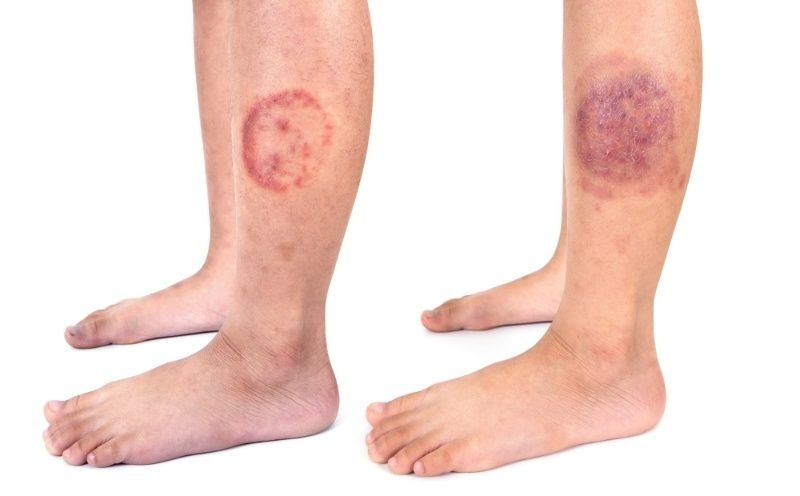
Kids get skin infections easily, especially when they play outside or are around other people a lot. One thing that really worries parents is when their kids get ringworm. Ringworm, in children, is something that parents do not like to see. Ringworm is not actually caused by worms; it is an infection that gets on the skin, the scalp, or the nails of children.It is usually not a big deal, but ringworm can spread quickly if you do not take care of it. If you know what the symptoms of ringworm are, what causes ringworm, and how to treat ringworm, then you can help your kids feel better and stop ringworm from spreading to other people.What is Ringworm in Children?Ringworm is a kind of infection that can spread from person to person. It is caused by fungi that live on the skin, hair, and nails of people. Ringworm usually shows up on the scalp, body, or feet of kids. The reason it is called "ringworm" is that it often looks like a circle with a spot in the middle, which makes it look like a ring.People can get ringworm by touching someone who already has it or by animals or things that have the infection on them, like towels, toys, or clothes. Kids are more likely to get ringworm because they are always on the go, and they touch each other a lot at school or on the playground.Know More: Discover Top Immune-Boosting Foods for Kids in 2025Symptoms of Ringworm in KidsRingworm in kids can be treated quickly if you notice the symptoms early. This helps to stop it from spreading. The main symptom of ringworm is a rash that is circular in shape and has raised edges. The area that is affected by ringworm may be itchy, dry, or scaly. Sometimes the skin in the middle of the ring looks clearer than the edges.When ringworm is on the scalp of kids, it can cause hair to fall out in patches. It can cause flakes like dandruff or small spots where there is no hair. The skin on the scalp may also become sore or red. If ringworm is on the feet or in the groin area, it can cause itching or burning. The skin may crack. Because the symptoms of ringworm can be different, you need to check for them to take good care of the kids with ringworm.How to Treat Ringworm in Children Naturally?Many parents want to find ways to help their kids when they have skin problems. It is good to know how to treat ringworm in children in a way in addition to what the doctor says.The first thing to do is to keep the area that is affected by ringworm dry. Ringworm likes to grow in places, so it helps to keep it dry. This will help stop ringworm from getting worse.Some people use things like tea tree oil or coconut oil to help get rid of ringworm because they have properties that fight fungus. You have to be careful when you use these things, and you should talk to a doctor first, especially if you are talking about ringworm in young children.It is also important to do things like wash your hands a lot and not share things that you use on your body. This helps your child get better from ringworm. While natural things can help with ringworm, if the ringworm is really bad, your child will probably need cream or medicine from the doctor to get rid of the ringworm.Ringworm in Children: How Long is it Contagious?A common concern for parents is ringworm in children. How long is ringworm in children contagious?Ringworm in children is contagious as long as the ringworm fungal infection is active. Without treatment for ringworm, it can remain contagious for weeks or even months.However, once treatment for ringworm begins, the risk of spreading ringworm reduces significantly within 24 to 48 hours. It is still important to continue the course of treatment for ringworm to ensure complete recovery from the infection.Children with ringworm should avoid contact with others and refrain from sharing personal items until the ringworm infection has cleared. This helps prevent reinfection of ringworm and protects others from getting infected with ringworm.Must Try: Learn Causes, Symptoms, and Treatments for Eczema in KidsCauses and Risk Factors of RingwormRingworm in kids is caused by a lot of things. When kids are around people who have ringworm, they can get it too. If kids share things, like combs, towels, or clothes, with someone who has ringworm, they can get ringworm.Kids can even get ringworm from pets like cats and dogs. Playing in places that are damp, like locker rooms or swimming pools, is not good because it can help ringworm spread.Kids who do not have body defense or do not keep themselves clean may get ringworm more easily. Knowing what makes kids get ringworm helps us stop it from happening.Prevention Tips for ParentsPreventing ringworm is usually easier than treating ringworm. So it is really important to encourage hygiene habits. You should teach kids to wash their hands a lot and keep their skin clean and dry. They should use their towels, clothing, and other personal things.You need to clean and disinfect things that people use a lot daily. If you have pets, you have to make sure they do not have infections, and you have to treat them if they do have ringworm.Wearing clothes that let air in and not keeping your skin wet for a time can also help reduce the risk of getting ringworm.When to See a Doctor?When you have a case, you can take care of it at home. You need to know when you should go see a doctor. If the rash is spreading fast or is not getting better with the things you are doing to take care of it, or if it is on your scalp, you should go see a doctor.Scalp infections are bad. You will probably need to take medicine that you swallow, not just put stuff on your scalp.If the rash is itching all the time. It hurts, or if it is swollen or has pus on it, you should go see a doctor. The doctor can help you get faster and stop anything bad from happening to the rash.ConclusionRingworm in children is something that happens a lot. It is not too hard to deal with. If you find out about it early, keep your child clean and get the treatment. You can make it go away.It is an idea to know what the symptoms of ringworm in children are, how to treat ringworm in children without using medicine, and how long ringworm in children is contagious so you can do what is best for your child.If you know what to do and take care of ringworm in children, you can help your child feel good, stay healthy, and not get ringworm in children again.Essential Reads: Understanding Causes And Symptoms Found in Kids' AllergiesFAQsCan Ringworm Go Away on Its Own in Children?Ringworm does not go away by itself. You need to treat it to get rid of it completely. If you do not take care of it, the infection can. Get worse. Using medicine that fights fungus and keeping yourself clean helps you get faster. It also stops the infection from spreading to parts of your body. You have to take care of the ringworm infection so that it does not spread. Ringworm needs treatment to clear up.Can My Child Go to School With Ringworm?Children can go back to school after they start treatment. This is because the risk of spreading the infection gets lower in 24 to 48 hours. They need to cover the affected area. They must follow hygiene practices. This helps stop the infection from spreading to kids at school or in shared spaces.How Can I Prevent Ringworm From Spreading at Home?To prevent spread, avoid sharing personal items like towels, clothing, or bedding. Wash infected items separately and keep the affected area clean and dry. Regular handwashing and cleaning surfaces help reduce the risk of infection spreading to other family members.

How To Increase Iron In Picky Toddlers Without Daily Drama

 Toddlers can turn mealtime into theater. One day they love eggs. The next day eggs are apparently offensive. A bean gets touched, the plate is ruined, and everyone at the table suddenly feels tired. So when parents start wondering about iron, the stress gets real fast.That worry is understandable. Children ages 1 to 3 need 7 mg of iron per day, according to the NIH Office of Dietary Supplements, and toddlers who drink too much milk or eat a very limited diet can miss the mark. The good news is that improving iron intake usually does not require turning every meal into a battle. It works better when parents think in patterns, not perfection. A few smart food swaps, better pairings, and less pressure can go a long way.Why How to Increase Iron in Picky Toddlers MattersIron helps the body make hemoglobin, which carries oxygen in the blood. When toddlers do not get enough iron, they can develop iron deficiency and sometimes iron-deficiency anemia. The American Academy of Pediatrics also recommends screening for iron deficiency and iron-deficiency anemia at 12 months of age. Parents do not need to panic over one picky week. But if a toddler is living on crackers, milk, yogurt, and vibes, it is worth paying attention. Iron is one of those nutrients that is easy to overlook until a child starts seeming pale, irritable, tired, or less interested in food. HealthyChildren lists pale skin, irritability, mild weakness, and tiring easily among common anemia signs. Start With The Easiest Iron WinsThe first step is not usually a fancy recipe. It is choosing foods that give more iron without requiring a toddler to suddenly become adventurous.Some of the most practical Iron-Rich Foods for Toddler meals include iron-fortified cereals, beans, lentils, eggs, tofu, meat, poultry, and fish. CDC lists iron-fortified cereals, tofu, beans, lentils, and dark green leafy vegetables as non-heme iron sources, while HealthyChildren points to meat, poultry, fish, beans, eggs, and fortified grains as useful sources too. That does not mean a toddler needs to eat a bowl of spinach and lentils with a smile. It means parents can sneak a little more iron into foods the child already accepts. Think fortified oatmeal, turkey meatballs, black beans mashed into quesadillas, or egg mixed into fried rice.Pair Iron With Vitamin C So More Of It Gets AbsorbedThis part matters a lot and gets missed all the time. Iron from plant foods is absorbed better when it is eaten with vitamin C. CDC specifically recommends pairing non-heme iron foods with vitamin C-rich fruits and vegetables such as oranges, berries, tomatoes, broccoli, cabbage, papaya, and sweet potatoes. So if a toddler will eat fortified cereal, add strawberries. If they like beans, serve them with tomatoes. If they tolerate chicken nuggets but not much else, offer fruit on the side instead of making the whole meal a negotiation. Tiny pairings count.That is one of the most useful answers to How to get a picky toddler to eat iron? Make iron easier to absorb instead of obsessing only over the number of bites.Watch The Milk Before Blaming Everything ElseA lot of toddlers fill up on milk and then have almost no appetite left for solid foods. That can push iron-rich foods out of the day without anyone fully realizing it.CDC says too much cow's milk can make it harder for children's bodies to absorb needed iron from foods and may reduce hunger for other nutrient-rich foods. Mayo Clinic advises that between ages 1 and 5, children should not drink more than 24 ounces of milk a day. Nemours also suggests about 16 to 24 ounces daily for toddlers. So if a toddler is drinking milk all day and barely touching meals, this is worth adjusting. Not because milk is bad. It is not. But too much milk can crowd out better iron sources fast.Offer Small Portions And Repeat OftenParents often assume that if a toddler rejected a food twice, that food is dead forever. Not true. Toddlers frequently need repeated low-pressure exposure before accepting something new.That means smaller portions work better than loaded plates. A teaspoon of lentils next to familiar food. One slice of turkey. A couple spoonfuls of iron-fortified cereal. Repetition without pressure is usually more effective than "just take three bites." HealthyChildren notes that selective eating is common in toddlers, and balanced food groups over time matter more than one perfect meal. This is where How to increase iron in picky toddlers becomes less about one magic food and more about giving good options again and again without turning the table into a power struggle.On a Similar Note: Essential Kids Vitamins That Support Growth And Daily HealthUse Familiar Foods As The Delivery SystemA toddler does not care that quinoa is a "great nutrient-dense base." They care whether the food feels familiar.So build around accepted foods. Mix finely shredded beef into pasta sauce. Stir mashed beans into mac and cheese. Use iron-fortified oatmeal in muffins. Add ground turkey to grilled cheese filling. Serve hummus with crackers if that is less threatening than beans on a spoon.These kinds of toddler-friendly Iron-Rich Foods for Toddler ideas work because they meet the child where they already are. CDC and HealthyChildren both point to fortified grains, beans, eggs, meats, and soy foods as useful options, so parents have room to work with what their child already likes. Not every meal has to look healthy in a dramatic Instagram way. It just has to help.Keep Mealtimes Calm, Even When It Is AnnoyingPicky toddlers are experts at sensing pressure. The more adults plead, bribe, bargain, or stare, the more tense the meal can become.A calmer approach usually works better. Put one iron-containing food on the plate with accepted foods. Let the child see it. Touch it. Ignore it. Eat it or not eat it. Then try again another day. That is how many toddlers slowly become less resistant to new foods. HealthyChildren's toddler nutrition guidance emphasizes offering a range of foods and recognizing that selective eating is normal at this age. This is also the most honest answer to How to get a picky toddler to eat iron? Less pressure, more routine, more repetition. Not glamorous. Usually effective.Know When It Is Time To Call The PediatricianFood strategies help, but sometimes a toddler needs medical evaluation too. If a child seems unusually pale, tired, weak, cranky, short of breath, less active, or is drinking huge amounts of milk while barely eating solids, it is worth checking in. HealthyChildren lists pale skin, irritability, weakness, and tiring easily as common anemia signs. MedlinePlus also includes tiredness, irritability, poor appetite, and pale skin. Parents should also be careful with iron supplements. The NIH notes that too much iron can be dangerous, so supplements should not be started casually or dosed like vitamins-for-fun. If there is concern about iron deficiency, testing and treatment decisions belong with the child's clinician.Read More: Top Choices of Food For Brain Development Of 6 Month BabyConclusion: Focus On Weekly Patterns, Not A Perfect DayThis may be the biggest sanity saver. Toddlers are inconsistent eaters. One day they survive on toast and stubbornness. The next day they eat half the fridge.So the goal is not perfect iron intake at every meal. It is building a week that includes more iron-rich opportunities, less milk overload, and better pairings with vitamin C. That pattern matters much more than one failed lunch.Parents trying to figure out how to increase iron in picky toddlers do not need to become short-order chefs or nutrition calculators. They just need a handful of reliable foods, steady repetition, and enough patience to let change happen slowly.And yes, slowly is still progress.FAQs1. Can Cast-Iron Cookware Help A Toddler Get More Iron?It can add a small amount of iron to some foods, especially moist or acidic dishes, but it should be treated as a bonus rather than the main plan. HealthyChildren notes that iron cooking pots may make a small contribution to iron intake. 2. Are Plant-Based Iron Foods Enough For Toddlers?They can be, but they need more planning because non-heme iron from plant foods is absorbed less efficiently than heme iron from animal foods. Pairing plant-based iron foods with vitamin C-rich foods helps improve absorption. 3. Is Iron-Fortified Cereal Still Useful After Babyhood?Yes, it can be. Nemours suggests serving iron-fortified infant cereal until about 18 to 24 months, and fortified cereals remain one of the easier iron sources for selective eaters.

Stay in the Loop